Ever wonder what daily life in Washington, DC looks like when your car is optional instead of essential? If you are considering a move to Dupont Circle, that question matters because convenience, mobility, and home style all shape how a neighborhood feels once you live there. The good news is that Dupont Circle has the ingredients that make car-free or car-light living realistic, practical, and appealing. Let’s dive in.
Why Dupont Circle Supports Car-Free Living
Dupont Circle works well without a car because transit, walkability, and close-by errands all reinforce one another. This is not a neighborhood where you need to drive for every small task. Instead, many day-to-day routines can happen on foot, by Metro, or by bike.
The Dupont Circle Metro station is a big part of that equation. WMATA identifies it as a Red Line station with entrances at Connecticut Avenue and 19th Street NW and at Connecticut Avenue and Q Street NW. WMATA also notes that the station has no parking, 26 bike racks, and bikesharing nearby, which reflects how the area is designed around alternatives to driving.
Service hours help support a flexible routine. WMATA’s current station page shows first weekday trains at 5:29 a.m., with late-night service around midnight on weekdays and until 2:00 a.m. on Fridays and Saturdays. That kind of schedule can make commuting, dinner plans, and evening outings easier to manage without relying on a car.
Metro, Bus, and Bike Options
Rail is only part of the transportation picture in Dupont Circle. The Dupont Circle BID notes that the neighborhood is also served by Metrobus routes and schedules, giving you more than one way to get around. That matters when you want options for short trips, crosstown travel, or a backup plan on busy days.
Cycling is also built into the neighborhood’s daily rhythm. The BID says Dupont Circle has five Capital Bikeshare stations, and DDOT describes the citywide bicycle network as including cycle tracks, bike lanes, bike routes, trails, and bikeshare stations. If you prefer to bike to errands, work, or nearby neighborhoods, that network adds another layer of flexibility.
Perhaps the strongest sign that this lifestyle is real is how many households already live this way. In a 2022 curbside-management report for ANC 2B, DDOT found that more than 58% of households did not have a vehicle available. That does not mean everyone is fully car-free, but it does show that car-light living is already common in the broader Dupont Circle area.
Daily Errands Stay Close to Home
One reason car-free living works here is that everyday needs are clustered close together. The Dupont Circle BID’s shopping and services directories list essentials like CVS Pharmacy, Dupont Circle Pharmacy, Oasis Market, Lucky Seven, and FH Amsterdam Convenience Store. Services such as Daisy Fresh Cleaners, Westpark Cleaners, Kim’s Custom Cleaning, and the U.S. Post Office also support routines that can stay local.
That density changes the feel of daily life. Instead of planning a string of separate drives, you may be able to combine errands into one walk around the neighborhood. Prescriptions, dry cleaning, quick groceries, and mailing a package can often fit into the same outing.
Food and coffee options are also easy to reach. BID listings include All Day by Kramers, Daily Provisions, Dupont Coffee Collective, Emissary, Le Pain Quotidien, Spot of Tea, and Teaism. For many residents, that kind of variety makes it simple to meet a friend, grab breakfast, or work outside the home without getting in a car.
Markets, Culture, and Public Space
Dupont Circle’s appeal is not just about errands. It is also about how public space and neighborhood activity make walking feel useful and enjoyable. The BID says visitors can walk to hundreds of shops and restaurants, and it notes that the White House is about a 20-minute walk away.
The neighborhood’s year-round FRESHFARM Dupont Circle Market adds another practical and social layer. It operates on Sundays at 1600 20th Street NW, and during peak season it reports more than 80 farmers and producers selling produce, prepared foods, coffee, flowers, and pantry items. For many households, that creates a routine stop for weekly shopping that does not require driving.
Cultural destinations also shape the neighborhood’s rhythm. The Phillips Collection occupies Duncan Phillips’s former home, and First Friday ArtWalk brings together galleries, museums, embassies, nonprofits, and commercial businesses in a recurring event. That kind of activity helps explain why Dupont Circle functions as more than a place to sleep. It is a neighborhood where public life is part of the value.
What Homes Fit This Lifestyle
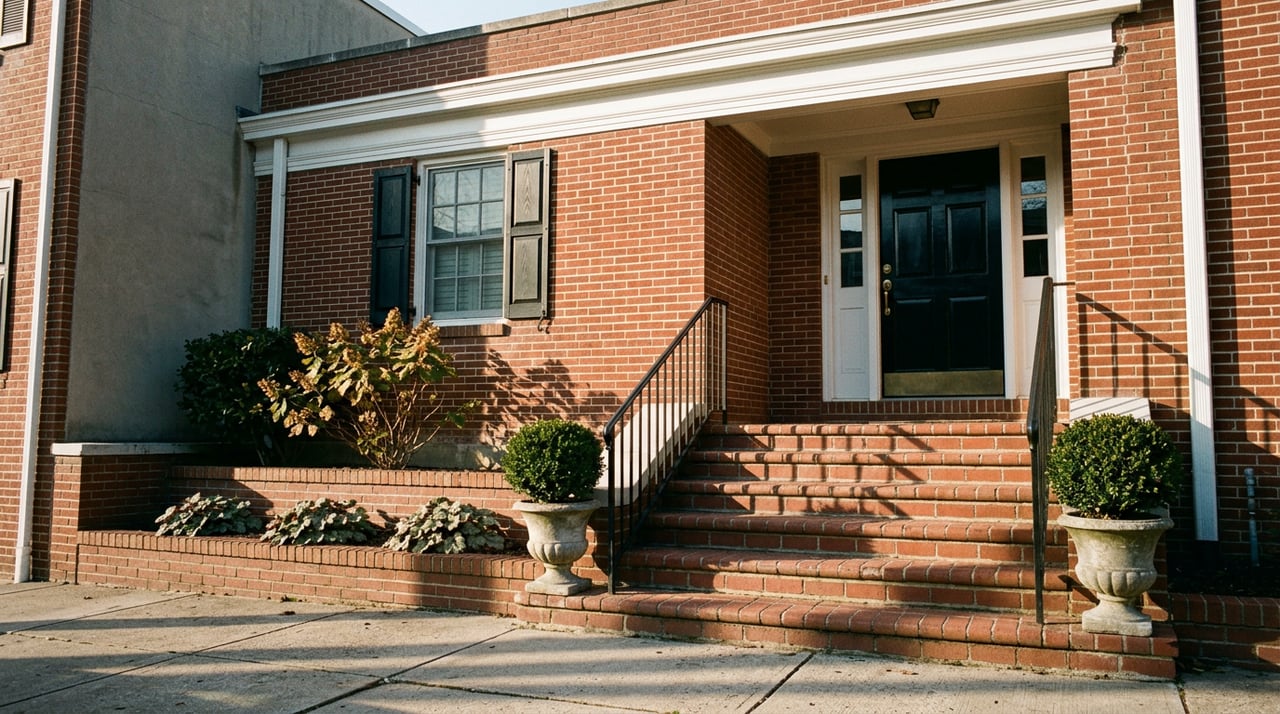
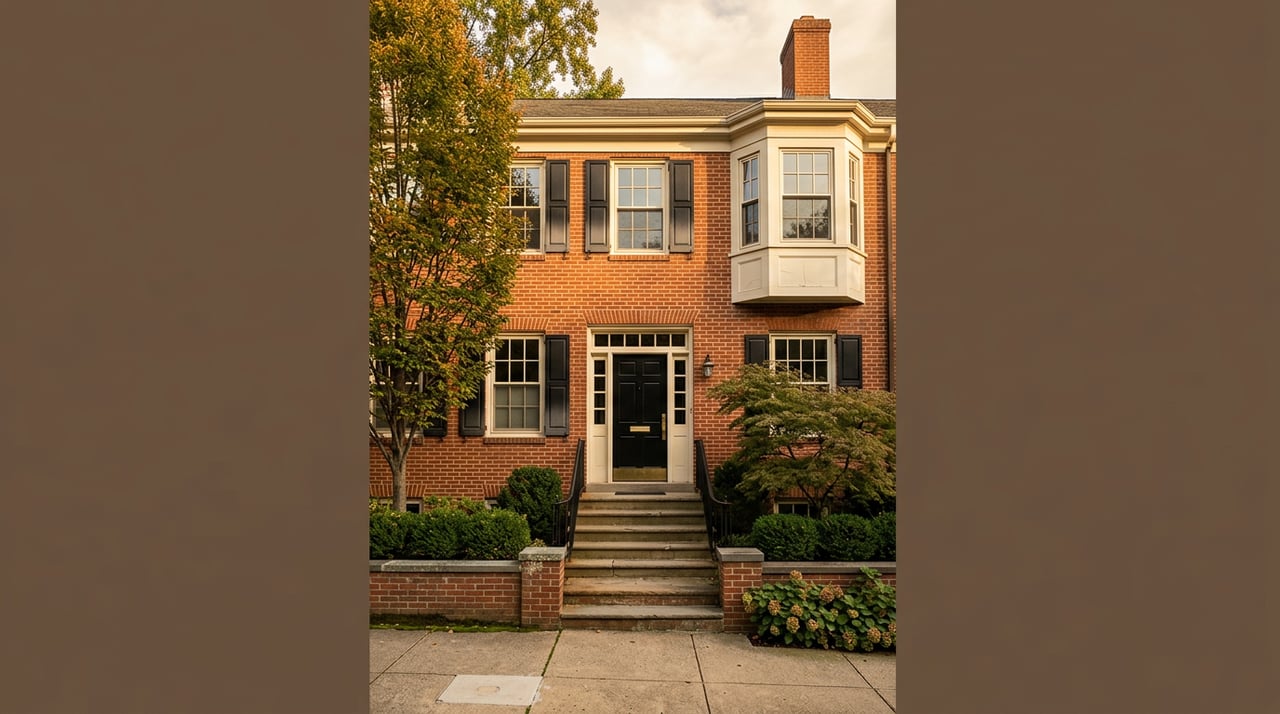
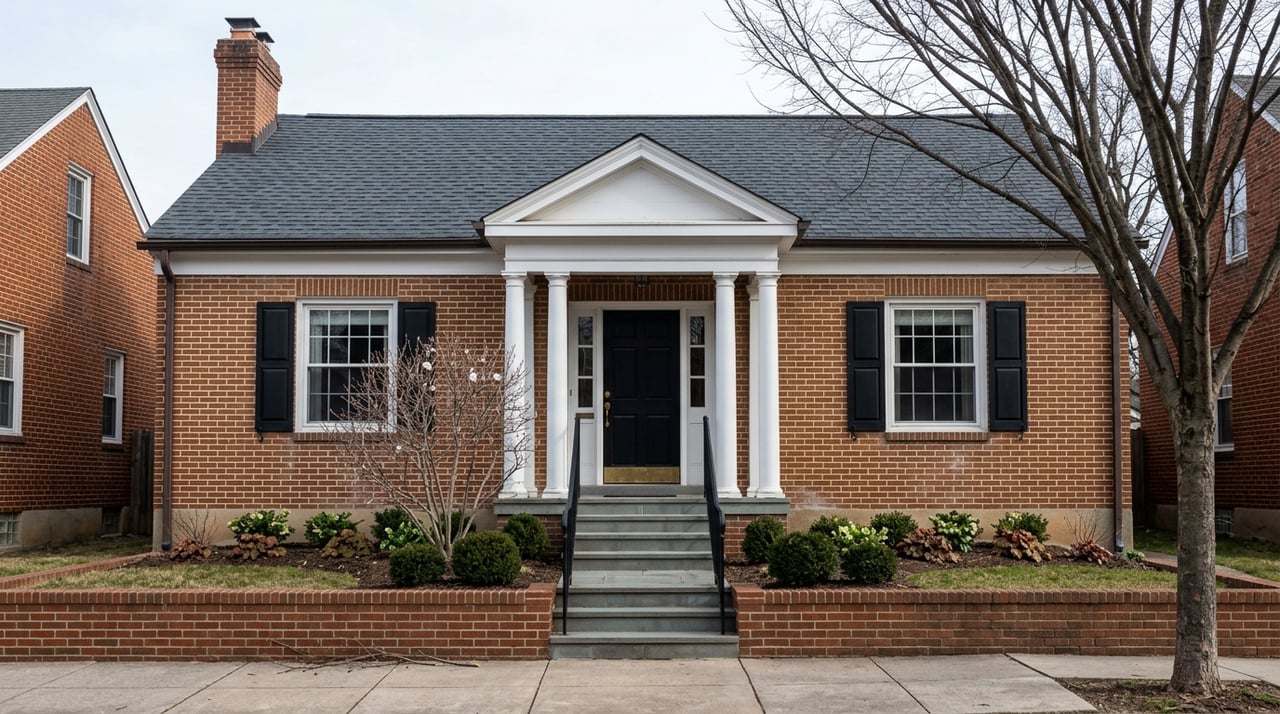
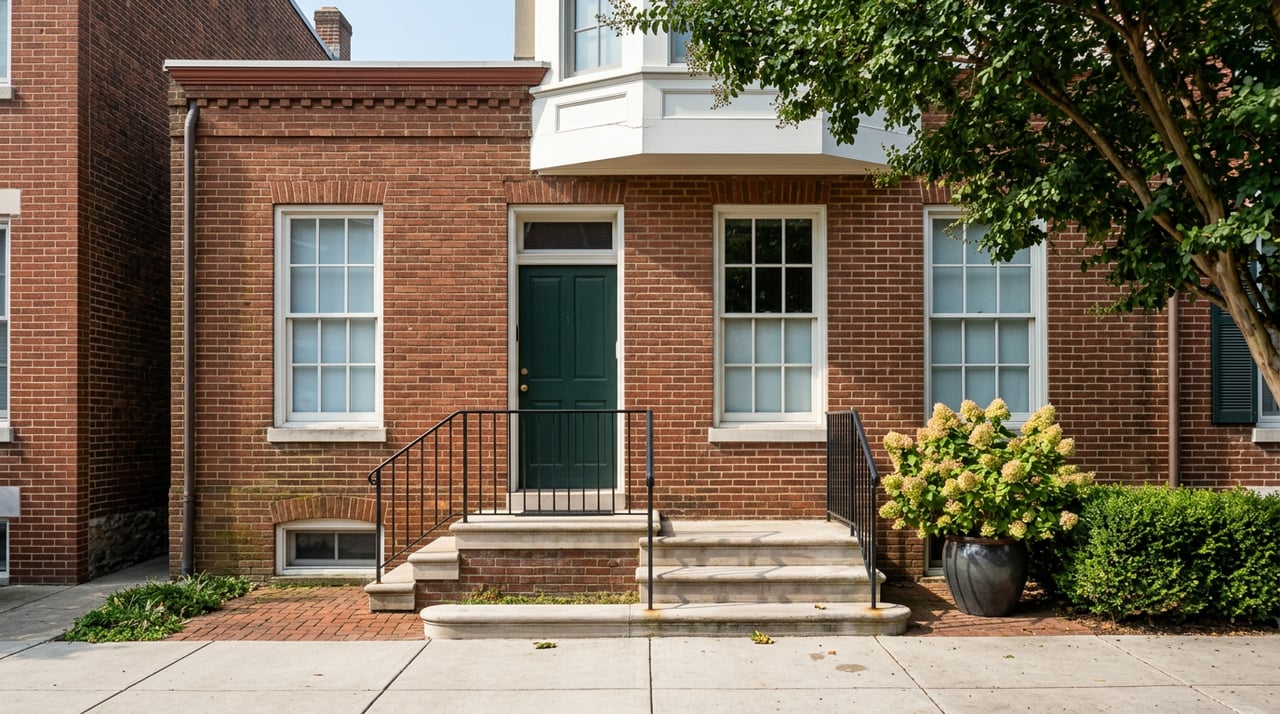
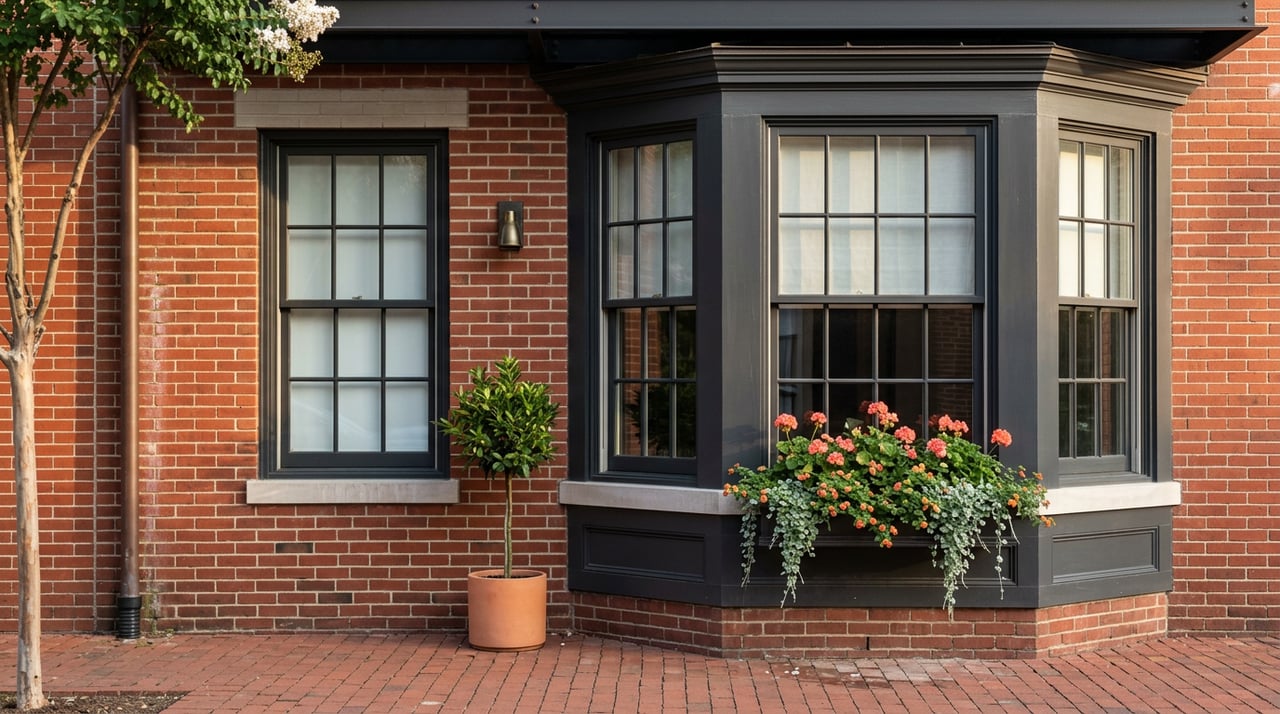
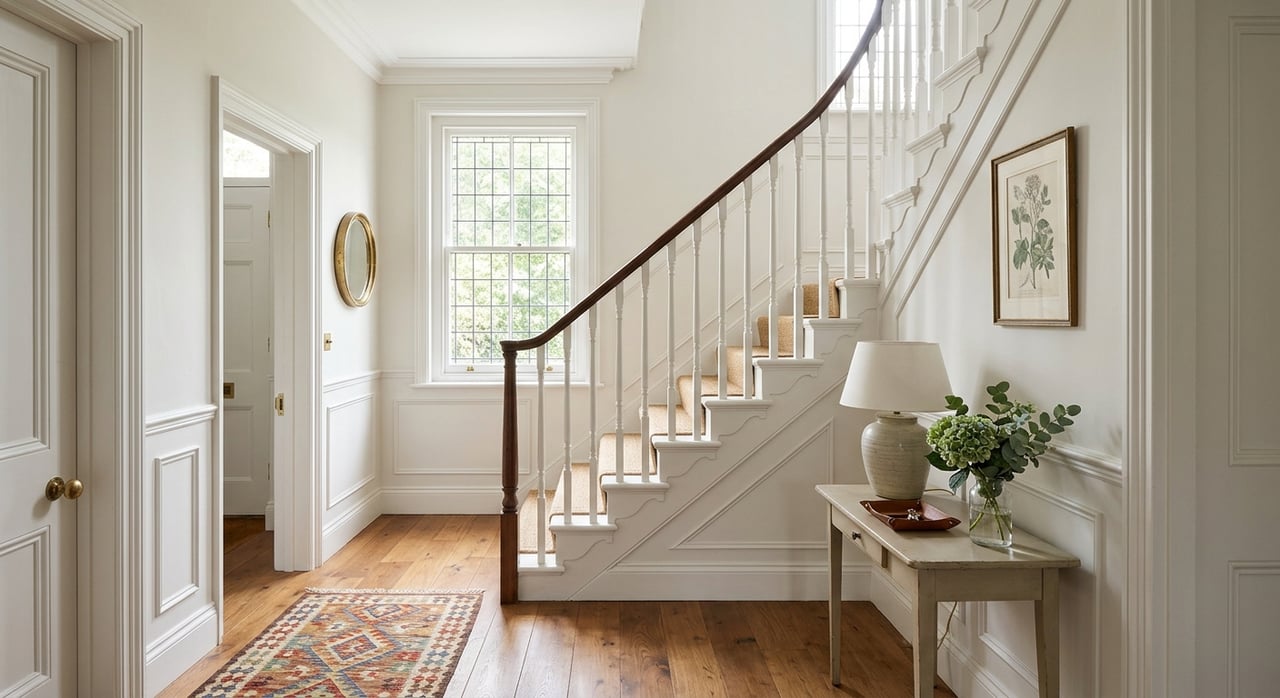
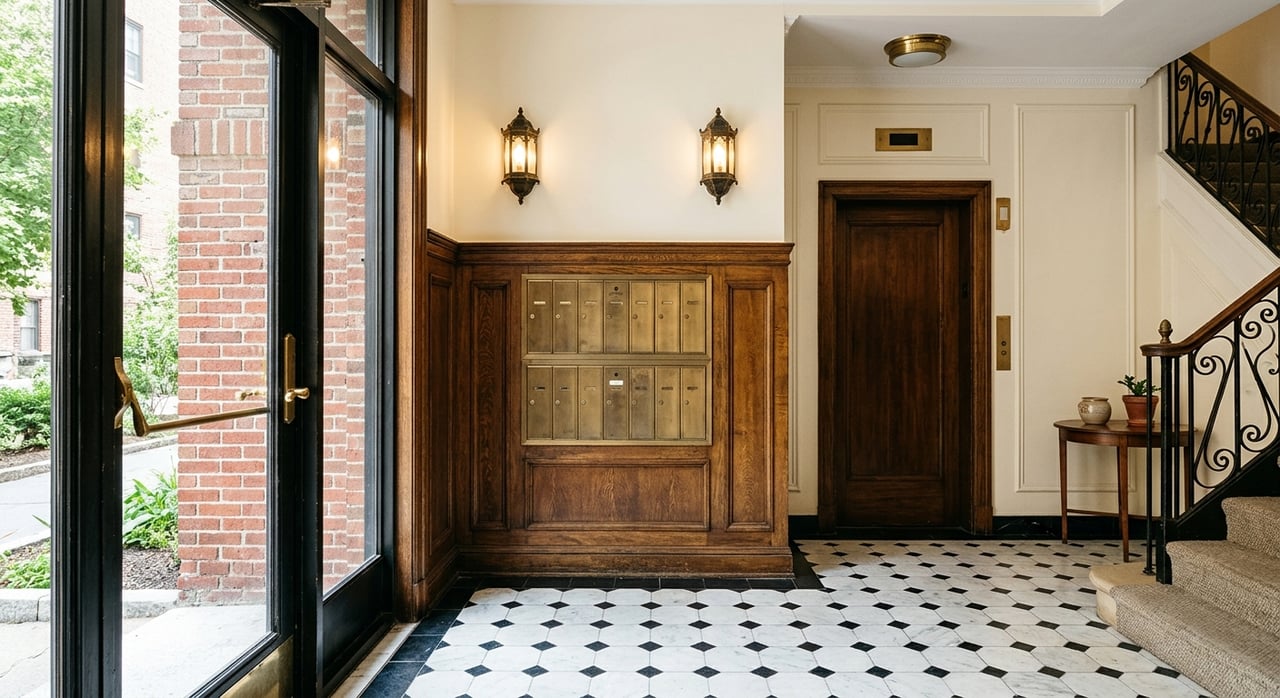
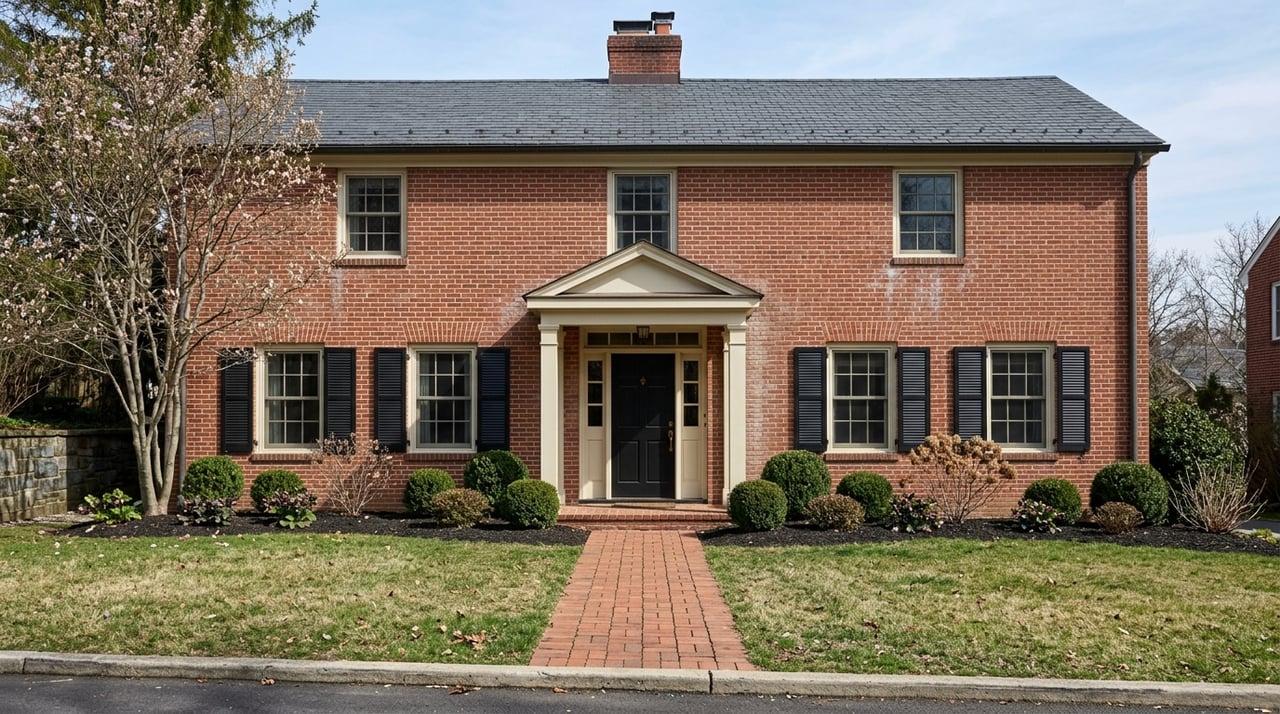
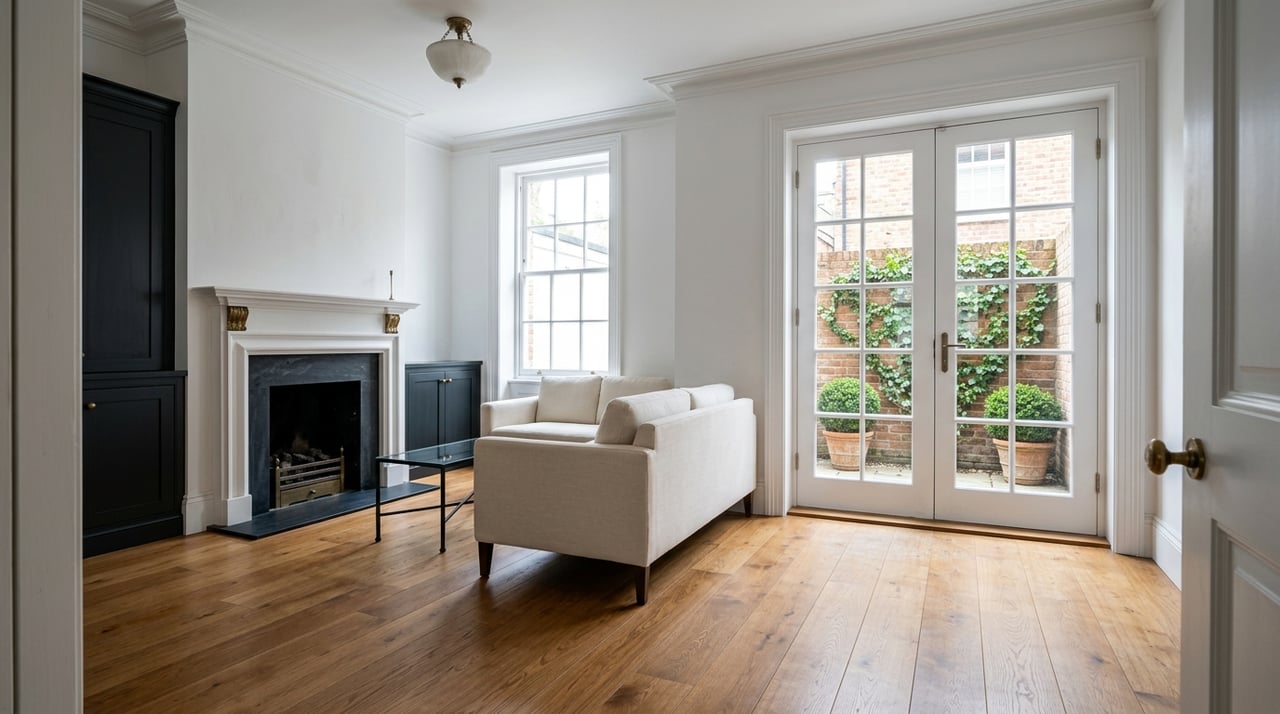
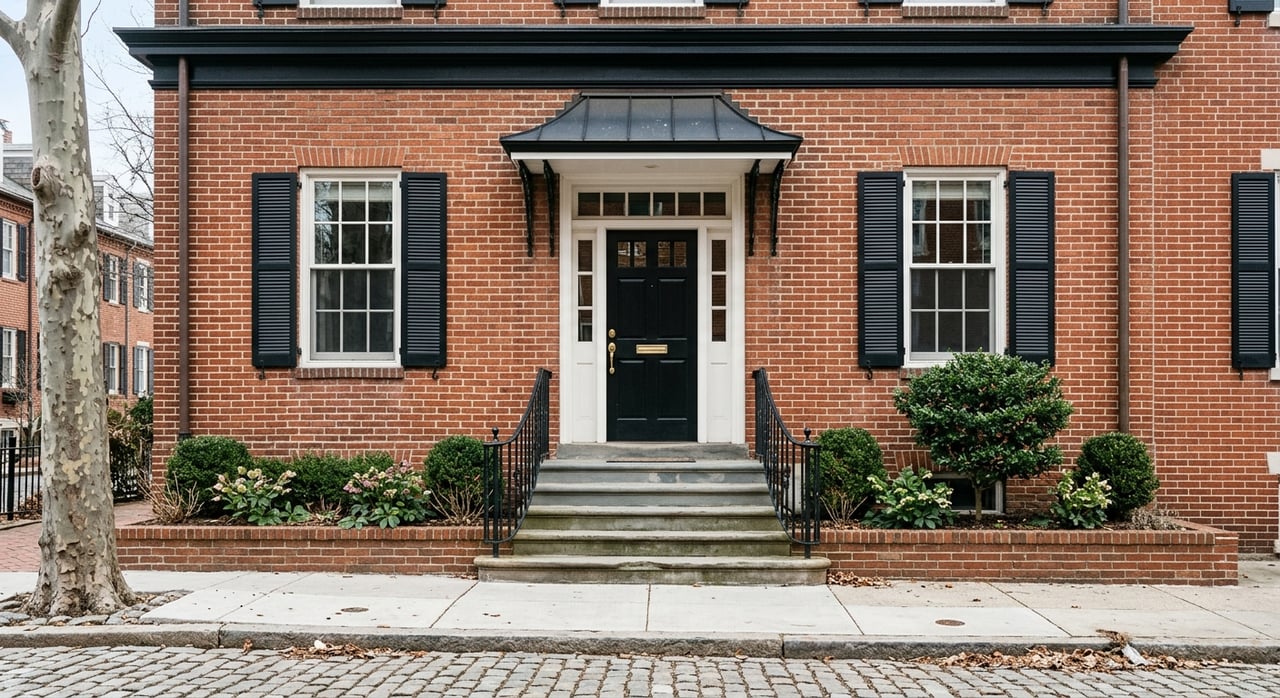
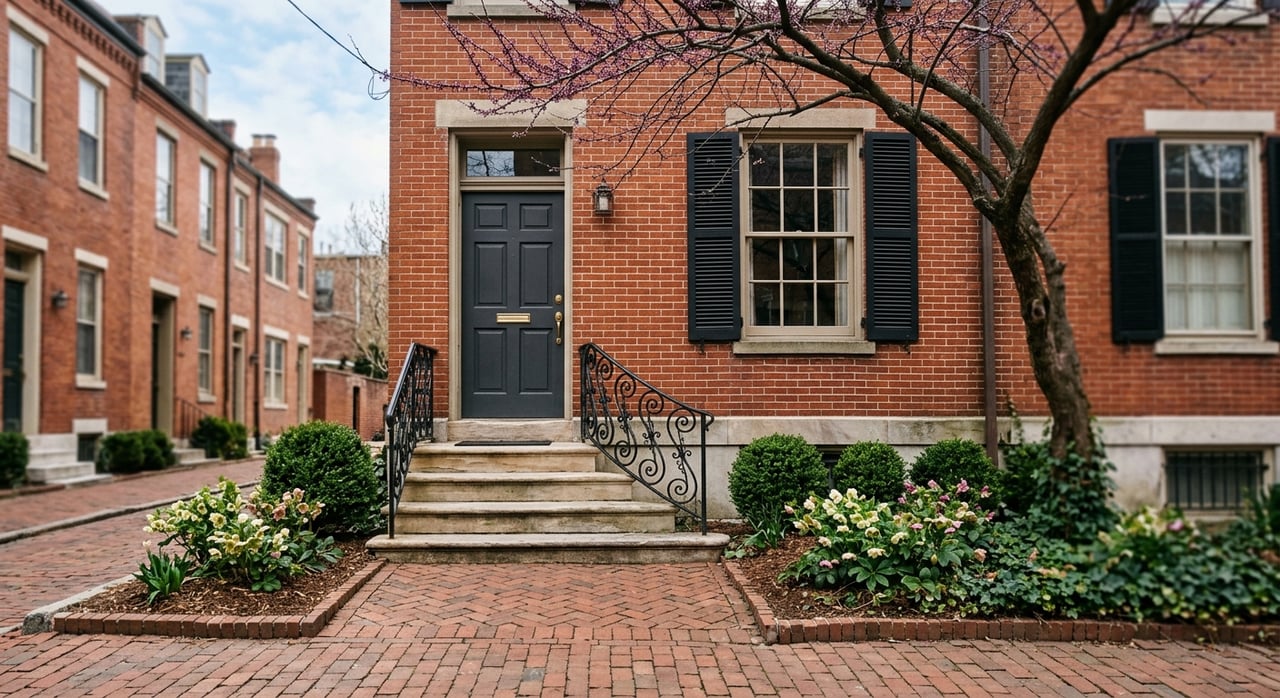
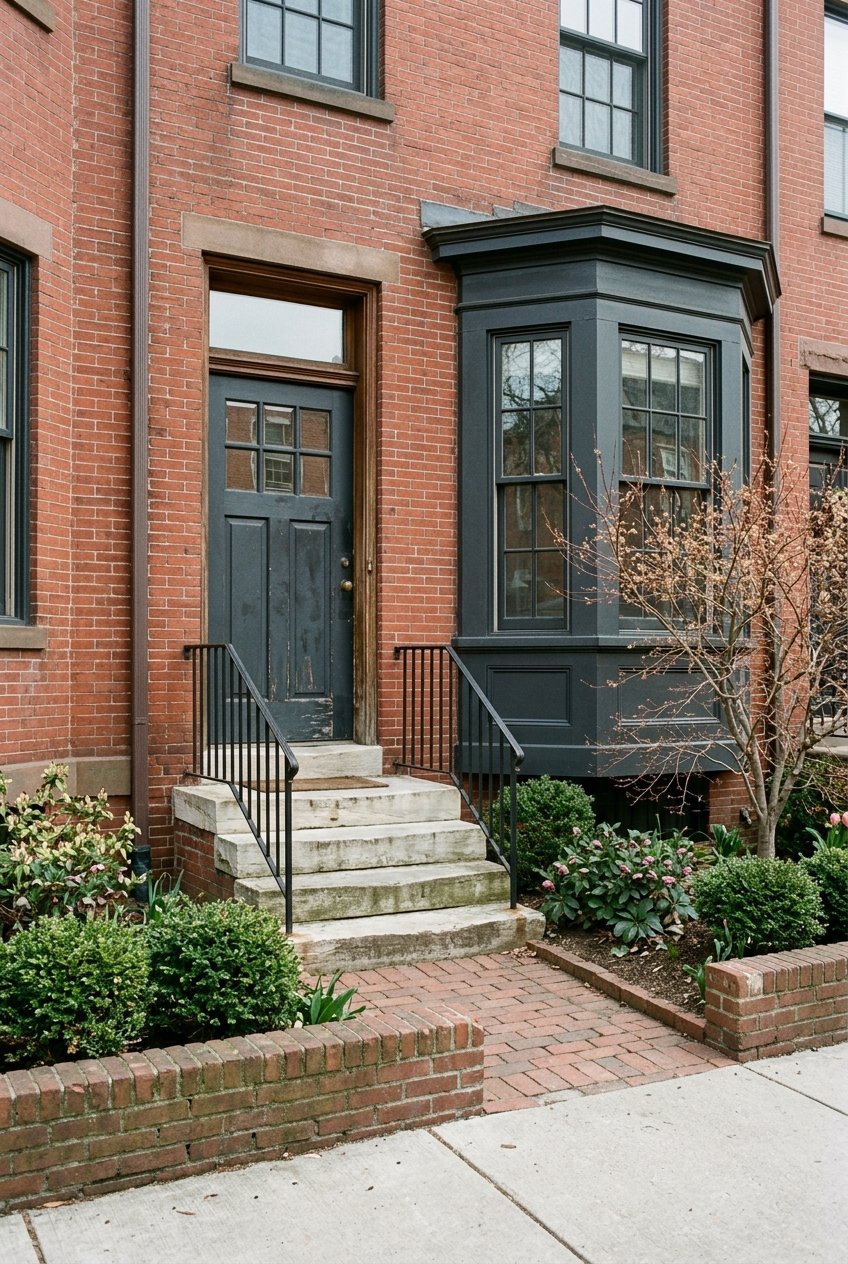
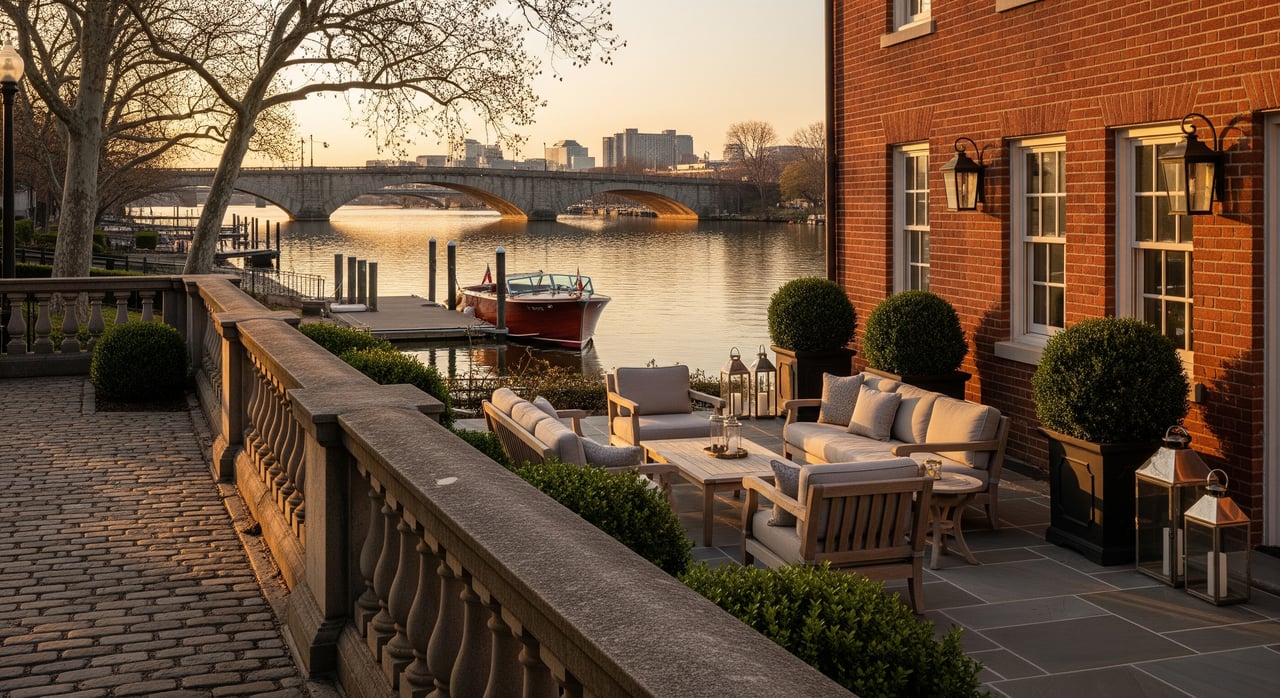
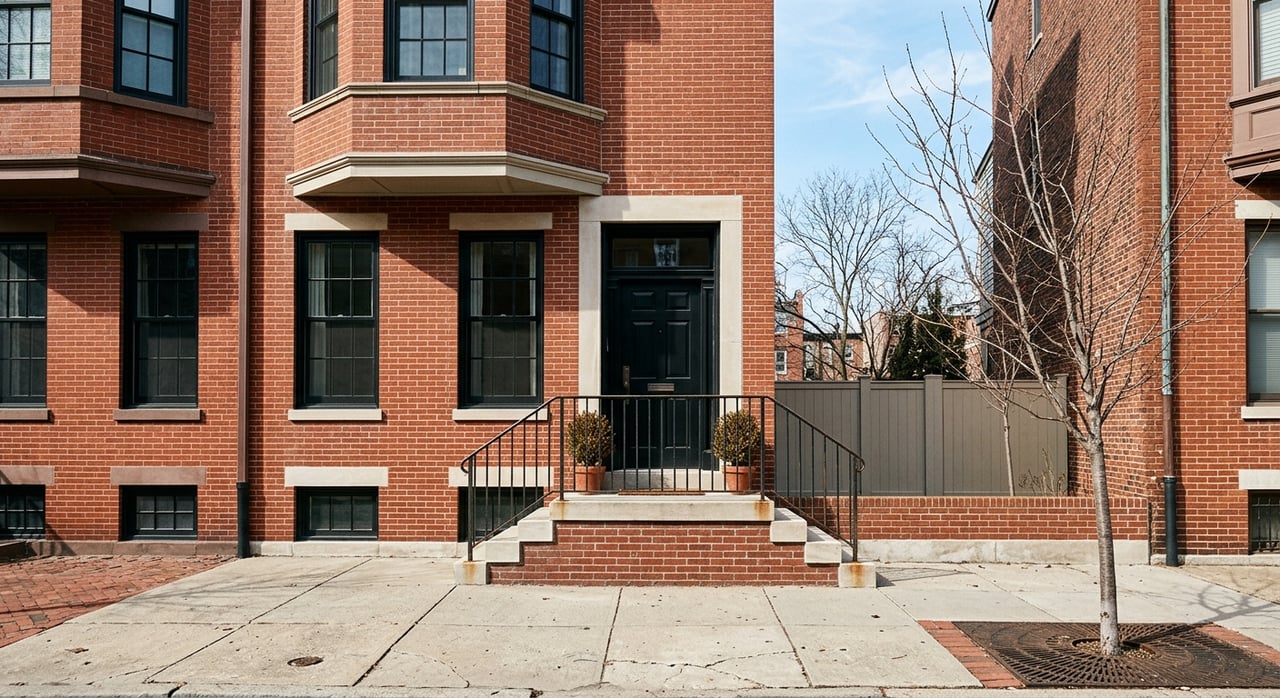
The housing stock in Dupont Circle supports a wide range of car-light lifestyles. The historic district contains about 3,000 buildings, mostly residential, according to the National Register nomination. It describes mansions around Massachusetts Avenue and the circle, rowhouses on the grid streets, and some five- and six-story apartment buildings along commercial corridors.
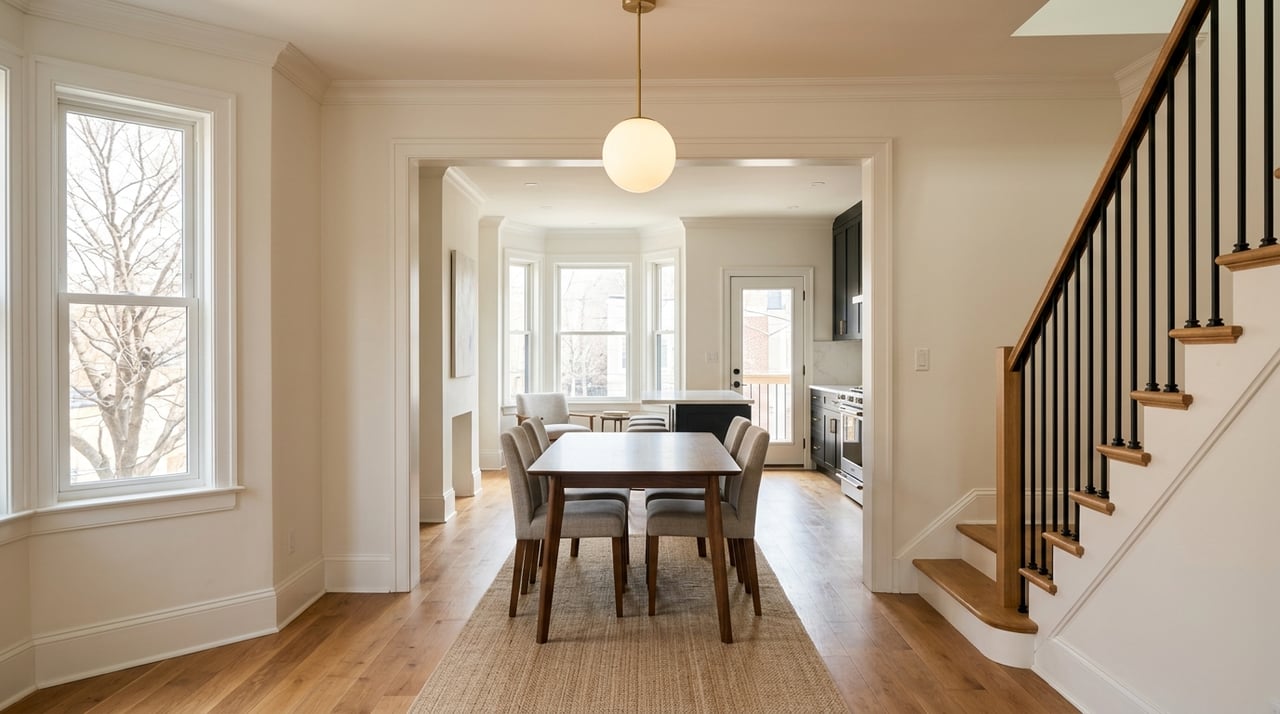
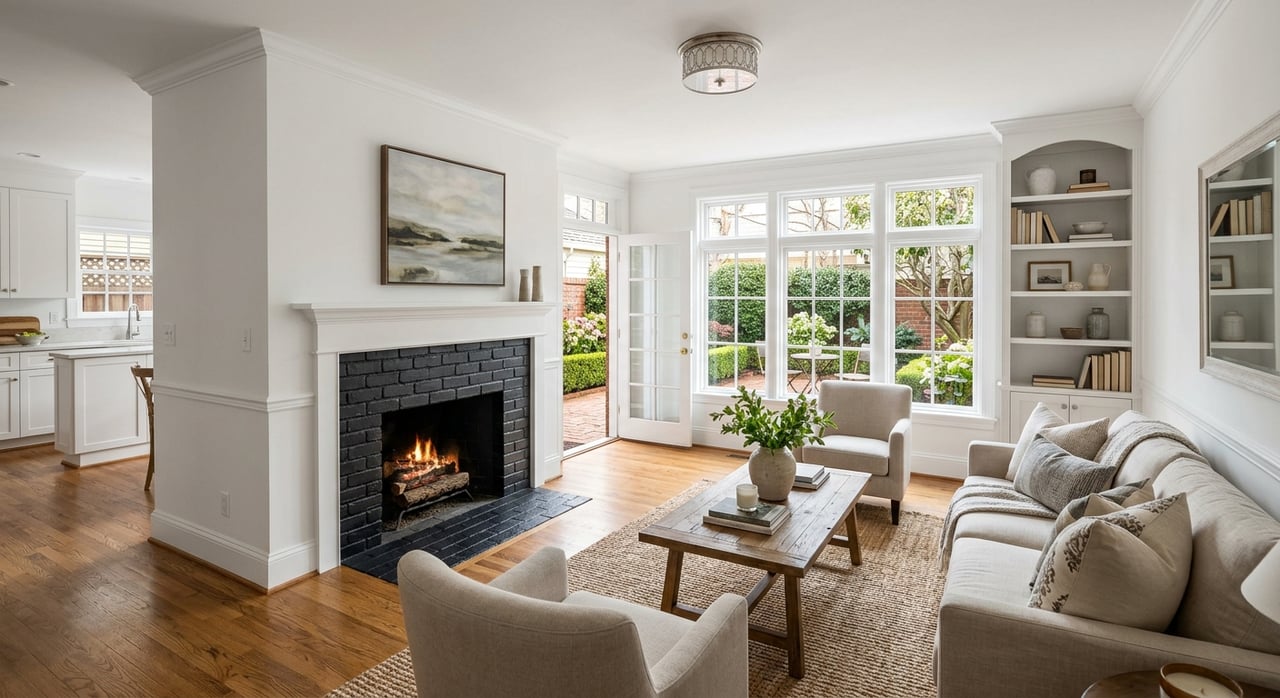
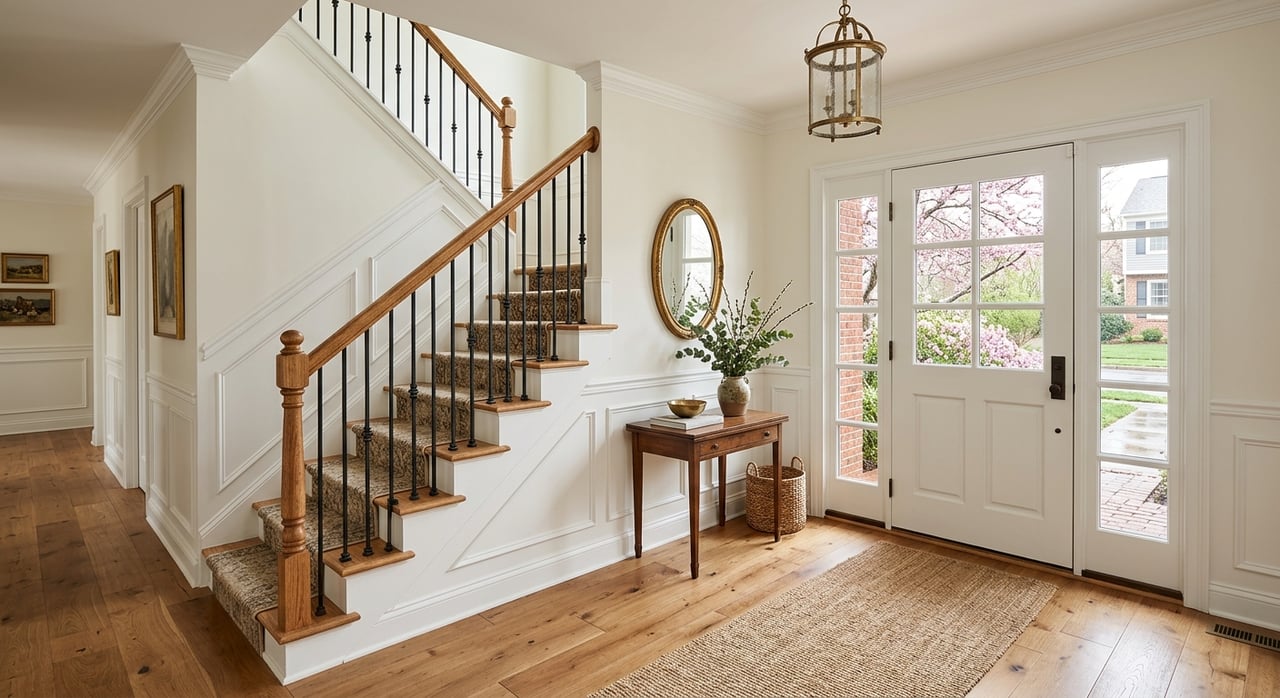
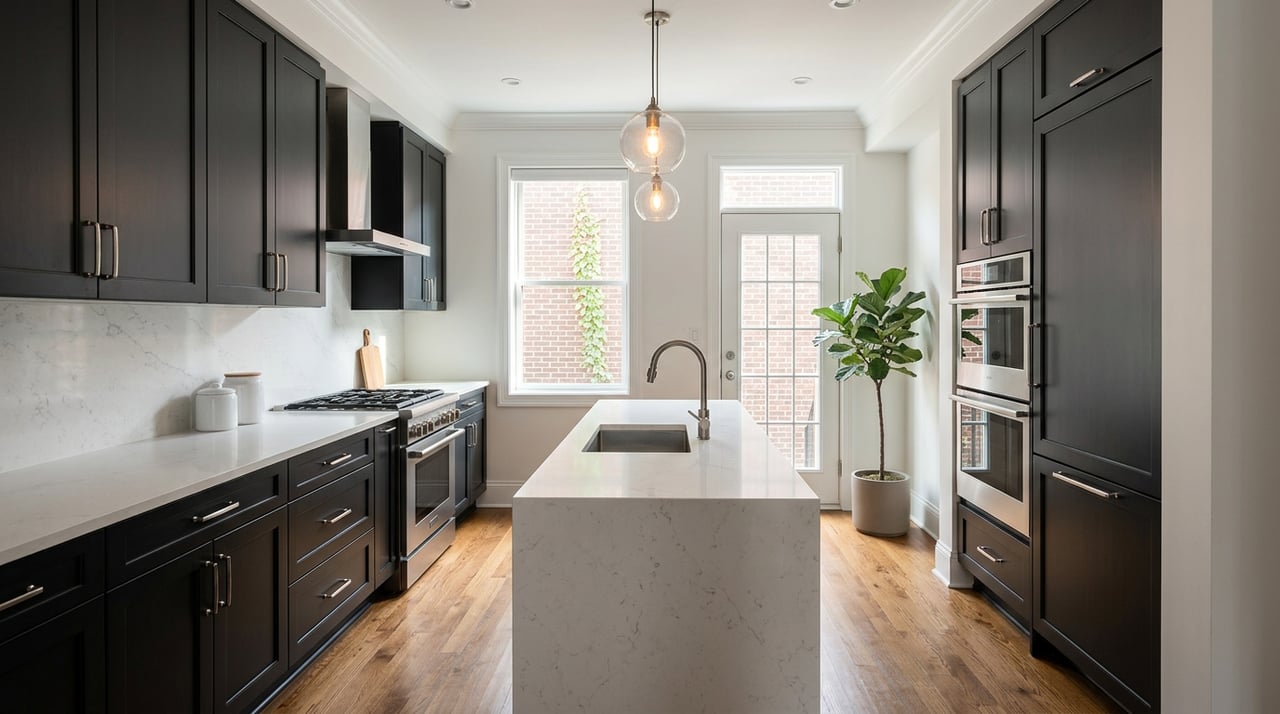
That variety matters if you are deciding how you want to live. A rowhouse or townhouse may appeal if you want historic character, more vertical space, and a traditional residential feel. An apartment or condo-style residence may be a strong fit if your priority is simpler upkeep and immediate access to neighborhood amenities.
The BID’s residential listings reflect that mix. Apartment buildings such as Common Parkway, The Hepburn, Inspir, King William Flats, Oxford Apartments, and Westpark Apartments all appear in local listings. Mission Dupont, which is housed in a renovated turn-of-the-century townhouse, is another example of how older buildings have been adapted for modern use.
Can You Still Keep a Car?
Yes, you can. Car-free living in Dupont Circle does not mean car access disappears. The BID says vehicular traffic can use street parking and garages throughout the neighborhood, and some apartment buildings still advertise parking features.
Westpark Apartments, for example, notes underground parking along with laundry facilities and security. That detail is useful because it shows the neighborhood is better described as car-optional than strictly car-free. You can choose to live without a car, keep one for occasional use, or view it as a secondary tool rather than your main form of transportation.
For many buyers, that flexibility is the sweet spot. You may not want to drive every day, but you may still value the option for regional trips, weekend plans, or personal convenience. Dupont Circle can support both priorities at once.
What Buyers Should Notice
If you are buying in Dupont Circle, think beyond square footage and finishes. Pay attention to how a building or block supports your daily routine. The right home for a car-light lifestyle is often the one that makes your most common trips simple, comfortable, and repeatable.
It also helps to think about tradeoffs clearly. A historic townhouse may offer architectural character and presence, while an apartment building may offer lower-maintenance living and an easier lock-and-leave setup. Neither is universally better. The right choice depends on how you want your week to function.
Location inside the neighborhood matters too. Proximity to Metro entrances, bikeshare, services, and grocery options can shape how often you actually walk or bike. In a neighborhood like Dupont Circle, those small distance differences can have an outsized effect on convenience.
What Sellers Should Highlight
If you are selling a home in Dupont Circle, the car-optional lifestyle is part of the property story. Buyers are often evaluating not just the residence itself, but also how seamlessly the neighborhood supports work, errands, dining, and recreation. A thoughtful marketing strategy should reflect that.
Features worth presenting clearly may include proximity to the Red Line, nearby retail and services, access to bikeshare, and the walkable nature of the block. If the property also includes parking, that can be positioned as added flexibility rather than the sole lifestyle driver. In this neighborhood, convenience often comes from having choices.
Presentation matters as much as positioning. For sellers in NW DC, polished visuals, strong staging, and neighborhood-specific messaging can help buyers connect the home to the lifestyle they want. That is especially true in a place like Dupont Circle, where architecture, setting, and daily rhythm all contribute to value.
Why Dupont Circle Stands Out
Dupont Circle stands out because its transportation options, local businesses, public spaces, and housing stock work together. According to DDOT, more than 58% of households in the study area did not have a vehicle available, which makes this more than a marketing idea. It is a lived pattern in the neighborhood.
The result is a lifestyle that can feel both efficient and connected. You can handle many daily needs close to home, rely on Metro and bike infrastructure, and still keep a car if you want one. For buyers and sellers alike, that balance is a big reason Dupont Circle continues to hold such broad appeal.
If you are weighing a move in Dupont Circle or preparing to position a home for sale, local strategy matters. Infinity Group brings a boutique, high-touch approach to NW DC real estate, with polished marketing, neighborhood insight, and clear guidance tailored to how you want to live.
FAQs
Is Dupont Circle really a car-free neighborhood in Washington, DC?
- Dupont Circle is best described as car-optional. WMATA, DDOT, and the Dupont Circle BID all support the idea that many residents rely on Metro, walking, biking, and nearby services for daily life.
Can you own a car while living in Dupont Circle?
- Yes. The Dupont Circle BID says street parking and garages are available in the neighborhood, and some residential buildings advertise parking such as underground parking.
What transportation options are available in Dupont Circle?
- Dupont Circle has Red Line Metro access, Metrobus service, five Capital Bikeshare stations, and access to DC’s broader bicycle network of lanes, routes, trails, and cycle tracks.
What types of homes are common in Dupont Circle?
- The area includes historic rowhouses, townhouses, mansions, and five- to six-story apartment buildings, giving buyers options that fit different lifestyle preferences.
Are daily errands easy to do without a car in Dupont Circle?
- Yes. BID directories show nearby pharmacies, convenience stores, cleaners, coffee shops, dining options, and the year-round FRESHFARM Dupont Circle Market, which helps keep many errands close to home.