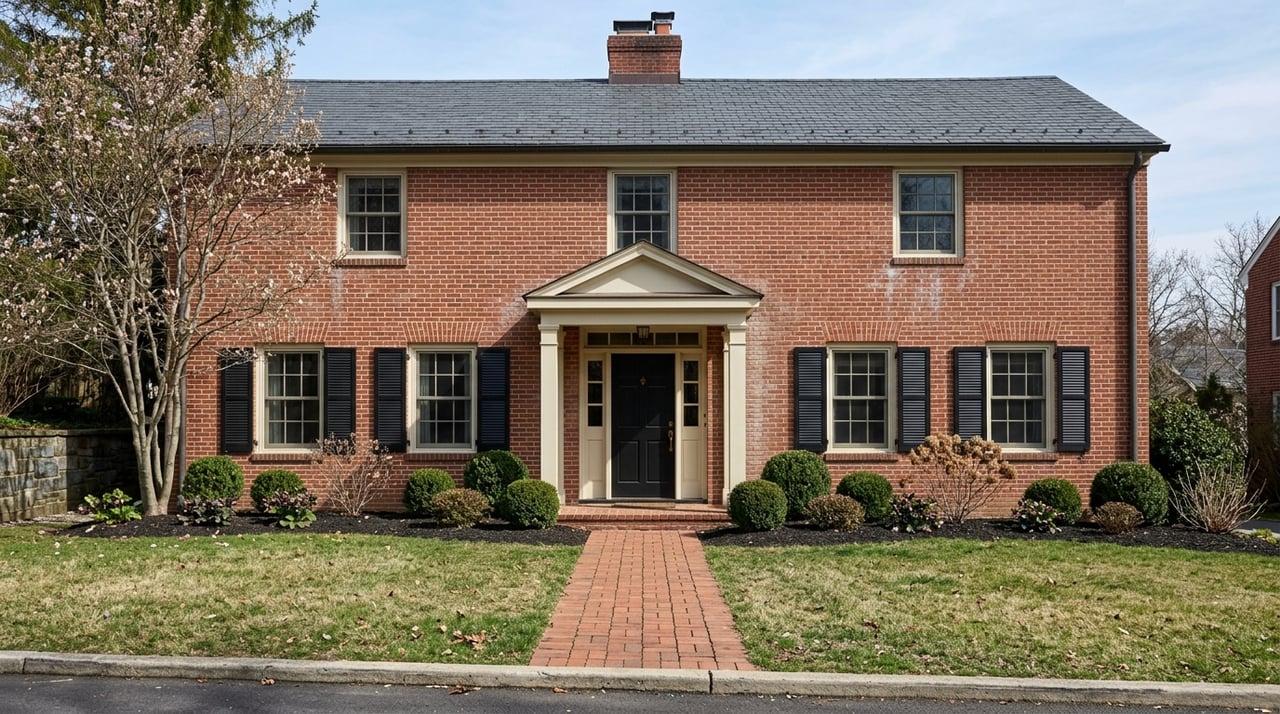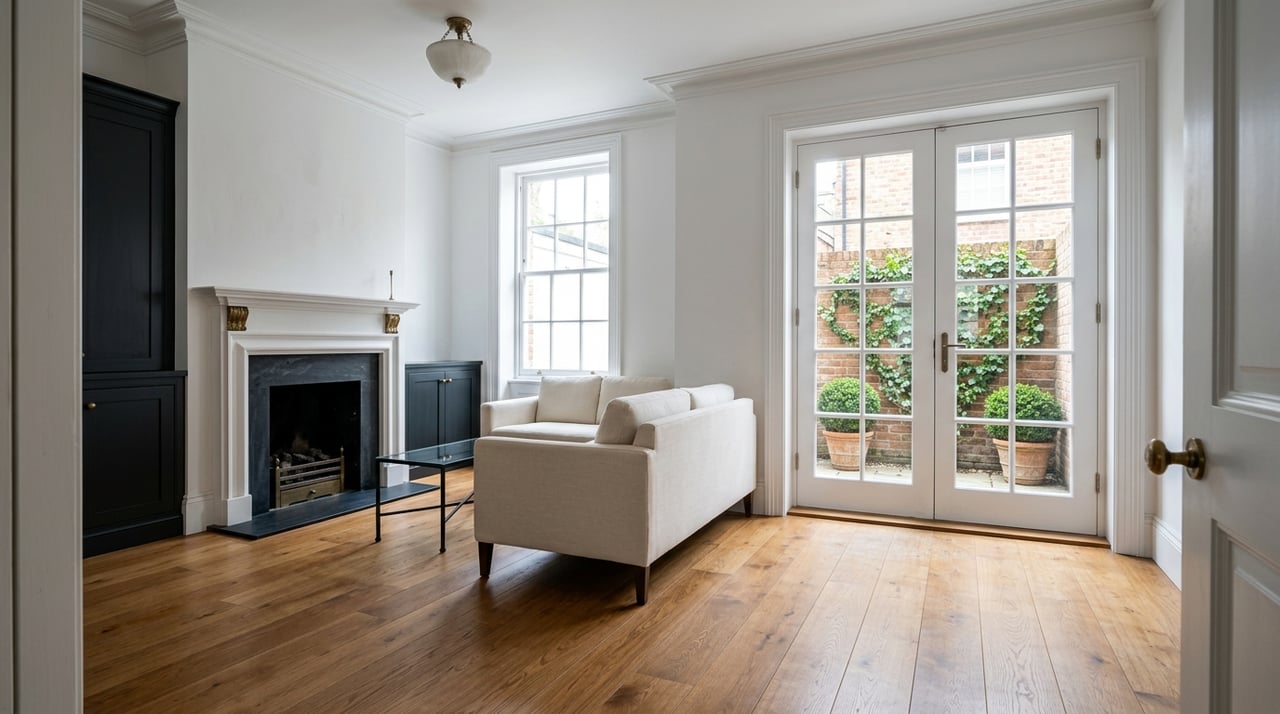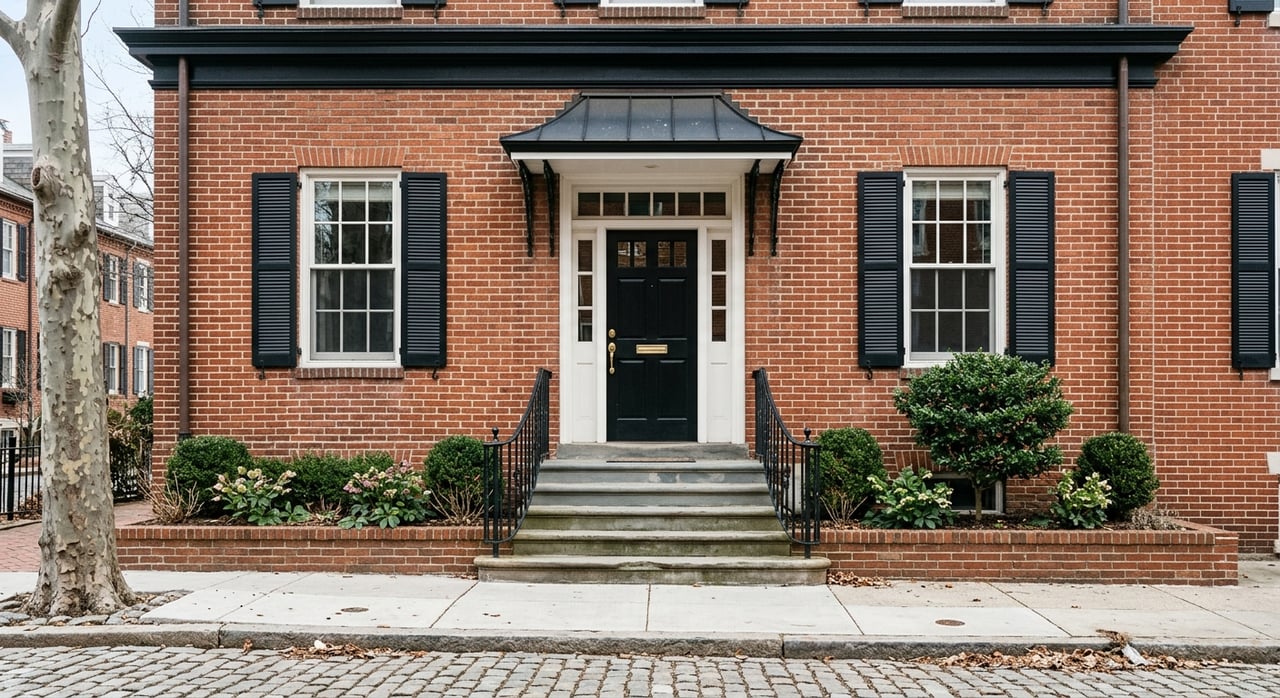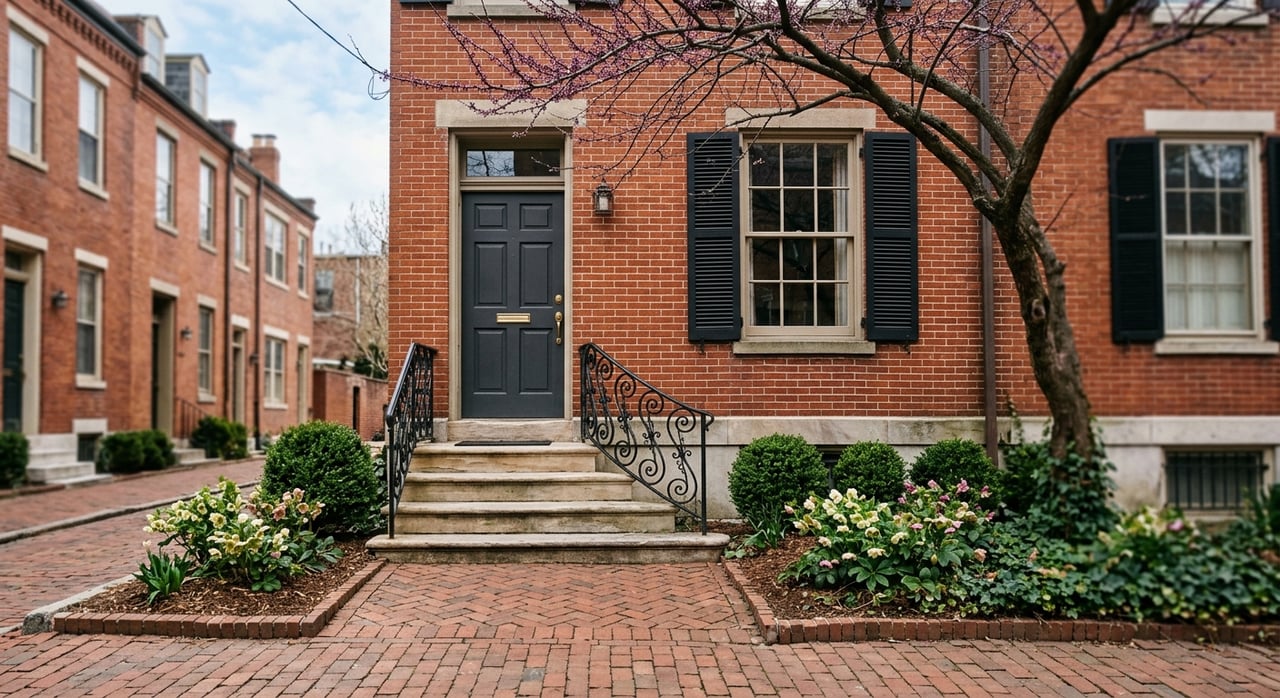
Thinking about renovating your Capitol Hill home but worried about overspending or getting tripped up by historic rules? You’re not alone. In this neighborhood, smart updates can boost buyer appeal while the wrong moves can slow permits or strain your budget. In this guide, you’ll learn which projects typically protect resale value, what DC’s historic and building rules require, and a simple plan to move forward with confidence. Let’s dive in.
What protects value on Capitol Hill
Renovations that balance cost, buyer appeal, and execution risk tend to perform best. National benchmarks from the annual Cost vs. Value study show consistent strength for minor kitchen remodels, midrange bath updates, deck additions, and thoughtful energy upgrades. Use those rankings as a starting point, then calibrate your finish level to nearby sales and your property type.
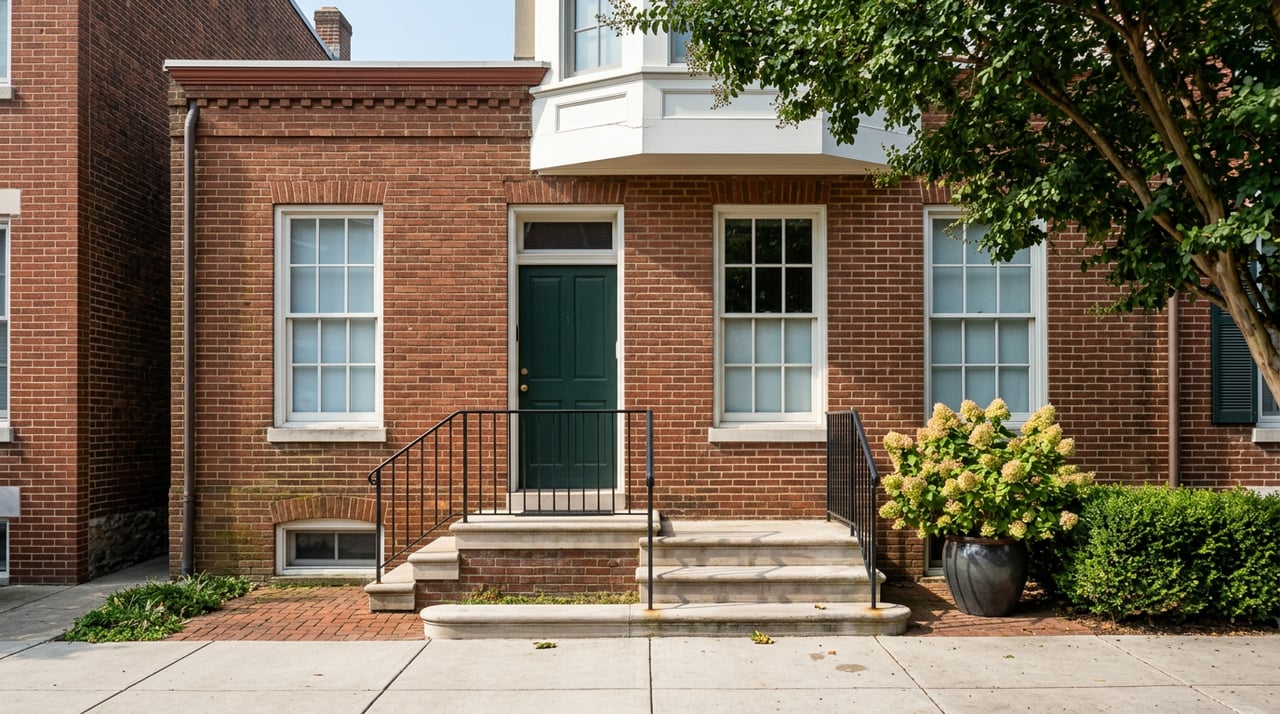
Capitol Hill is a designated historic district, and visibility from public space matters. Interior changes rarely require preservation review, but exterior work visible from the street often does. Early contact with the Historic Preservation Office can save time and redesign costs by clarifying what is likely to be approved.
Finally, structural complexity raises both upside and risk. Basement dig-outs, roof-level additions, and party-wall changes can add livable space but also add engineering, neighbor coordination, and inspection requirements. Plan for that scope only when the expected resale value supports it.
High-impact updates to prioritize
Kitchens: refresh over full gut
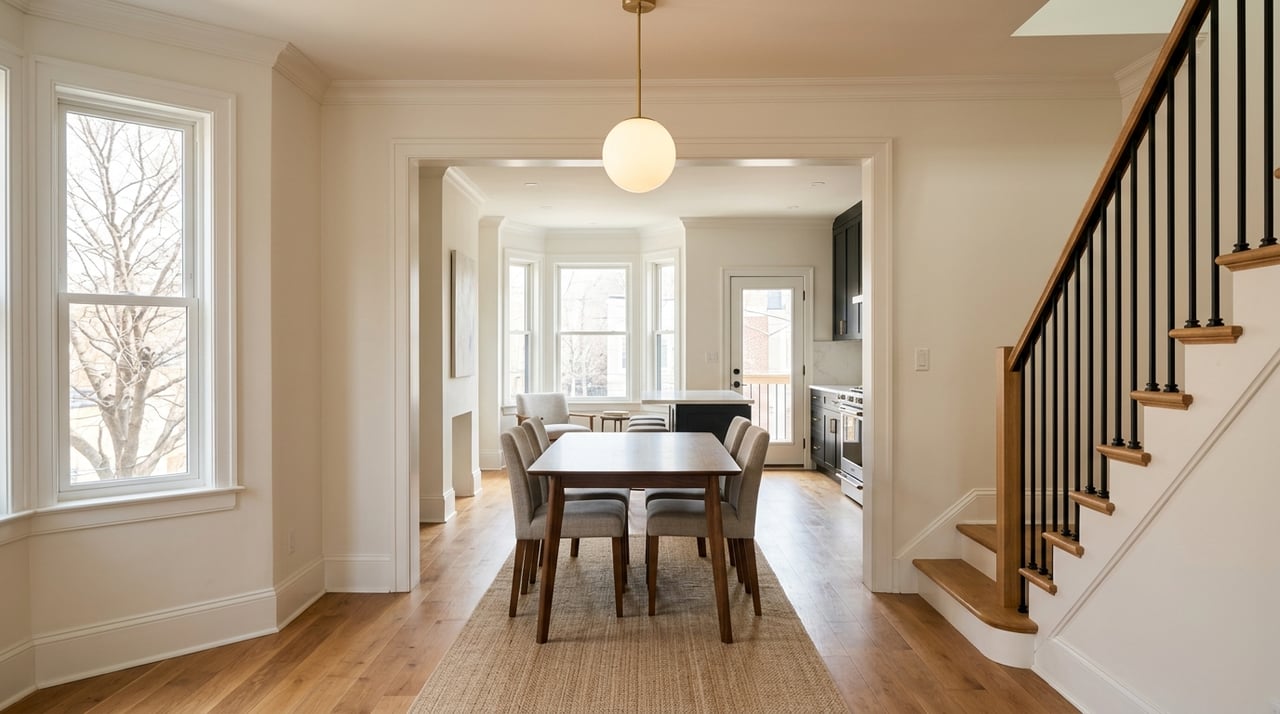
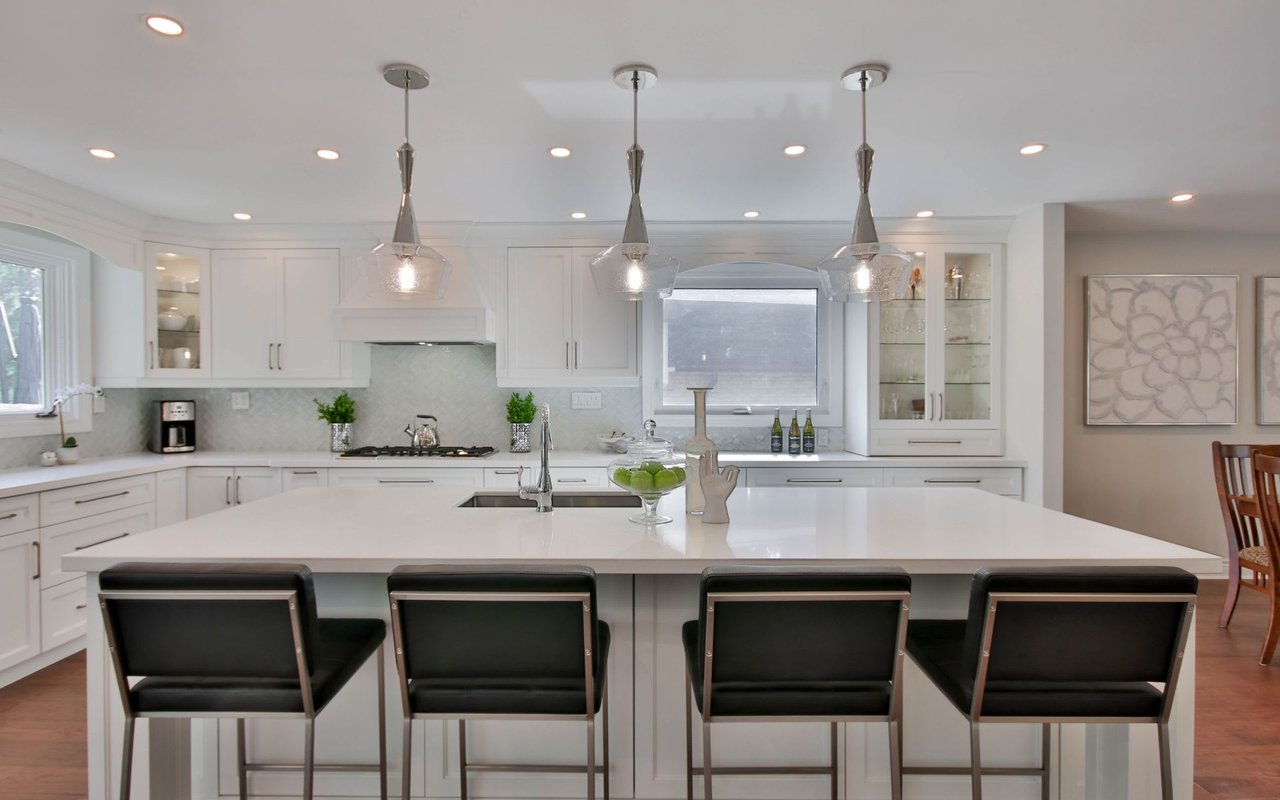
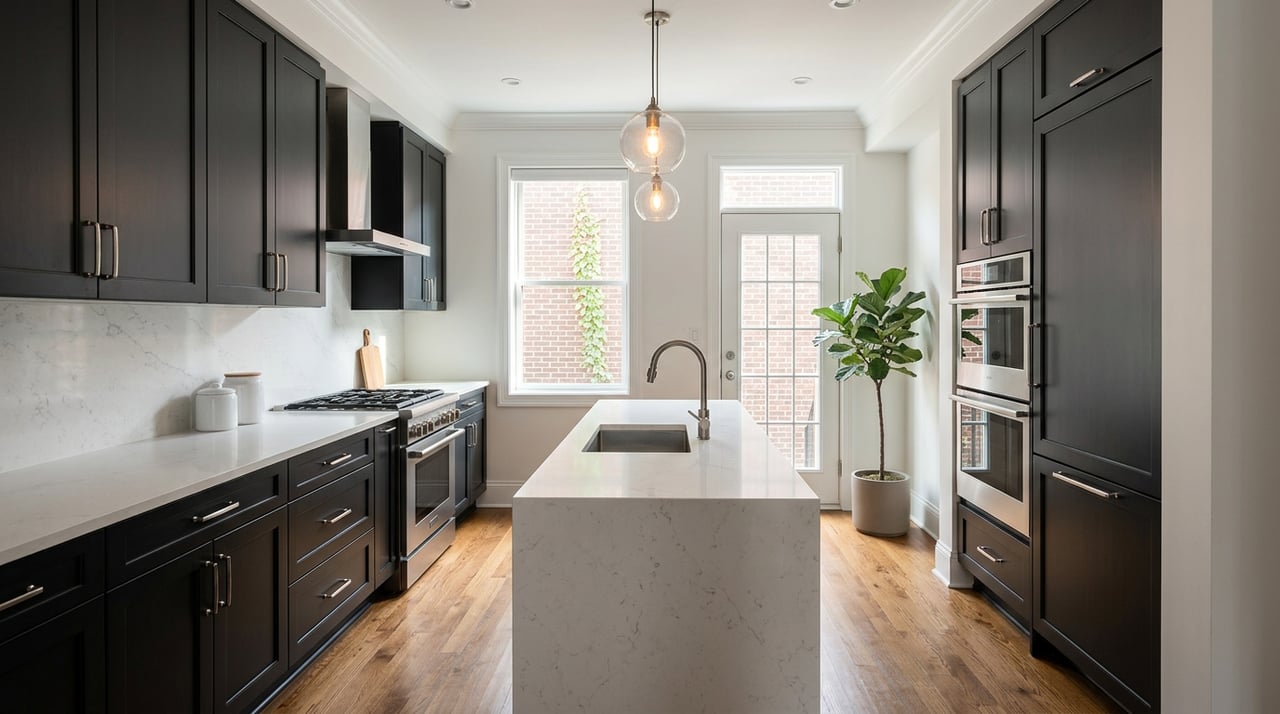
According to the 2025 Cost vs. Value report, a minor or midrange kitchen remodel recouped about 113 percent nationally, while upscale full-gut projects returned less on average. Focus on what buyers notice first: cabinetry refinishing or refacing, durable countertops, efficient appliances, better lighting, and improved storage. On Capitol Hill, keep the original circulation where possible and avoid changes that affect the primary façade. Start with a target finish level that matches your local comps, then choose materials that present well without overspending. Source: Cost vs. Value
Bathrooms: clean, functional, and on-budget
Midrange bathroom remodels also rank well nationally, with around 80 percent of cost recouped. You can usually achieve the look buyers want with new tile, a modern vanity, updated fixtures, and better lighting. Try to keep plumbing in place to control cost and timeline. If you are adding a bath, confirm with your agent how an extra bathroom is valued in your price tier before you open walls. Source: Cost vs. Value
Outdoor space: rear decks shine, roof decks require care
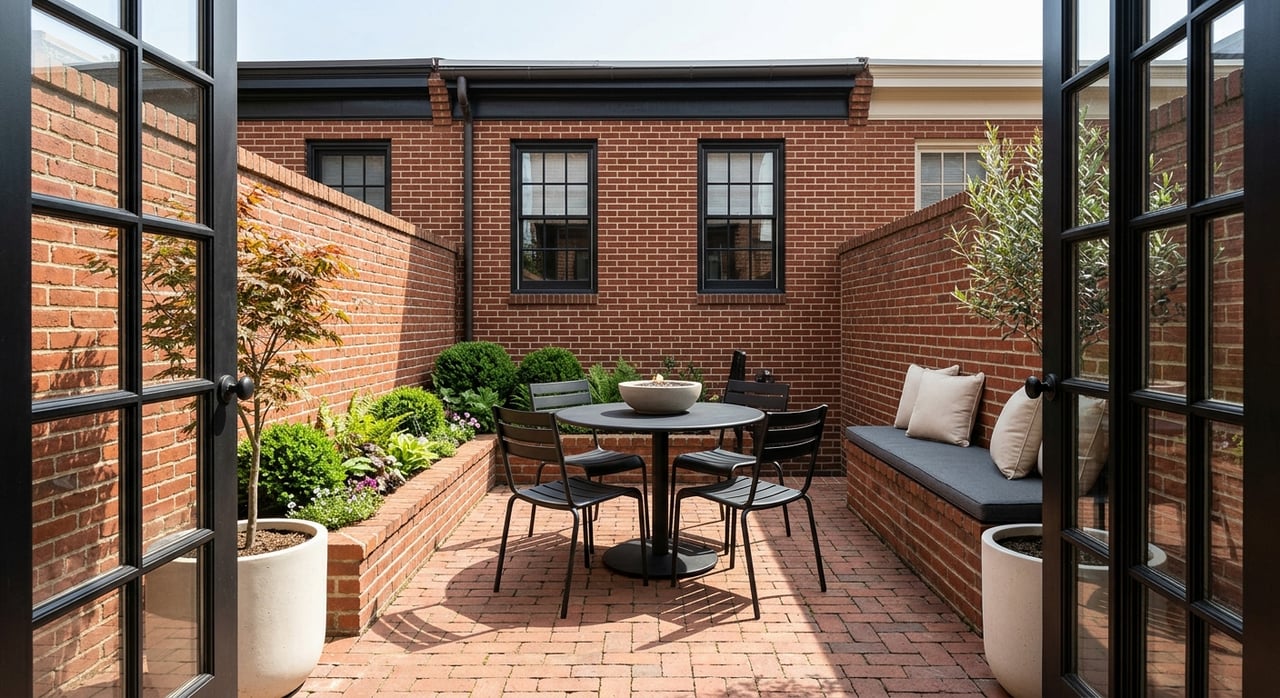
Deck additions routinely score near the top of return on investment, with wood decks recouping about 95 percent nationally. In Capitol Hill, rear decks or patios that are not visible from the primary street tend to be more straightforward and still deliver strong buyer appeal. Roof decks are possible but need careful planning: HPO and the Historic Preservation Review Board often require decks to be set back so railings and elements are not visible from the street, and staff may ask for mock-ups to test visibility. Review recent staff guidance before you design. See a sample HPRB staff report on visibility
Basements: added space with added complexity
Finishing a basement can add a family room, office, or guest suite and shows a meaningful national recoup figure around 71 percent. In DC rowhouses, costs can rise quickly if you plan to dig down or underpin to gain ceiling height. Underpinning and similar structural work often triggers DC’s Third-Party Special Inspections program and formal neighbor notifications, which add time, cost, and checkpoints. If you pursue this route, hire a structural engineer early and plan for required inspections and party-wall procedures. Review the Third-Party Special Inspections manual and DC Building Code Part 1, including 12A DCMR §3307 on neighbor notification
Energy efficiency and electrification: marketable and incentivized
Buyers increasingly value lower operating costs and comfort. DC and federal programs can materially reduce the net cost of heat pumps, insulation, and weatherization if you qualify. Start by checking local programs administered through the DC Sustainable Energy Utility and DOEE, then review federal guidance on the Inflation Reduction Act energy credits so you can plan scope and documentation. Properly documented upgrades can strengthen your listing story and appraisal file. Explore DCSEU program information and IRS energy credit FAQs
Condos: approvals before alterations
If you own a condo, your governing documents control what you can change. Alterations to windows, doors, balconies, roofs, or other common or limited common elements usually need board approval and may be restricted. DC case law supports boards enforcing these rules, so secure written approval and follow procedures before you start. Interior cosmetic updates inside the unit are typically simpler. Read a DC Court of Appeals case on condo authority
Historic district rules to know
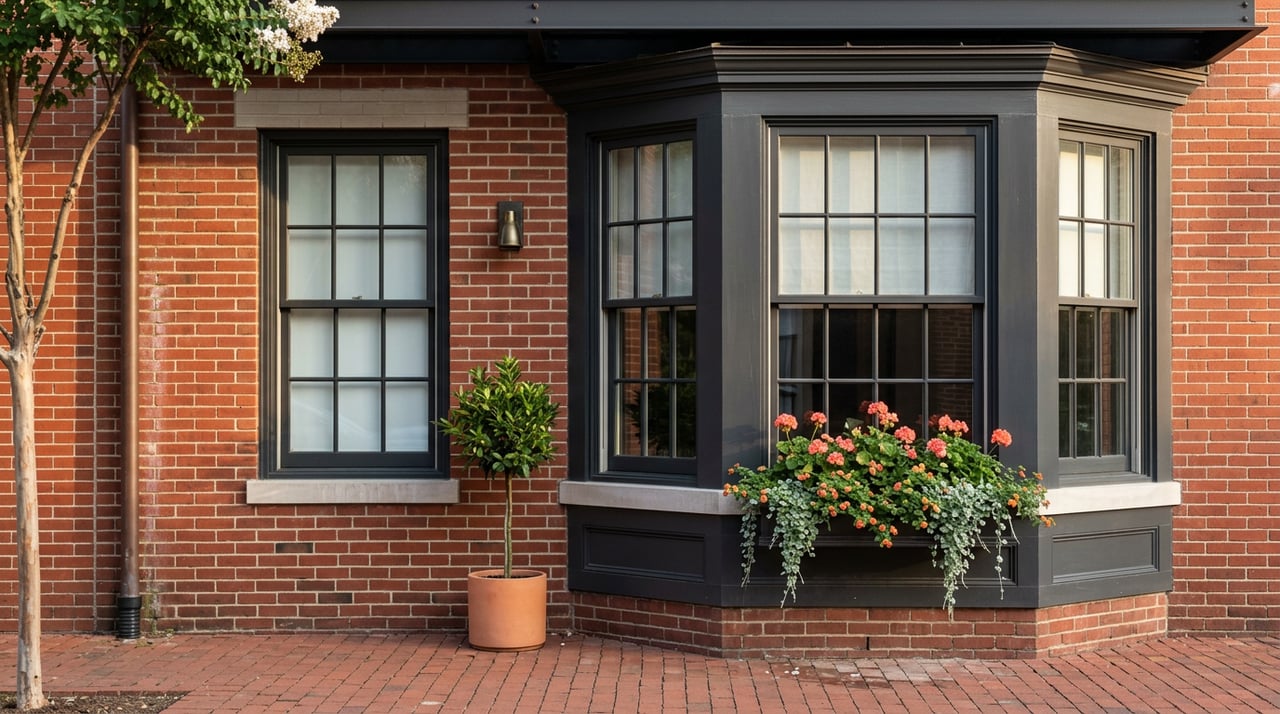
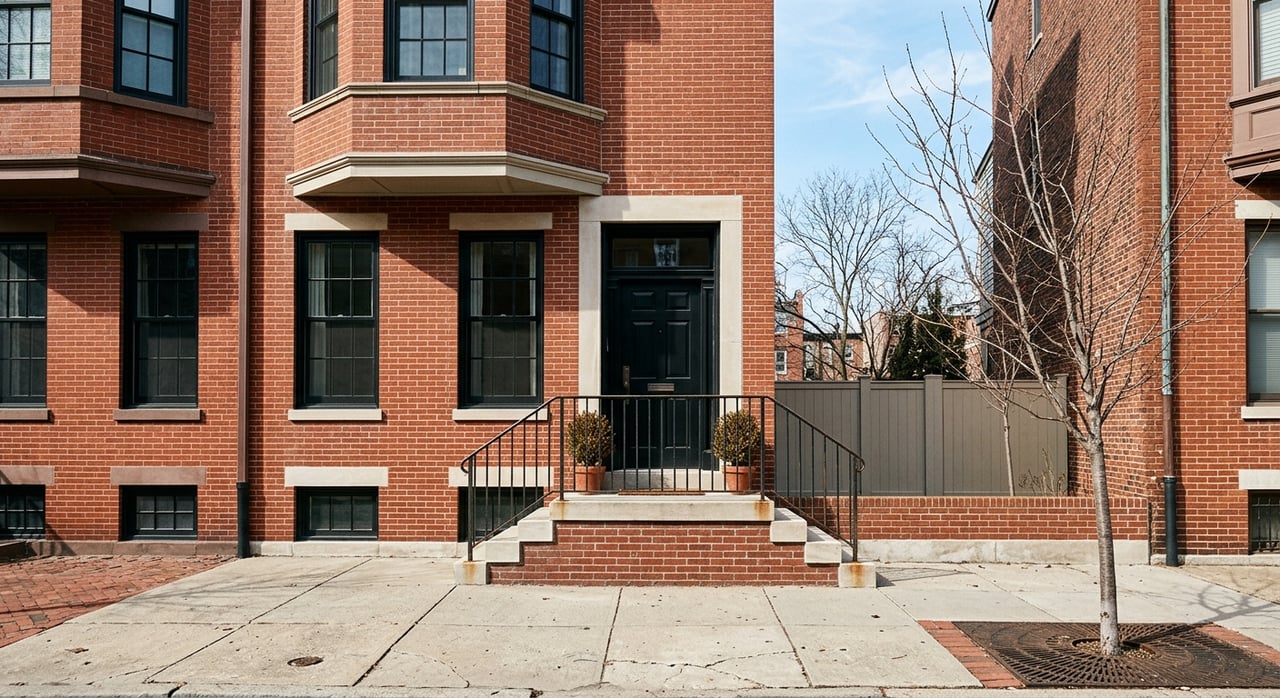
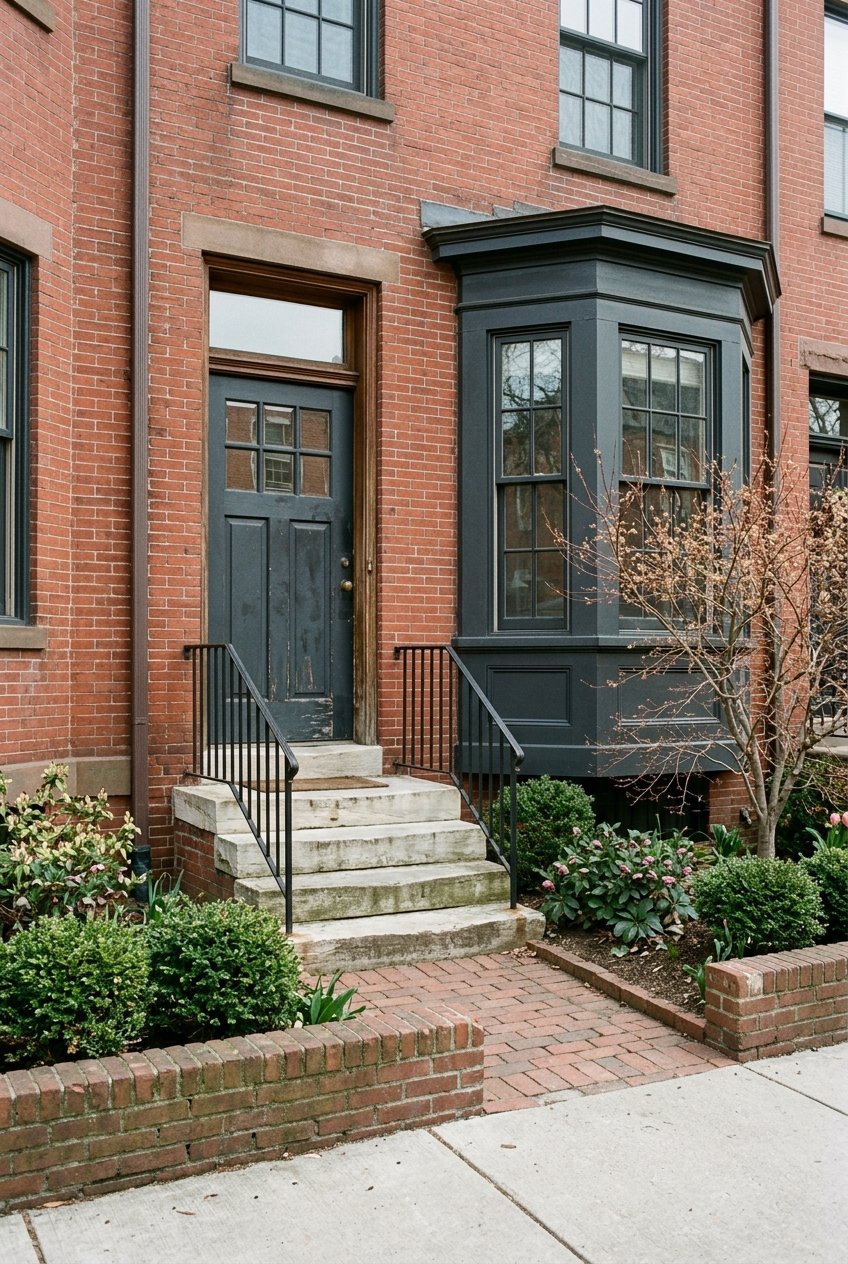
Capitol Hill’s historic designation means visibility from public space is a key test for exterior work. Interior updates are usually fine from a preservation perspective, but changes to façades, stoops, front doors, windows, and rooflines often require review. Start with the district’s official resources, then contact HPO staff early to confirm whether you need an administrative sign-off or an HPRB concept review. Early guidance helps you pick compatible materials and avoid design changes later. Capitol Hill Historic District overview and HPRB concept review guidance
For roof decks and rooftop equipment, expect staff to focus on visibility. Setbacks, lower rail profiles, and careful stair placement often make the difference between approval and redesign. Mock-ups or a stick test are commonly requested before final sign-off. See staff examples of visibility findings
Permits, inspections, and timeline
Structural and below-grade work in DC comes with defined checkpoints. Underpinning and significant excavations typically fall under the Third-Party Special Inspections program, which sets credentials and procedures for independent inspectors and requires documented hold points during construction. Adjoining owner notifications and public postings are also required for certain excavations and structural supports. These are code requirements, not discretionary steps. Third-Party Program manual and DC Building Code reference
Timelines vary by scope. Small interior projects like a kitchen or bath refresh may run from weeks to a few months. Major exterior or structural projects that need HPRB and building permits often require several months for design and approvals, plus construction time. For complex underpinning, add schedule for inspections and neighbor coordination, and include contingency for unknowns.
Your pre-renovation checklist
- Align scope with resale: Ask your local agent to run comps and define the finish level buyers expect in your price band before you set a budget.
- Verify preservation needs: For any exterior or rooftop change, contact HPO staff early to confirm whether you need HPRB concept review and how to handle visibility tests. Start with HPRB concept review guidance
- Plan structural work: If digging down or altering supports, hire a structural engineer, obtain stamped drawings, and budget for third-party inspections and party-wall notifications. Third-Party Program overview and DC Building Code reference
- Confirm condo approvals: If you are in a condominium, review your declaration, bylaws, and rules, and secure written board approval for any work that affects common elements. DC case example
- Map incentives: Check DCSEU and federal IRA credit rules early so you can time purchases and keep the right documentation. DCSEU programs and IRS energy credit FAQs
- Add contingency: For larger projects, carry 15 to 25 percent for structural surprises, long-lead items, and potential design changes from HPO or permit reviewers.
Right-size finishes to your block
The best returns usually come from meeting buyer expectations, not outbuilding the street. In Capitol Hill, many buyers want historic character plus modern kitchens and baths, comfortable outdoor space, and lower energy costs. Choose materials that present a crisp, timeless look and emphasize function. A strong, well-documented scope will often sell faster and with fewer concessions than a luxury overhaul that overshoots the neighborhood.
Protect your resale with expert guidance
When you are ready to plan, pair market insight with process management. Infinity Group brings a boutique, advisory approach backed by Compass-level marketing, white-glove presentation, and concierge-enabled pre-sale improvements. We help you right-size scope to local comps, coordinate strategic updates, and package improvements for buyers and appraisers. If you are considering kitchens, baths, outdoor space, basements, or energy upgrades on Capitol Hill, let’s talk strategy early so your dollars do the most good.
Ready to protect your resale value and timeline? Connect with the Infinity Group to Request a Private Market Consultation.
FAQs
Do minor kitchen remodels really help resale in Capitol Hill?
- National benchmarks show minor or midrange kitchen remodels recoup a high share of cost, and in Capitol Hill they align well with buyer expectations when you keep the footprint and update finishes. Source: Cost vs. Value
What should I know about roof decks in the Capitol Hill Historic District?
- HPO and HPRB focus on visibility from public space, often requiring decks to be set back so railings and equipment are not visible; early HPO consultation and mock-ups are common. HPRB staff example on visibility
Will a basement dig-out pay off for resale in DC rowhouses?
- Finished basements can add usable space and buyer appeal, but DC’s underpinning rules add time and cost; involve a structural engineer and plan for third-party inspections and neighbor notifications. Third-Party Program manual
Are energy upgrades worth it before listing?
- Many buyers value comfort and lower bills, and incentives can reduce your net cost; document equipment, insulation, and credits or rebates for buyers and appraisers. DCSEU programs and IRS energy credit FAQs