If you are choosing between Old Town Alexandria and Georgetown for waterfront living, the decision is less about whether both are charming and more about what kind of historic lifestyle fits you best. Both offer river views, preserved architecture, walkable streets, and strong dining scenes, but the day-to-day experience feels different once you look past the postcard appeal. This guide will help you compare character, lifestyle, commuting, pricing, and taxes so you can decide which waterfront setting better matches your goals. Let’s dive in.
Historic character and preservation
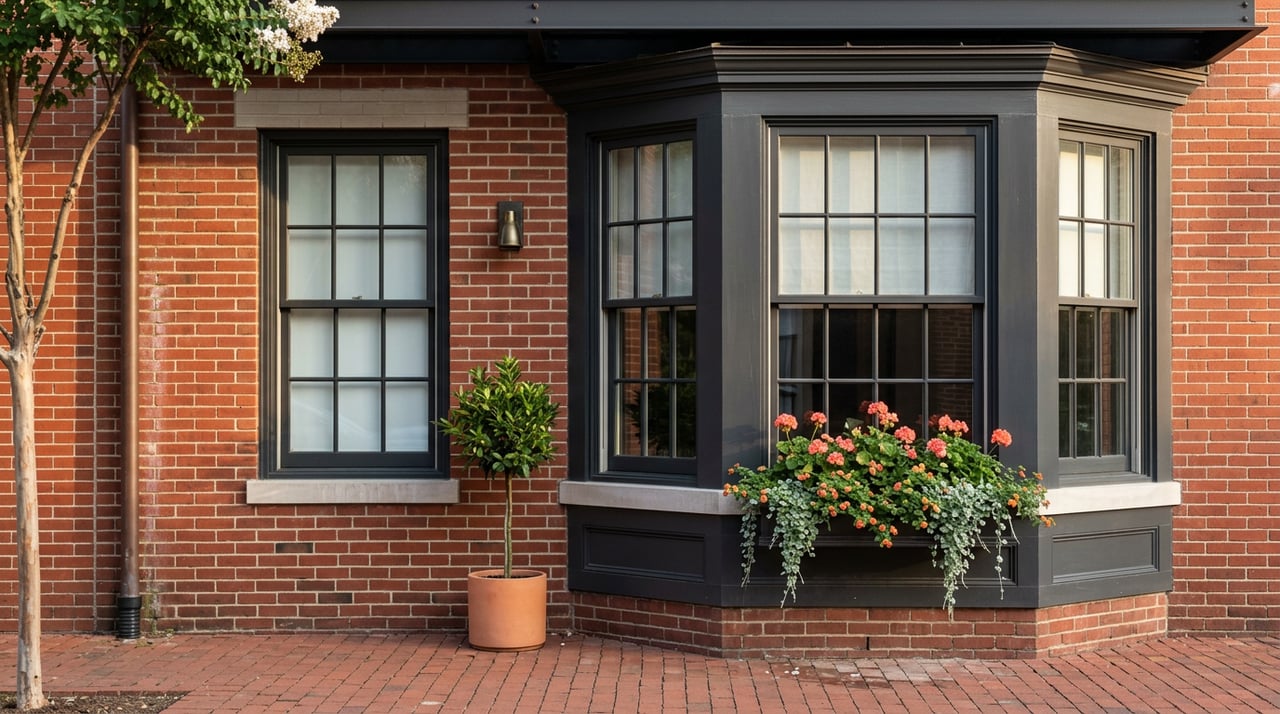
Old Town Alexandria and Georgetown both stand out for their historic identity, but they are protected in different ways. In Alexandria, Old Town is the city’s historic urban core, and much of it falls within a National Register Historic District. Exterior changes in the local historic district are reviewed by the city’s Board of Architectural Review.
Georgetown follows a more federally influenced preservation process. Its historic district, established in 1950, was the first historic district in Washington and is also a National Historic Landmark. Most exterior work is reviewed under the Old Georgetown Act by the U.S. Commission of Fine Arts and the Old Georgetown Board, which creates a different approval environment than Old Town’s city-based review structure.
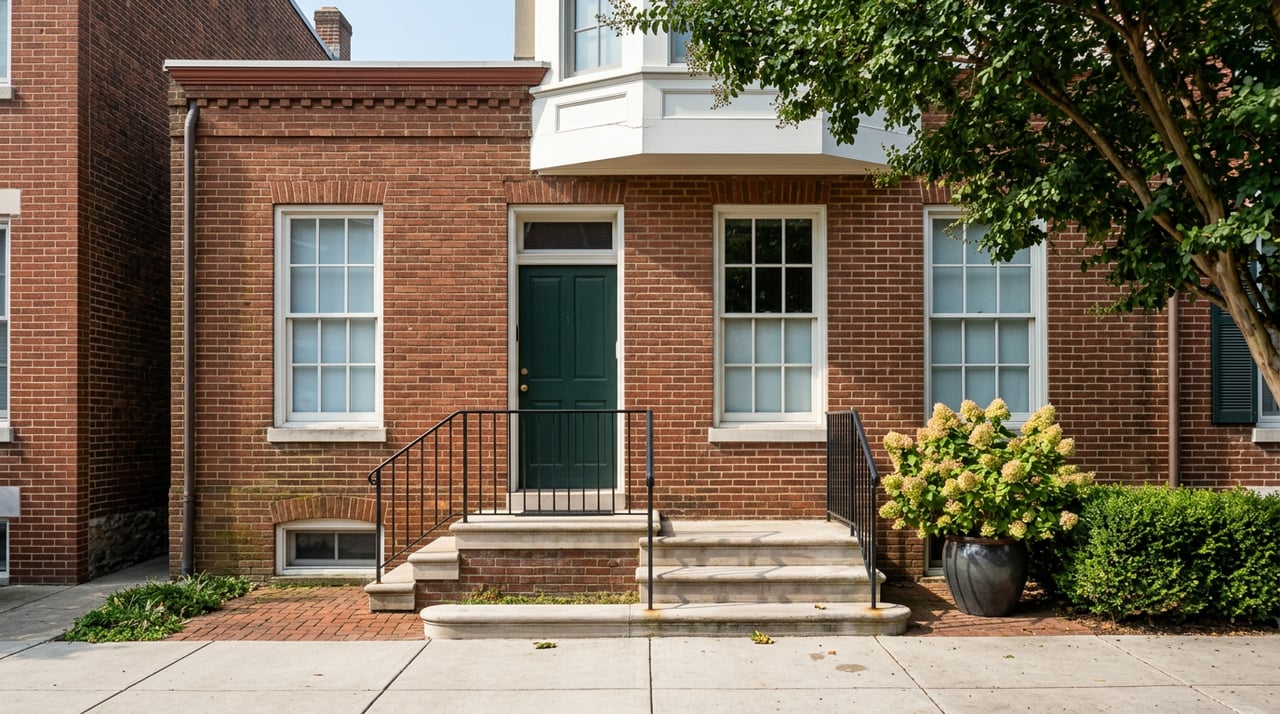
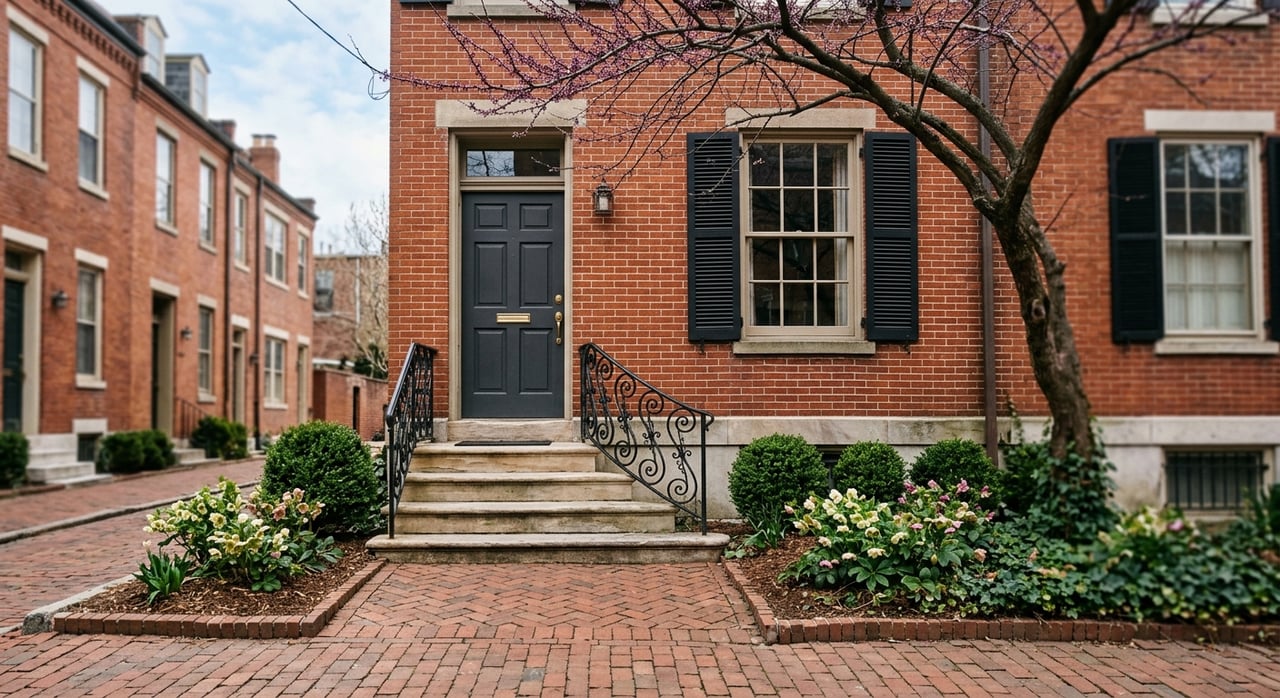
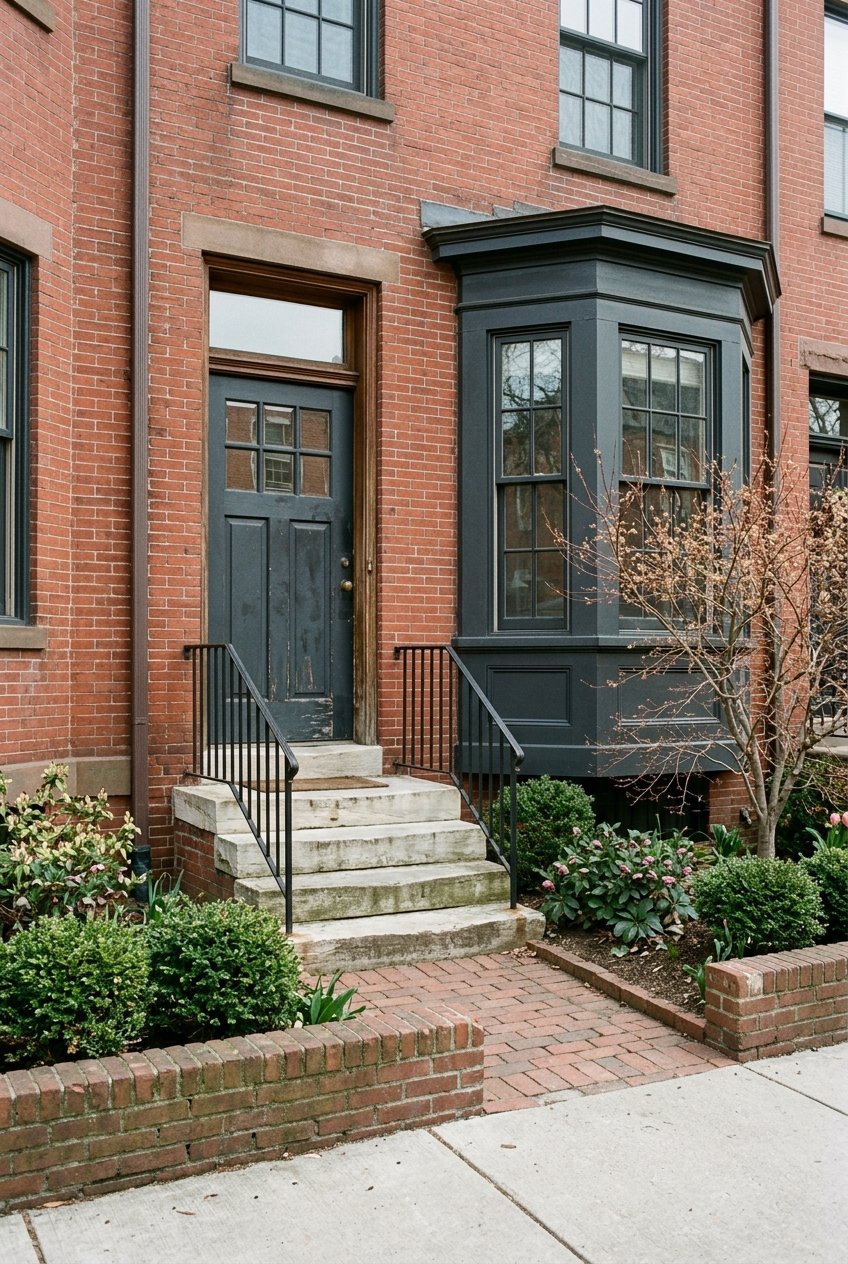
That distinction matters if you are buying a historic home and expect to update or maintain it over time. In both neighborhoods, preservation is a serious priority. The difference is that Old Town often feels more like a compact colonial river town, while Georgetown presents as a larger and more formal historic district with a broader mix of residential, retail, and institutional buildings.
Waterfront lifestyle and atmosphere
Old Town feels tied to downtown
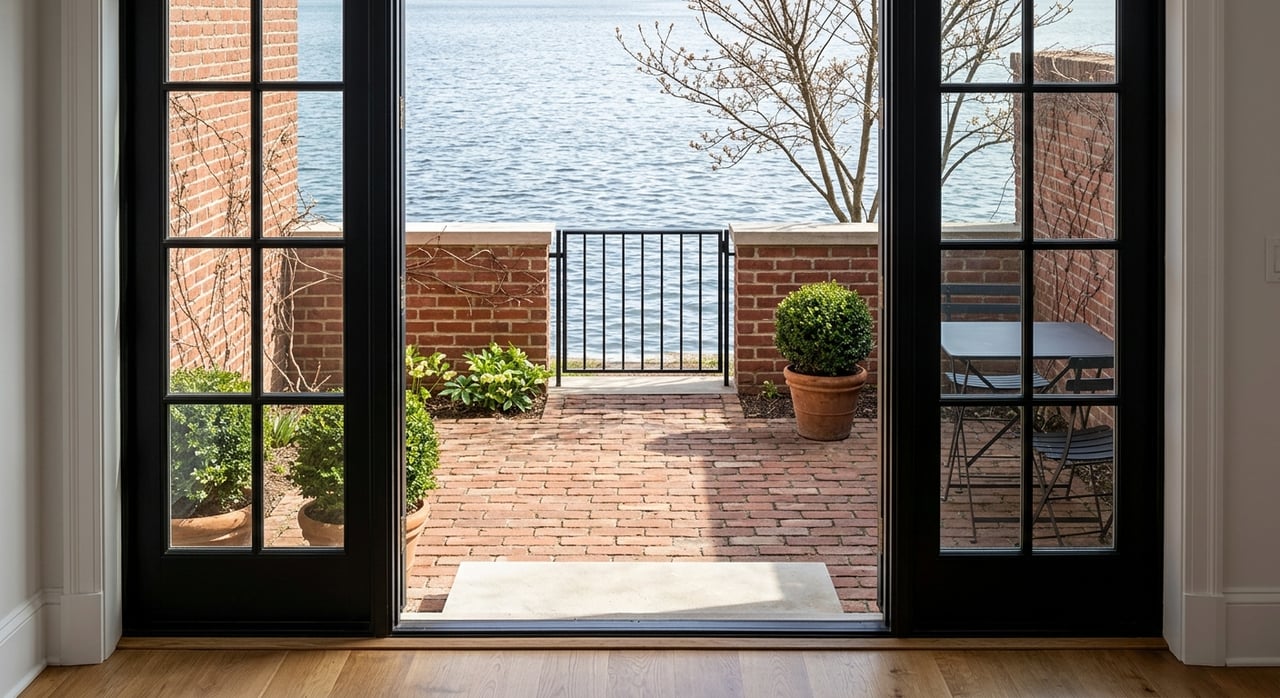
One of Old Town’s biggest advantages is how closely the waterfront connects to everyday life. The city describes Waterfront Park as a seamless transition between the historic retail corridor and the river, with a promenade, shade structures, and ongoing flood-mitigation work. In practical terms, the water feels woven into the neighborhood rather than set apart from it.
Old Town also has a strong dining identity along the river. Official visitor materials highlight riverfront destinations such as Ada’s on the River, BARCA Pier & Wine Bar, and Vola’s Dockside Grill, alongside a broader network of local restaurants and boutiques. According to Visit Alexandria, the neighborhood includes more than 200 independent restaurants and boutiques.
Georgetown feels more like a destination
Georgetown’s waterfront has a different rhythm. The Georgetown Waterfront Park stretches from 31st Street NW to Key Bridge and spans about 10 acres, with river steps, benches, overlooks, a seasonal fountain, and a largely car-free promenade. It feels more like a destination park edge, with a wider public draw and a stronger recreation component.
The broader neighborhood also supports a denser retail and dining ecosystem. Georgetown’s official materials note more than 450 stores, restaurants, and institutions, which reinforces its reputation as a central DC destination. If you want a waterfront setting with a polished, high-energy feel and more retail volume, Georgetown may be the better match.
Walkability and commuting
Both neighborhoods are highly walkable, and the difference in walk scores is minimal. Redfin’s neighborhood data currently rates Old Town at 84 out of 100 and Georgetown at 85 out of 100. In real life, both areas support daily errands, dining, and recreation on foot.
The bigger difference is transit access. Alexandria’s official transportation resources note that the city is served by five Metrorail stations, Amtrak, water taxi service, and the free King Street Trolley. The city also says King Street-Old Town is on the Blue and Yellow lines, and the trolley runs every 15 minutes between the station and City Hall/Market Square.
Georgetown works differently. The neighborhood’s official FAQ states that Georgetown does not have its own Metro station, although Foggy Bottom-GWU is about a 15-minute walk away. That means Georgetown often works best for buyers who are comfortable relying on walking, buses, bikes, or rideshare, while Old Town tends to be more convenient if direct rail access is a priority.
Price differences to expect
If budget is part of your comparison, Georgetown typically sits at the higher price point. Zillow’s home value index for Old Town Alexandria shows a February 28, 2026 value of $1,225,424, while the research report notes Georgetown at $1,499,938 on the same measure. Redfin’s February 2026 median sale prices show the same pattern, with Old Town at $1,175,000 and Georgetown at $1,726,000.
The exact gap will vary by property type, condition, and location within each neighborhood. Still, the broader story is consistent. Old Town remains a premium waterfront market, but Georgetown usually commands more.
Here is a simple side-by-side view:
| Category | Old Town Alexandria | Georgetown |
|---|---|---|
| Walk Score | 84 | 85 |
| Metro Access | Direct access via King Street-Old Town | No neighborhood Metro station |
| Home Value Index | $1,225,424 | $1,499,938 |
| Median Sale Price | $1,175,000 | $1,726,000 |
| Property Tax Rate | $1.135 per $100 assessed value | $0.85 per $100 assessed value |
Tax considerations for buyers
Taxes can influence the decision just as much as the purchase price. Virginia’s individual income tax schedule starts at 2% and tops out at 5.75% over $17,000 of taxable income. By comparison, DC’s income tax starts at 4% and rises to 10.75% for income over $1 million.
Property taxes move in the opposite direction. Alexandria’s FY 2026 approved residential real estate tax rate is $1.135 per $100 of assessed value, while DC’s current residential property tax rate is $0.85 per $100. For some buyers, that means Old Town may offer a lower purchase price but a higher base property tax rate, while Georgetown places you in DC’s income tax system with a lower residential property tax rate.
This is especially important if you are relocating within the DMV or moving from another state. Your ideal choice may depend on your income profile, ownership plans, and how long you expect to stay in the home.
Which waterfront lifestyle fits you?
Choose Old Town if you want ease
Old Town Alexandria is often the stronger fit if you want a historic waterfront lifestyle that feels intimate, walkable, and connected to daily routines. The direct Metro access, free trolley, compact downtown layout, and somewhat lower price point can make it especially appealing if you want convenience without giving up charm.
It can also be a smart fit if you value a more neighborhood-scaled dining scene and a city-managed preservation environment. For many buyers, Old Town offers a balanced mix of architecture, accessibility, and waterfront living.
Choose Georgetown if you want prestige
Georgetown is often the stronger choice if you want a classic DC address with a larger retail and dining ecosystem, slightly stronger walkability, and a more polished historic waterfront setting. You may be paying more for that experience, but many buyers see value in the neighborhood’s scale, visibility, and long-established reputation.
It can be especially compelling if your lifestyle already centers on central DC and you do not mind the lack of a dedicated Metro stop. If your priority is prestige, shopping, and a high-energy urban environment, Georgetown may feel like the better fit.
How Infinity Group helps you compare both
When you are choosing between two premium waterfront neighborhoods, the right answer is rarely just about list price. You need a clear view of lifestyle tradeoffs, local inventory, historic-home considerations, and the financial impact of buying in Virginia versus DC.
That is where Infinity Group can help. With deep Georgetown and DMV market knowledge, a boutique advisory approach, and data-informed guidance, Infinity Group can help you compare options, evaluate value, and move forward with confidence. If you are weighing Old Town Alexandria versus Georgetown waterfront living, request a private market consultation and get tailored advice for your next move.
FAQs
What is the main lifestyle difference between Old Town Alexandria and Georgetown waterfront living?
- Old Town Alexandria generally feels more compact, neighborhood-oriented, and closely tied to daily downtown life, while Georgetown usually feels larger, more retail-dense, and more like a destination waterfront district.
Which neighborhood has better transit for commuters: Old Town Alexandria or Georgetown?
- Old Town Alexandria has the clearer transit advantage because it offers direct Metro access through King Street-Old Town, while Georgetown does not have its own Metro station.
Are home prices higher in Georgetown or Old Town Alexandria?
- Georgetown is generally the more expensive market, with higher recent home value and median sale price figures than Old Town Alexandria.
How do property taxes compare between Alexandria and Washington, DC?
- Alexandria has a higher residential property tax rate at $1.135 per $100 of assessed value, while DC’s residential property tax rate is $0.85 per $100 of assessed value.
Is Old Town Alexandria or Georgetown better for historic-home buyers?
- Both are strong choices for historic-home buyers, but they use different preservation systems, with Old Town operating through city-based review and Georgetown following a more federally controlled review process.