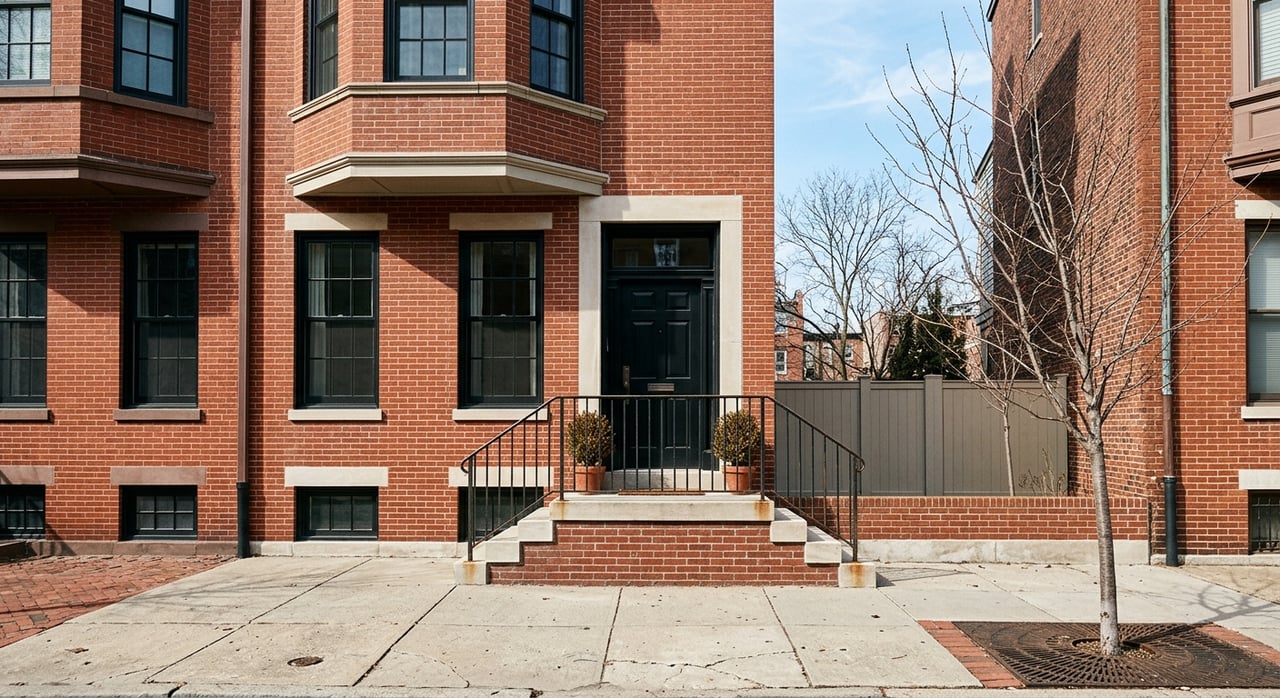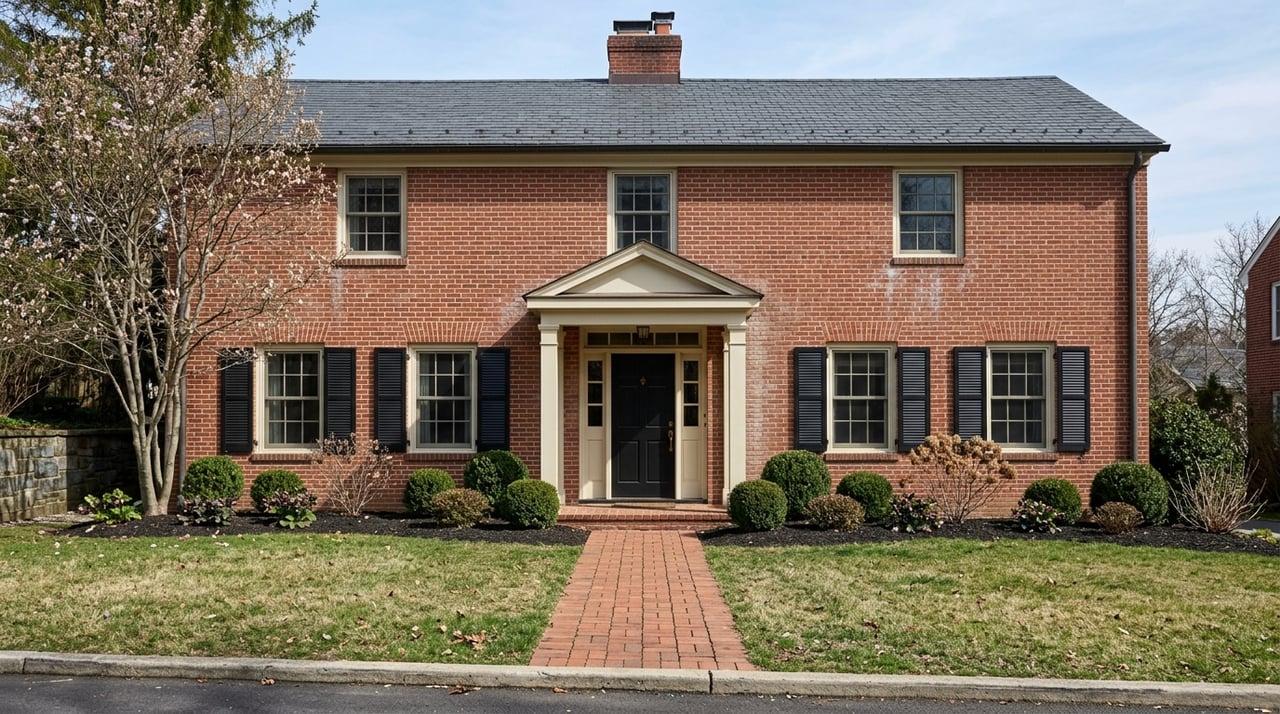
Selling a historic Georgetown home is not the same as selling a typical rowhouse or townhouse anywhere else in DC. If you are getting ready to list, you are likely balancing two goals at once: present the home beautifully and protect the details that make it valuable in the first place. With the right prep plan, you can avoid costly missteps, stay aligned with Georgetown’s review process, and bring your home to market with confidence. Let’s dive in.
Why Georgetown prep requires a different strategy
Georgetown has a distinct historic review process for exterior work. Under the Old Georgetown framework, the Old Georgetown Board conducts the primary review for most Georgetown projects, and exterior changes visible from a public street or alley can trigger review.
That matters because updates that seem simple in other neighborhoods may require more thought here. Window and door replacements, visible lighting or wiring, mechanical equipment, site changes, and some rear work that is still visible from public space may all fall under review.
For most sellers, that means the best pre-listing strategy is usually not a full modern makeover. In Georgetown, value is often better protected through repair-focused, historically compatible improvements that respect the home’s original character.
Start with pre-list due diligence
Before you choose paint colors or schedule staging, it helps to understand the home’s condition and paperwork. A thoughtful due diligence phase can help you spot issues early, define the right scope of work, and avoid delays once a buyer is under contract.
Consider a pre-sale inspection
A pre-sale inspection is not required, but it can be very useful. According to NAR, these inspections may identify issues in the structure, roof, exterior, plumbing, electrical systems, heating and air conditioning, interiors, ventilation, insulation, and fireplaces.
Depending on the property, additional testing may also be considered for mold, radon gas, lead paint, and asbestos. For an older Georgetown home, this early information can help you decide what should be repaired, disclosed, or simply priced into your selling strategy.
Prepare DC disclosures early
In DC, the seller must deliver a real property disclosure statement before or at the time the buyer signs the purchase agreement. If a required disclosure is delivered after signing, the buyer may have a limited right to terminate under DC law.
That timing makes early preparation especially important. If your home has a long ownership history, gathering records, invoices, permits, and known repair history ahead of listing can make the process smoother.
Address lead paint rules for older homes
Most Georgetown homes were built before 1978, so lead-based paint rules are often relevant. Federal law requires sellers of most pre-1978 housing to disclose known information about lead-based paint hazards and available records, provide the EPA/HUD lead pamphlet, and give buyers time to conduct a lead inspection before contract ratification.
If your prep work may disturb painted surfaces, such as repairs, repainting, or window work, lead-safe practices matter. EPA guidance says paid renovation, repair, and painting work that disturbs painted surfaces in homes built before 1978 generally must be done by certified firms and certified renovators using lead-safe practices.
Focus on repairs that preserve value
When sellers ask where to invest before listing, the answer in Georgetown is often more selective than dramatic. The strongest returns usually come from work that improves condition, function, and presentation without erasing historic character.
Prioritize windows and exterior details
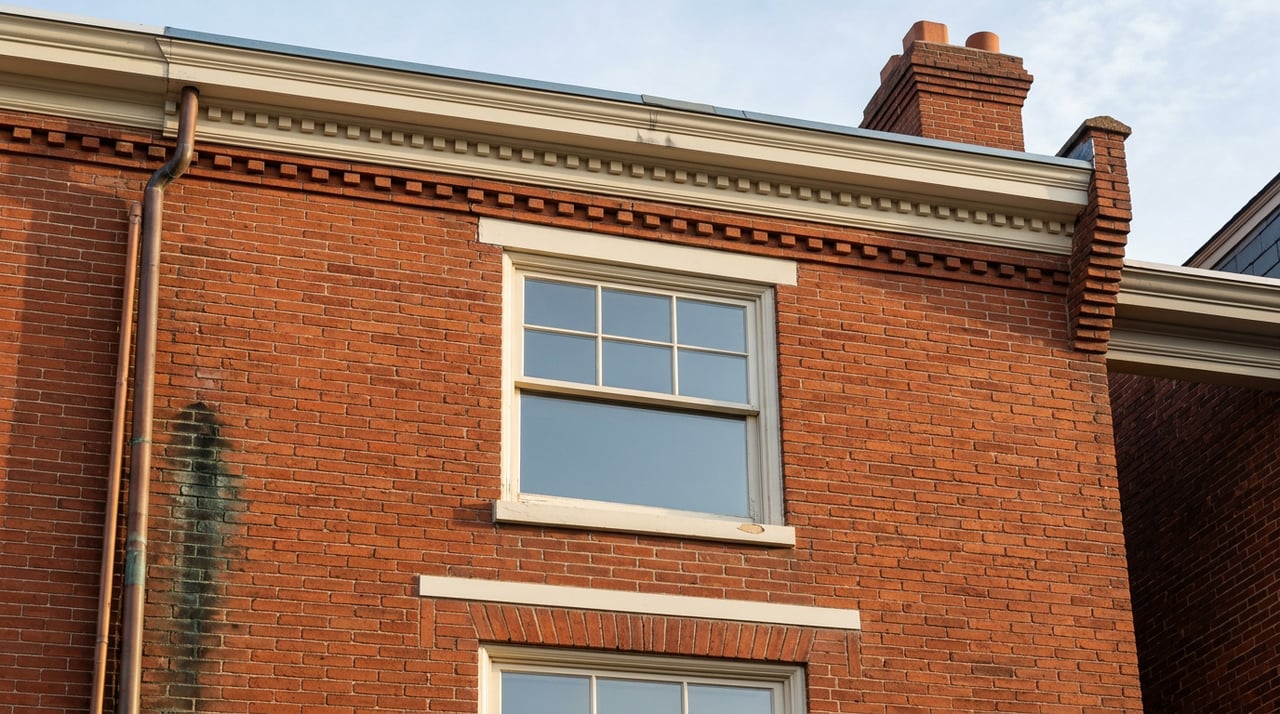
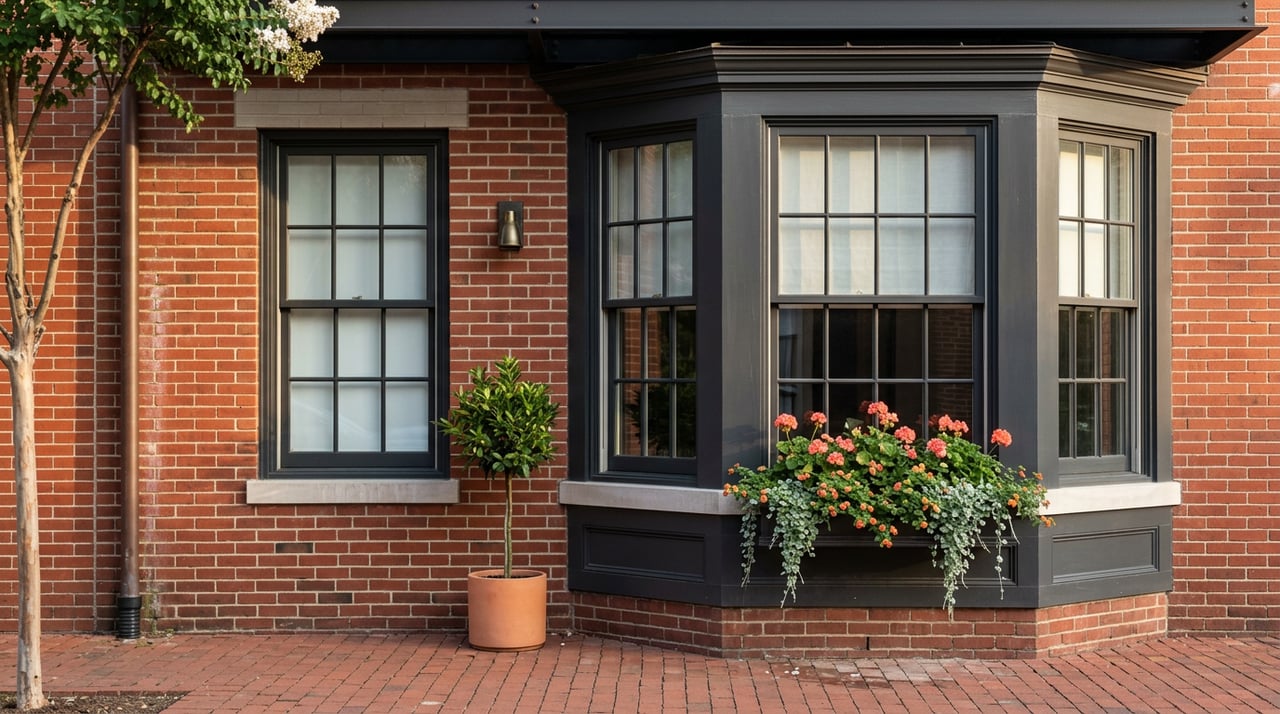
Windows are a major example. The Commission of Fine Arts says windows installed before 1950 should be restored where possible, and when replacement is unavoidable, preferred replacements typically match the building’s style and use compatible materials.
For elevations facing public space, that often means wood, single-glazed, true-divided-light windows are preferred. Where insulated glazing is not appropriate, interior storm windows or energy panels may be acceptable.
Choose maintenance-minded upgrades
DC identifies many types of minor or maintenance work that can support a listing. These include ordinary maintenance, painting and paint color selection, gutters and downspouts, window attachments, reglazing, caulking, weatherstripping, and landscaping.
DC also lists routine work such as roofing and flashing, siding, cornices, moldings, shutters, trim, front steps, walks, fences, and masonry repointing or repair. For sellers, these categories often represent the most practical path to visible improvement without overreaching.
Avoid aggressive exterior changes
Historic homes usually reward restraint. In Georgetown, aggressive or irreversible changes are often a poor fit for a pre-sale timeline, especially if they affect visible exterior elements.
That is especially true with masonry and trim. Repair and compatible replacement are generally better aligned with preservation guidance than novelty-driven substitutions or damaging methods.
Know when review or permits may apply
One of the most common seller mistakes is assuming a project is too small to matter. In Georgetown, exterior work that is visible from public space may move through a review path even when the intent is simply to refresh the home before listing.
Consult early on exterior work
DC’s preservation office encourages early consultation and can help owners understand what documents are needed, whether a site visit is required, and whether a project may be approved administratively or must go to a board.
DC also notes that building permits are needed for many exterior projects, including alterations, repair, additions, decks, fences, and window replacement. HPO clearance is the preservation approval, but Georgetown-visible exterior changes follow the Georgetown review path first.
Build the review timeline into your sale plan
Timing matters in Georgetown. The Old Georgetown Board meets monthly, and submissions are due three weeks before the meeting.
By contrast, DC says clearance for minor work under HPO authority can often be issued in 1 to 3 days once an application is complete. If your prep list includes any visible exterior work, that difference can affect when you should begin planning for a listing launch.
Stage the architecture, not just the rooms
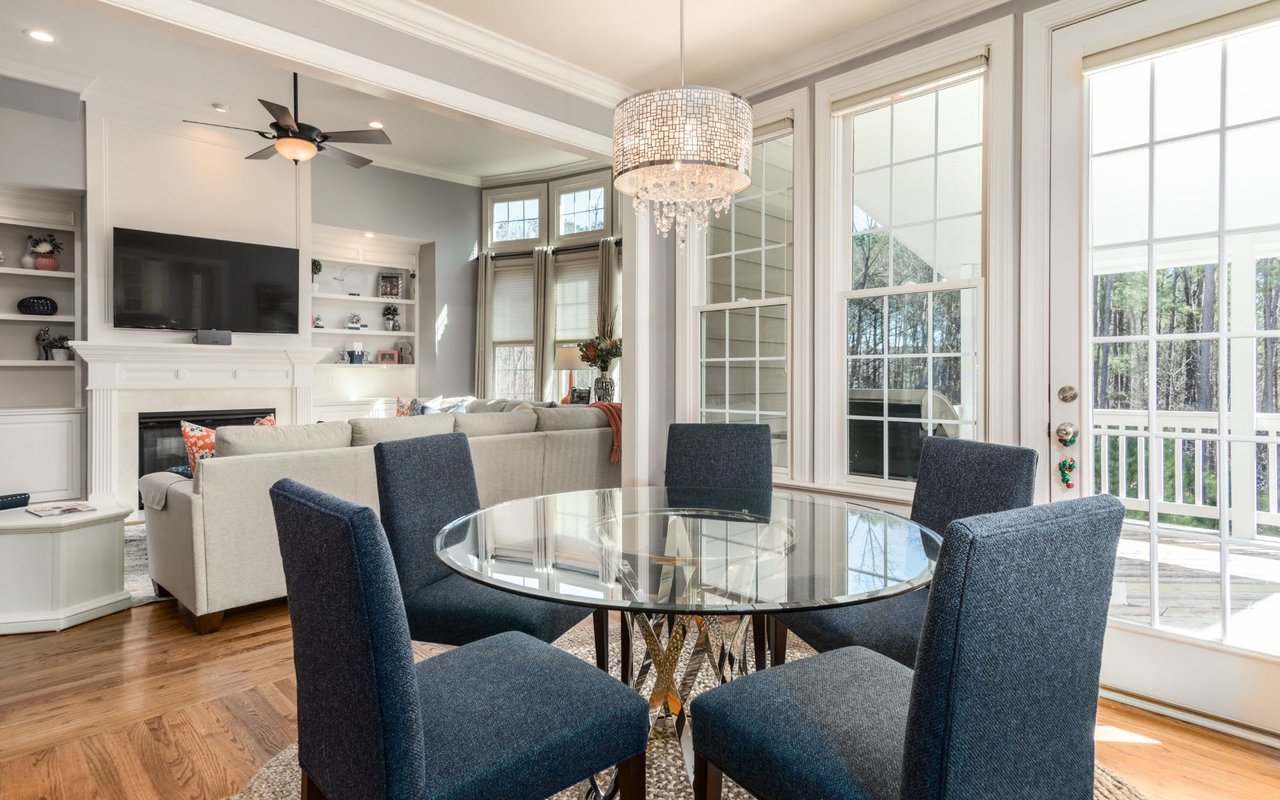
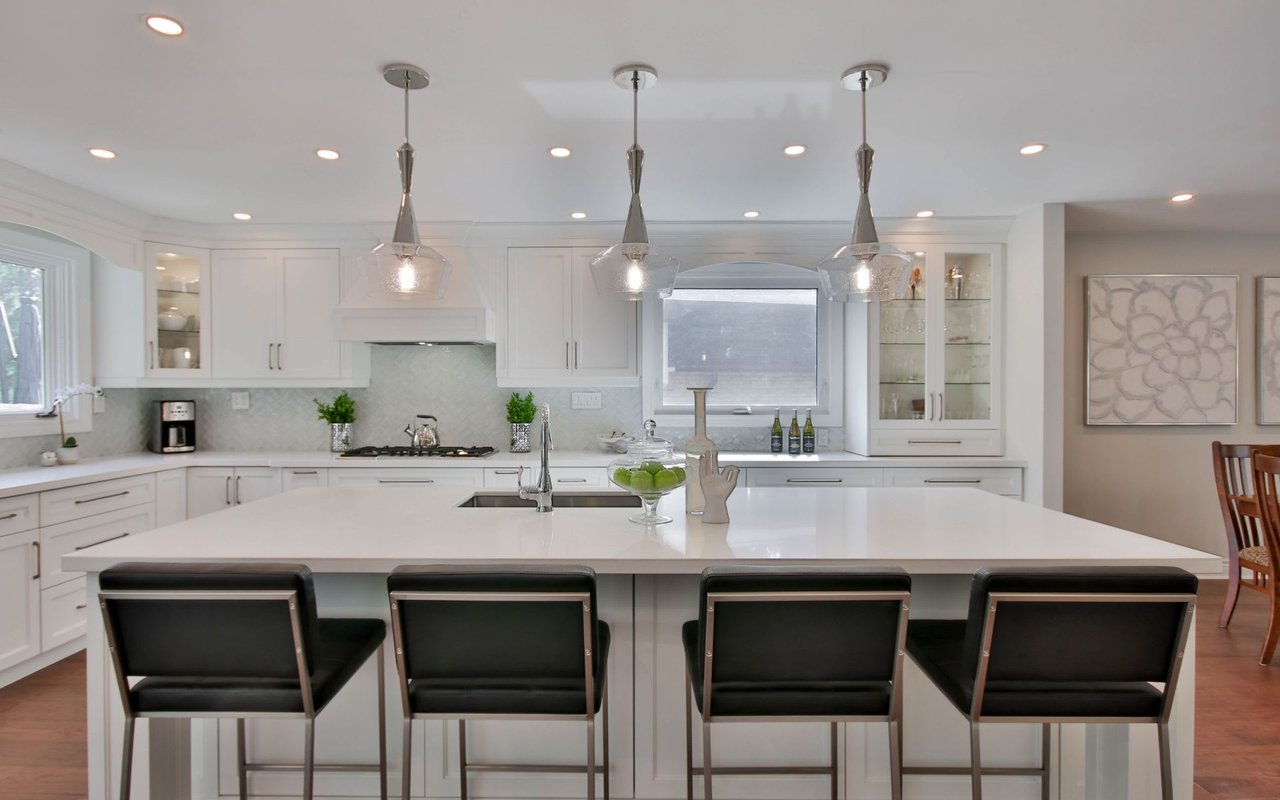
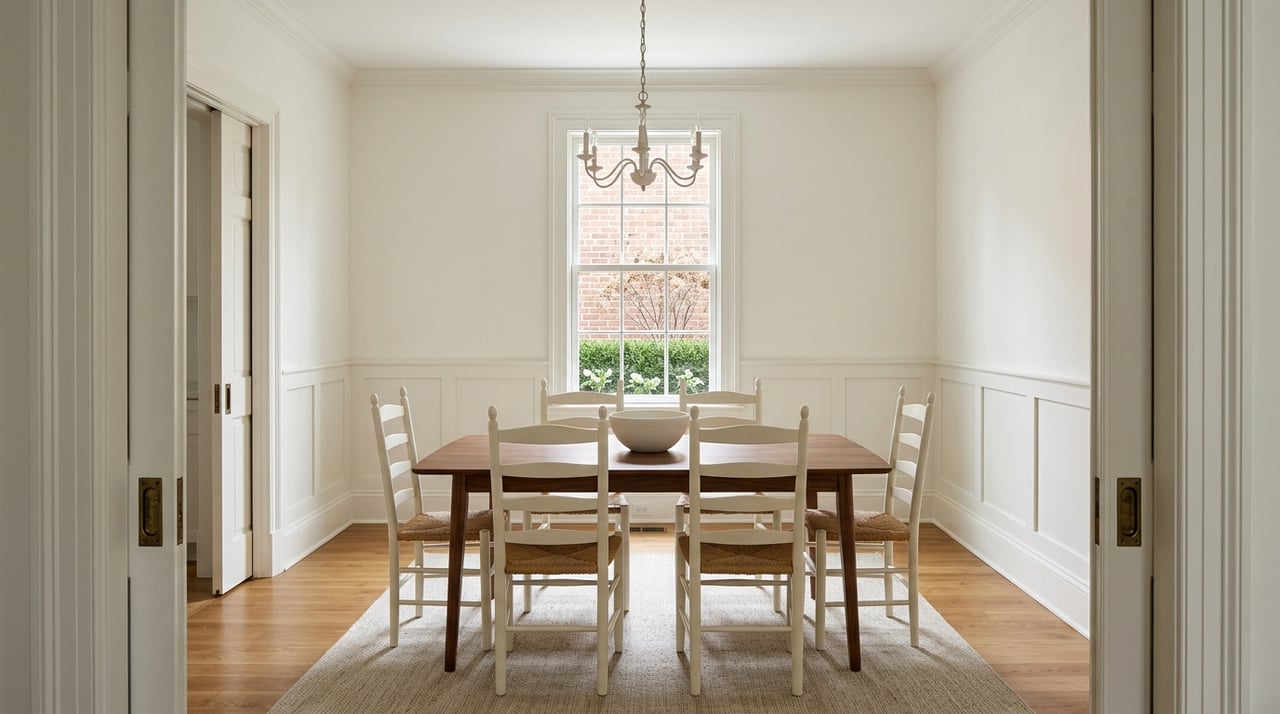
Once repairs and approvals are under control, presentation becomes the next priority. Staging is not about making a historic home feel generic. It is about helping buyers appreciate the space, scale, and architectural details that already set the property apart.
Use staging to support photos and showings
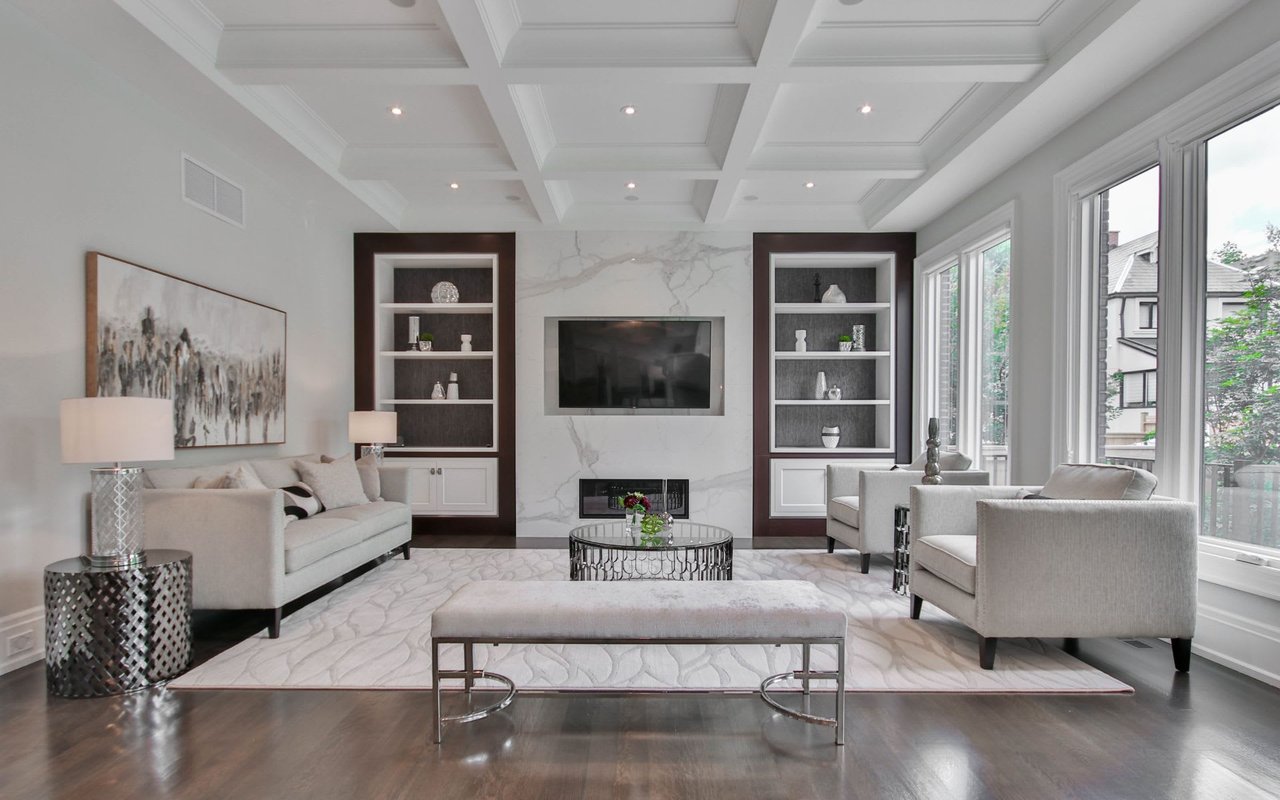
NAR defines staging as cleaning a home and temporarily filling it with furniture and decorations that help buyers see themselves living there. NAR also notes that curb appeal improvements such as landscaping, the front entrance, and paint jobs can improve how the home appears in photos.
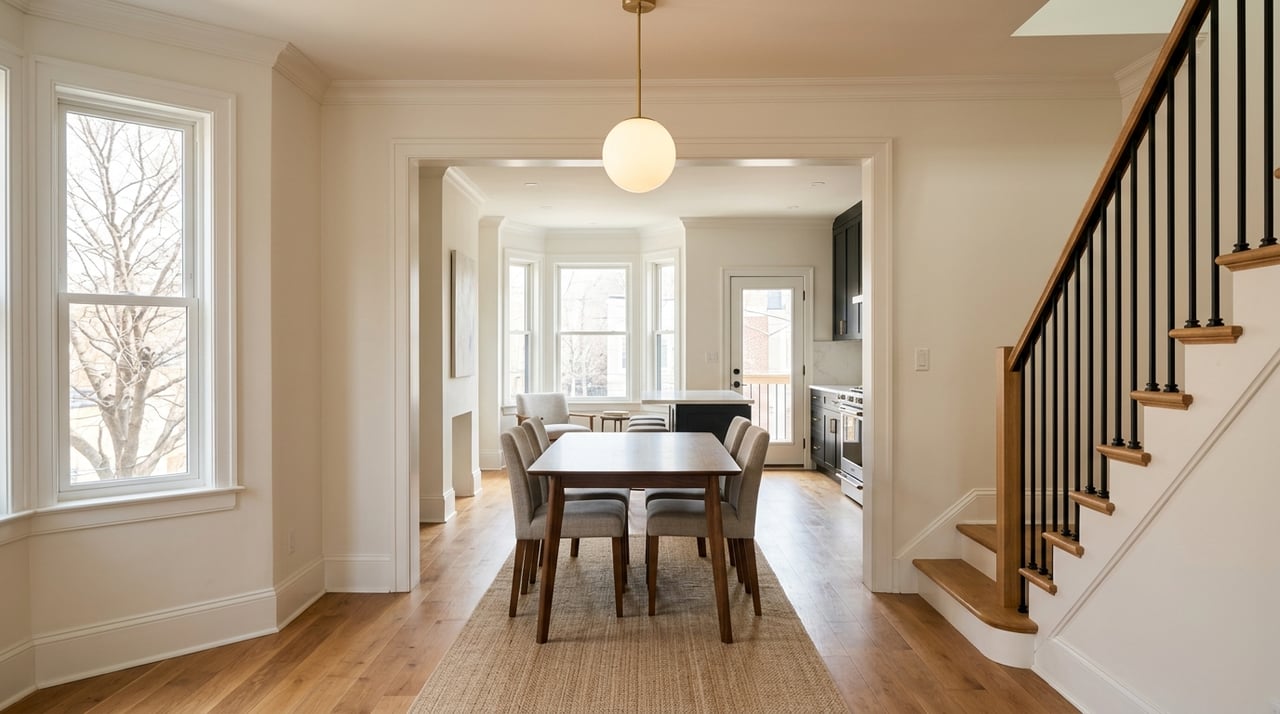
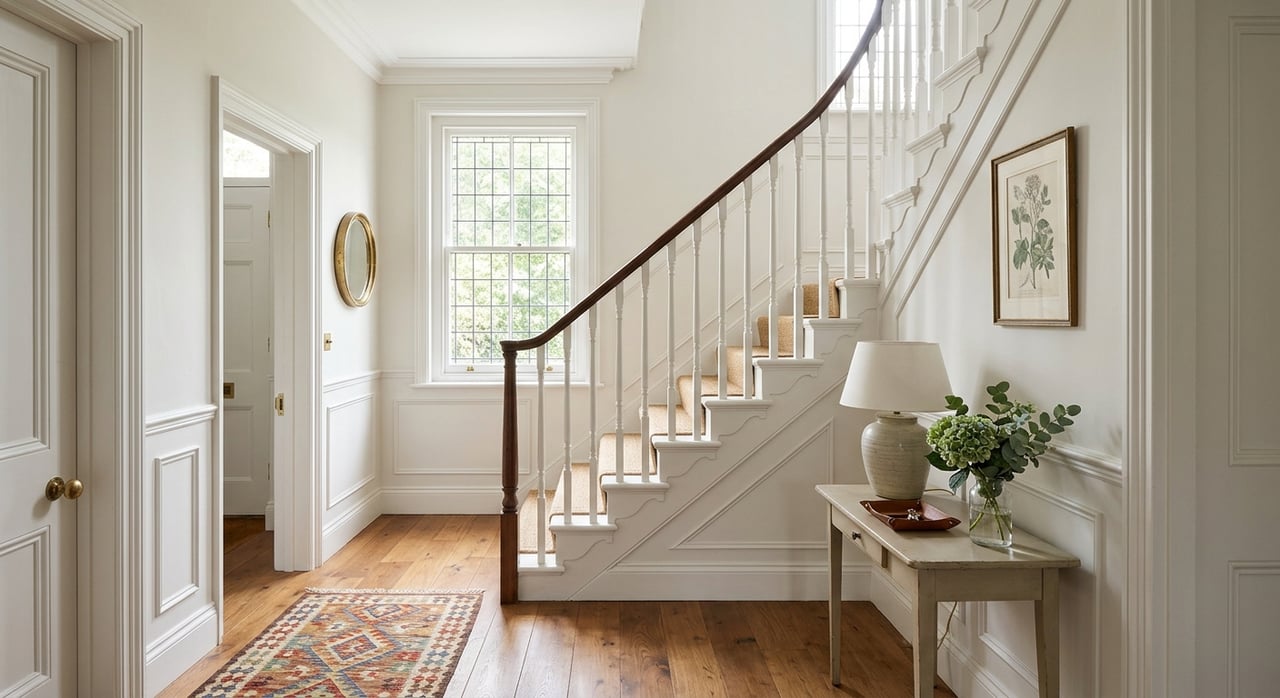
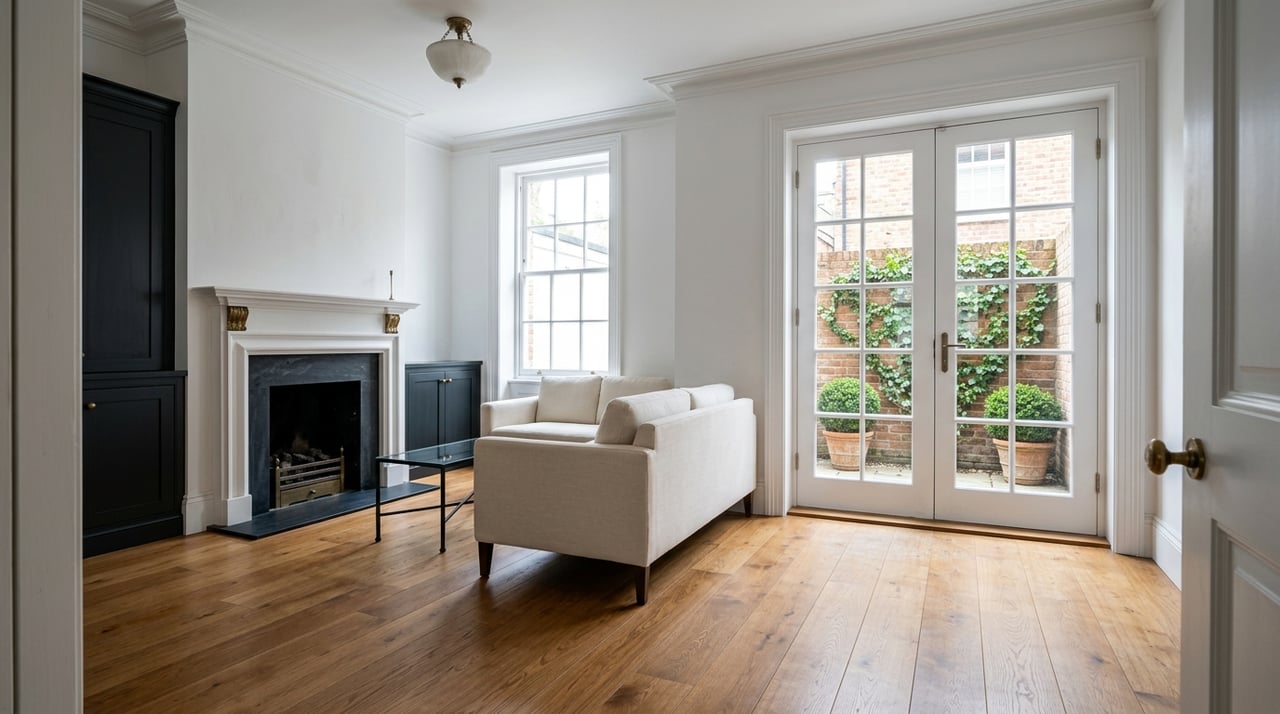
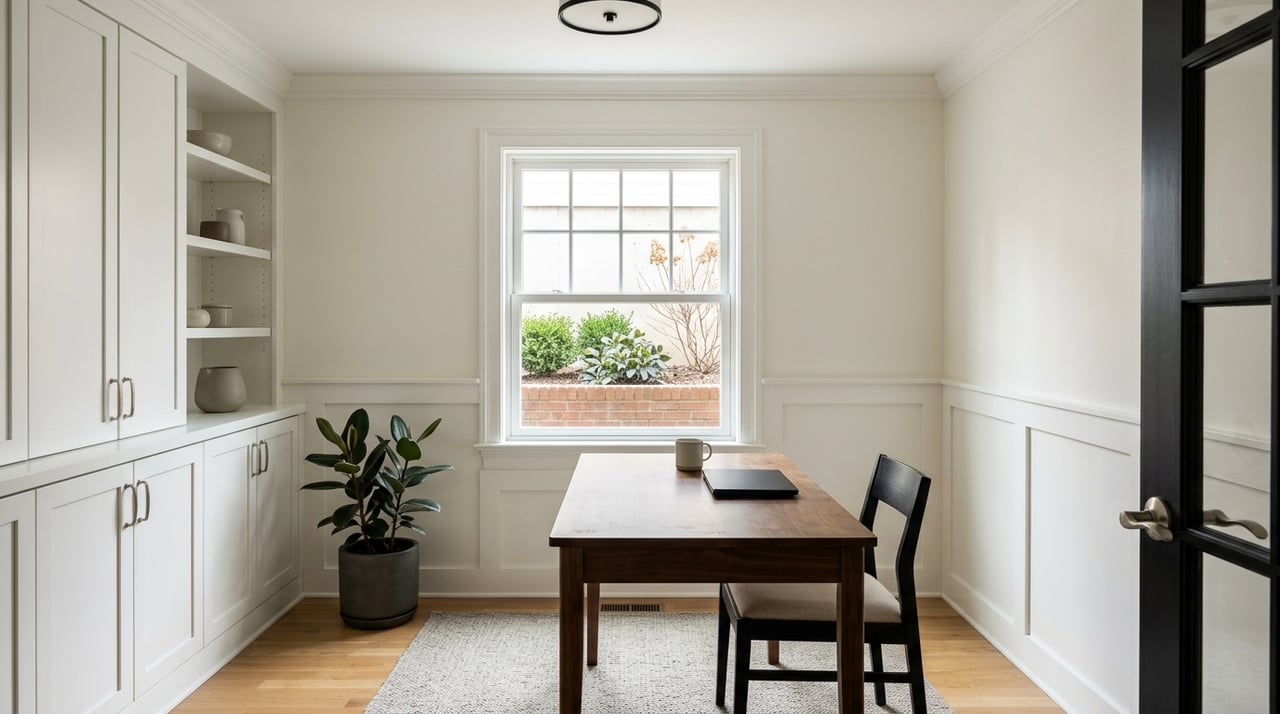
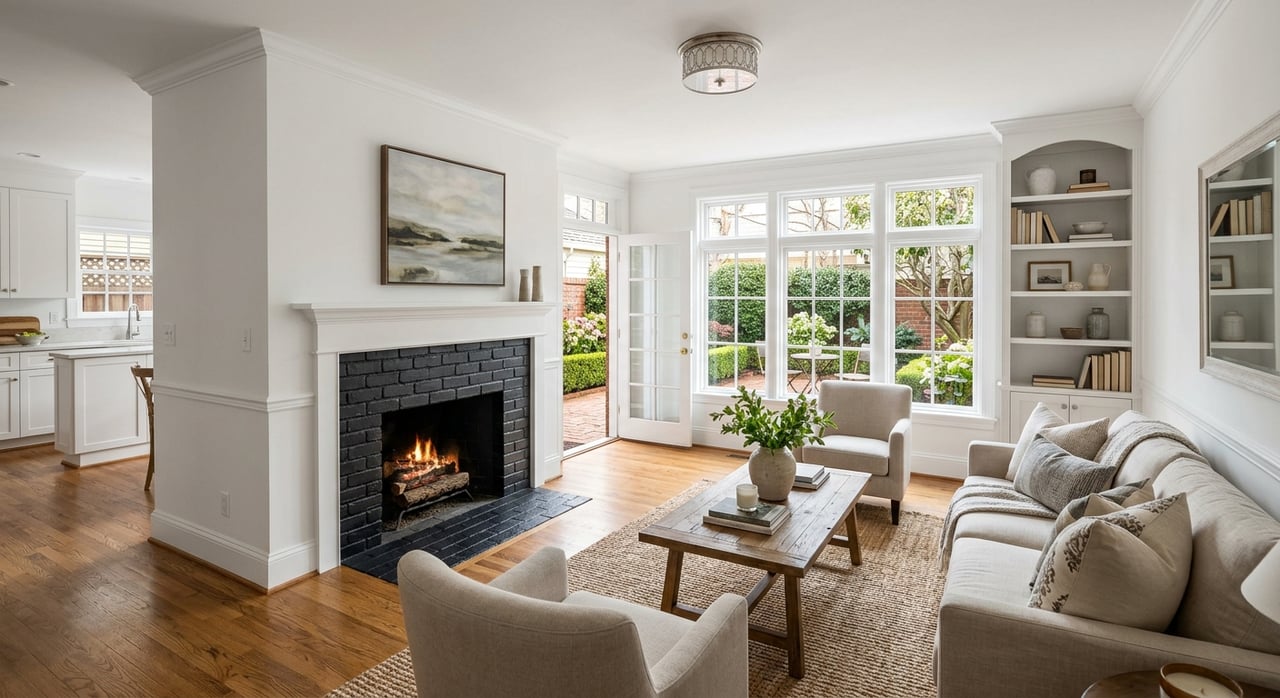
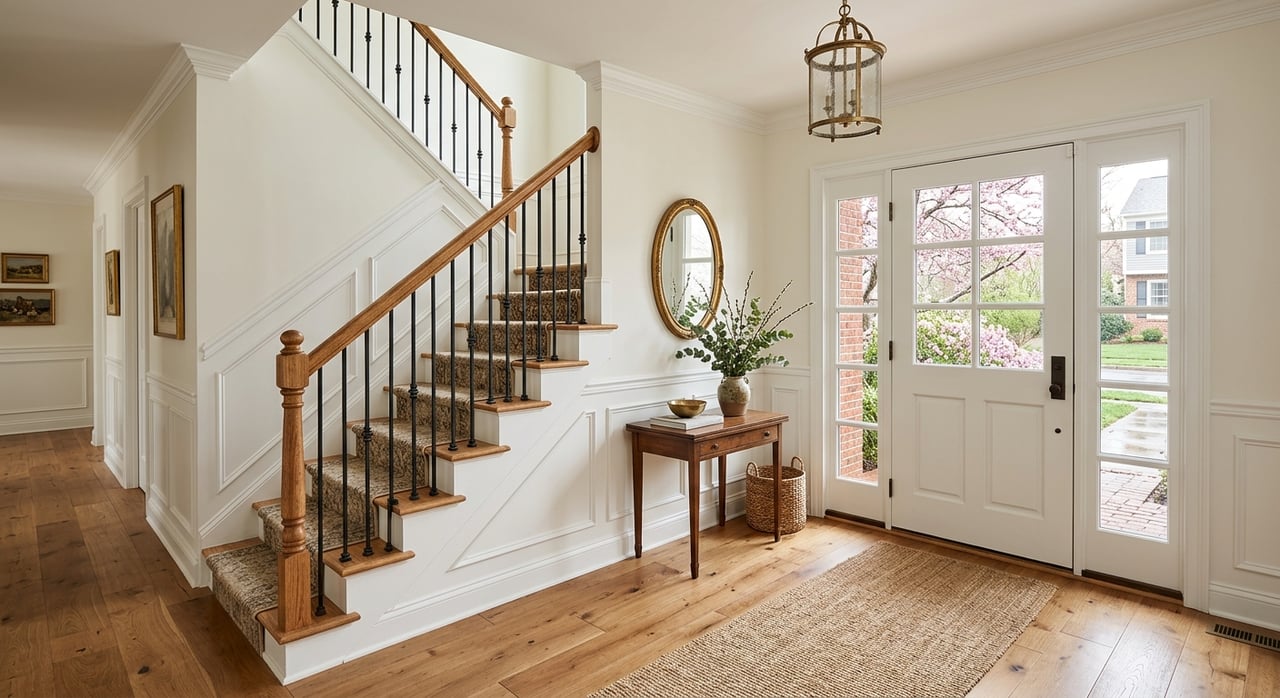
For a Georgetown home, staging tends to work best when it complements the architecture rather than competes with it. Clean layouts, restrained furnishings, and a calm visual palette can help original millwork, fireplaces, staircases, natural light, and room proportions stand out.
Keep the exterior polished and simple
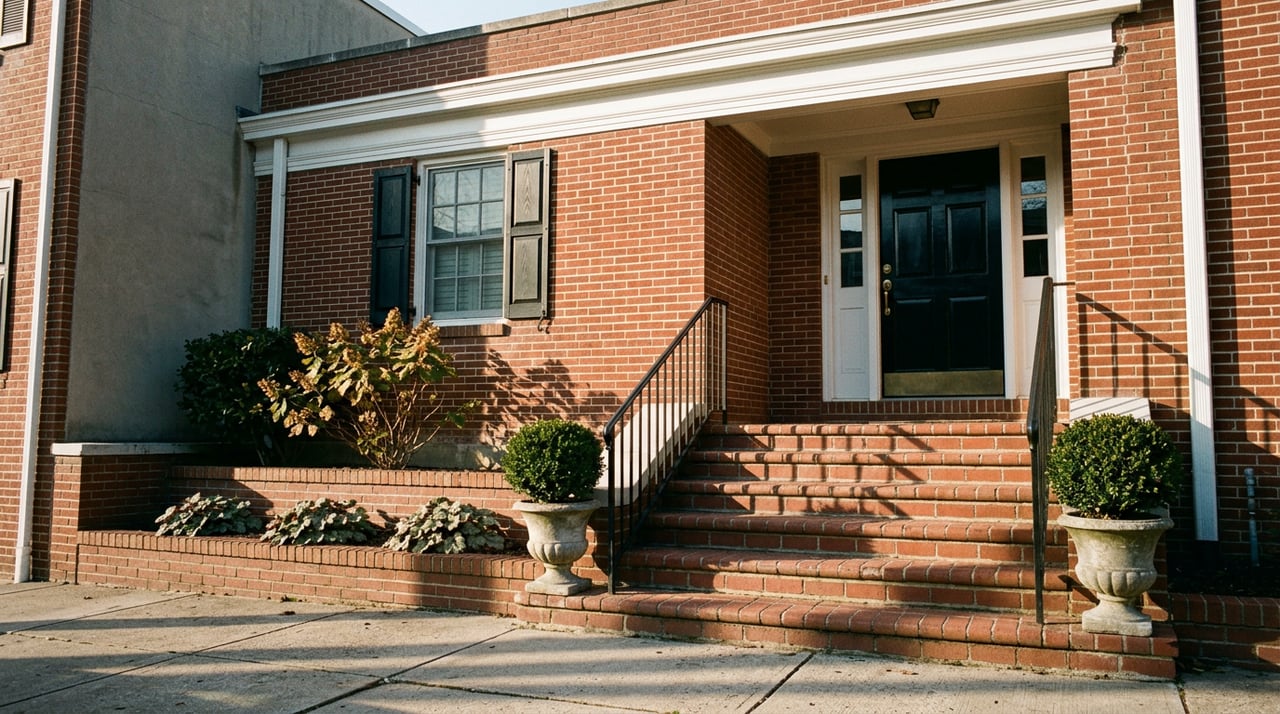
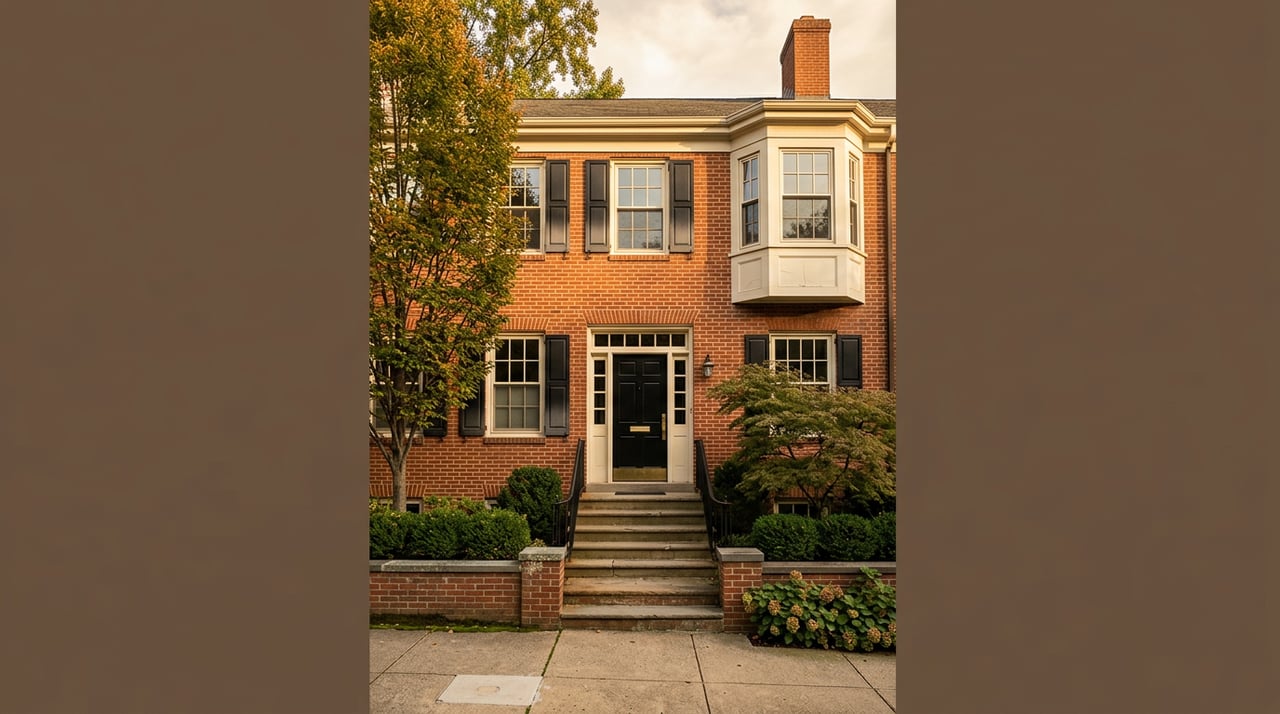
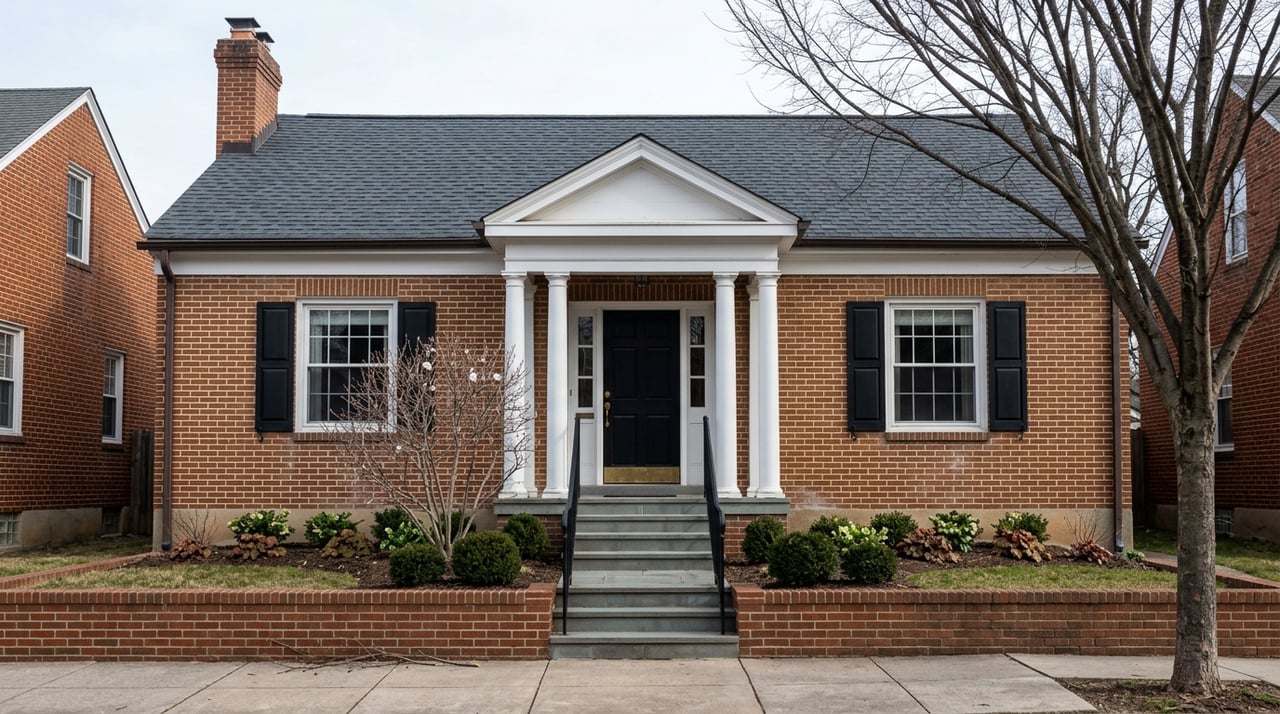
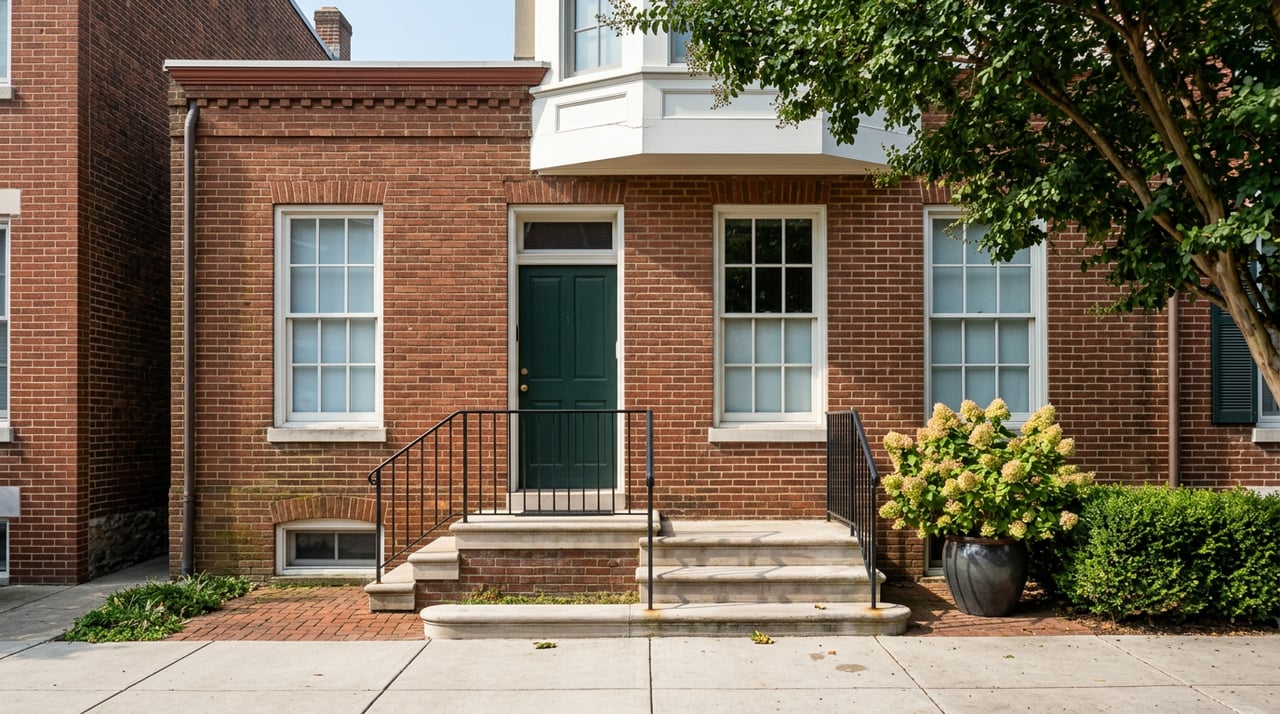
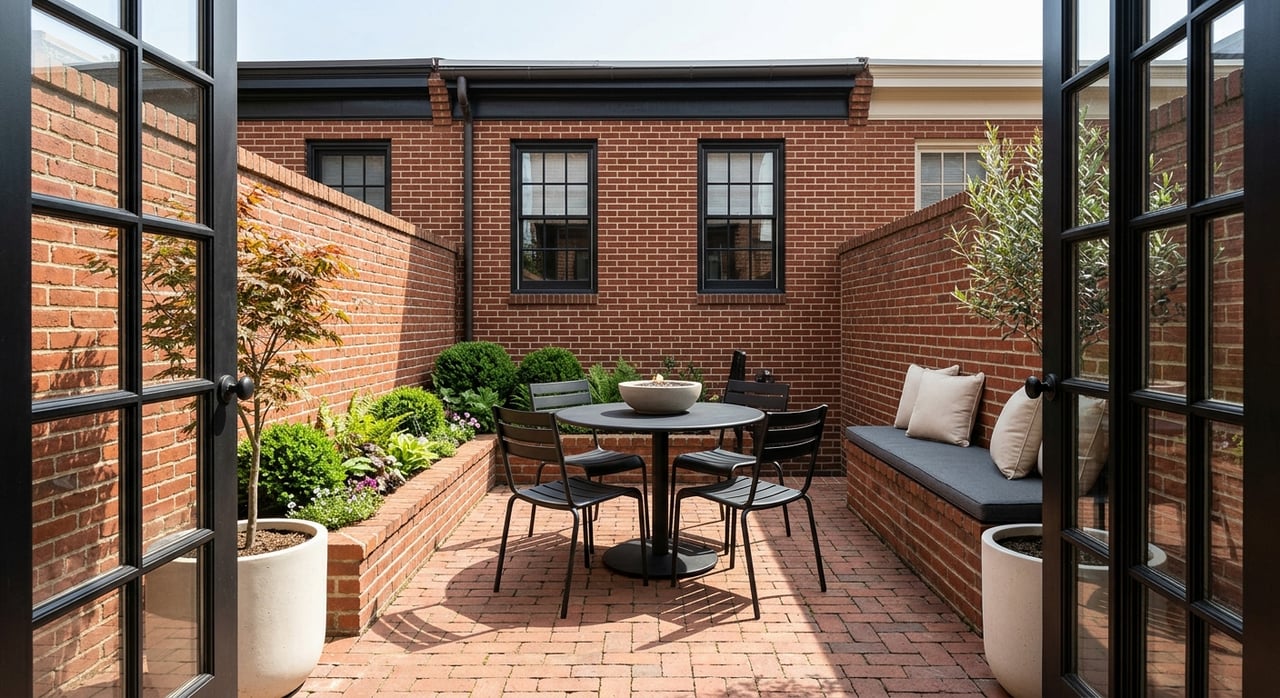
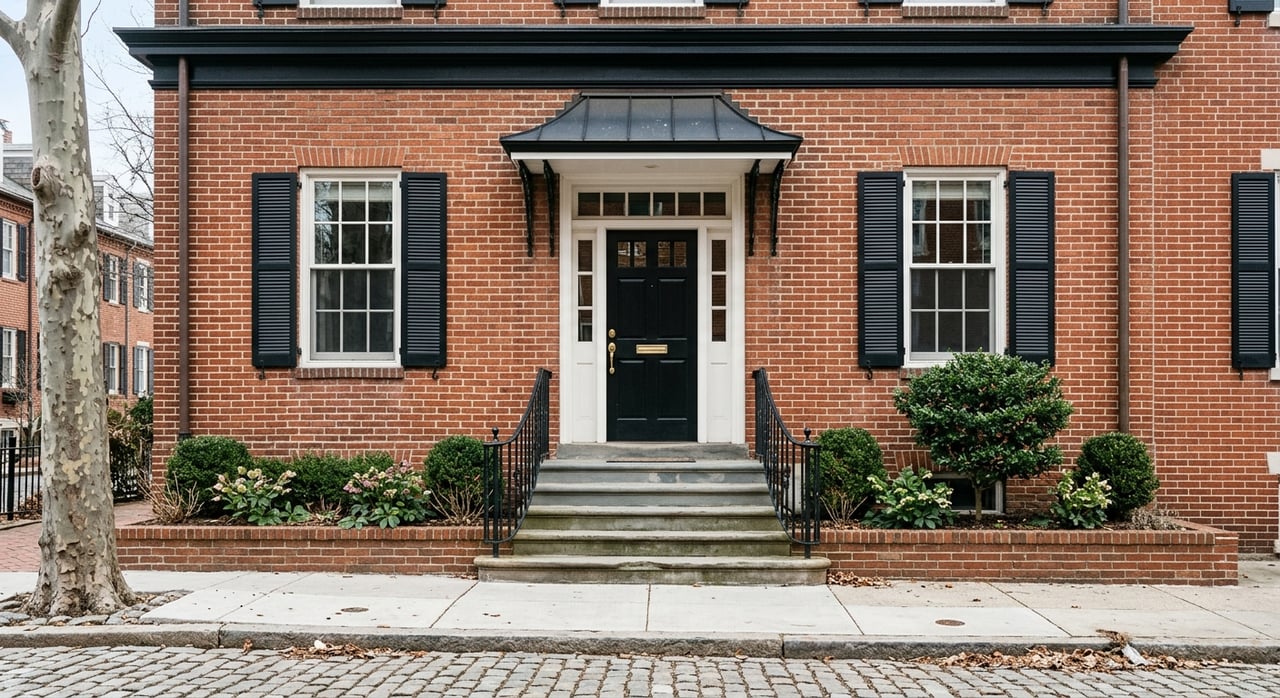
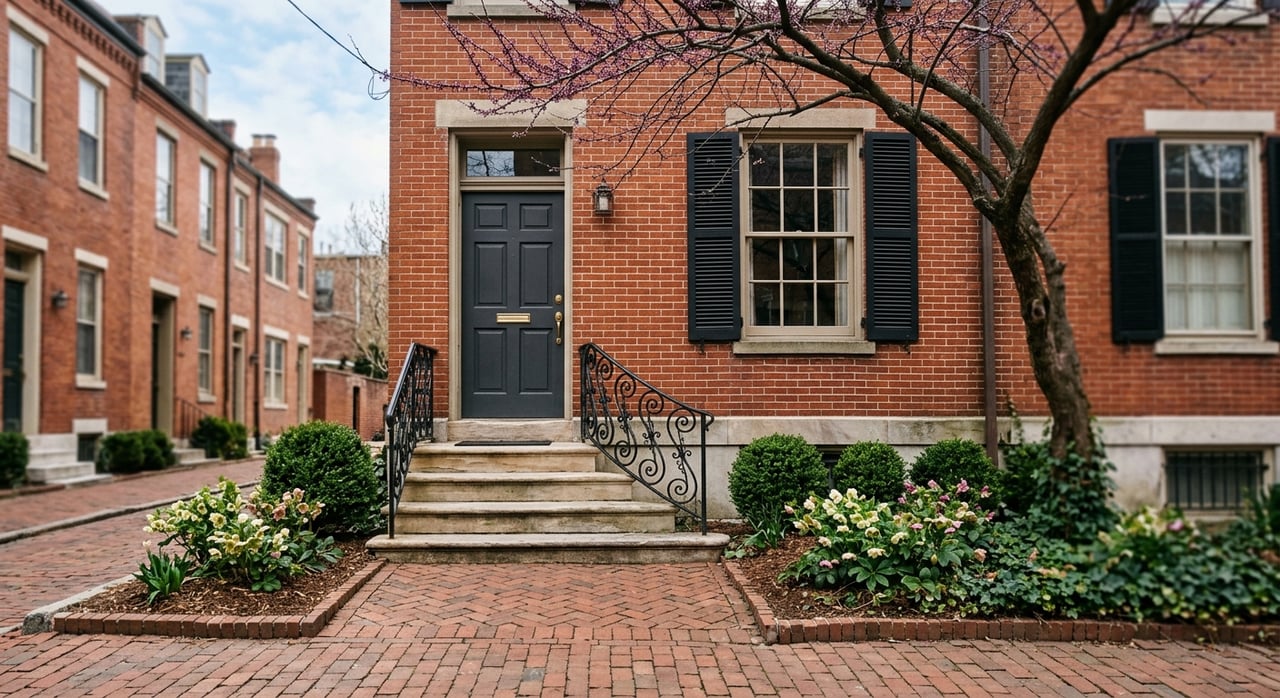
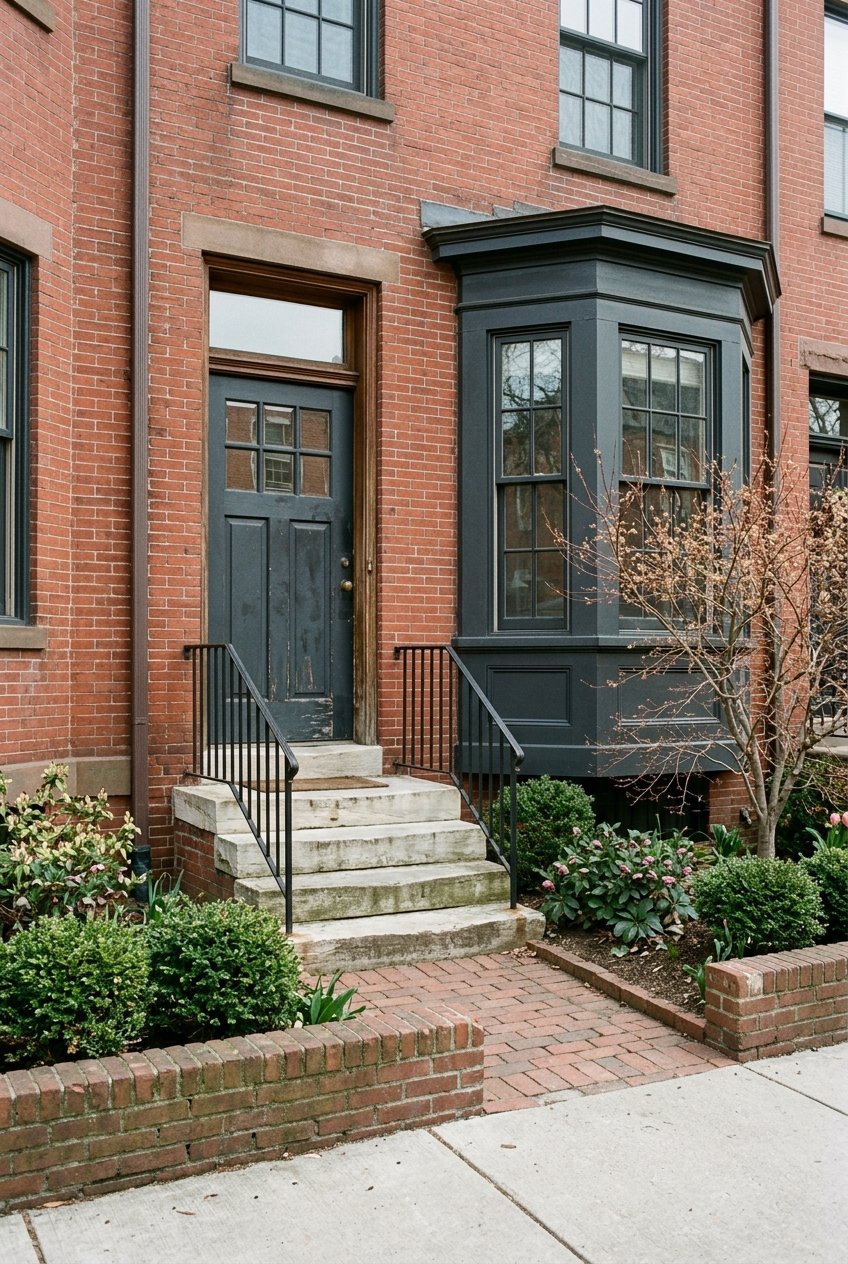
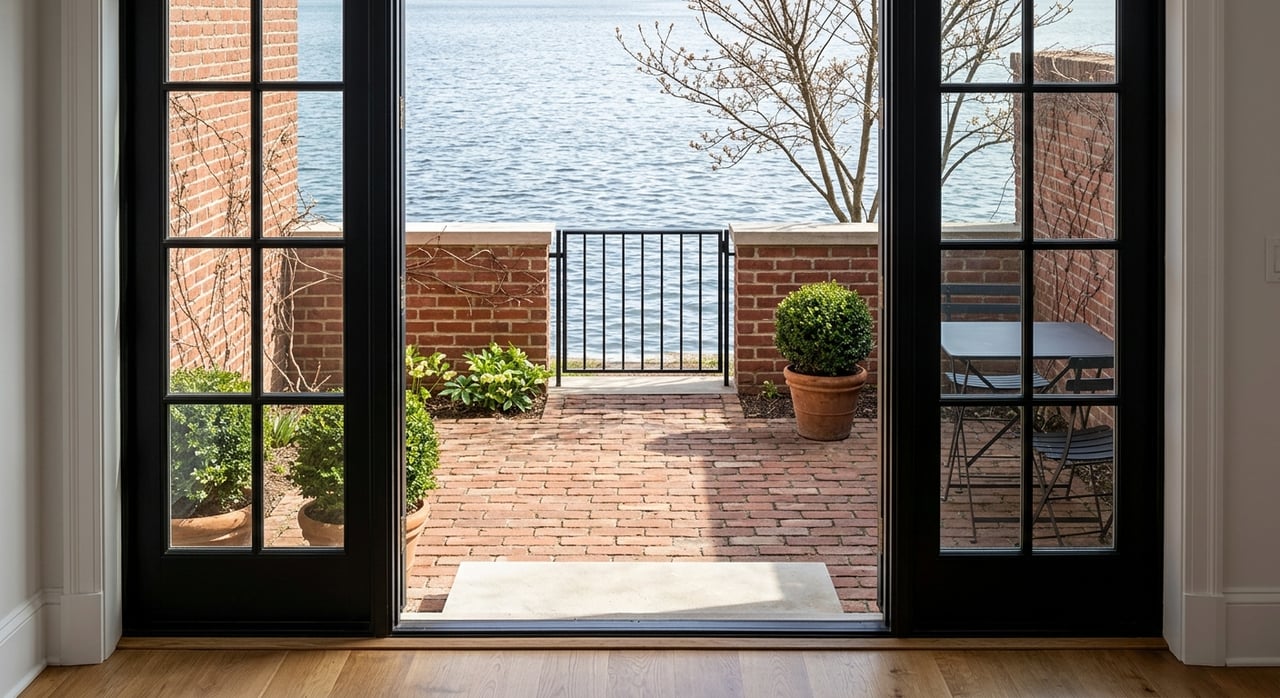
Curb appeal still matters, even for buyers who already know Georgetown well. A tidy entry, healthy landscaping, repaired railings or steps, and well-maintained paint surfaces can shape first impressions before a showing even begins.
In a historic setting, simple usually wins. Buyers often respond best when the exterior looks cared for, coherent, and in keeping with the home’s period character.
Coordinate the work in the right order
Historic-home prep can involve more moving parts than sellers expect. The cleanest workflow is usually inspection, scope definition, preservation review if needed, contractor execution, staging, and then photography and launch.
That sequence can help you avoid rework and reduce stress. It also aligns with DC’s guidance to consult early in the planning process.
Where Compass Concierge can help
Compass describes Compass Concierge as a program that fronts the cost of certain home-improvement services with no payment due until closing. Covered services may include staging, flooring, painting, decluttering, landscaping, HVAC, roofing repair, seller-side inspections and evaluations, and many other home improvement services.
Compass states that repayment occurs when the home sells, the listing ends, or after 12 months, and fees or interest may apply depending on state. Eligibility and credit approval also apply.
For Georgetown sellers, the program can be especially helpful when multiple steps need to be managed in sequence. Compass also says the agent helps coordinate contractors and vendors, which can make a difference when your sale plan includes repairs, staging, photography, and a carefully timed launch.
A smart Georgetown sale starts with restraint
Preparing a historic Georgetown home for sale is usually less about transforming the property and more about revealing its value. When you start early, focus on repair-oriented improvements, respect local review procedures, and stage with architectural sensitivity, you give buyers a clearer reason to pay attention.
That kind of preparation also supports a smoother transaction. If you are thinking about selling in Georgetown, Infinity Group can help you build a tailored pre-listing plan with concierge coordination, polished presentation, and neighborhood-specific guidance.
FAQs
What makes preparing a Georgetown home for sale different from other DC neighborhoods?
- Georgetown has a distinct historic review process, and exterior changes visible from a public street or alley may require review by the Old Georgetown Board.
What disclosures do sellers need for a historic Georgetown home?
- In DC, sellers must provide a real property disclosure statement before or at the time the buyer signs the purchase agreement, and most pre-1978 homes also require lead-based paint disclosures.
What prep projects usually add the most value before listing a Georgetown home?
- Repair-oriented, historically compatible work such as painting, gutter repair, landscaping, window repair, masonry repointing, and trim maintenance is often the most practical pre-sale investment.
What should sellers know about Georgetown window replacement before listing?
- The Commission of Fine Arts says pre-1950 windows should be restored where possible, and if replacement is necessary, compatible materials and matching style are generally preferred on elevations facing public space.
Can Compass Concierge help with preparing a Georgetown home for sale?
- Compass says Concierge may cover services such as staging, painting, flooring, landscaping, HVAC work, roofing repair, and seller-side inspections, with payment typically due later under program terms.