Your outdoor space does not have to be big to feel valuable on Capitol Hill. In a neighborhood shaped by attached rowhouses, rear alleys, and historic streetscapes, the real challenge is not adding more space. It is making the space you have feel useful, private, and well connected to your home. If you are thinking about upgrading a patio, deck, garden area, or roof deck, this guide will help you understand what tends to work best in Capitol Hill and what local review issues you should expect. Let’s dive in.
Why outdoor space feels different on Capitol Hill
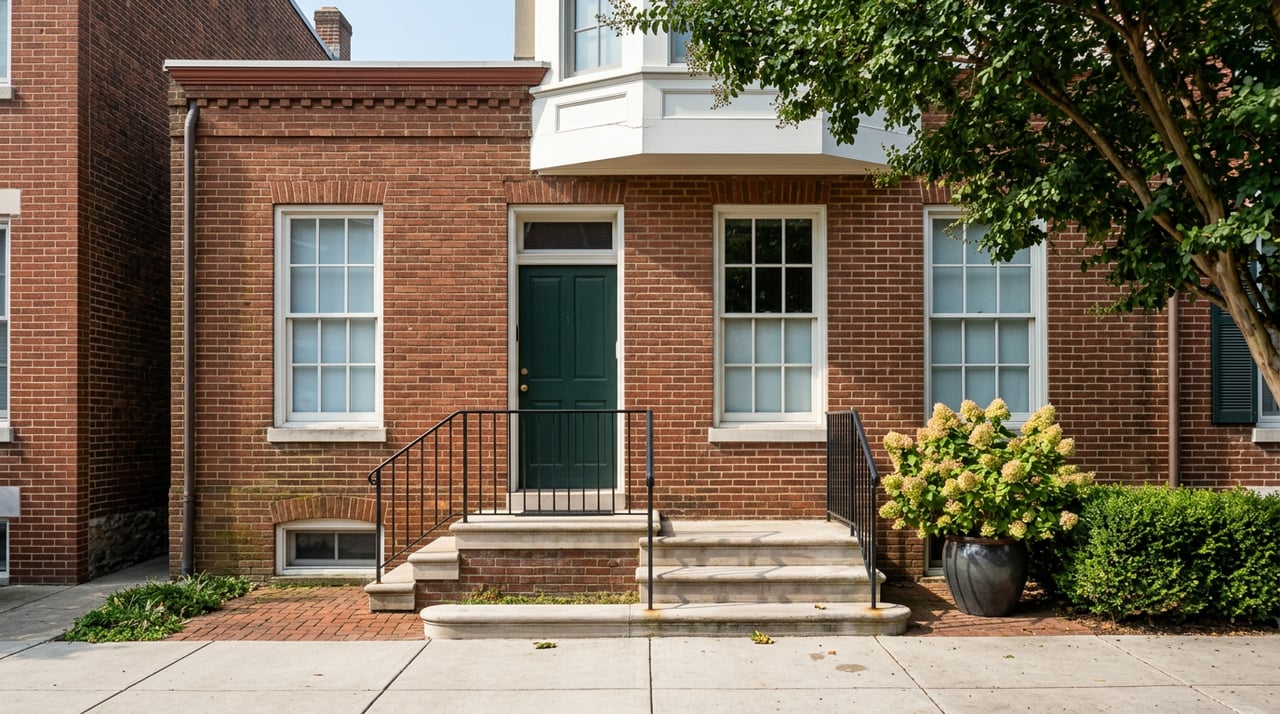
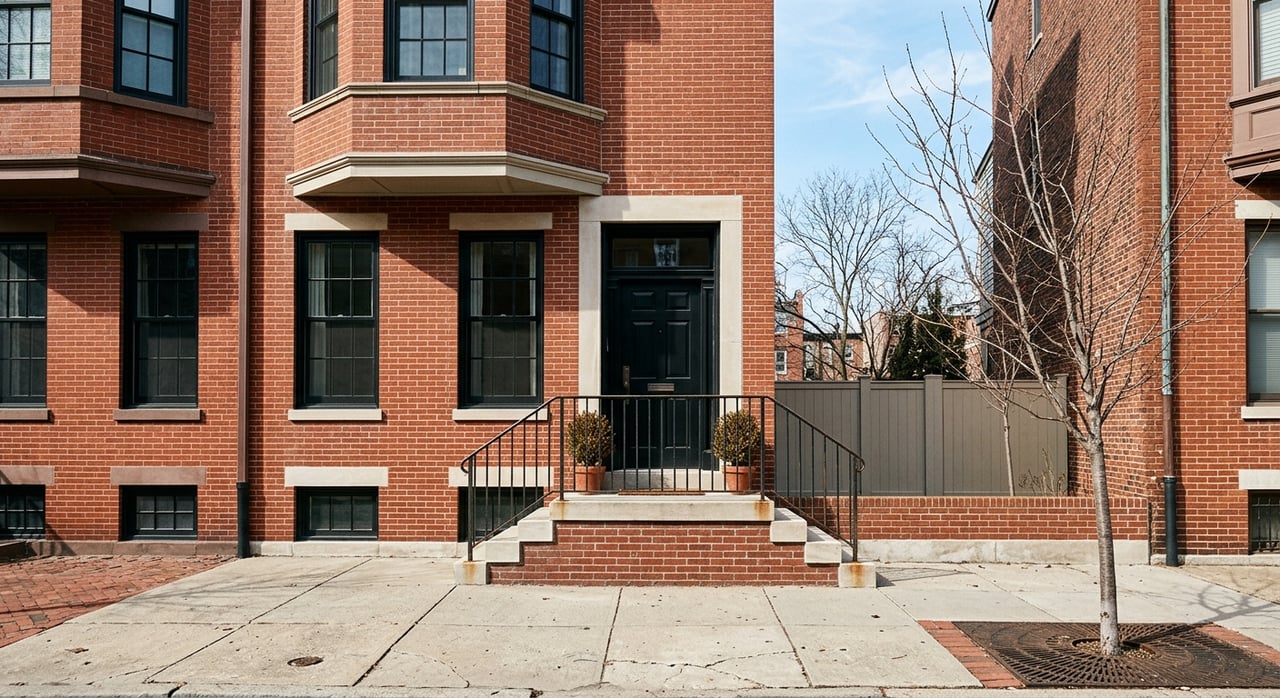
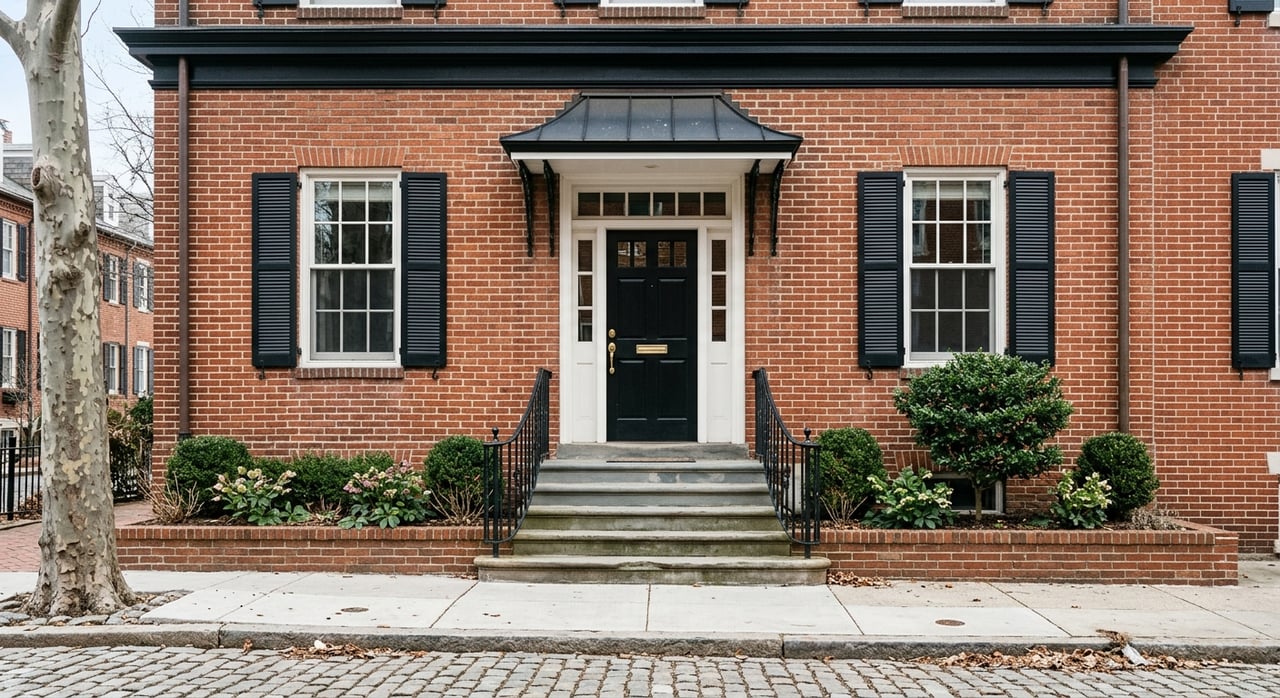
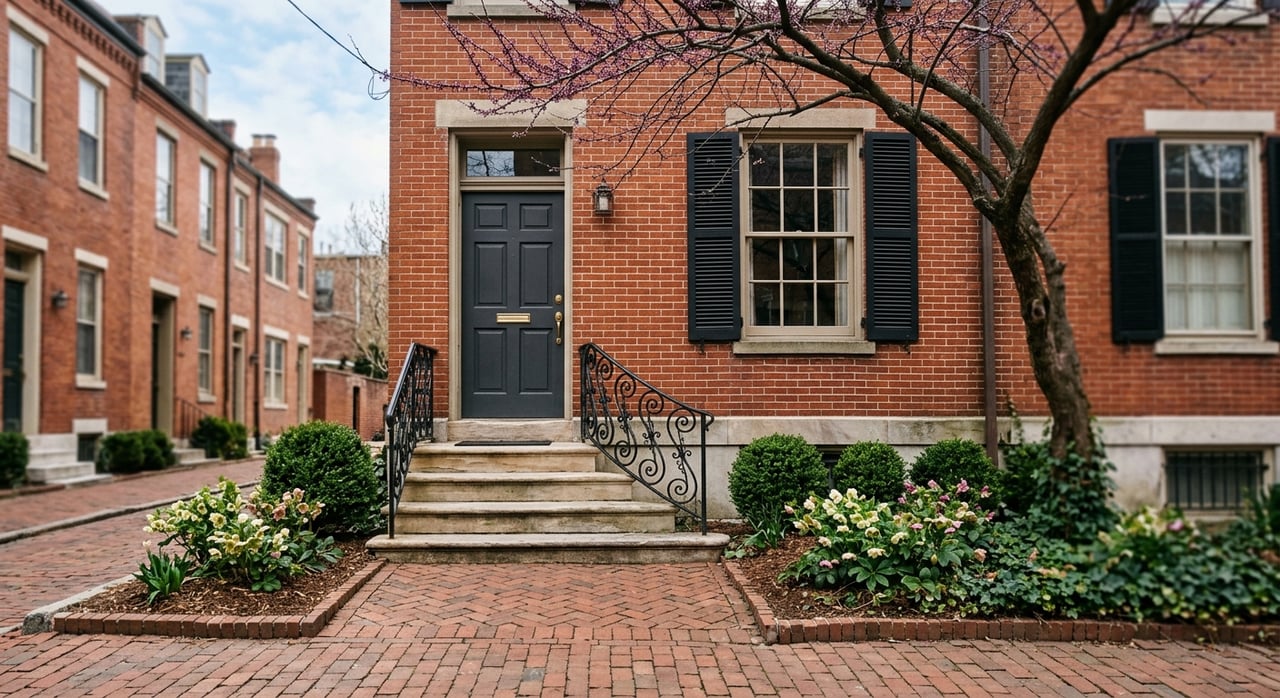
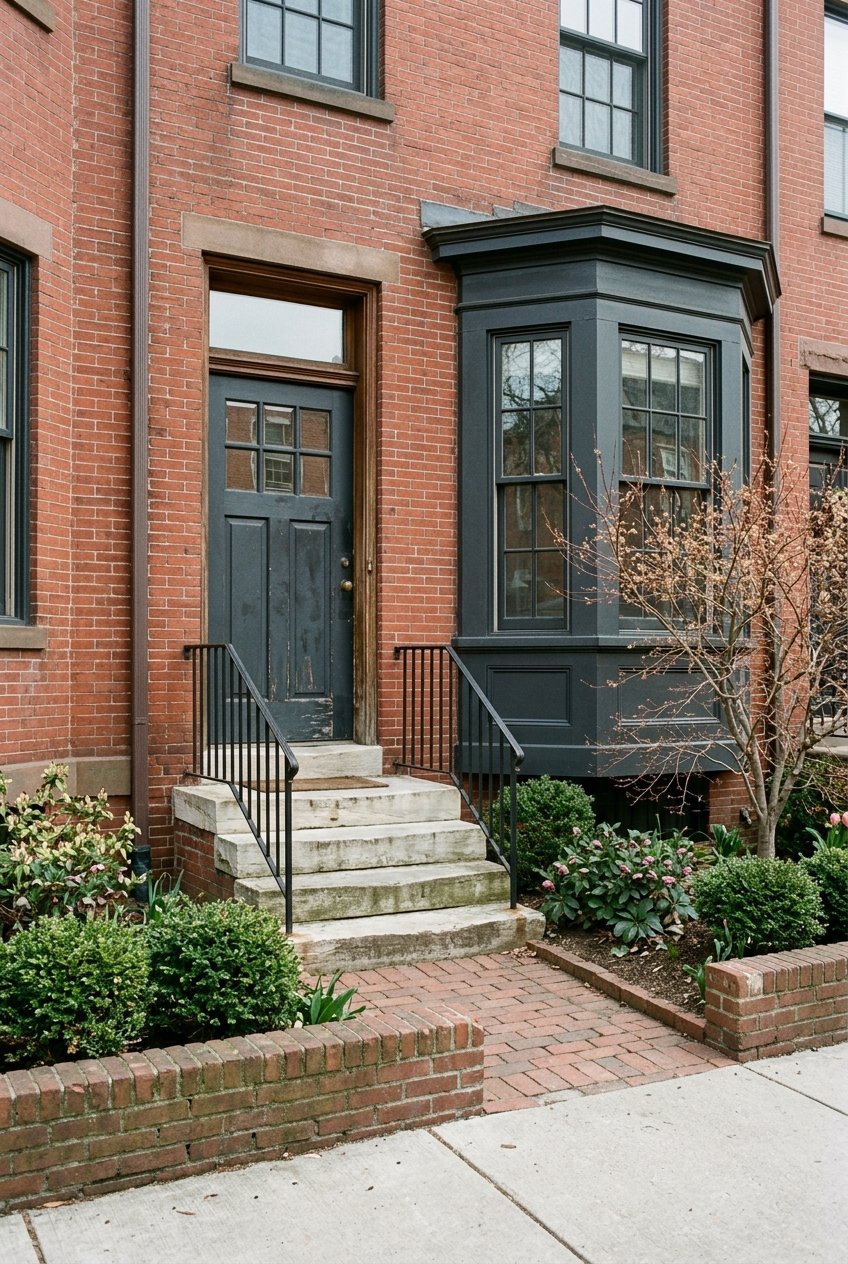
Capitol Hill has a distinct physical pattern that shapes how outdoor living works. The neighborhood is known for late-19th- and early-20th-century rowhouses, rear-yard alleys, and a low-scale historic character that still reflects the L'Enfant street grid.
That built form means many homes do not have large side yards or expansive front lawns. In practical terms, your best opportunities for outdoor living are often in the rear yard or on the roof, not along the street-facing side of the property.
For many homeowners, that changes the goal. Instead of trying to create a sprawling backyard, you are usually trying to turn a compact area into a true outdoor room that feels comfortable, intentional, and in scale with the house.
Best outdoor spaces for Capitol Hill homes
Rear patios and terraces
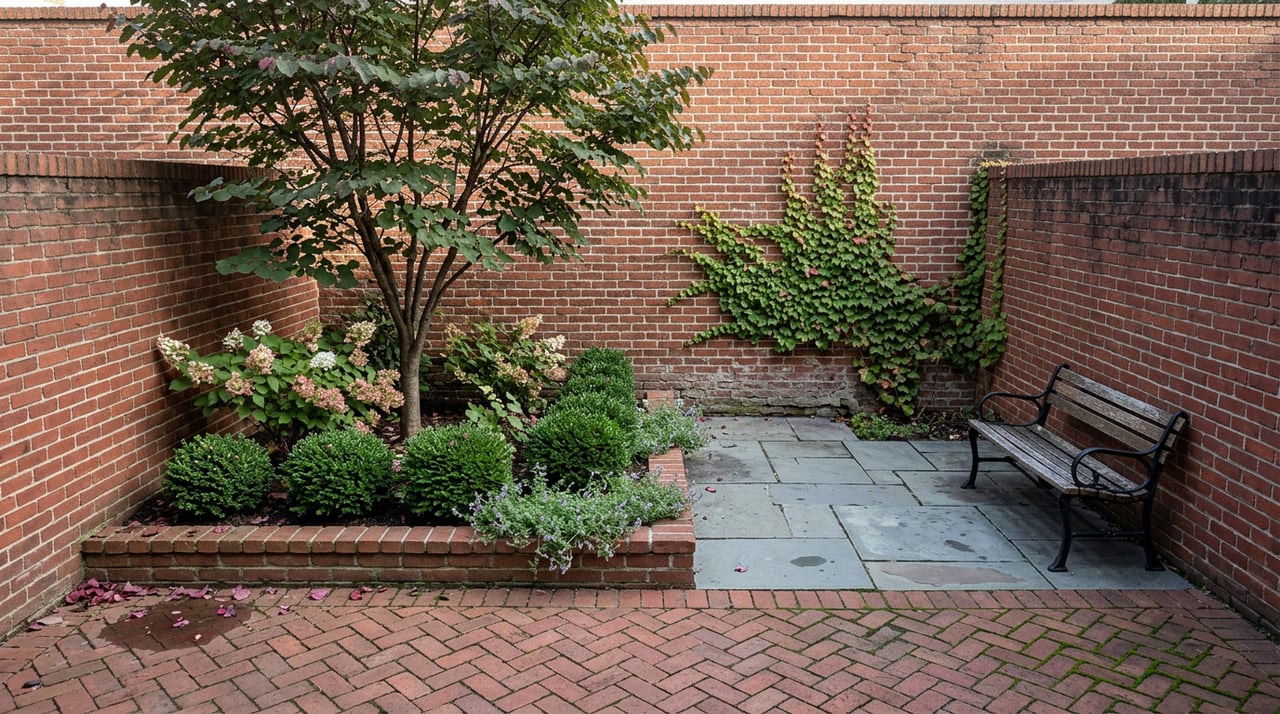
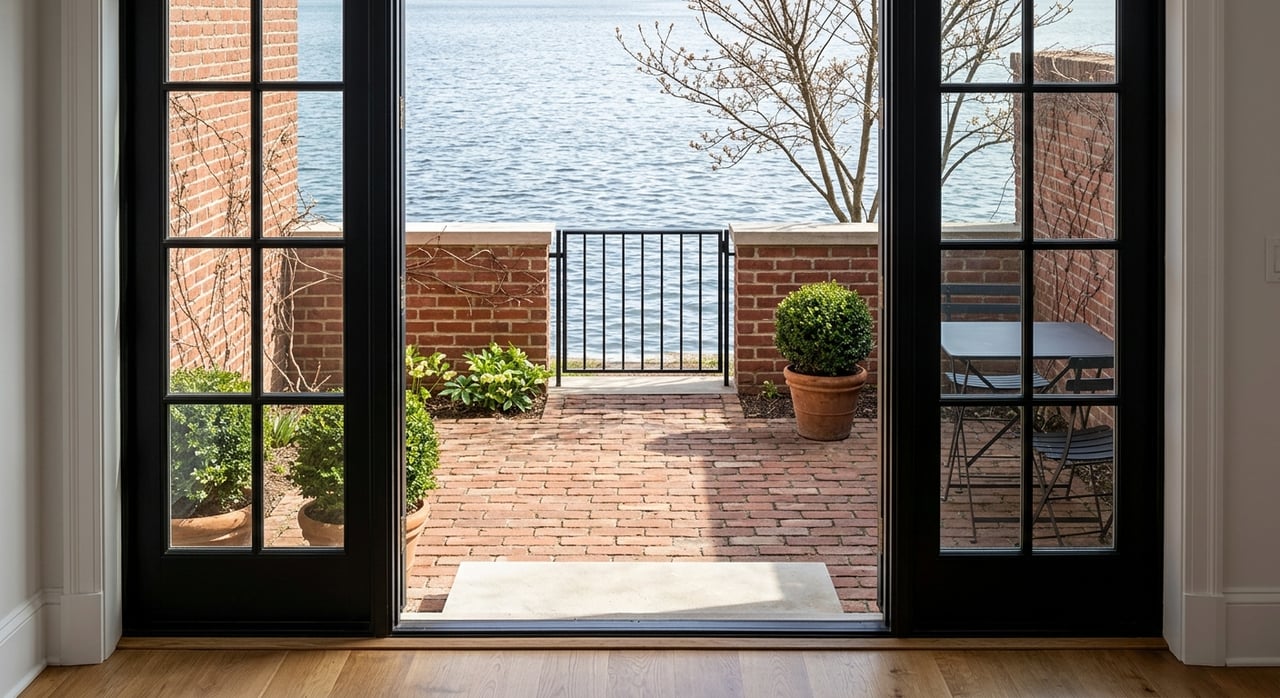
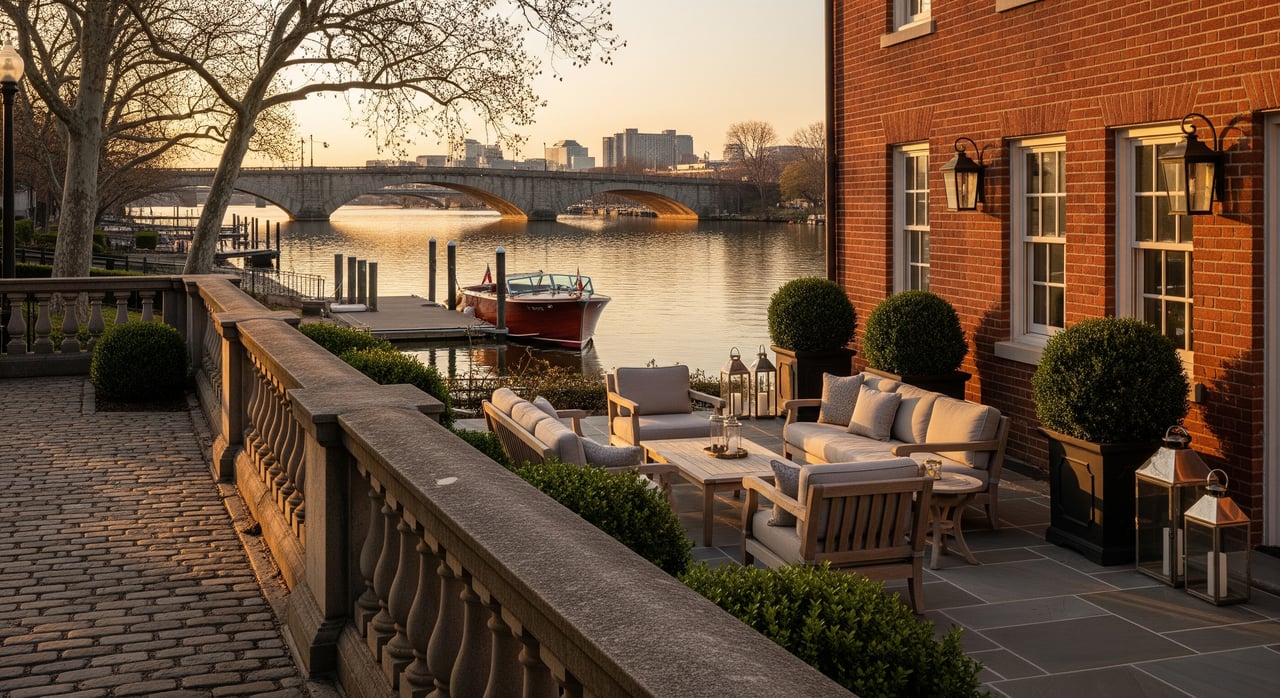
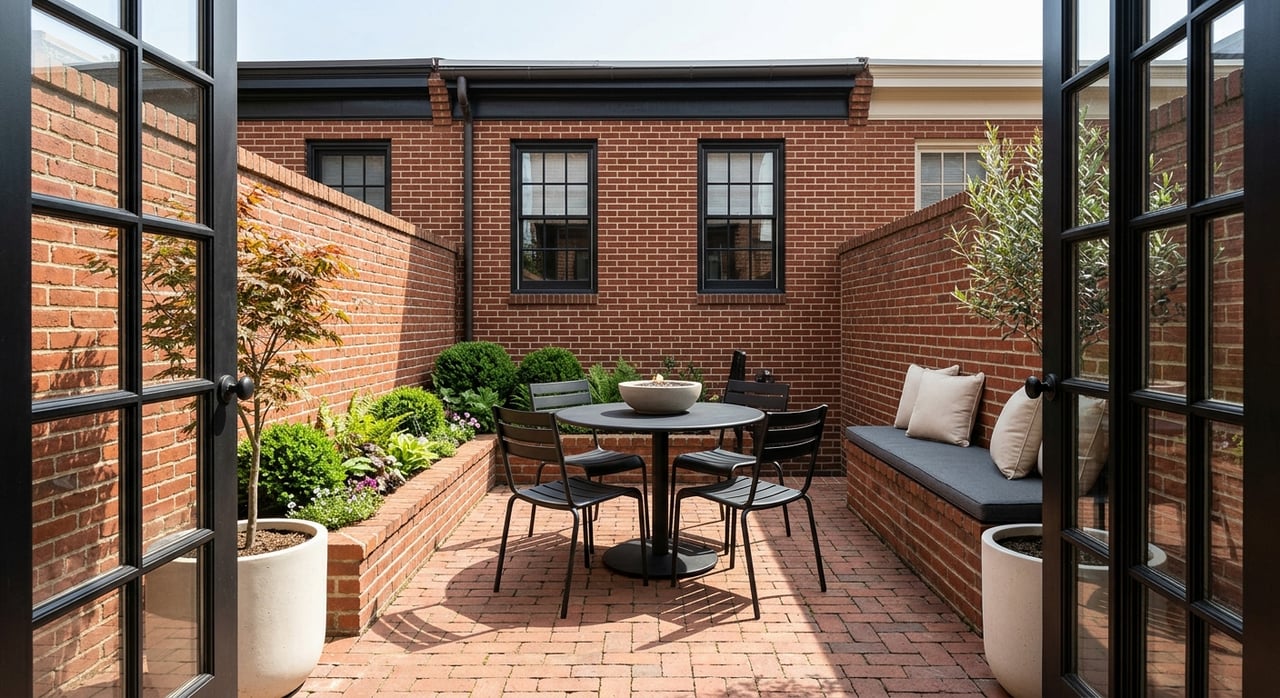
Rear-yard patios and terraces are often among the most natural fits for Capitol Hill properties. They work especially well because they can create a strong extension of the interior living space without competing with the historic front facade.
DC preservation guidance gives more flexibility to rear-yard work that is not visible from the street. Patios, terraces, walks, retaining walls, and similar rear-yard improvements may be eligible for staff review when they are not prominently visible from a public street.
If you want a practical, low-maintenance upgrade, a well-planned patio can do a lot in a small footprint. Built-in seating, a compact dining area, and container plantings can make the space feel layered without making it feel crowded.
First-floor decks
A first-floor deck can also be a good solution, especially when your rear entry sits above grade or when you want a smoother transition from the kitchen or family room to the yard. On many Capitol Hill lots, this kind of deck works best when it stays visually secondary to the house.
DC guidance generally treats rear additions and rear decks with more flexibility because they are less visible from public ways. That does not mean every deck is simple to approve, but it does mean rear-facing designs are typically easier to integrate than street-facing changes.
Trellises and garden structures
Small garden structures can help define a compact outdoor area without overwhelming it. Trellises, light screening elements, and modest garden features often suit Capitol Hill better than large, bulky structures.
That subtle approach matters in a historic setting. Outdoor features usually work best when they feel compatible in scale, height, rhythm, and materials, while still reading as new work rather than an exact replica of the original house.
Roof decks
Roof decks can be appealing when yard space is limited, but they are also the most sensitive option in Capitol Hill. Local guidance says roof-top additions should be placed far enough behind the existing cornice to stay hidden from pedestrians where possible.
If a roof deck or roof addition is visible from the street, it requires review by the Historic Preservation Review Board at a public meeting. That extra level of scrutiny is one reason roof decks often require more careful planning than rear-yard improvements.
What design approach tends to work best
Think outdoor room, not extra square footage
On Capitol Hill, the strongest outdoor spaces usually do not try to be oversized. They succeed because they are organized, comfortable, and clearly designed for daily use.
That might mean a dining zone, a reading corner, and a narrow planting edge instead of one open but undefined slab. When every square foot has a purpose, a small yard can feel far more livable.
Keep the design subordinate to the house
In historic neighborhoods, the most successful additions and outdoor features usually support the architecture instead of stealing attention from it. DC design guidance favors work that is compatible in scale, massing, materials, roof shape, and overall character.
For you, that can translate into simple lines, restrained materials, and details that feel calm rather than flashy. A clean brick or stone terrace, quiet privacy screening, or a well-set-back roof deck will often age better than a dramatic feature that dominates the house.
Use smart space-saving elements
Compact lots reward built-in solutions. Built-in benches or banquettes can free up circulation space, while container gardens can add greenery without requiring large planting beds.
Trellises can also help define privacy and soften hard surfaces without creating a heavy visual presence. In a neighborhood where rear-yard work often gets more flexibility than street-facing changes, lighter design moves like these can be especially useful.
Local review and permit issues to know
Historic district review
If your Capitol Hill property is in the historic district, exterior work generally goes through preservation review as part of the permit process. DC's Office of Planning notes that there is no separate preservation permit, but preservation review is an added step in the normal approval path.
This matters early, not late. Before you finalize a design, it is wise to understand whether your proposed work is likely to qualify for staff review or whether it may need Historic Preservation Review Board review.
Major street-visible changes
Street-facing changes are usually more difficult than rear-yard changes. Front and side additions, new porches, and roof additions or roof decks visible from a street are listed as major work requiring HPRB review.
That is one reason many Capitol Hill homeowners focus first on the rear of the home. Rear improvements often offer more design flexibility and a smoother review path, especially when they are not visible from the public way.
Deck permit rules
The DC Department of Buildings says a one-level residential deck under 500 square feet can use the Deck Permit path. Larger residential projects, occupied roof decks, two-story decks, or multi-story balcony and deck projects require different permit types.
DOB also notes that projects in historic districts should use a Historic Property - Special Permit for scopes that would otherwise fall under instant permit categories. If you are planning deck work, the permit category matters as much as the design.
Public space and alley issues
On Capitol Hill, lot lines and public edges can get complicated. The DC Department of Transportation requires a public-space permit for anything installed in publicly owned space such as sidewalks, roadways, tree space, or alleys.
That is especially relevant in a neighborhood with so many alley relationships. If your project touches an alley edge or public area, make sure that issue is addressed before construction starts.
Neighbor notice requirements
DOB says neighbor notification is required when work involves a party wall, shared fence, or retaining wall between neighboring properties. In rowhouse settings, that can come into play more often than owners expect.
A compact lot does not just shape design. It also shapes coordination. Knowing that upfront can help you avoid delays and keep expectations realistic.
Practical ideas for Capitol Hill outdoor living
Small patio ideas
If you are working with a tight rear yard, consider features that do more than one job:
- Built-in bench seating with storage
- A small dining table instead of oversized lounge furniture
- Container gardens for seasonal color and flexibility
- A trellis to add privacy and vertical interest
- Layered lighting for dining and evening use
These choices can make a small footprint feel finished and comfortable without overloading it.
Roof deck ideas
If a roof deck is part of your plan, the design should focus on restraint:
- Keep the structure set back from the front roofline
- Use screening that minimizes visual impact from the street
- Avoid bulky features that make the deck dominate the roof
- Plan furniture and layout around comfort, not crowding
In Capitol Hill, roof decks tend to work best when they feel quiet and integrated rather than highly conspicuous.
Privacy ideas that stay visually calm
Privacy matters, but so does subtlety. In many cases, the best screening solutions are the ones that create comfort for you without calling attention to themselves from the public realm.
That can include modest fencing where permitted, vertical planting in containers, or a simple trellis element in the rear yard. The goal is to improve usability while respecting the house and its setting.
Outdoor improvements and resale appeal
Not every home improvement adds value in the same way. On Capitol Hill, outdoor upgrades are often most appealing when they feel durable, well integrated, and easy to enjoy.
That does not mean every buyer wants the same feature. It does suggest that thoughtful improvements tend to resonate more than attention-grabbing additions that overpower the historic house.
If you are updating outdoor space with future resale in mind, good design discipline matters. Buyers often respond to spaces that feel finished, functional, and in character with the home.
For sellers, this is also where presentation can make a difference. A well-styled patio or terrace, strong photography, and a clear story about how the space lives can help buyers understand the benefit immediately.
If you are weighing whether to improve your outdoor space before selling, strategic guidance matters. The right upgrade is not always the biggest one. It is the one that fits your home, your timeline, and the expectations of the Capitol Hill buyer.
When you want advice that balances design practicality with resale strategy, working with a team that understands historic DC housing can help you move with more confidence. To talk through your options, connect with Infinity Group.
FAQs
What outdoor living projects usually fit best for Capitol Hill rowhouses?
- Rear-yard patios, terraces, first-floor decks, trellises, and small garden structures often fit best because they are usually less visible from the street and can work more comfortably with Capitol Hill's historic rowhouse pattern.
What should Capitol Hill homeowners know about roof decks?
- Roof decks can work, but they are typically more sensitive from a preservation standpoint. If a roof deck is visible from the street, it requires Historic Preservation Review Board review at a public meeting.
What permit rules apply to a new residential deck in Washington, DC?
- According to the DC Department of Buildings, a one-level residential deck under 500 square feet can use the Deck Permit path, while larger decks, occupied roof decks, and more complex projects require different permit types.
What review process applies to exterior work in the Capitol Hill Historic District?
- Exterior work generally goes through preservation review as part of the normal permit process. There is no separate preservation permit, but historic review is an added step.
What public-space rules matter for outdoor projects on Capitol Hill?
- If your project installs anything in publicly owned space such as an alley, sidewalk, roadway, or tree space, the DC Department of Transportation requires a public-space permit.
Why do rear-yard improvements often make more sense than front-yard changes on Capitol Hill?
- Rear-yard work usually has more flexibility because it is less visible from public ways, while front or other street-facing changes often face stricter historic review requirements.