If you are drawn to Georgetown, chances are you are not just shopping for square footage. You are looking for a certain kind of daily life, one that feels polished, walkable, historic, and connected to the water. Before you make a move, it helps to understand what living here really feels like day to day. Let’s dive in.
Georgetown Feels Like a Neighborhood and a Destination
Georgetown has a rare mix that can be hard to find elsewhere in Washington. It is a National Historic District, but it is also an active mixed-use neighborhood with more than 470 shops, restaurants, and institutions woven into its streetscape.
That means everyday life rarely feels isolated or sleepy. You may step out for coffee or a quick errand and find yourself sharing the sidewalks with residents, visitors, students, and professionals, all moving through a neighborhood that stays active without feeling oversized.
Daily Life Is Easy to Do on Foot
One of the clearest parts of everyday living in Georgetown is how compact it feels. The commercial core covers about 35 blocks, centered on M Street and extending toward the Potomac, which helps turn daily tasks into one outing instead of several separate trips.
In practical terms, you can often combine a walk, a stop at a local shop, a meal, and a household errand without needing to leave the neighborhood. For many buyers, that is a major part of the appeal.
Busy Main Streets, Quieter Side Streets
Georgetown has a noticeable rhythm. Main retail corridors stay lively, while many residential blocks feel calmer and more tucked away.
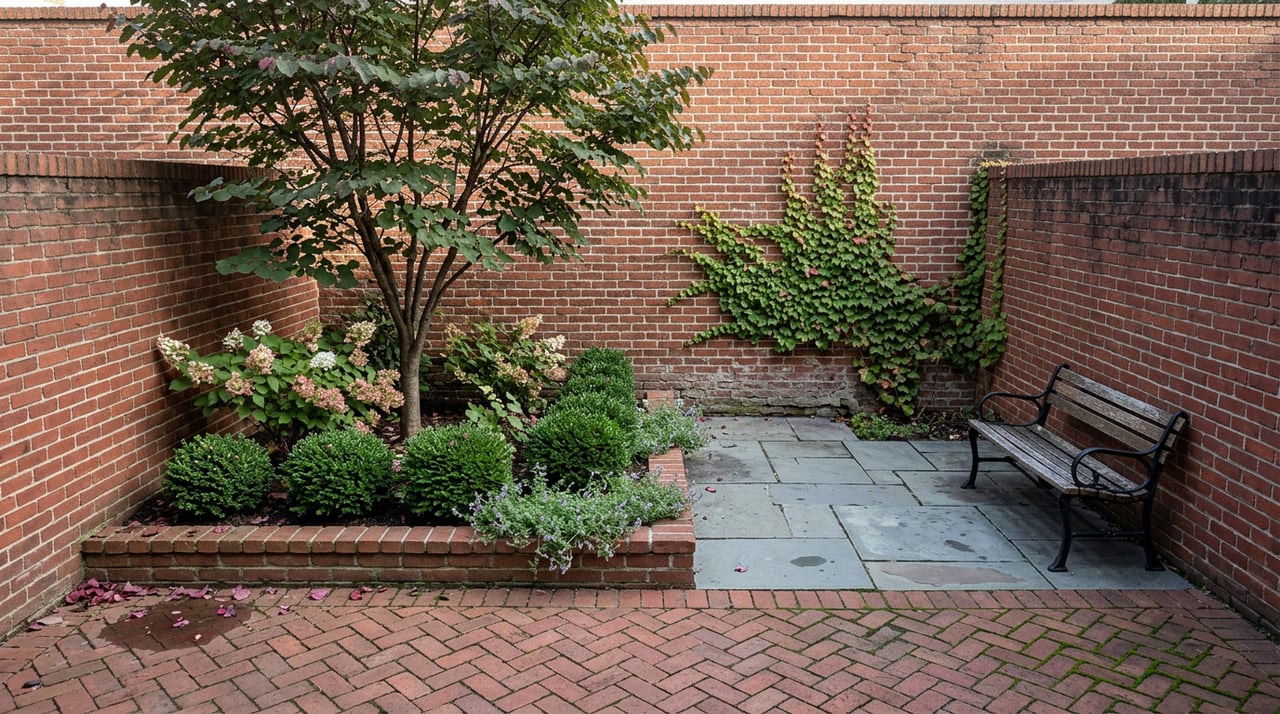
That contrast shapes the experience of living here. You can enjoy visible street activity and neighborhood energy, then turn onto a quieter block lined with historic homes and a more residential pace.
Historic Character Shapes the Mood
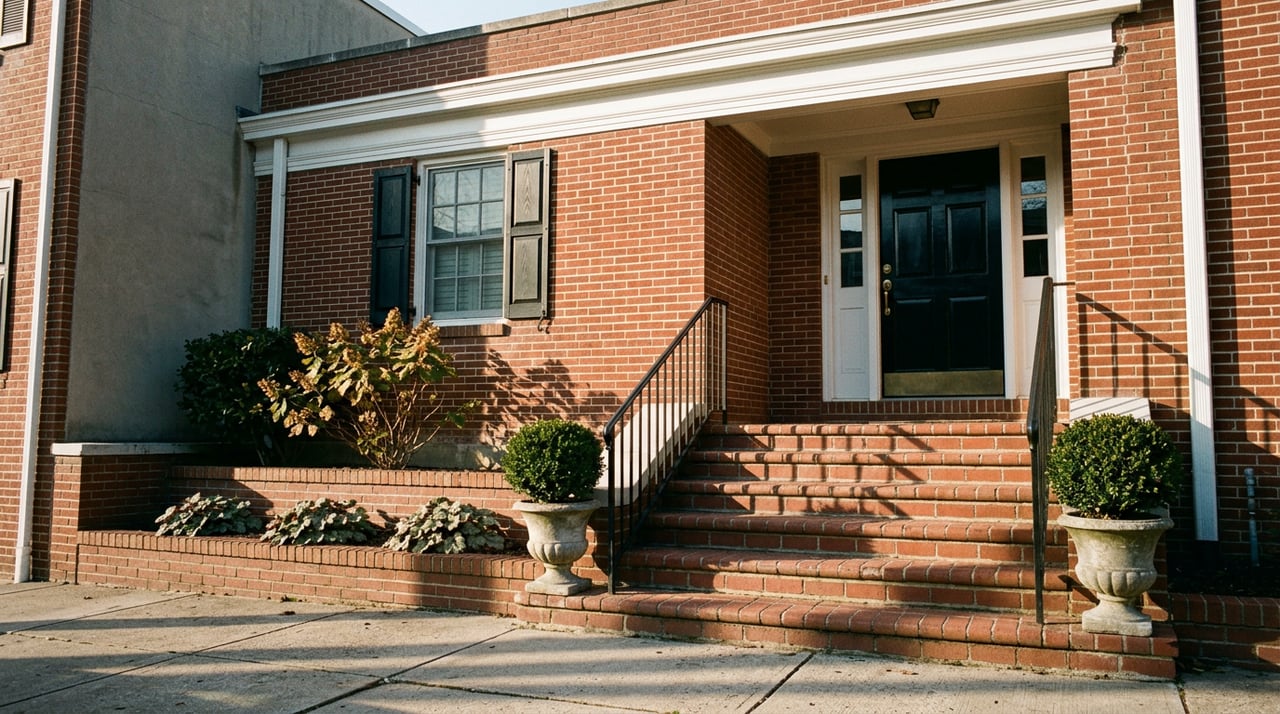
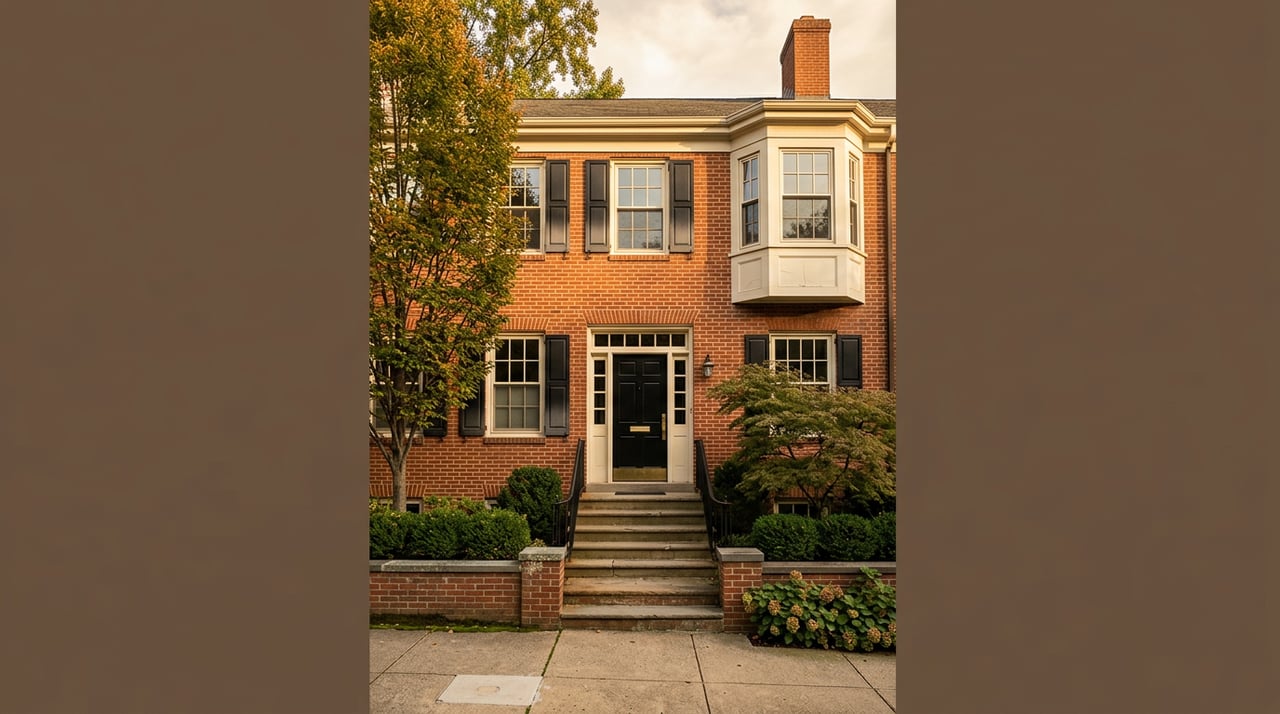
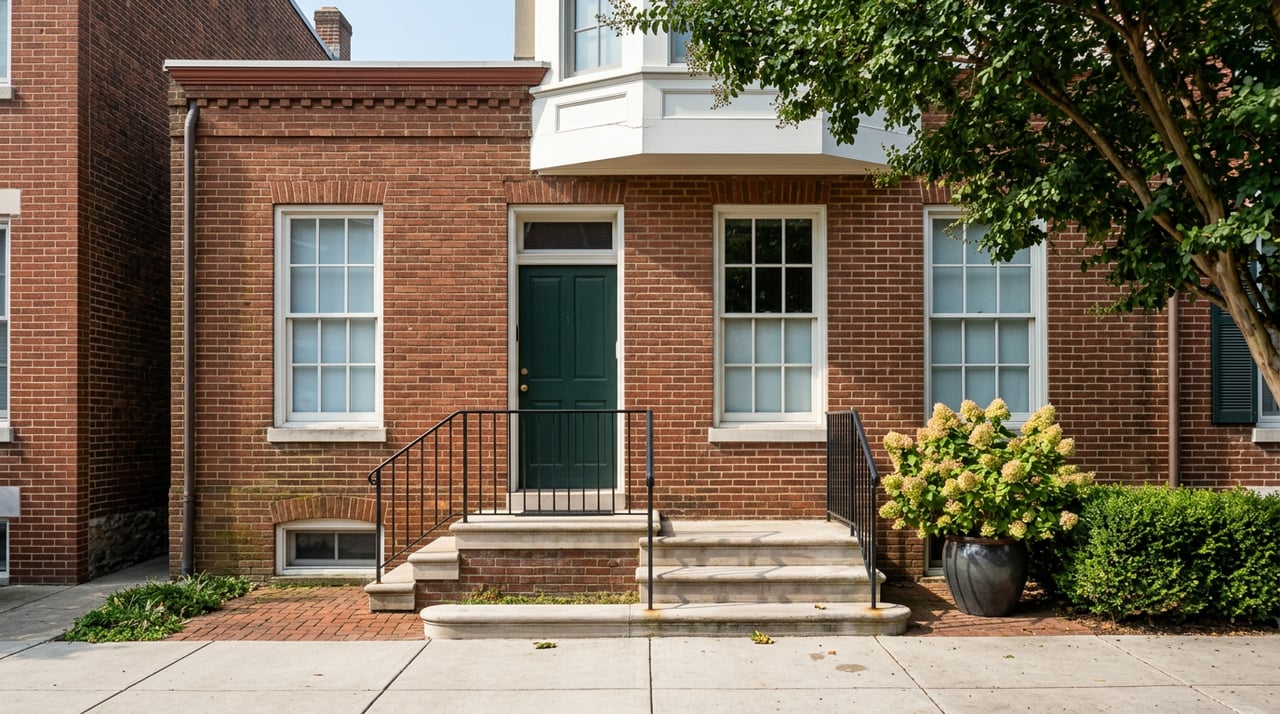
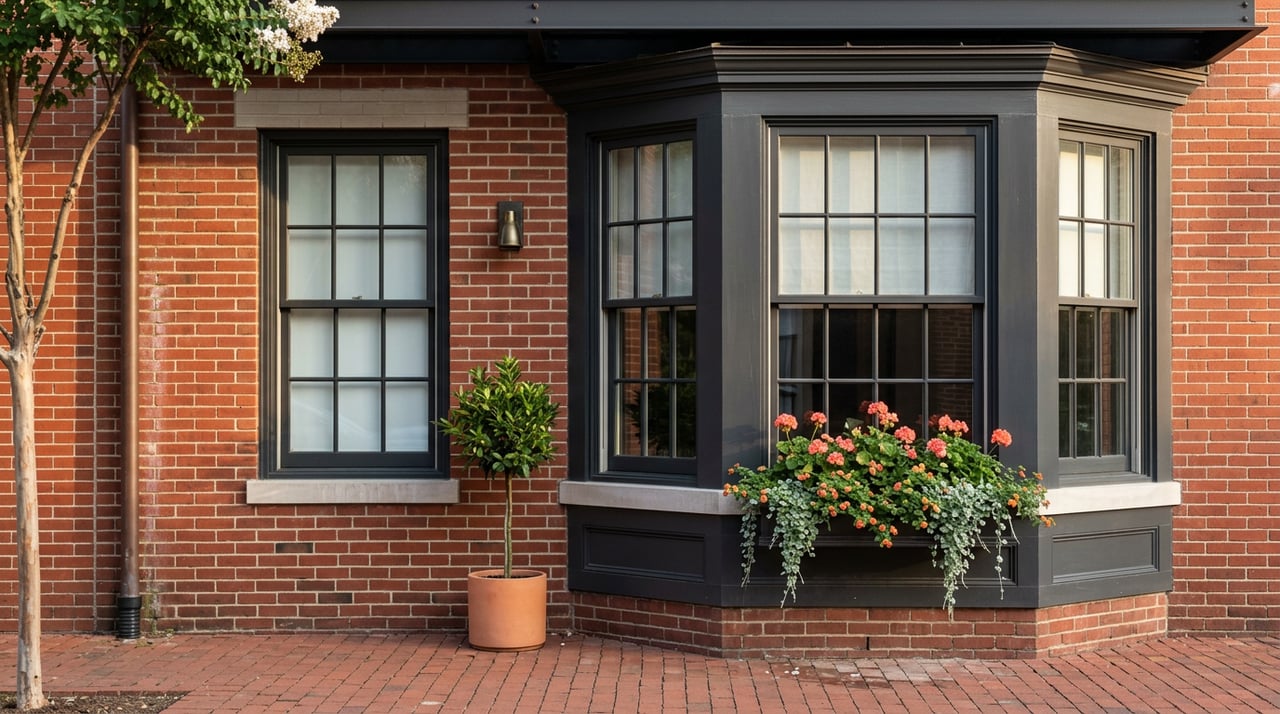
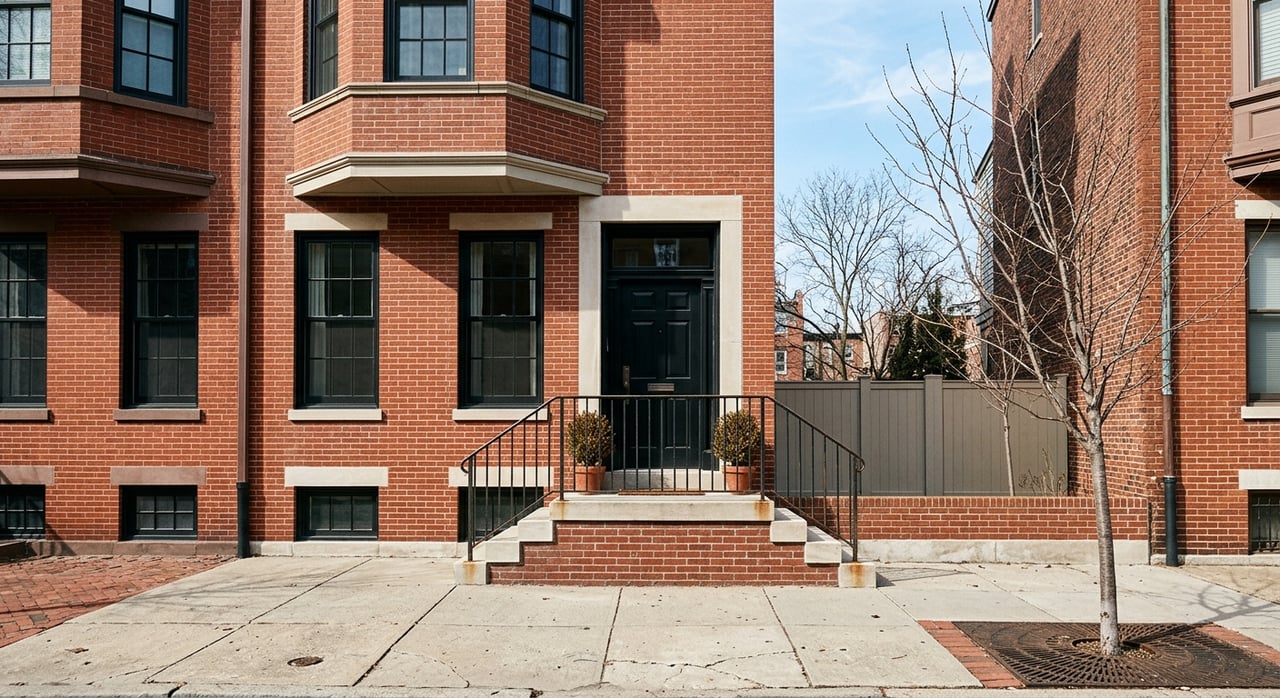
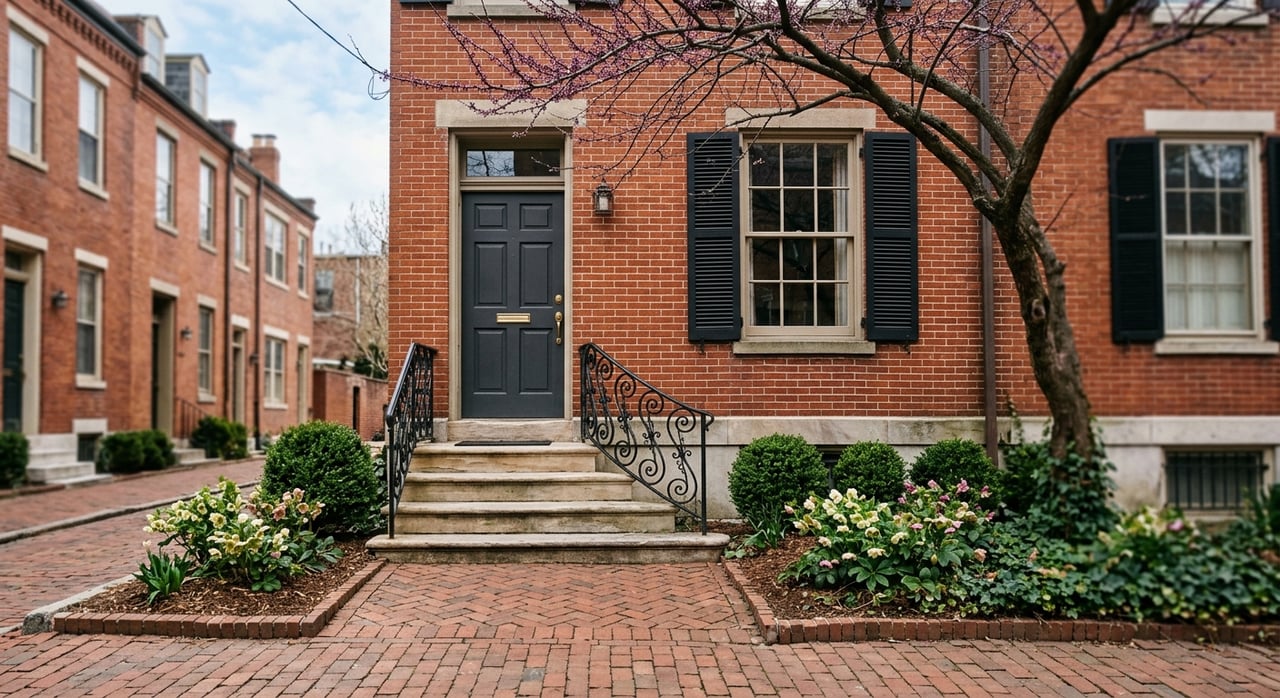
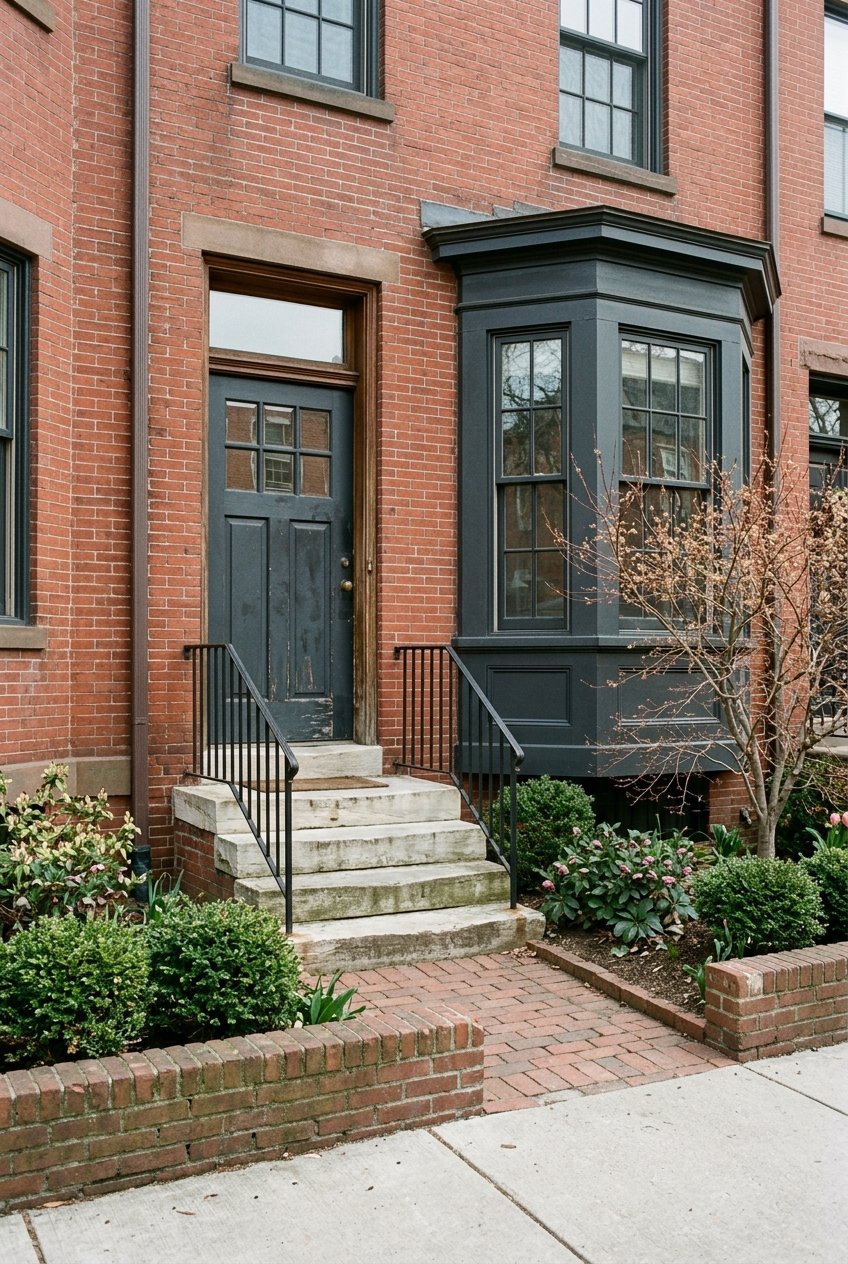
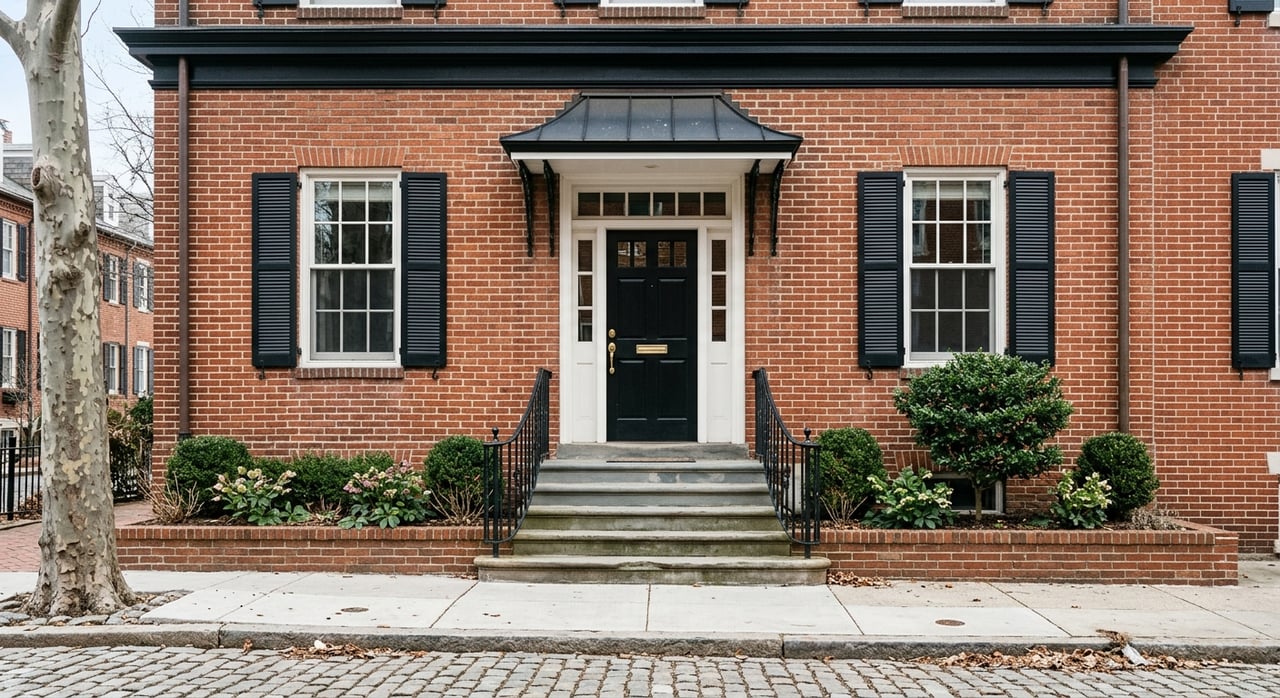
Georgetown does not feel generic. Its cobblestone streets, Federal-style architecture, brick and frame rowhouses, and historic homes create a strong sense of place that many buyers specifically seek out.
This architectural identity is part of what makes the neighborhood feel established and memorable. If you value charm, texture, and streets with visual continuity, Georgetown delivers that in a way newer neighborhoods often cannot.
Preservation Comes With Trade-Offs
That same historic character also affects what ownership can look like. Because Georgetown is a historic district, exterior changes, visible materials, and signage face more review than they would in many other parts of the city.
For you as a buyer, that may mean less renovation flexibility. The upside is that the neighborhood’s appearance and architectural integrity are closely protected, which helps preserve the character people move here for in the first place.
The Waterfront Is Part of Everyday Routine
In Georgetown, outdoor access is not just a weekend bonus. It is part of how many residents move through the day.
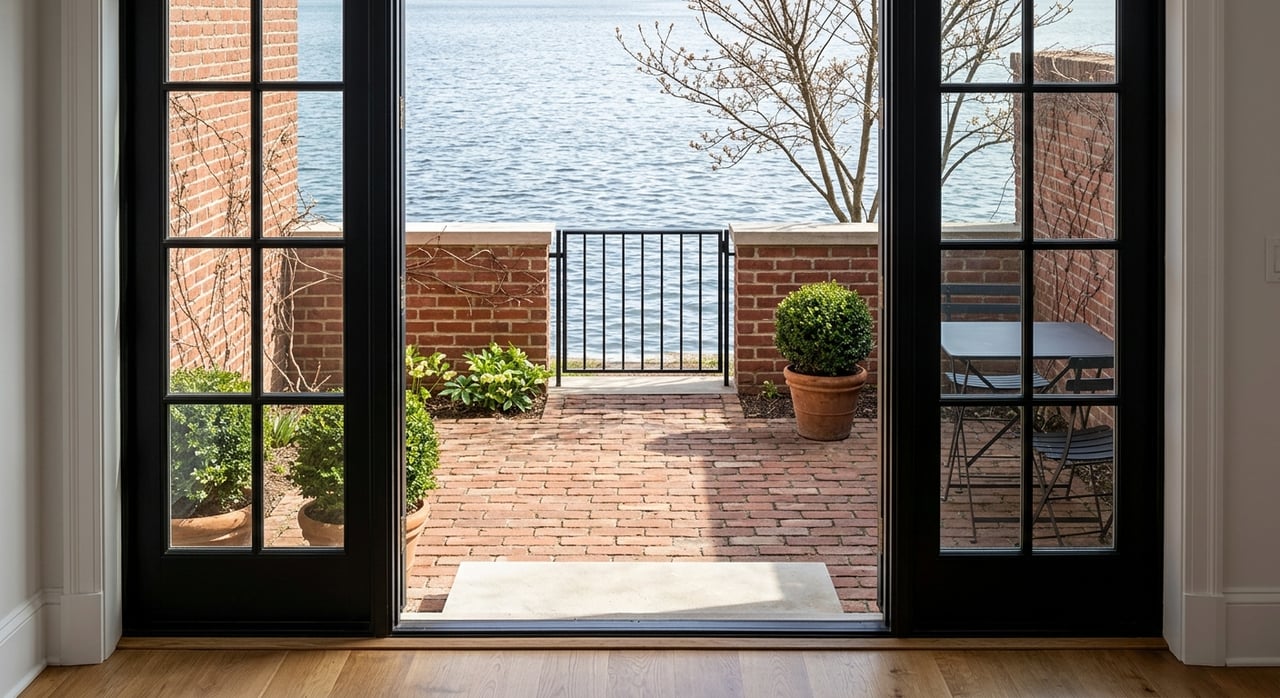
Georgetown Waterfront Park stretches for 10 acres along the Potomac from 31st Street NW to Key Bridge. With accessible paths, a boardwalk, scenic river views, and a car-free feel, it gives the neighborhood an outdoor dimension that is easy to use for a quick walk, a run, or a bike ride.
Trail Access Adds Real Convenience
Georgetown also connects directly to major regional trails. The C&O Canal towpath begins at mile 0 in Georgetown near 29th Street NW, and the Capital Crescent Trail ends at Water Street in Georgetown.
That makes the neighborhood especially appealing if you like to build walking or biking into your routine. It is not just about recreation. It is about having simple access to movement and green space without much planning.
Shopping and Dining Are Built Into the Lifestyle
Some neighborhoods offer a few good spots nearby. Georgetown offers a lifestyle where dining, shopping, and services are deeply built into daily life.
Because the retail and restaurant mix is concentrated in a relatively small area, street activity is a normal part of the atmosphere. For many residents, grabbing dinner, meeting a friend, or picking up what they need feels convenient rather than scheduled.
You Will Notice a Strong Pedestrian Presence
Georgetown is one of the clearest examples in DC of a neighborhood where people are often out and about. That visible pedestrian activity contributes to the feeling that the area is always in motion.
If you want a home base where errands and leisure naturally overlap, that is a real advantage. If you prefer a more private or low-traffic environment, it is worth thinking carefully about which block and home style best fit your routine.
Getting Around Takes a Little Strategy
Georgetown is walkable, but it is not a car-first neighborhood. That distinction matters.
Parking is available, with 20 lots and garages offering more than 3,800 spaces, but daily driving comes with some planning. Curb restrictions on M Street and parts of Wisconsin Avenue during weekday peak periods are part of the normal equation, so time of day can affect convenience.
There Is No Metro Stop in Georgetown
One of the most important practical details is that Georgetown does not have its own Metro station. Nearby options include Foggy Bottom-GWU, about a 15-minute walk away, and Rosslyn across the Key Bridge.
Transit still works here, but it works differently than in a rail-centered neighborhood. Daily movement is often built around walking, Metrobus, biking, rideshare, and nearby rail access rather than stepping directly onto a train within the neighborhood itself.
Short Trips Often Feel Simple
For local movement, Georgetown supports biking and short-distance travel well. The neighborhood includes nearly 50 public bike racks, eight Capital Bikeshare stations, and a bike fix-it station on K/Water Street.
That infrastructure reinforces the way Georgetown often works best in real life. Many short trips can be handled on foot or by bike, which is one reason the neighborhood can feel convenient even without an in-neighborhood Metro stop.
The Student Presence Adds Energy
Georgetown also has a meaningful daytime population connected to Georgetown University and nearby George Washington University. Together, those schools bring more than 45,000 students into the area.
That does not mean every block feels student-oriented. It does mean the neighborhood tends to have a steady flow of people and activity during the day, which contributes to its lively, layered feel.
Housing in Georgetown Has a Distinct Identity
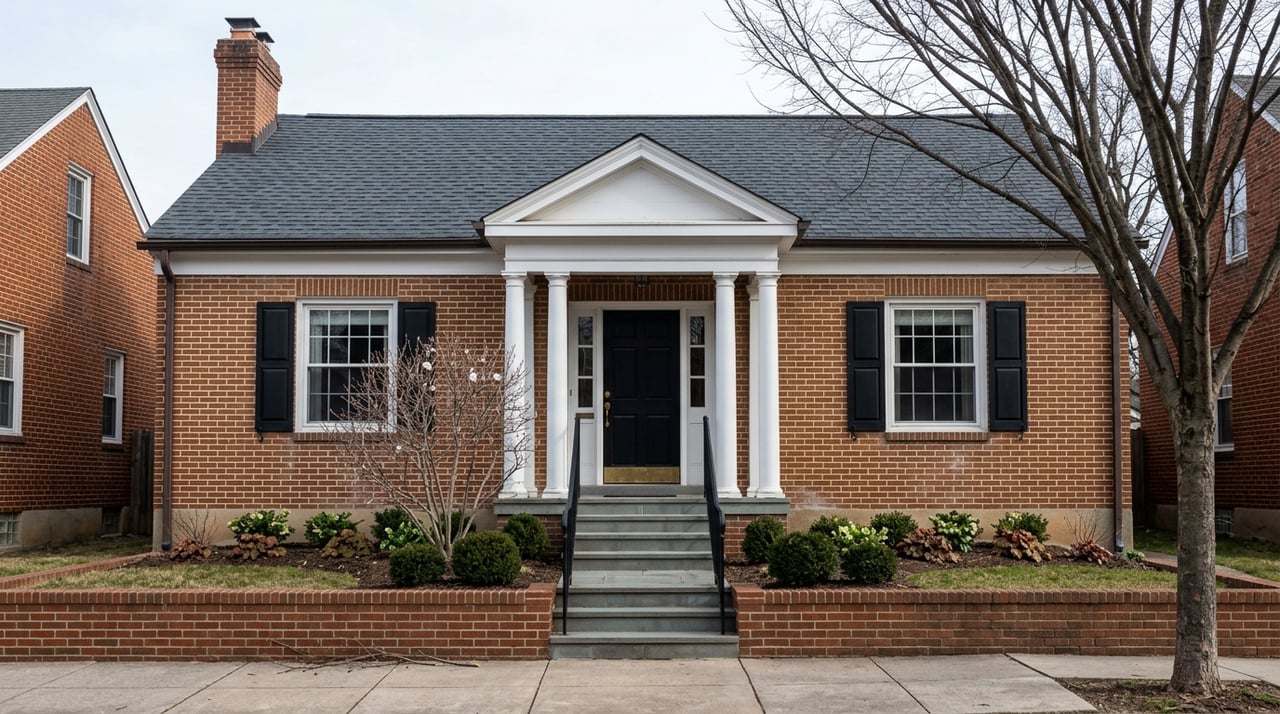
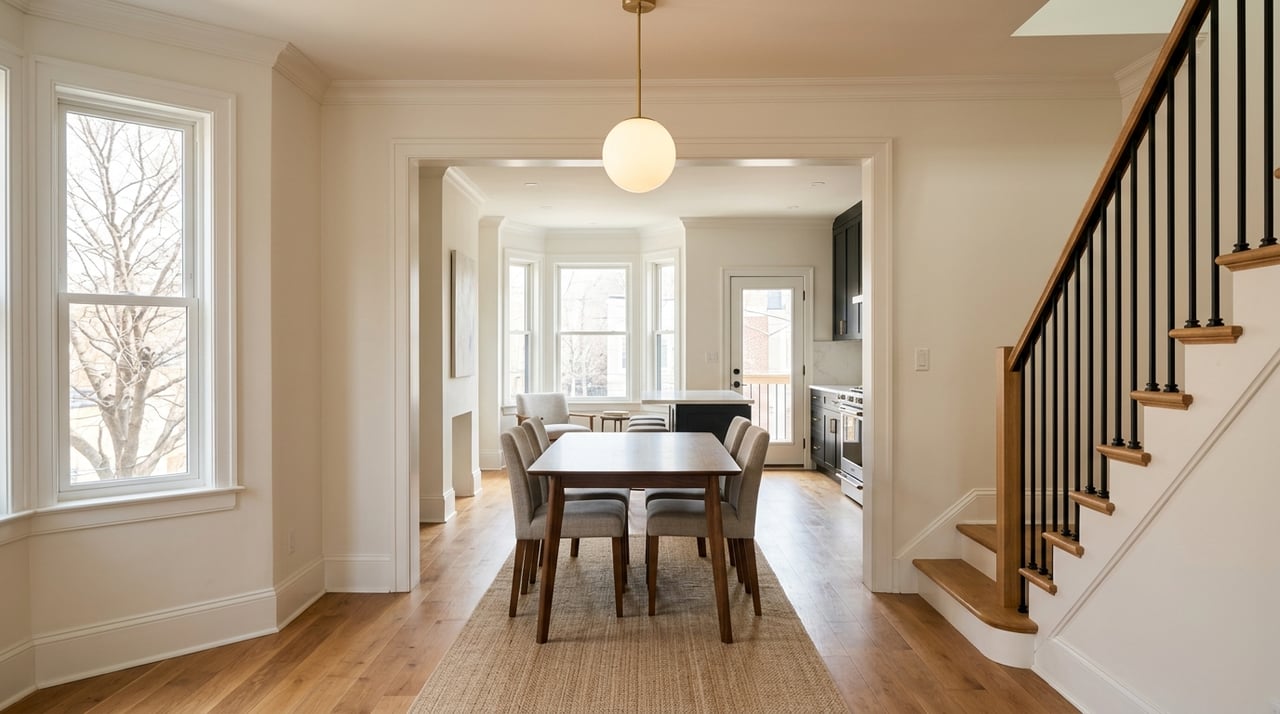
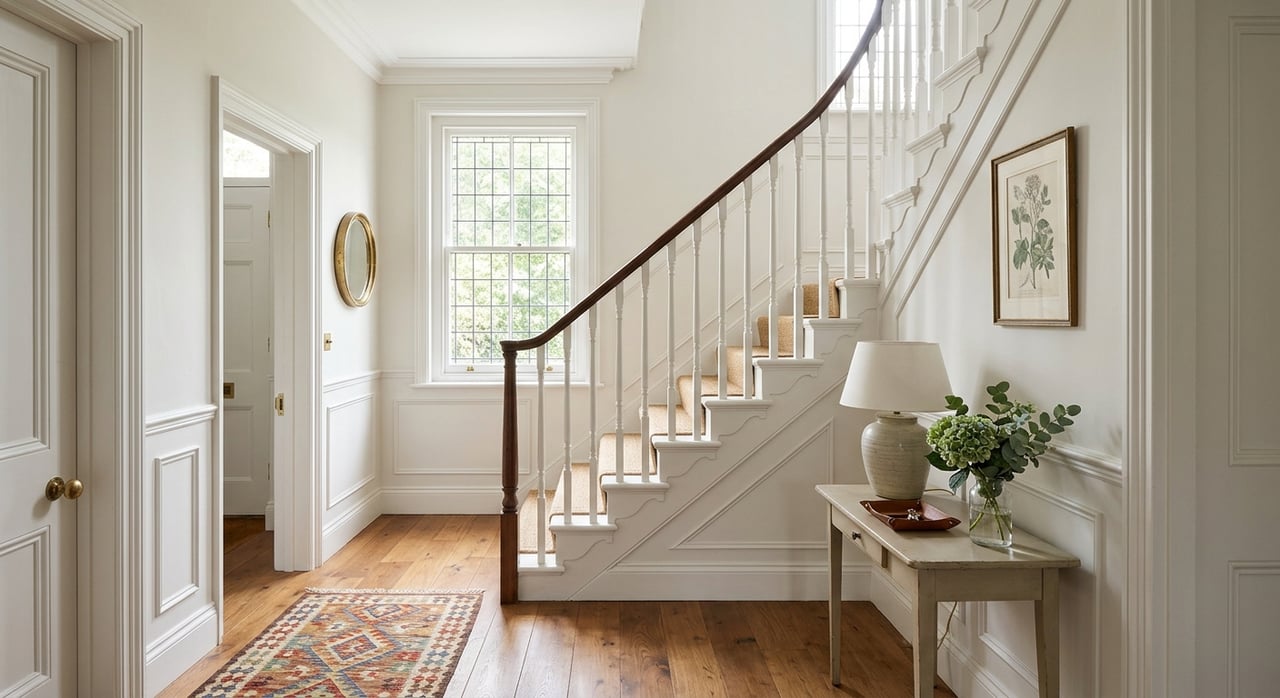
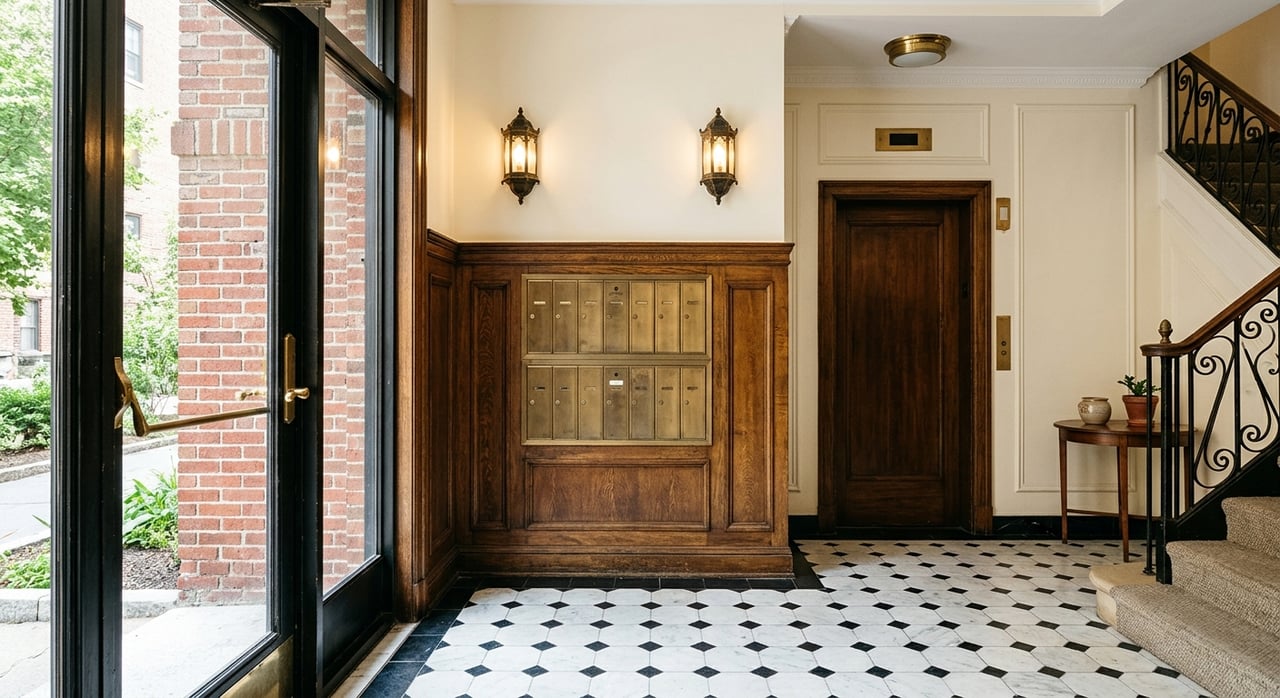
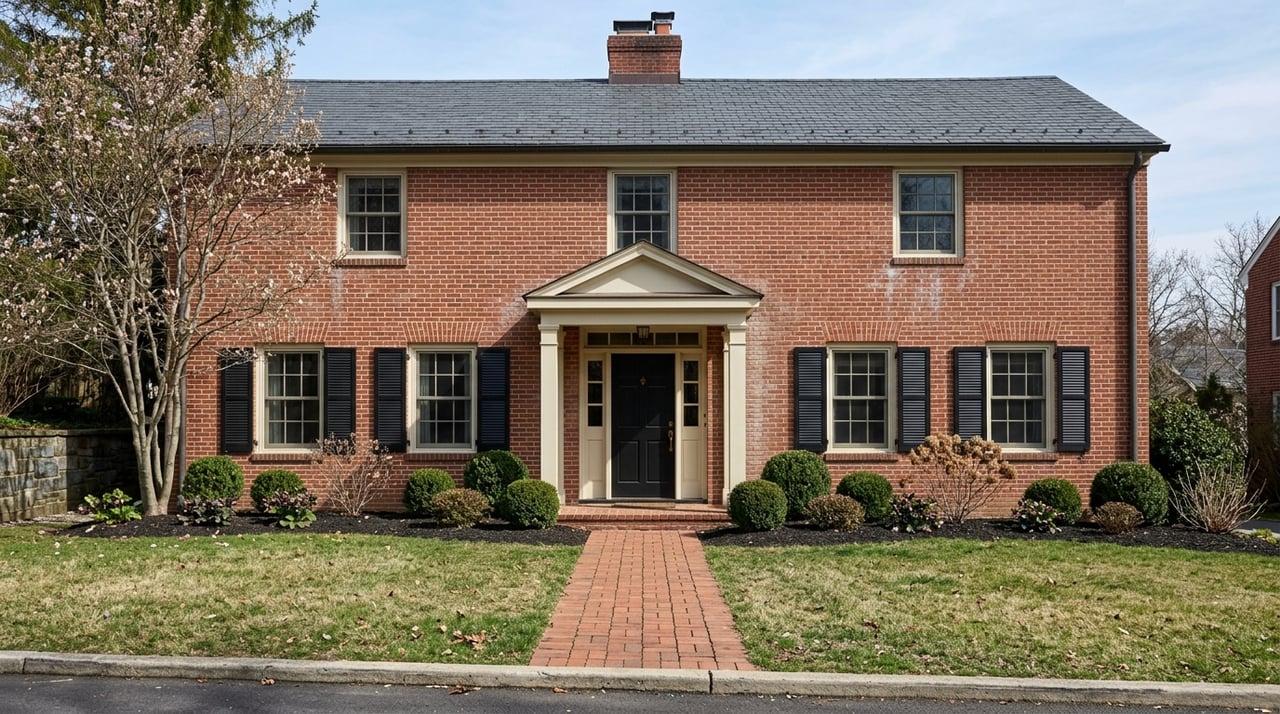
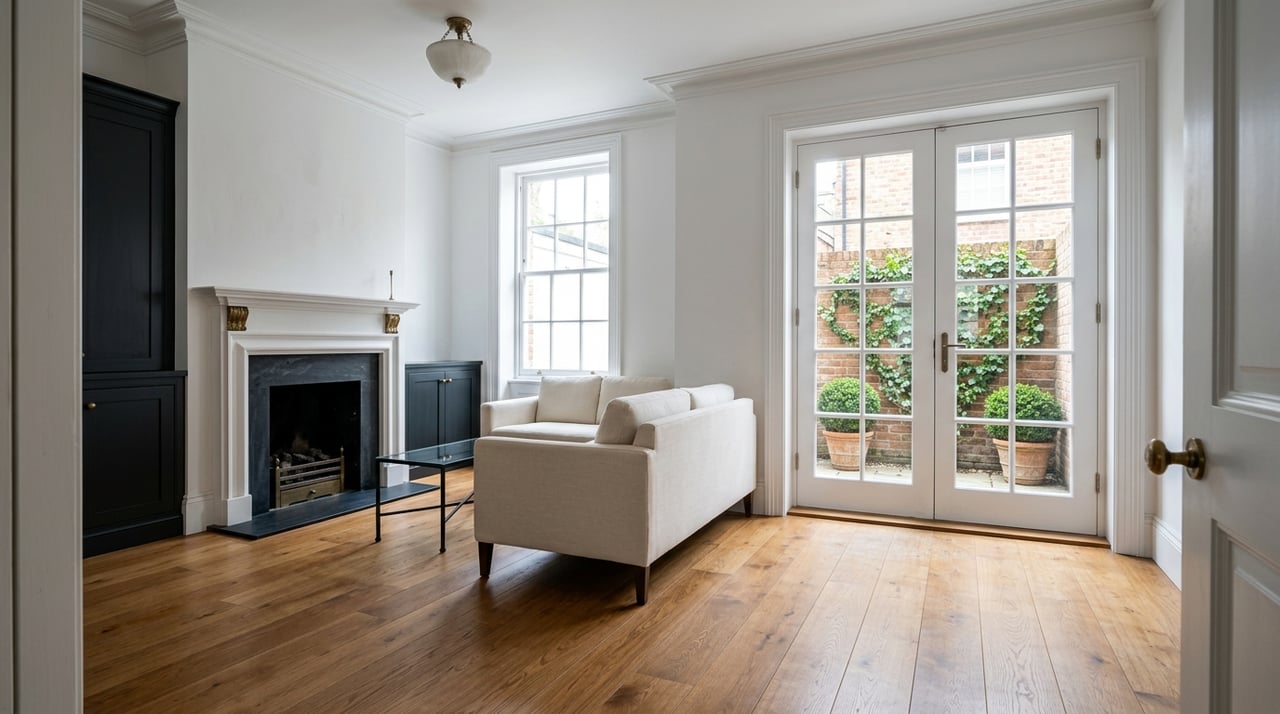
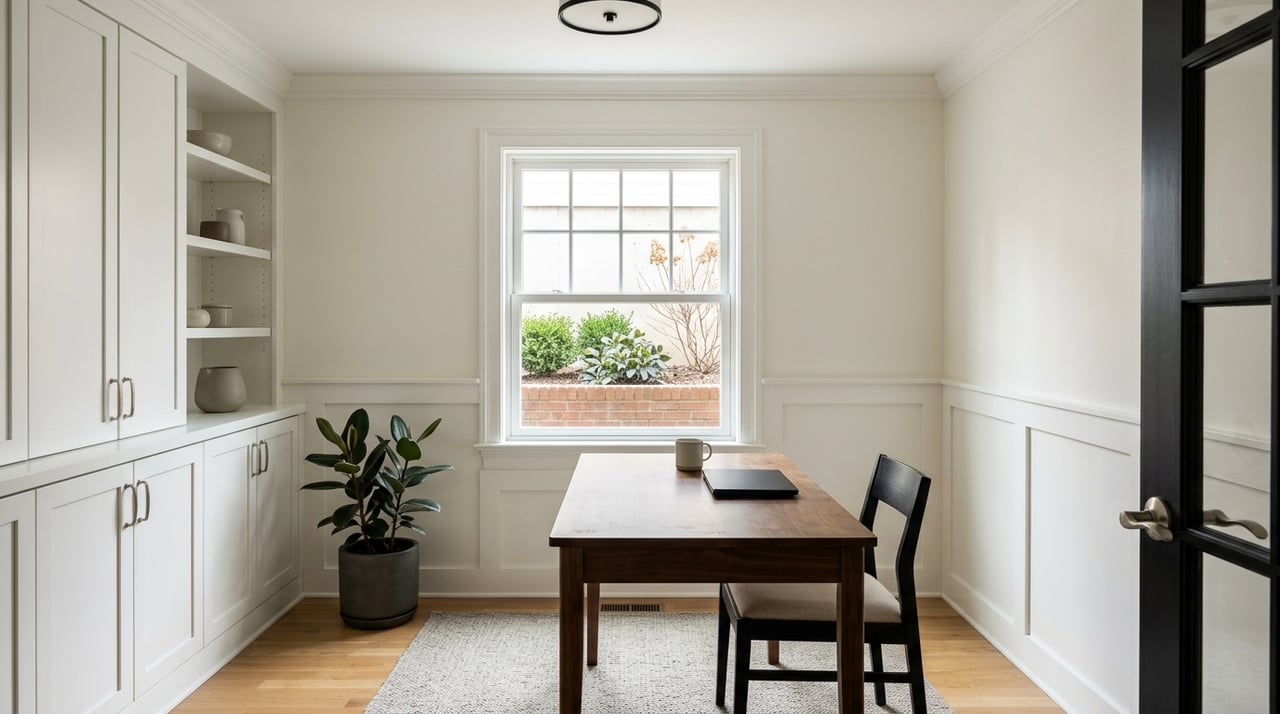
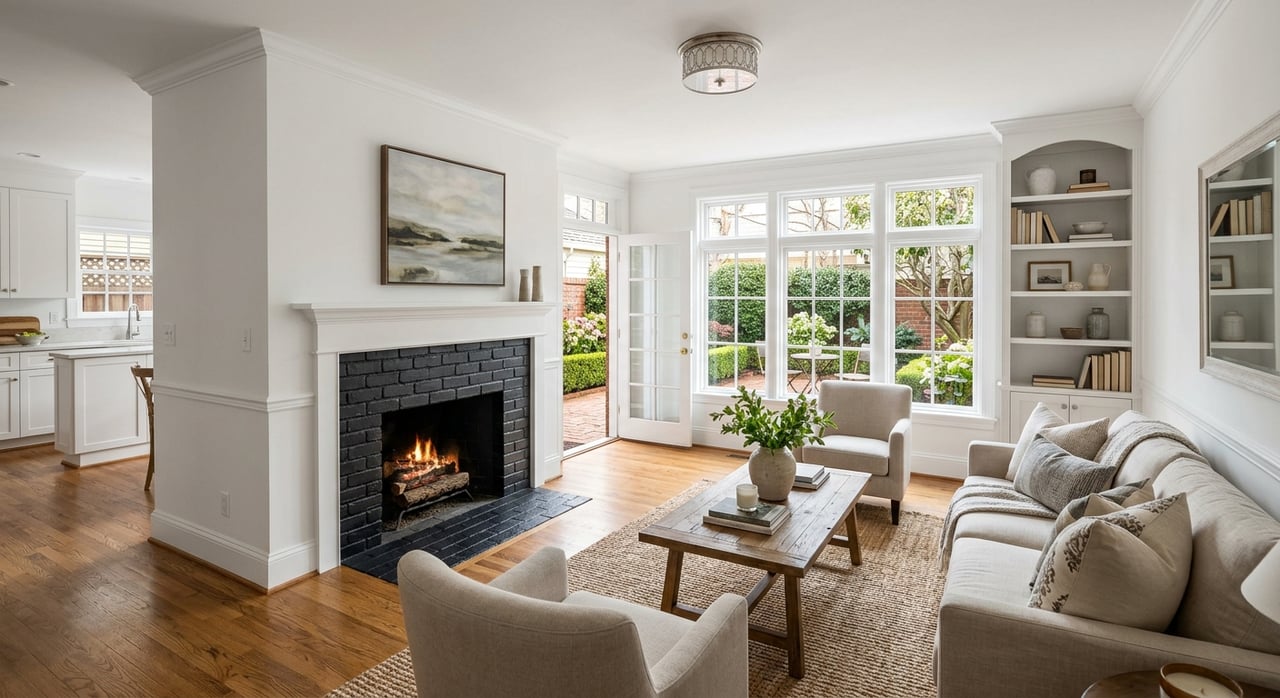
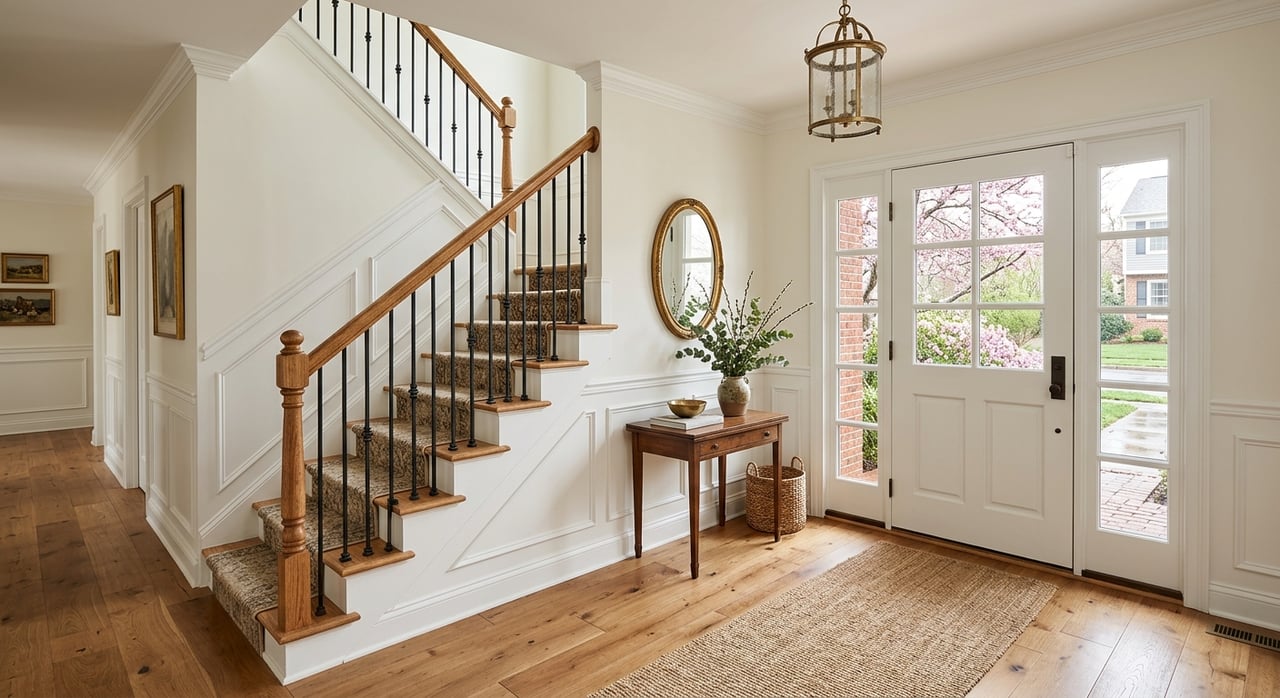
If you buy in Georgetown, you are buying into a very specific housing experience. The neighborhood is especially known for historic brick and frame rowhouses, Federal-style architecture, and larger historic homes dating back as early as the mid-1700s.
That housing stock gives Georgetown a level of visual consistency and architectural depth that stands out even within Washington. For many buyers, that is a major reason to be here.
Georgetown Sits at the Luxury End
Georgetown is firmly positioned at the luxury end of the DC market. In March 2026, Redfin reported a median sale price of $1.65 million in Georgetown, compared with $677,000 for Washington, DC overall, while Zillow placed the neighborhood’s typical home value at about $1.51 million.
That pricing shapes the buyer pool and the expectations that come with it. You are typically paying for location, architecture, walkability, and long-term neighborhood prestige, not just interior finishes.
Market Pace Is Active but Not Frantic
Redfin also reported a median 57 days on market in Georgetown. That suggests real demand, but not necessarily the kind of ultra-fast turnover you might see in a more entry-level or highly compressed segment.
For buyers, that can mean opportunities still require preparation and strong strategy, but not every decision has to happen in a rush. For sellers, it reinforces the importance of presentation, pricing, and thoughtful positioning.
Who Tends to Love Living Here
Georgetown often appeals to buyers who want more than a home. They want a neighborhood with architectural character, strong walkability, waterfront access, and a daily rhythm that feels both urban and refined.
It can be especially compelling if you value being able to step outside and move easily between home, dining, errands, and outdoor space. It may be less ideal if you want easy parking, broad renovation freedom, or a commute centered on a neighborhood Metro station.
The Real Trade-Offs to Know
Every neighborhood has trade-offs, and Georgetown is no exception. Here, the main ones are usually clear.
You are balancing strong character and lifestyle appeal against higher price points, tighter parking, and preservation rules. For many buyers, that trade still makes excellent sense because the neighborhood offers a living experience that is difficult to replicate elsewhere in DC.
If you are considering a move to Georgetown, the right fit often comes down to how you live every day. The best purchase is not just the prettiest home. It is the one that matches your routines, priorities, and long-term goals. If you want tailored guidance on Georgetown homes, pricing, and block-by-block lifestyle differences, Infinity Group can help you navigate the market with clarity and discretion.
FAQs
What does everyday living in Georgetown, DC feel like?
- Everyday living in Georgetown usually feels walkable, active, historic, and waterfront-connected, with busy commercial streets balanced by quieter residential blocks.
Is Georgetown, DC a walkable neighborhood for daily errands?
- Yes. Georgetown’s compact commercial core makes it possible for many residents to combine errands, dining, and casual outings on foot.
Does Georgetown, DC have a Metro station?
- No. Georgetown does not have its own Metro station, so daily transit typically relies on walking to nearby stations, Metrobus, biking, rideshare, and driving.
What are the main housing styles in Georgetown, DC?
- Georgetown is best known for historic brick and frame rowhouses, Federal-style architecture, cobblestone streets, and larger historic homes.
Is Georgetown, DC expensive compared with the rest of Washington?
- Yes. Research cited here shows Georgetown priced well above Washington, DC overall, reflecting its historic housing stock, walkability, and luxury market position.
What are the trade-offs of living in Georgetown, DC?
- The main trade-offs are typically higher home prices, tighter parking, no in-neighborhood Metro stop, and preservation rules that can limit exterior changes.