If you are eyeing a condo in Dupont Circle, you are looking at one of D.C.’s most character-rich neighborhoods with steady demand and limited new supply. The area’s historic buildings, central location, and boutique newer developments make pricing feel nuanced. You want a clear framework to compare units, judge a building’s health, and know when to move fast.
This guide breaks down current pricing signals, the building types you will find, features that drive value, and a practical checklist for reviewing any listing. You will also see how Dupont stacks up to nearby areas and when to use leverage in negotiations. Let’s dive in.
Dupont Circle at a glance
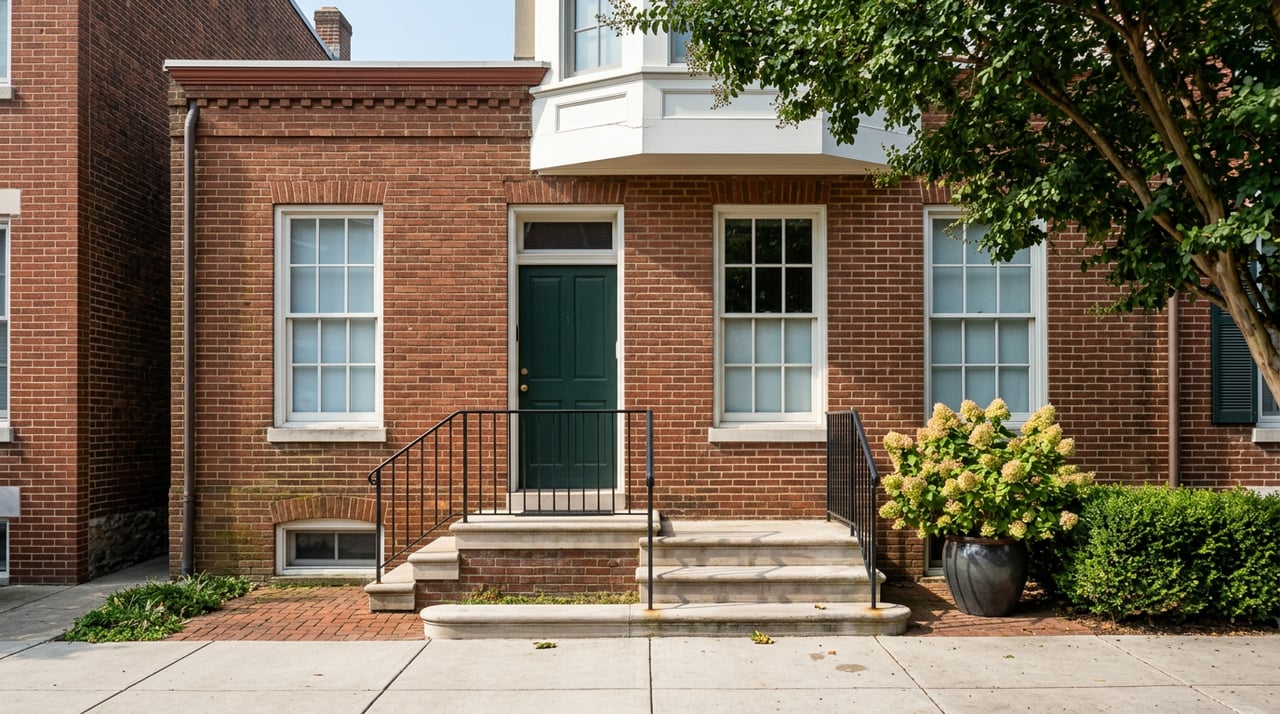
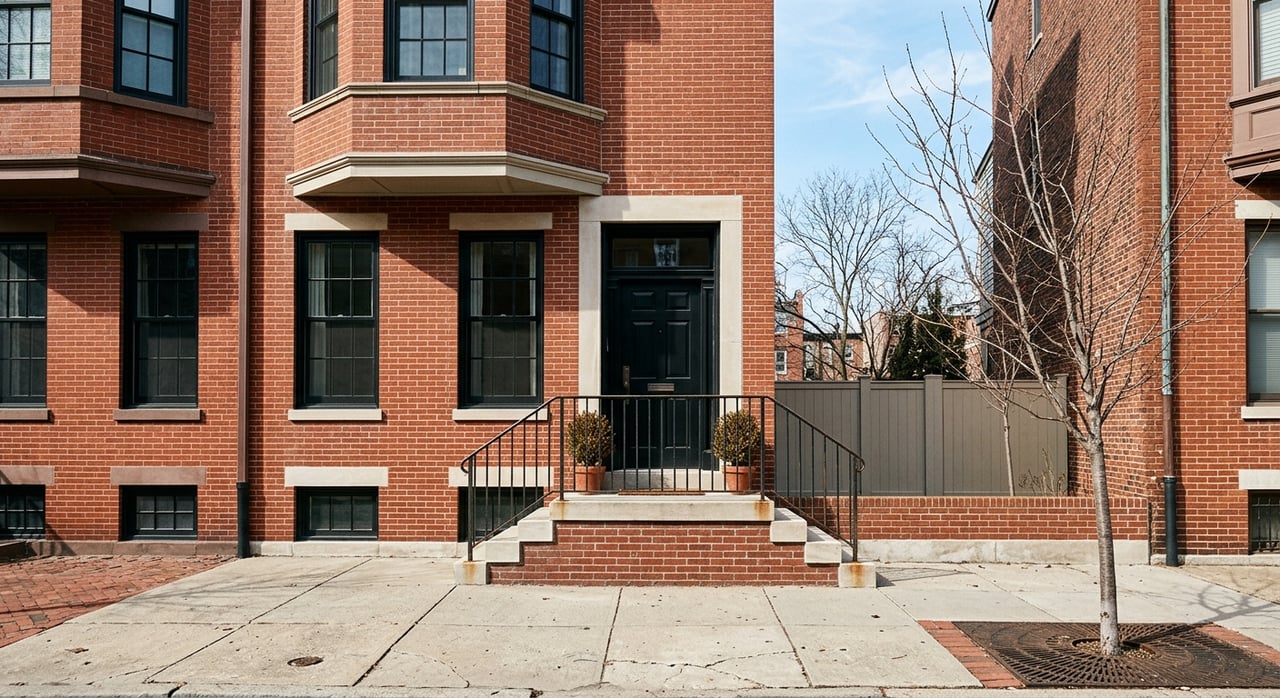
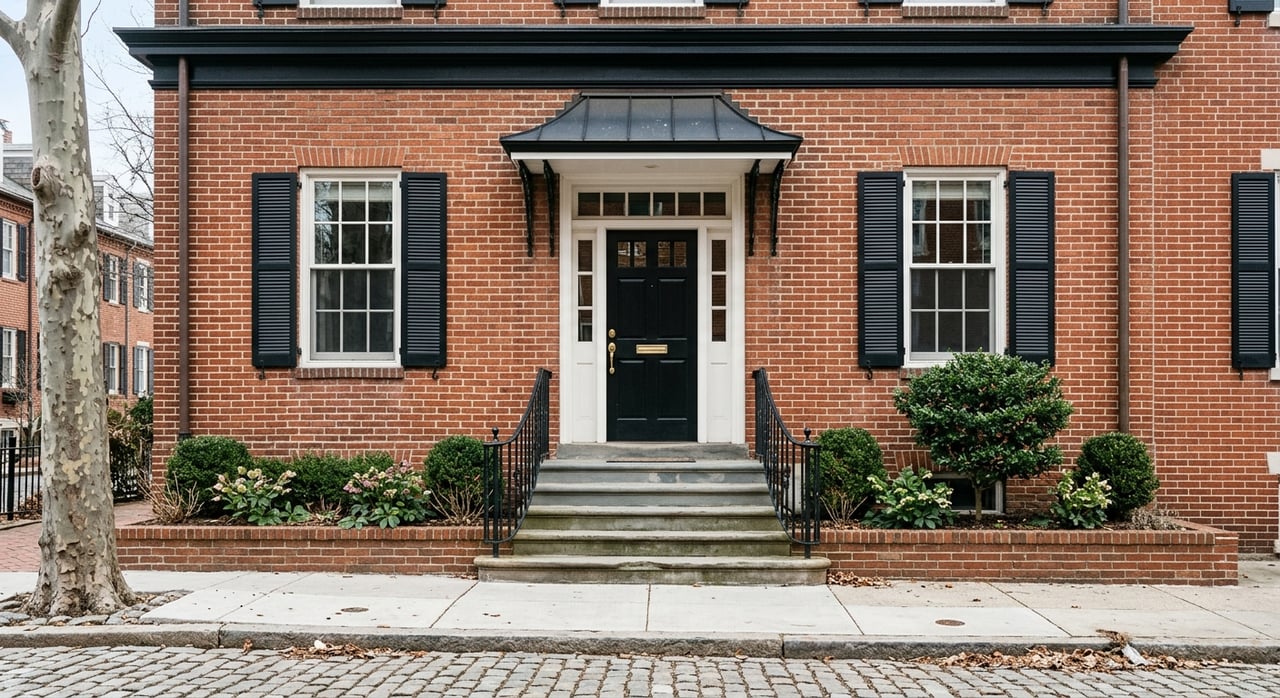
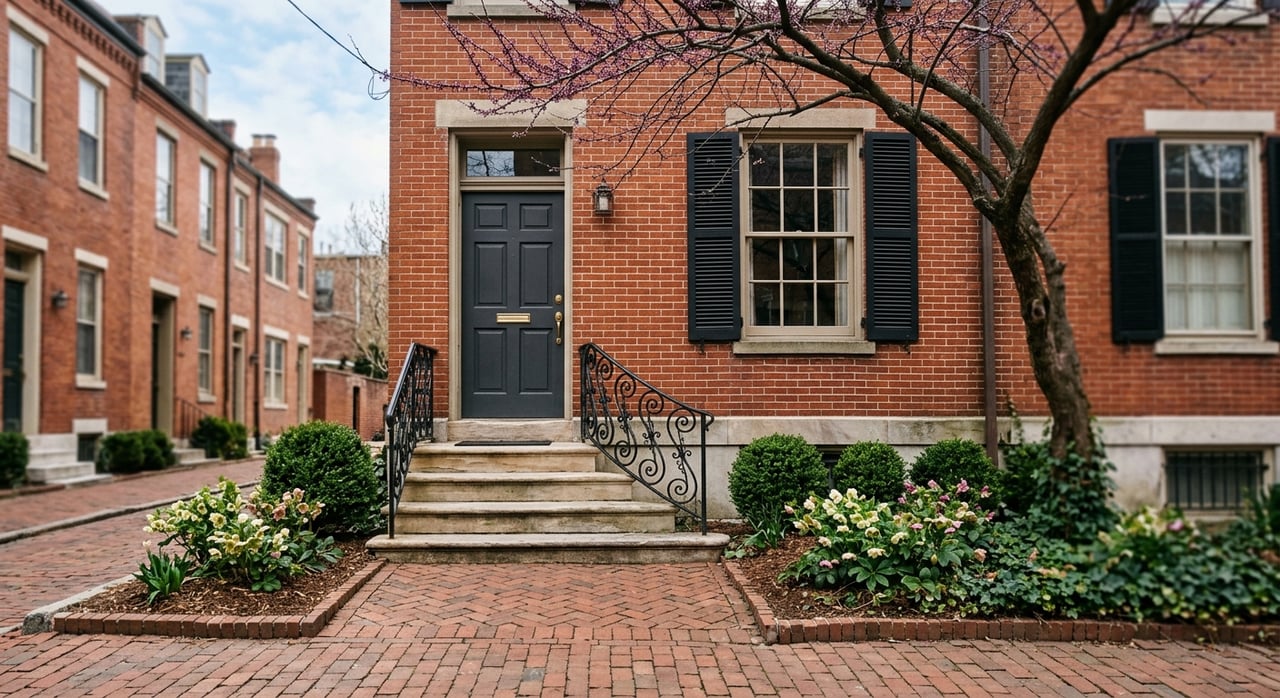
Dupont Circle blends late 19th and early 20th century architecture with a modest pipeline of boutique newer condos. Much of the neighborhood falls within the Dupont Circle Historic District, which helps preserve its look and naturally limits large-scale new construction. That balance of charm and constraint shapes resale dynamics and buyer expectations. For a quick neighborhood overview, see the history and district notes on the Dupont Circle page on Wikipedia.
What condos cost today
Public market snapshots put the broader Dupont Circle median sale price in the low to mid $500Ks with a median price per square foot around the high-$600s and typical market times of roughly two months. Those figures mix condos, co-ops, and other home types, and the exact values vary by vendor and timeframe. For a condo-specific decision, use condo-only sold comps from Bright MLS to confirm the right range for your building, floor, and finish level.
The local market has rebalanced from the 2021–2022 frenzy, but it is not uniform. As regional coverage noted in 2024–2025, inner-core neighborhoods show a split market where some price bands move quickly while others sit longer depending on building quality and buyer pool size. You can see that bifurcation described in Washington Post coverage of shifting market dynamics.
How Dupont compares nearby
- Logan Circle often trades at higher medians per square foot, especially in newer or fully renovated boutique buildings.
- Georgetown’s prices skew higher still because much of its inventory is townhouses and ultra-luxury condos. Recent luxury projects there set record prices that are not a direct comp for most Dupont units.
The takeaway: focus on condo-only comps in Dupont, then adjust for year built, amenities, and parking when comparing.
Building types you will see
Pre-war conversions and co-ops
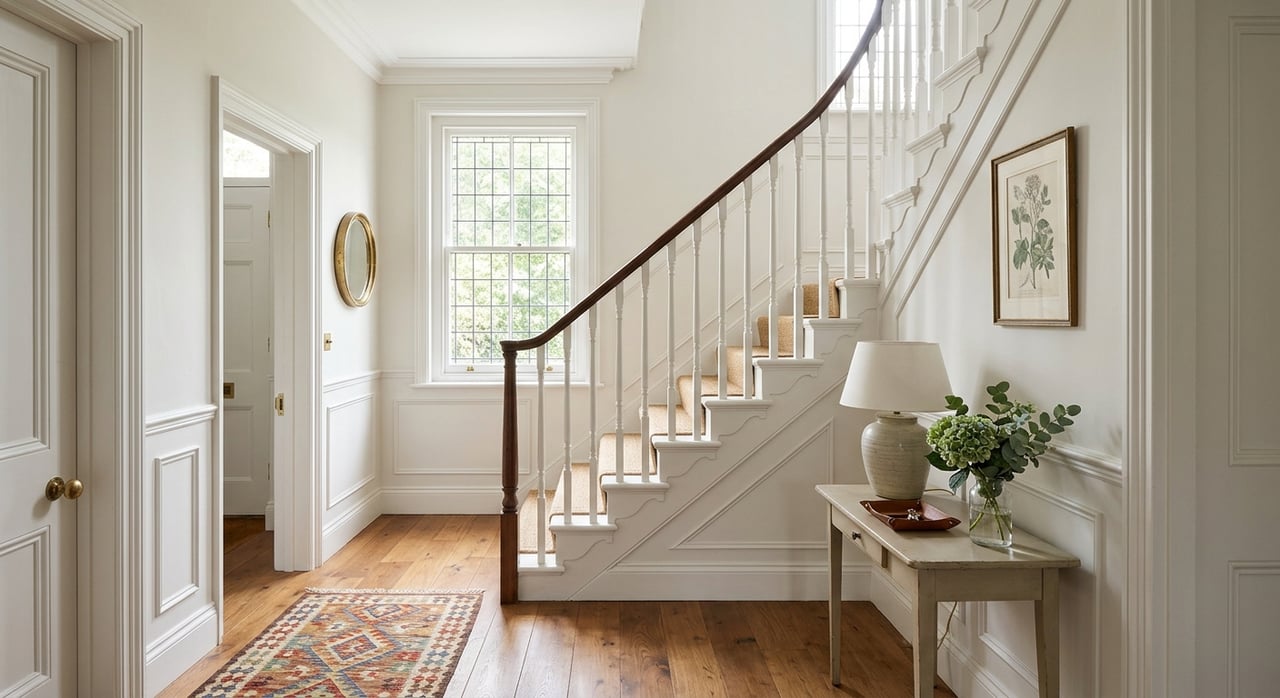
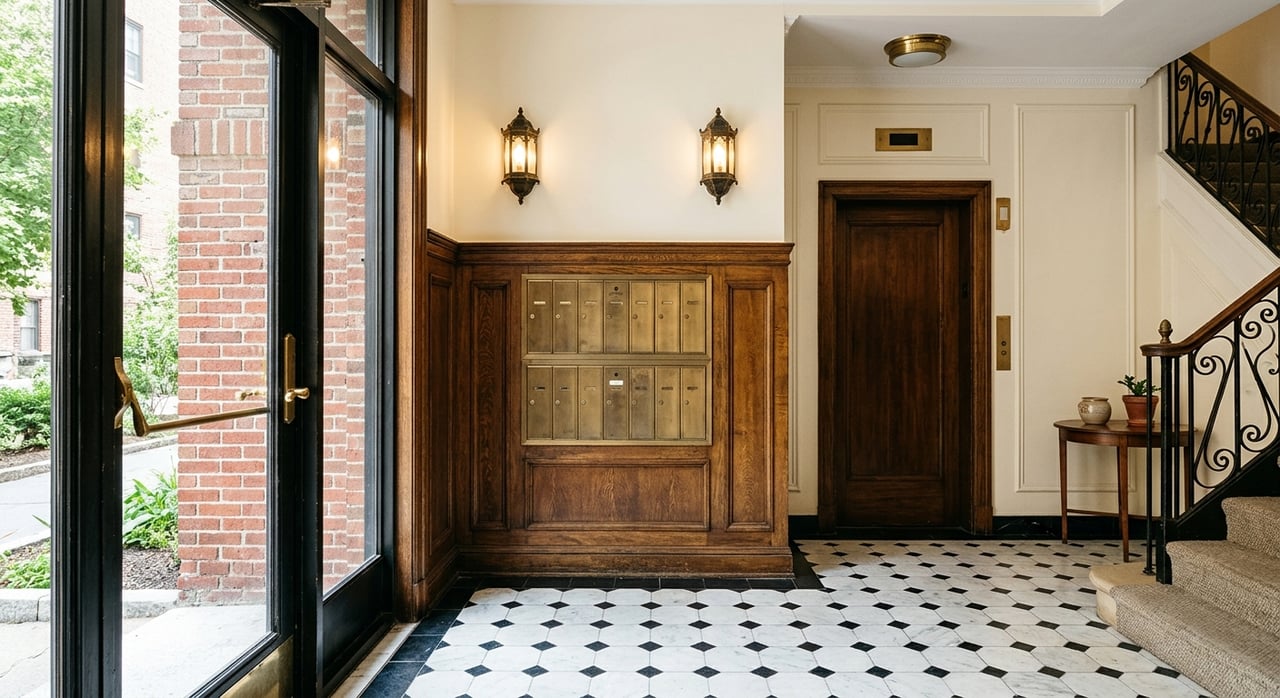
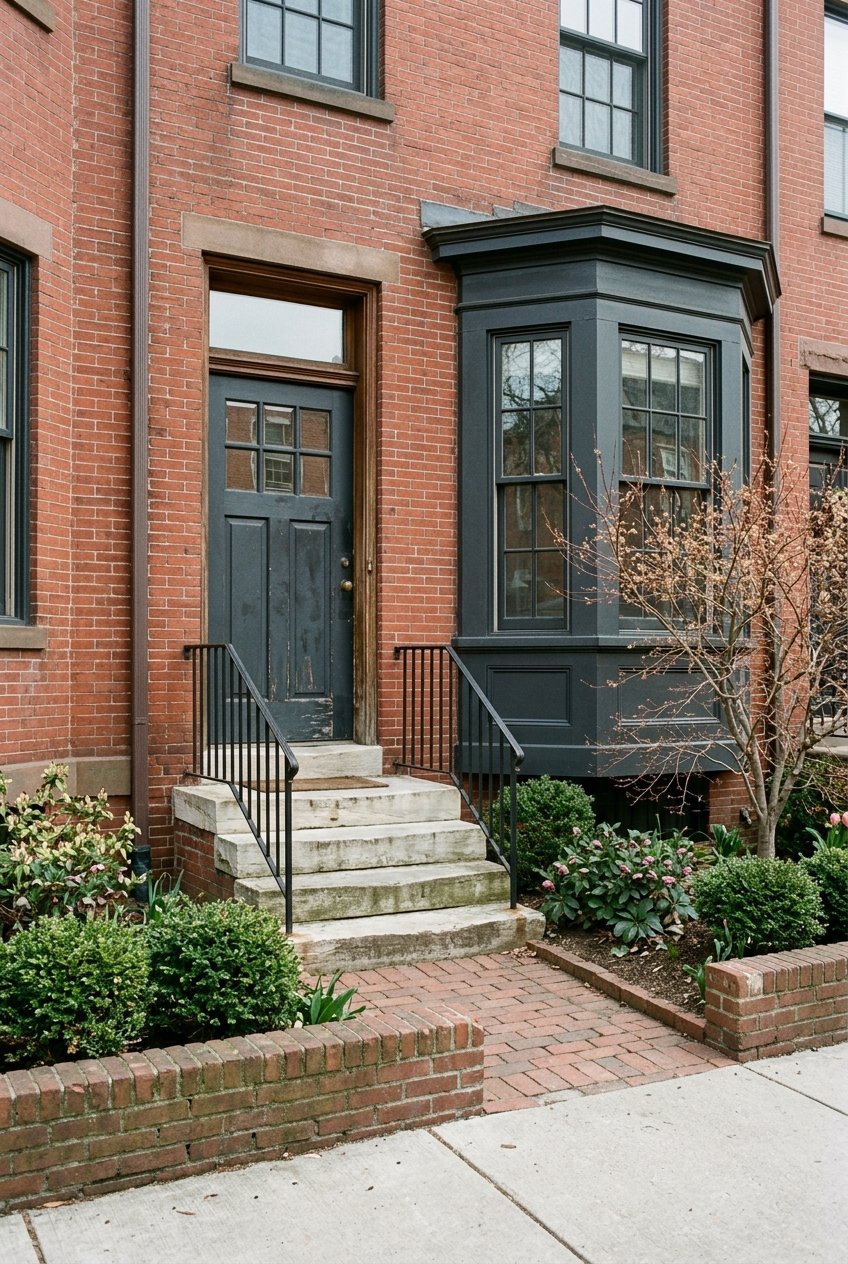
These are often converted mansion apartments or rowhouses with high ceilings, character details, and efficient floor plans. Common areas can be simple. Many lack elevators or deeded parking. Pros include charm and central locations, sometimes at a lower entry price per unit. Cons include older systems and more variability in association reserves and policies.
Boutique newer construction
Newer boutique buildings offer elevators, modern mechanicals, bike storage, package rooms, roof decks, and, at times, concierge services. Parking is more likely but not guaranteed and may be deeded or separately priced. These buildings command a premium per square foot, closer to Logan Circle or West End pricing, depending on finishes and amenities.
Typical HOA fee ranges
Monthly fees vary widely based on age, staffing, and amenities. In many smaller or older buildings, fees often land in the low hundreds per month, while newer or staffed buildings can be higher. Always verify inclusions, especially utilities and reserve funding.
What drives value in Dupont condos
Deeded parking premium
Parking is scarce and expensive to build in walkable, historic neighborhoods. That scarcity shows up in resale values. Research on structured parking costs and urban pricing supports a meaningful premium for units that include deeded parking. For context on why, review this overview of parking costs and policy from UCLA ITS. If you drive regularly, a deeded space can be worth the upfront premium and future resale boost.
Private outdoor space
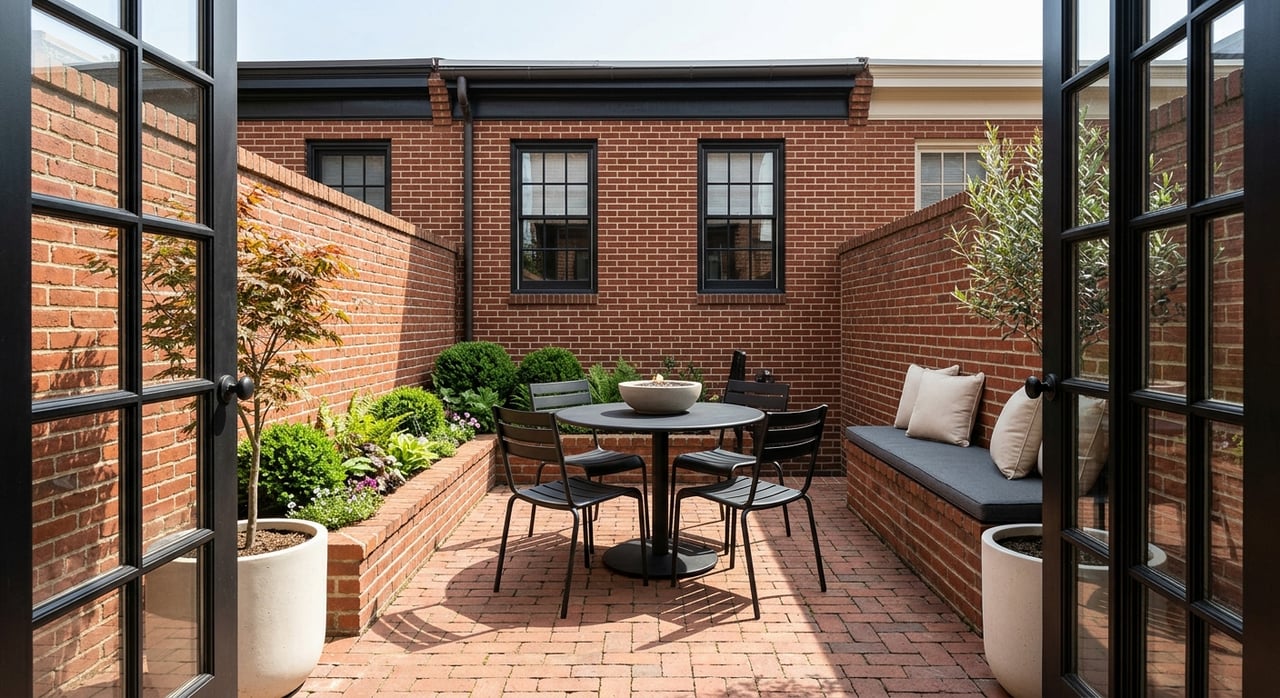
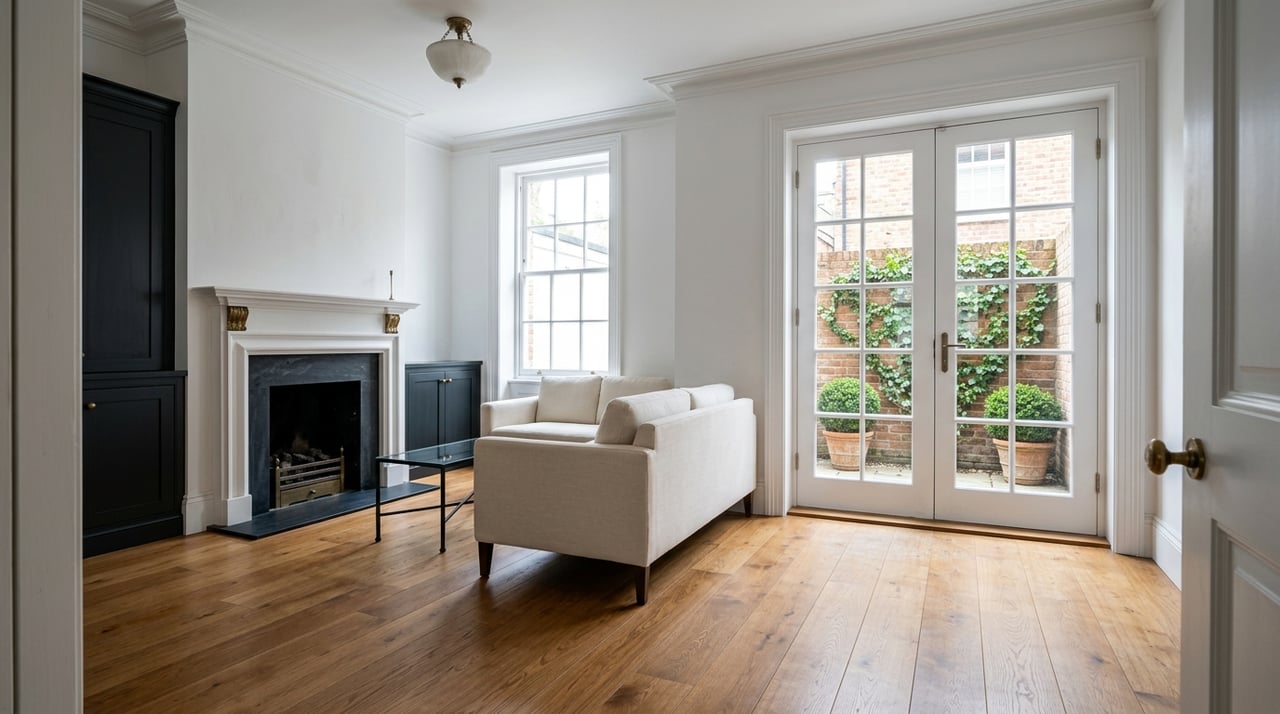
A balcony, terrace, roof rights, or a garden patio helps a unit compete within its price band. In converted buildings, a private patio or terrace can be a major differentiator versus similar square footage without outdoor access. Confirm whether space is private and deeded as a limited common element.
Views and exposure
Light, exposure, and view corridors matter. Penthouses and higher floors with skyline or greenery views often achieve stronger prices per square foot than interior or alley exposures. Research on view premiums in urban settings shows consistent positive effects, typically in the single to low teens percent depending on quality and distance. For a representative summary of view impacts, see this review of property value effects of water and view corridors on The Free Library.
Association financials and lending eligibility
A building’s financial profile directly affects value, marketability, and financing. Conventional lenders review project reserves, budget allocation to reserves, assessment delinquency, owner-occupancy, commercial exposure, and any litigation. If the association does not meet secondary-market standards, you can face limited financing options and a smaller buyer pool. For the specifics of project reviews, see Fannie Mae’s project review guidance.
Layout, condition, and in-unit systems
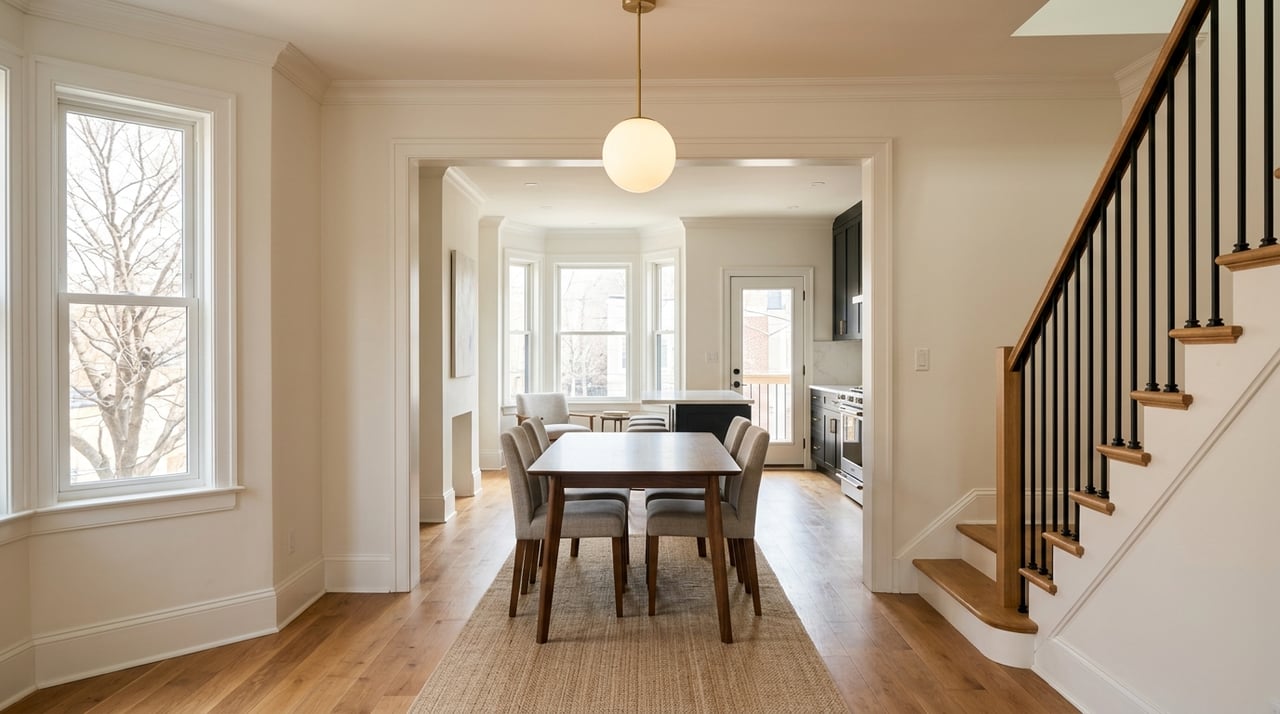
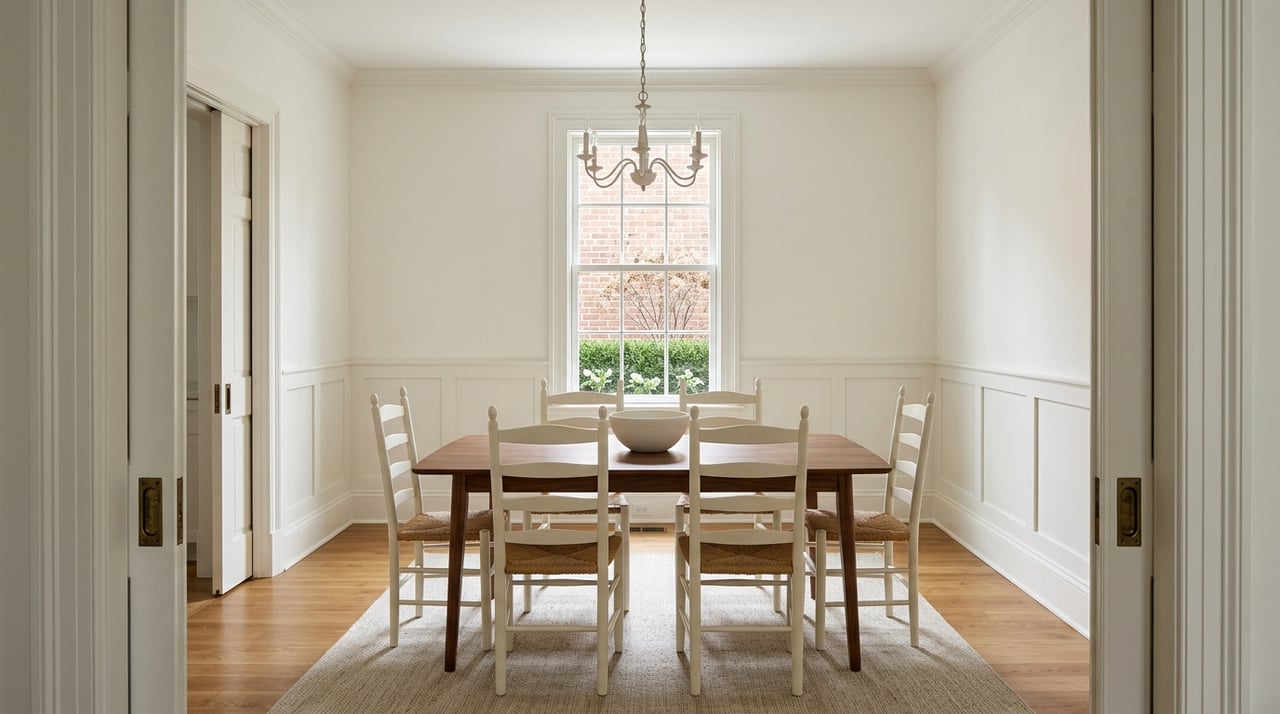
Renovated kitchens and baths, open or efficient layouts, ceiling height, in-unit laundry, and modern HVAC all lift value. Compare like with like. Do not comp a fully renovated penthouse with a garden-level one-bedroom without appropriate adjustments.
How to evaluate a Dupont listing
Use this checklist to move efficiently from listing to decision.
Unit-level review
- Confirm square footage and how it was measured.
- Note floor level, exposure, and light. Higher floors usually mean more light and potential views.
- Verify any private outdoor space and how it is deeded.
- Check HVAC and water heater age, and whether utilities are covered in the HOA.
Building and association review
- Read the Public Offering Statement, condo declaration, bylaws, and all amendments. In D.C., these documents define parking rights, rental rules, voting shares, and other essentials. You can reference the D.C. Condominium Act via Justia’s code library.
- Request the current budget and recent financials. Look for a clear reserve line, year-over-year funding, and assessment delinquency rate.
- Ask for the most recent reserve study or engineer reports and any notes on major upcoming projects like masonry, roof, or elevator work.
- Confirm owner-occupancy and investor concentration, plus the building’s rental policy.
Lender and financing checks
- Ask whether the building meets conventional lending standards or requires a full project review. Constraints on financing can reduce the buyer pool and affect both pricing and time on market. Review the conventional framework in Fannie Mae’s project review section.
When to act vs. negotiate
Move quickly when you see
- Pricing below condo-only comps with similar features.
- Deeded parking included, especially if outdoor space is limited. Scarcity helps here, as noted in the UCLA ITS overview of parking economics.
- Solid association financials with adequate reserves and low delinquency.
Use leverage or proceed with caution when
- Reserves look thin or the building faces a large project without a funding plan.
- There is active litigation or a recent special assessment that strains owners.
- Owner-occupancy is low or commercial space is high in the project, which could limit conventional loan options under Fannie Mae’s standards.
Strategy for sellers
- Lead with what the market values: deeded parking, outdoor space, view lines, and in-unit upgrades. Make those features explicit in photography and copy.
- Pre-empt buyer concerns by preparing the association’s budget, reserve study summary, and any recent improvements for the resale package.
- Consider light, ROI-focused improvements and top-tier presentation to stand out within your price band. Professional photography, virtual tours, and thoughtful staging help maximize your first impression and days-on-market outcome.
Work with a trusted local advisor
You deserve a clear path from first showing to closing. Infinity Group pairs deep NW D.C. expertise with data-informed negotiation and premium marketing to help you compare buildings, underwrite HOA health, and time your offer. If you prefer discreet guidance, multilingual support, or need help coordinating upgrades before listing, our boutique team is here to make the process seamless.
Ready to talk strategy for your Dupont Circle move? Request a Private Market Consultation with Infinity Group.
FAQs
How competitive is the Dupont Circle condo market right now?
- It is moderately competitive with longer market times than 2021–2022, but desirable units in the right price band still draw quick interest, as recent regional reporting shows uneven, bifurcated conditions.
What is the typical price range for Dupont condos?
- Neighborhood snapshots place the median in the low to mid $500Ks, but your actual range depends on year built, size, finishes, parking, and building financials; confirm with condo-only MLS comps.
How do HOA fees in Dupont compare across buildings?
- Fees vary widely by age and services; many smaller or older buildings land in the low hundreds per month, while newer or staffed buildings can run higher based on amenities and reserves.
How much is deeded parking worth in Dupont Circle?
- Deeded parking generally commands a meaningful premium because spaces are expensive to build and scarce in central D.C., which supports higher resale value for units that include a space.
What should I review in a condo association before making an offer?
- Ask for the bylaws, budget, financials, reserve study, any special assessments, litigation status, and owner-occupancy; then confirm conventional lending eligibility under Fannie Mae’s project rules.
What is the D.C. resale package or Public Offering Statement?
- It is a set of governing documents and disclosures required under D.C. law that outline rules, rights, parking, and financials; review it carefully as part of due diligence.