If you love the idea of simplifying your home without losing access to Washington, Alexandria deserves a close look. Many DC-area seniors want less upkeep, easier mobility, and a home that still keeps them connected to family, transit, and familiar routines. The good news is that Alexandria offers a strong mix of smaller-footprint housing, established communities, and city resources that can support a smoother transition. Let’s dive in.
Why Alexandria Fits Downsizers
Alexandria stands out for seniors who want to stay near DC while reducing day-to-day home maintenance. According to the U.S. Census Bureau’s Alexandria QuickFacts, 13.0% of Alexandria residents are age 65 or older.
City planning materials also show that Alexandria expects its largest population growth through 2040 to come from residents age 65 and older. The same Housing 2040 materials note that many seniors age in place, but some would downsize if suitable options were available at the right price point.
That demand is already visible in local household data. Alexandria reported that households with one or more people age 65+ rose from 9,086 in 2010 to 15,301 in 2022, while seniors living alone increased from 4,323 to 7,963. If you are considering a move now, you are far from alone.
What Makes Alexandria Practical
Location is a big part of the appeal. Alexandria describes itself as being inside the Capital Beltway with five Metro stations, which can matter if you want easier access to DC, medical appointments, cultural destinations, or visiting family without relying on long drives.
The city also points to a housing mix that includes multifamily homes, townhouse-style condominiums, and fee-simple units, as outlined in its residential market analysis materials. For downsizers, that means you are not limited to one type of home or one type of lifestyle.
Compare Your Main Housing Options
For most seniors moving from DC, the real choice is not simply “house or condo.” It is usually a question of how much space, how many stairs, and how much ongoing responsibility you want to keep.
Condos and Flats
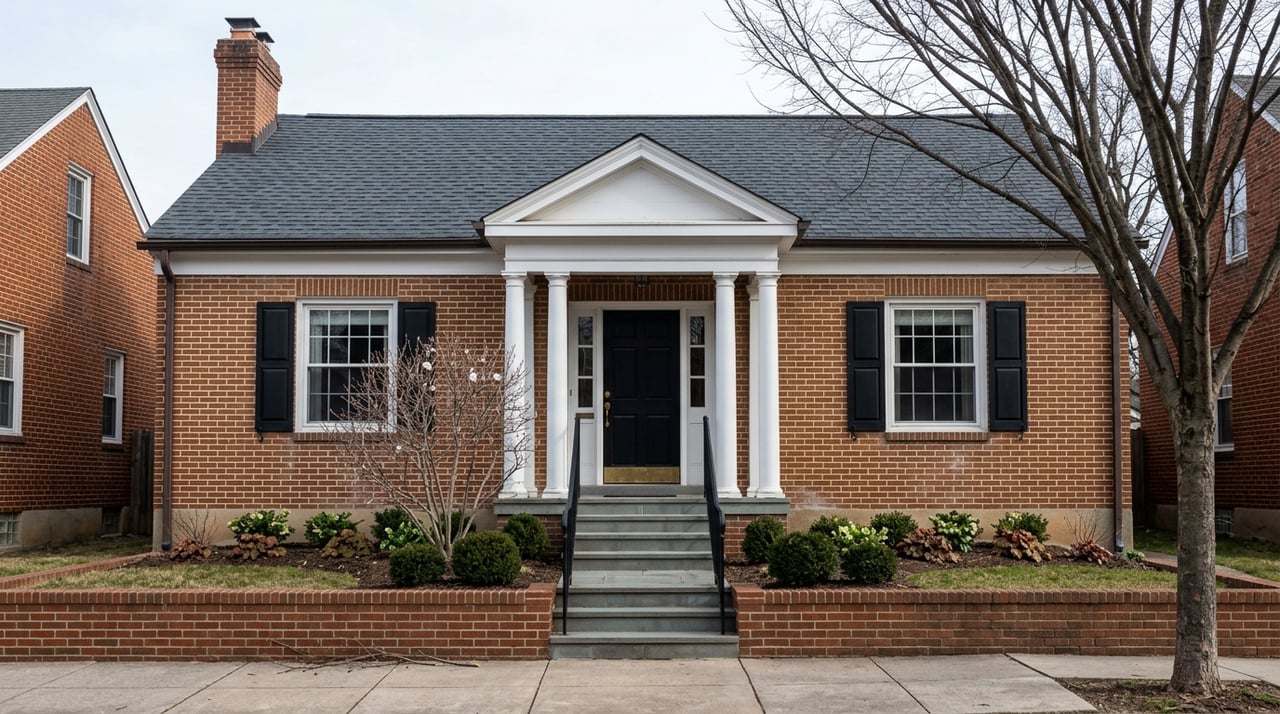
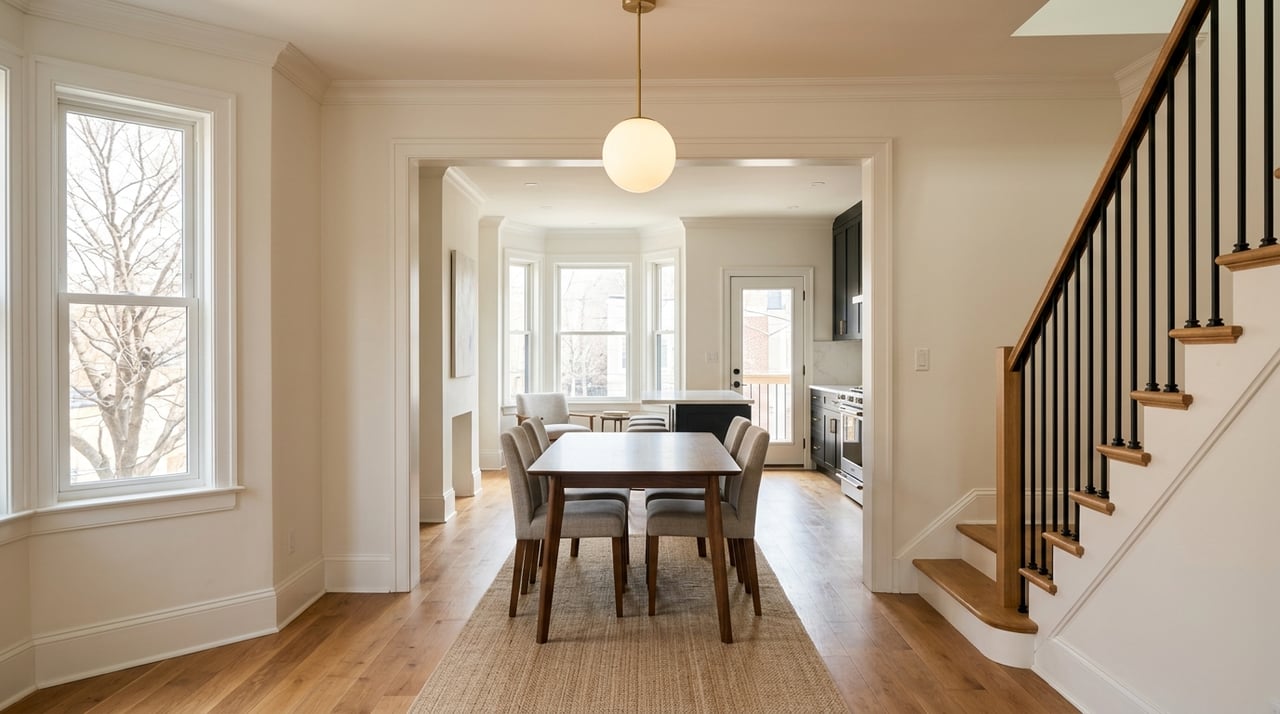
A single-level condo or flat can be a strong fit if your priority is fewer stairs and less exterior maintenance. Alexandria’s zoning and housing materials show that the city includes this type of housing in a variety of forms, including one-level flats in communities such as Parkfairfax.
If you want a home that feels simpler to manage, this option often checks the right boxes. Just remember that monthly condo dues can materially affect affordability.
Townhomes
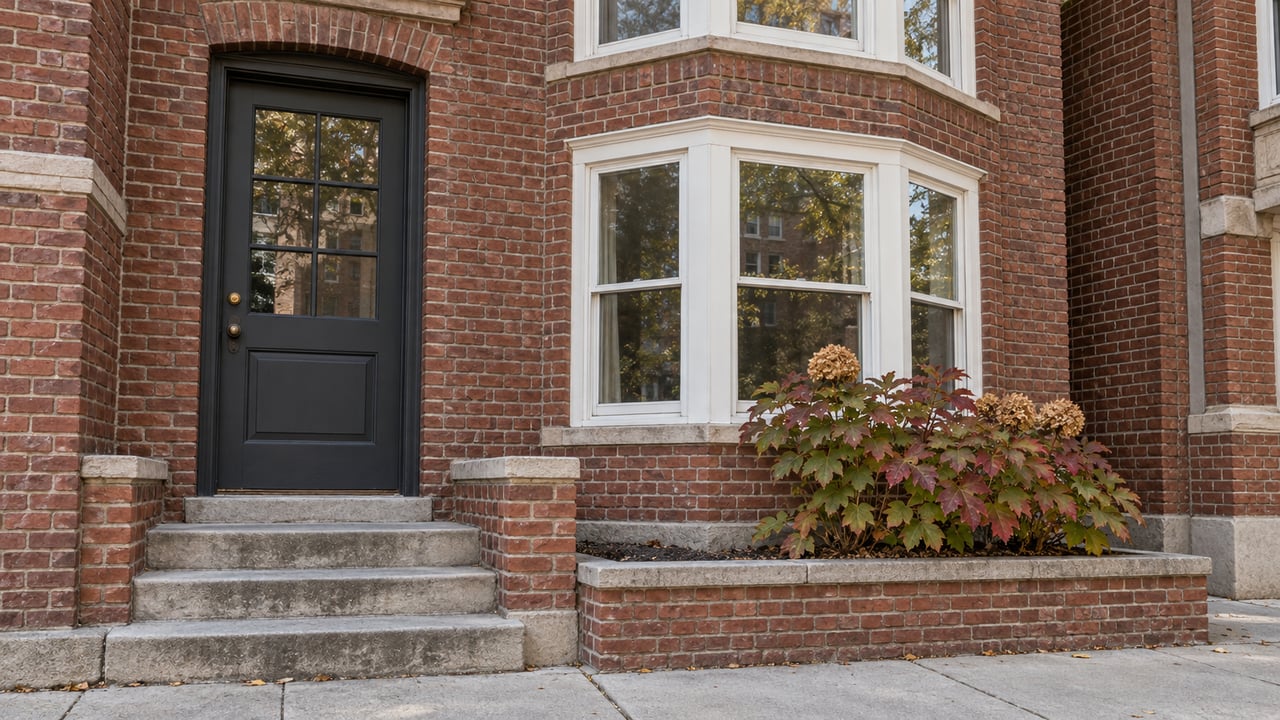
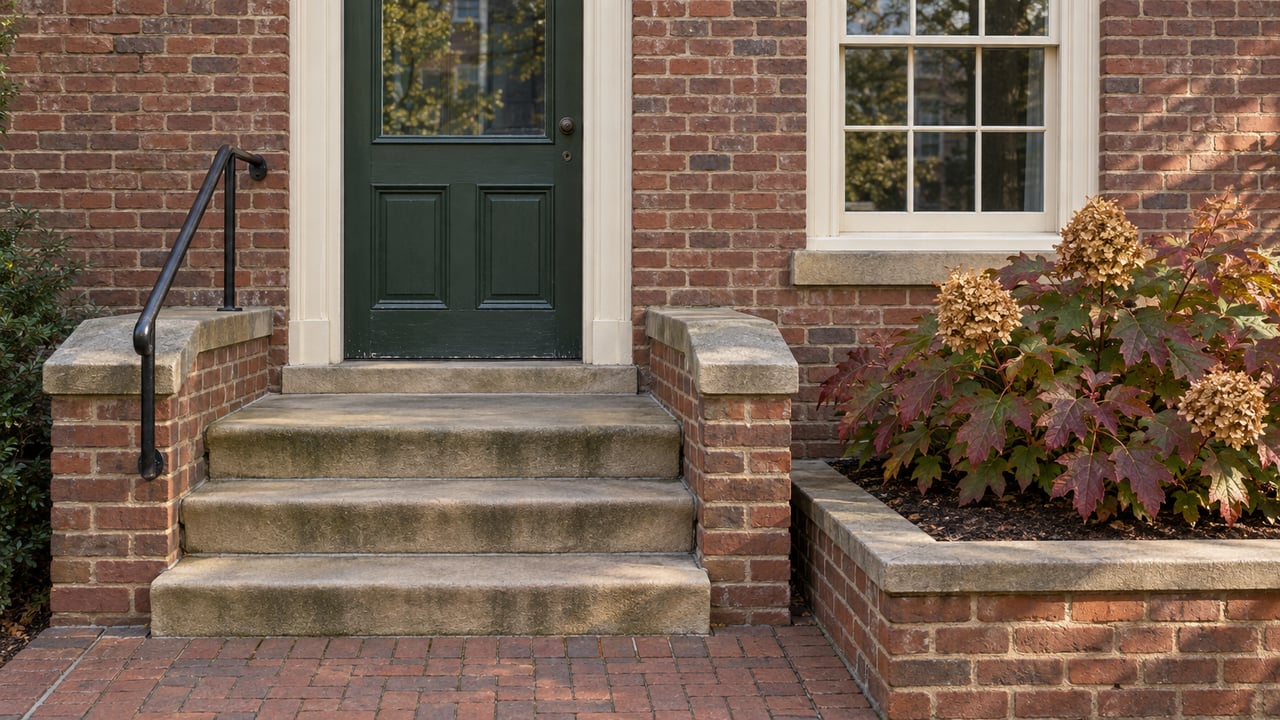
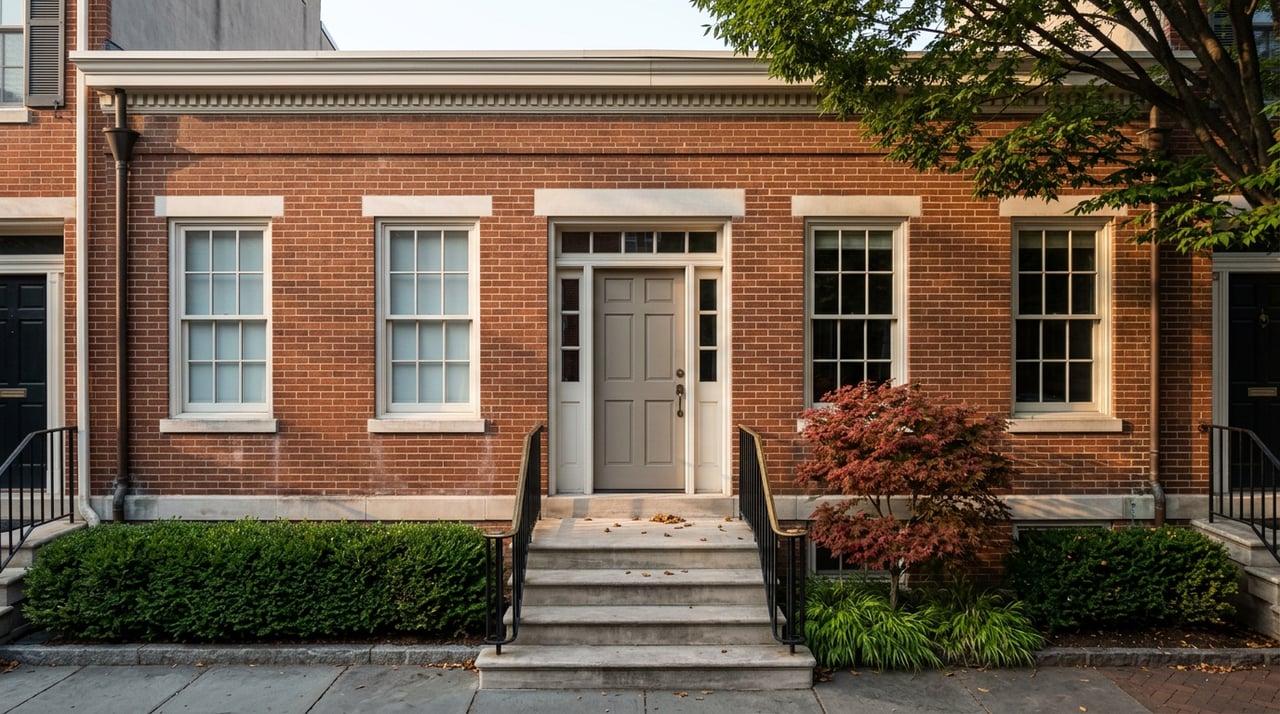
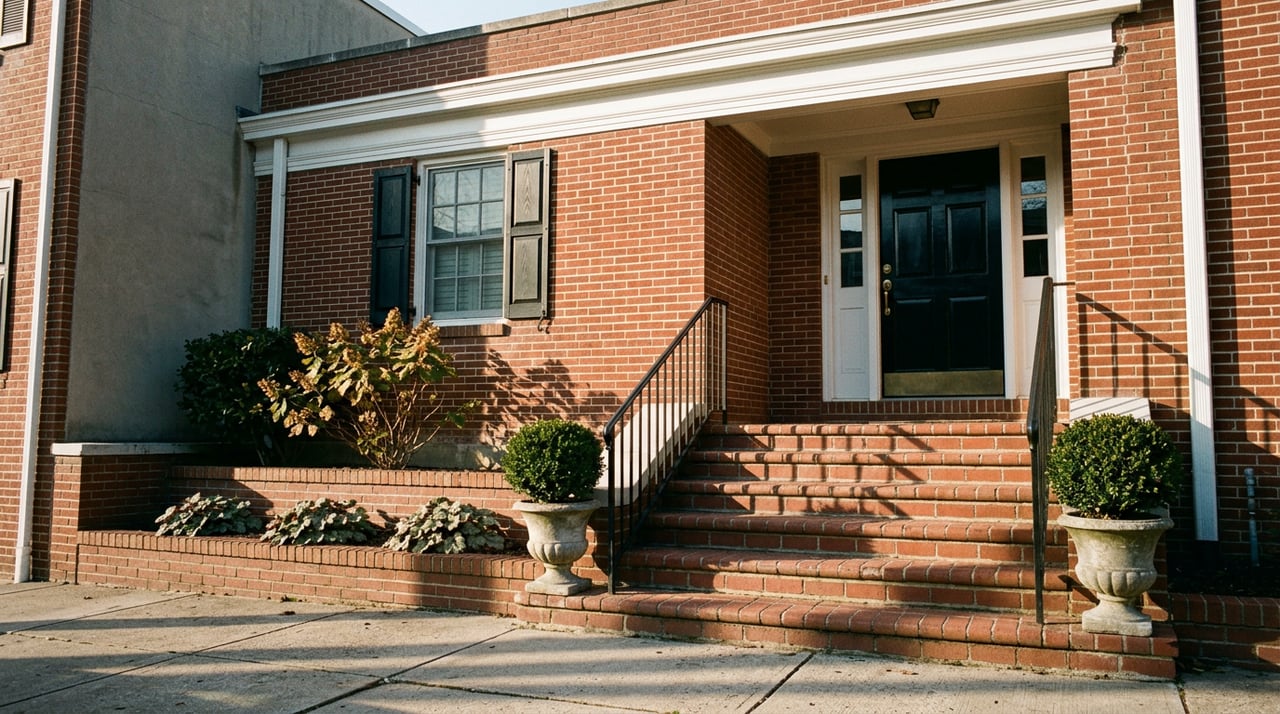
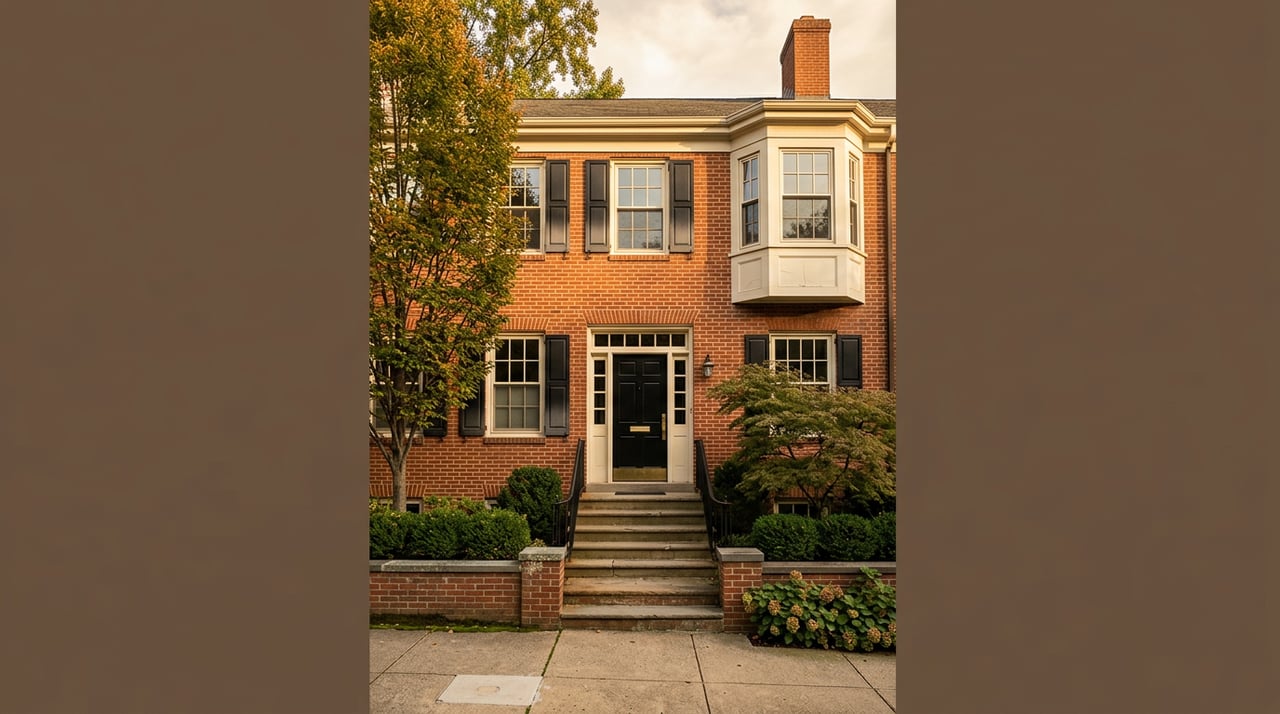
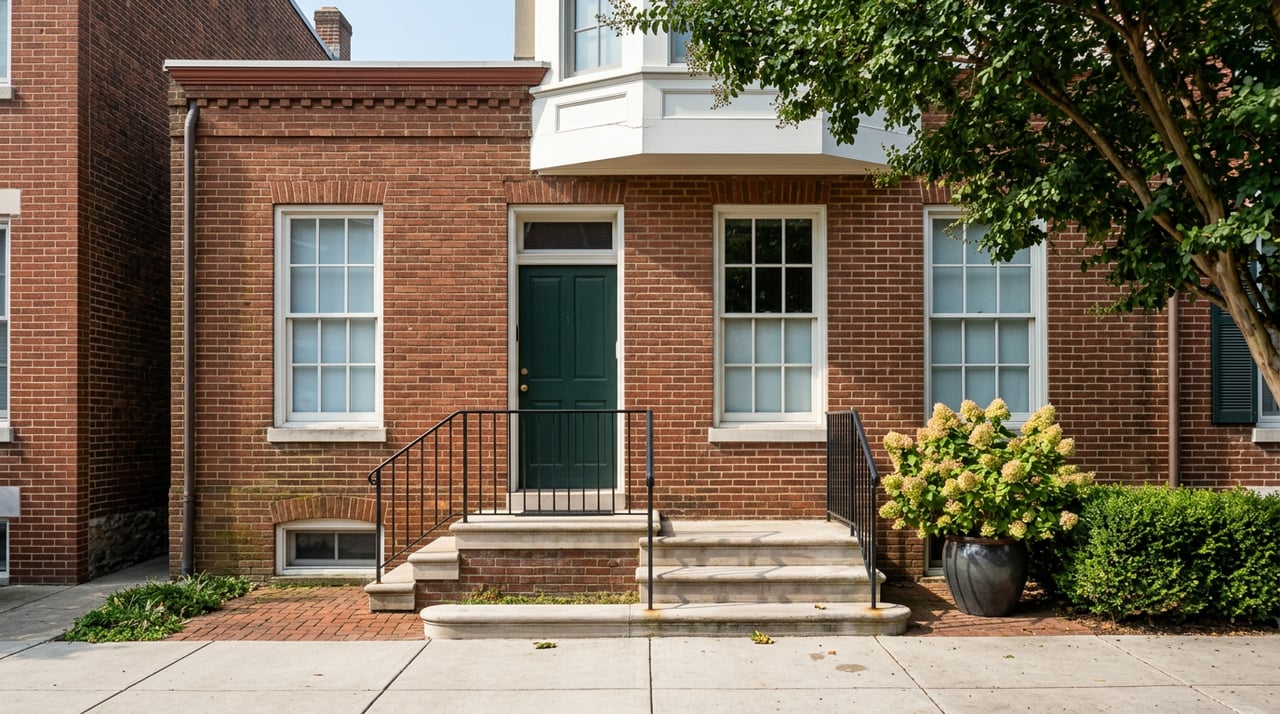
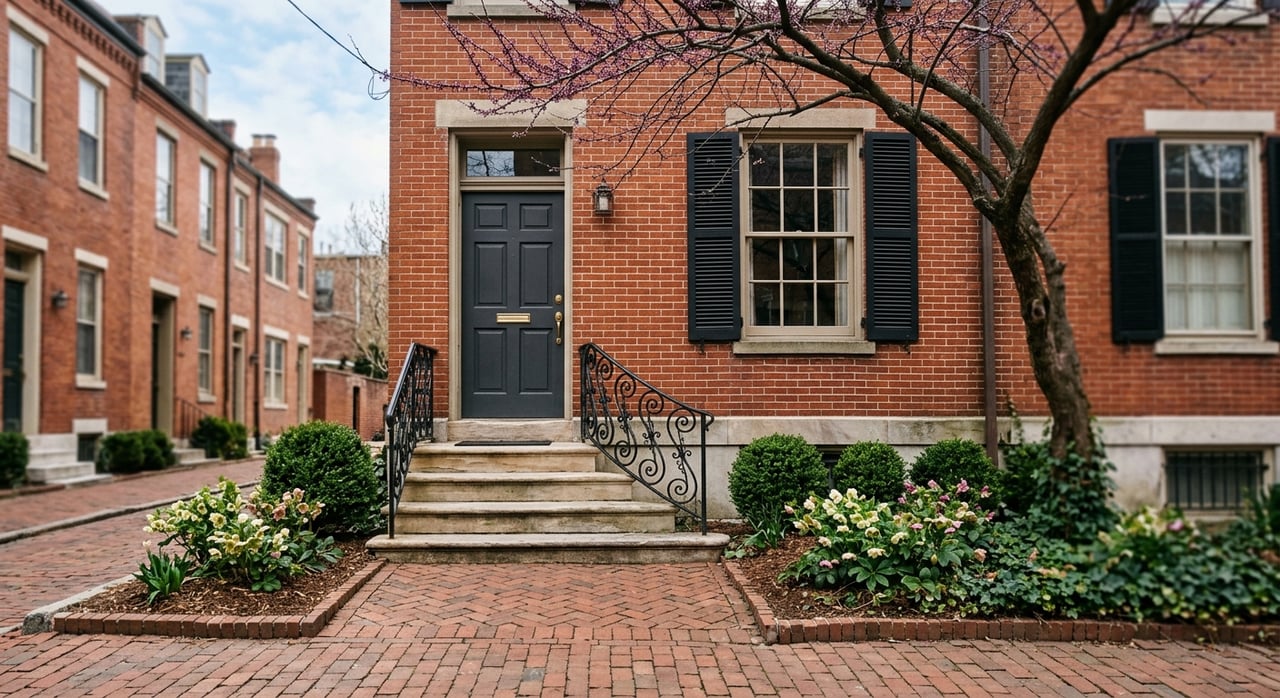
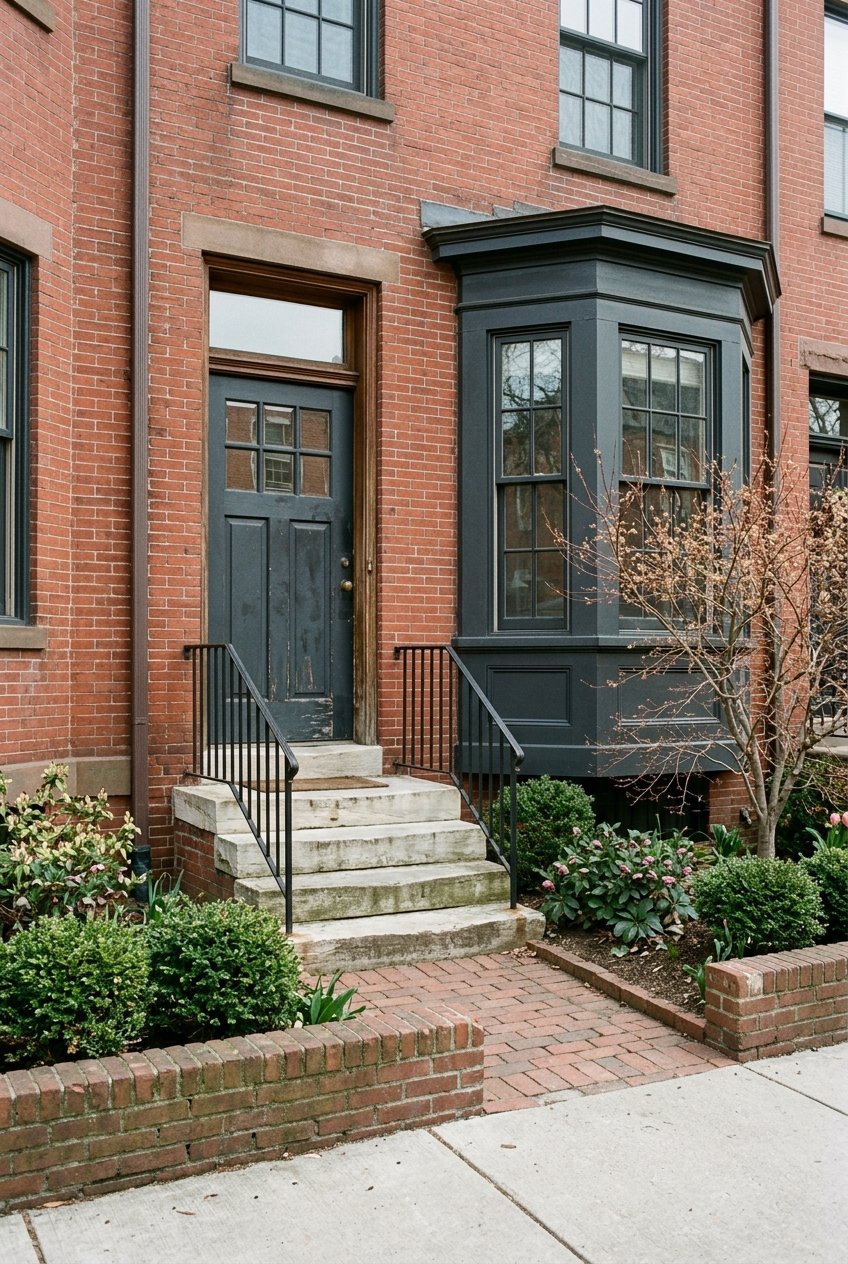
A townhome may appeal to you if you still want a more house-like layout and a bit more room. The city defines townhouses as attached units separated by vertical walls, and notes that many townhouse and townhouse-like buildings are concentrated in Old Town, while other parts of Alexandria also offer attached-home options.
This style can work well if you are not ready for condo living. Still, the layout may include multiple levels, so it is important to think carefully about long-term comfort and mobility.
Townhouse-Style Condominiums
One of the easiest details to miss is ownership structure. Alexandria’s planning materials note that townhouse-style condominiums do exist, which means a home that looks like a townhome may still be part of a condominium regime.
That distinction matters because it can affect your monthly dues, maintenance obligations, budgeting, and resale planning. Before you buy, make sure you understand whether the property is fee simple or a condominium.
Focus on Monthly Cost, Not Just Price
For downsizers, list price is only the starting point. A smaller home can still carry a meaningful monthly cost once you add taxes, HOA dues, and city fees.
The Consumer Financial Protection Bureau notes that condo, co-op, or HOA dues are usually paid directly to the association and are not included in your mortgage payment. Those dues can range from a few hundred dollars per month to more than $1,000 per month.
That is why two homes with similar purchase prices may feel very different from a budgeting perspective. If you are downsizing to simplify your finances, total carrying cost should be part of every comparison.
Understand Alexandria Property Taxes
Alexandria’s FY2026 real estate tax rate is $1.135 per $100 of assessed value, according to the city’s tax rates page. That figure gives you an important baseline for estimating ownership costs.
Using the city’s average 2026 assessments, that works out to about $5,223 per year on the average condo assessment of $460,185 and about $11,869 per year on the average single-family assessment of $1,045,750. The city’s average existing residential assessment was $757,706, which helps frame the broader price environment.
In plain terms, a lower-maintenance property may also offer lower annual tax exposure, depending on the price point. That can be especially relevant if you are moving from a larger DC home and trying to reduce recurring expenses.
Watch for City Fees
Property taxes are not the only local costs to review. Alexandria also lists a residential refuse fee of $500 per can per year and a stormwater utility fee of $324.10 per ERU on its Real Estate Tax information page.
These fees do not apply the same way to every property type. The city notes that required-user property definitions exclude condominium dwellings while including row dwellings, so cost treatment can differ depending on what you buy.
This is one more reason to compare homes line by line, not just by asking price. A careful budget review can help you avoid surprises after closing.
Check Whether You Qualify for Senior Tax Relief
If you plan to make Alexandria your primary residence, you may want to review the city’s tax relief and deferral options. Alexandria’s 2026 tax relief and deferral application states that eligible applicants had to own or partly own the property, occupy it as their sole residence, and be age 65 or older or permanently and totally disabled.
For 2026, the program used a household gross-income cap of $100,000 and a net-worth cap of $430,000 for real estate tax relief or deferral. Relief levels were tied to income bands, and deferred taxes accrued 5% interest until the property changed ownership.
Programs can change over time, but this is an important planning tool to discuss early if you think you may qualify. It can affect how comfortably a move fits into your long-term financial picture.
Time Your Sale and Purchase Carefully
Downsizing often involves two major decisions at once: selling your current home and buying your next one. Alexandria’s housing materials and 2026 assessment notice indicate that the residential market continued to rise while for-sale supply remained low.
That combination can create both opportunity and pressure. You may benefit from selling into a strong market, but you also need a smart strategy for securing the right replacement home.
This is where detailed planning matters. A clear timeline, a realistic budget, and a strong understanding of available inventory can help you move with more confidence and less stress.
Use Pre-Sale Support to Simplify Your Move
If your current home needs updates before listing, you may not want to manage all costs upfront. That is where a concierge-style pre-sale program can help.
Compass Concierge can fund services such as staging, flooring, and painting, with repayment due when the home sells, the listing ends, or 12 months pass from the start date. For many downsizers, that can make it easier to prepare a home for the market without taking on immediate out-of-pocket renovation costs.
For seniors, this kind of support can reduce decision fatigue and make the sale process feel more manageable. It also aligns with a more polished presentation strategy, which can matter when you want strong buyer interest.
Look for Guidance Built for Seniors
Downsizing is not just a real estate transaction. It is a life transition. That is why experience with senior moves can be especially valuable.
The Seniors Real Estate Specialist® designation is designed for REALTORS® serving clients age 50+ through major transitions such as relocating or selling a longtime home. In practical terms, it signals a more counseling-oriented and planning-focused approach.
At Infinity Group, that kind of guidance is paired with high-touch communication, strategic negotiation, and Compass-backed marketing support. If you are weighing a move from DC to Alexandria, working with an advisor who understands both markets can help you connect the dots more smoothly.
Use Alexandria’s Senior Resources
A move can feel easier when local support is already in place. Alexandria’s Office of Housing offers homeowner resources, including condominium and community association trainings and tax assistance.
The city’s Division of Aging and Adult Services also provides an information-and-referral specialist and a directory of older-adult services. Alexandria also highlights resources related to subsidized housing, home modifications, in-home services, and the Silver Service Card for local discounts.
Even if you do not need those services right away, knowing they exist can provide peace of mind. For many seniors and their families, that added layer of support is part of what makes Alexandria an appealing long-term choice.
A Simple Downsizing Checklist
If you are starting to explore Alexandria, focus on these questions first:
- Do you want single-level living or are stairs still workable for you?
- Would you prefer a condo, a flat, a fee-simple townhome, or a townhouse-style condominium?
- What is your true monthly budget after taxes, HOA dues, and city fees?
- Do you expect to qualify for senior tax relief or deferral?
- How close do you want to be to Metro, family, or regular destinations?
- Does your current DC home need pre-sale work before listing?
- What sale-and-purchase timeline would make your move feel manageable?
A good downsizing plan is rarely about finding the smallest home. It is about finding the right fit for how you want to live next.
If you are considering a move from DC to Alexandria, Infinity Group can help you evaluate your options, prepare your current home for sale, and build a transition plan with clarity and care.
FAQs
What makes Alexandria appealing for DC seniors who want to downsize?
- Alexandria offers proximity to DC, five Metro stations, a range of lower-maintenance housing options, and city resources for older adults.
What housing types should seniors compare when downsizing to Alexandria?
- Most seniors should compare single-level condos or flats, fee-simple townhomes, and townhouse-style condominiums based on stairs, upkeep, ownership structure, and monthly cost.
What property costs should seniors budget for in Alexandria?
- You should review purchase price, real estate taxes, HOA or condo dues, and possible city fees such as refuse and stormwater charges, depending on property type.
What is Alexandria’s real estate tax rate for homeowners?
- Alexandria’s FY2026 real estate tax rate is $1.135 per $100 of assessed value.
Can seniors qualify for real estate tax relief in Alexandria?
- Alexandria offers tax relief or deferral for eligible seniors who meet age, residency, income, and net-worth requirements set by the city.
How can seniors make a DC-to-Alexandria move less stressful?
- A clear sale-and-purchase plan, careful budgeting, and support with pre-sale preparation, home search, and move coordination can make the process much easier.