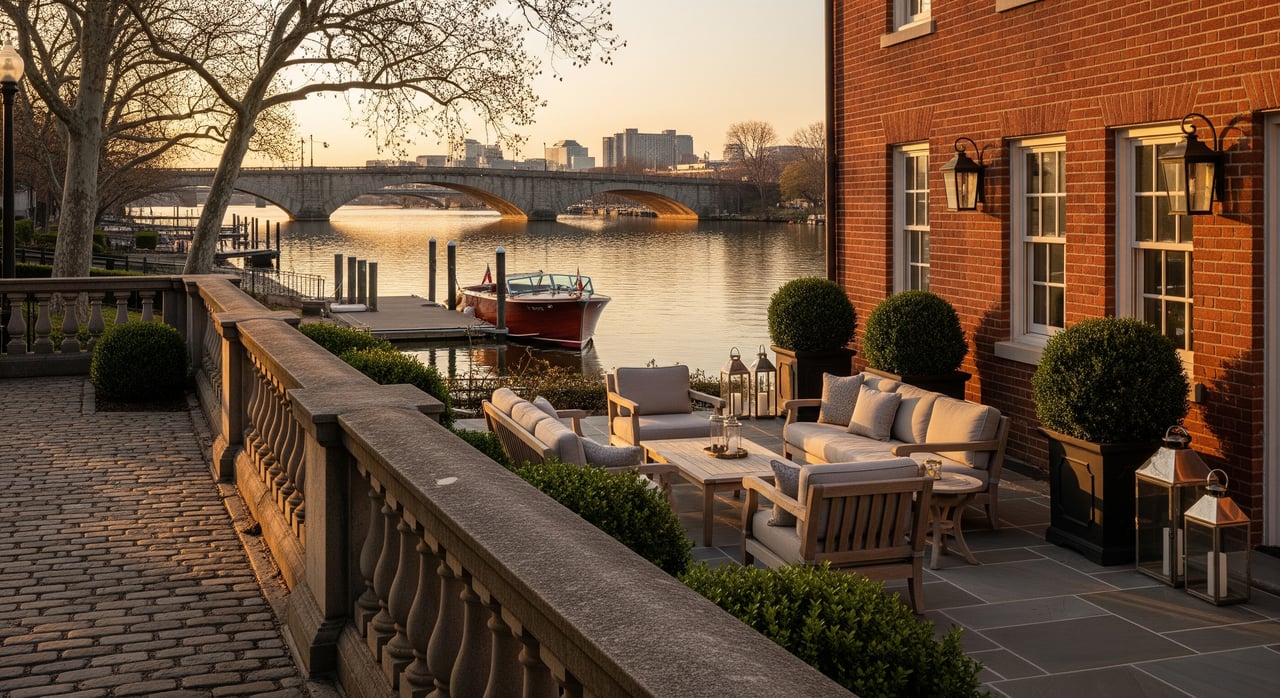
Wake up to river light, a waterfront promenade at your doorstep, and the hum of a historic neighborhood that still feels intimate. If you are drawn to Georgetown’s charm but want easy access to the Potomac and everyday convenience, the waterfront may be a strong fit. In this guide, you will learn how people live here day to day, what kinds of homes you can buy, how transit and parking work, and what to expect from preservation and flood considerations. Let’s dive in.
Georgetown waterfront at a glance
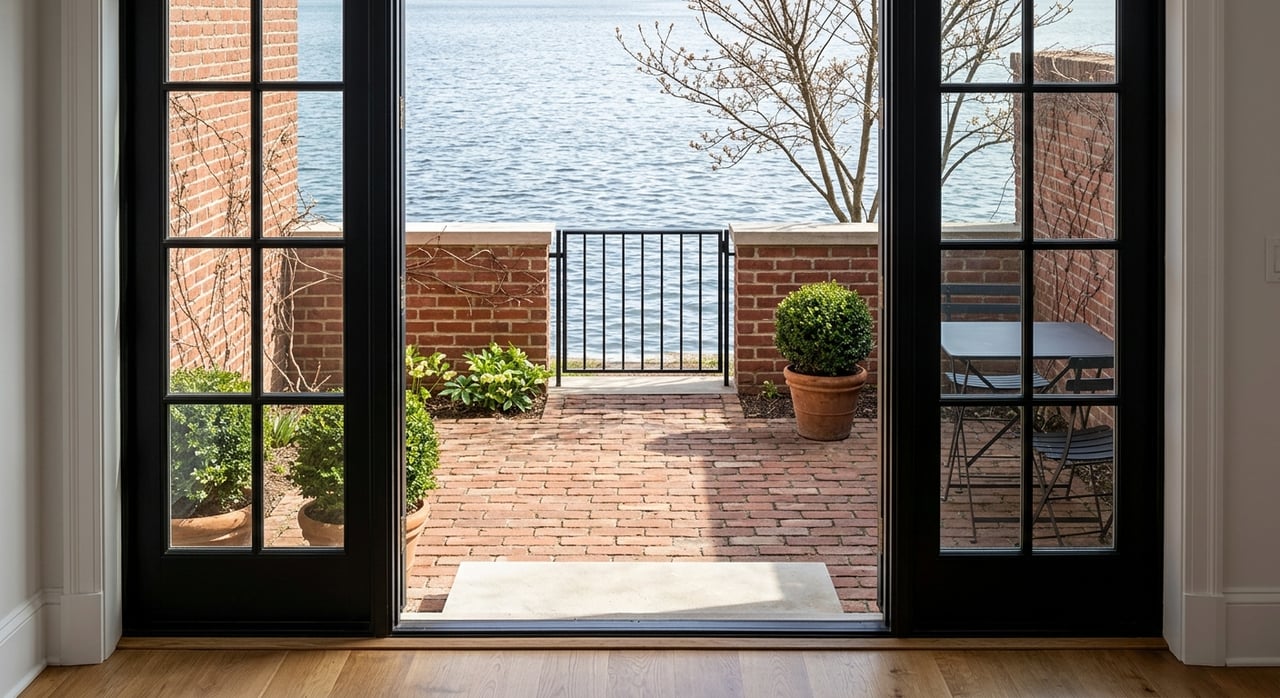
Georgetown’s waterfront stretches along the Potomac near Washington Harbour, Georgetown Waterfront Park, and the C&O Canal terminus. You are steps from M Street and Wisconsin Avenue, with the Capital Crescent Trail and canal towpath linking into the region’s bike and walking network. Building heights are modest, which keeps views open and the streetscape village-like.
Public life centers on the promenade and Washington Harbour’s multi-level plaza. You will find restaurants, seasonal programming, and river activity that shifts between warm-weather buzz and winter ice rink energy. The result is a lively but grounded atmosphere that blends recreation with daily routine.
Housing and architecture
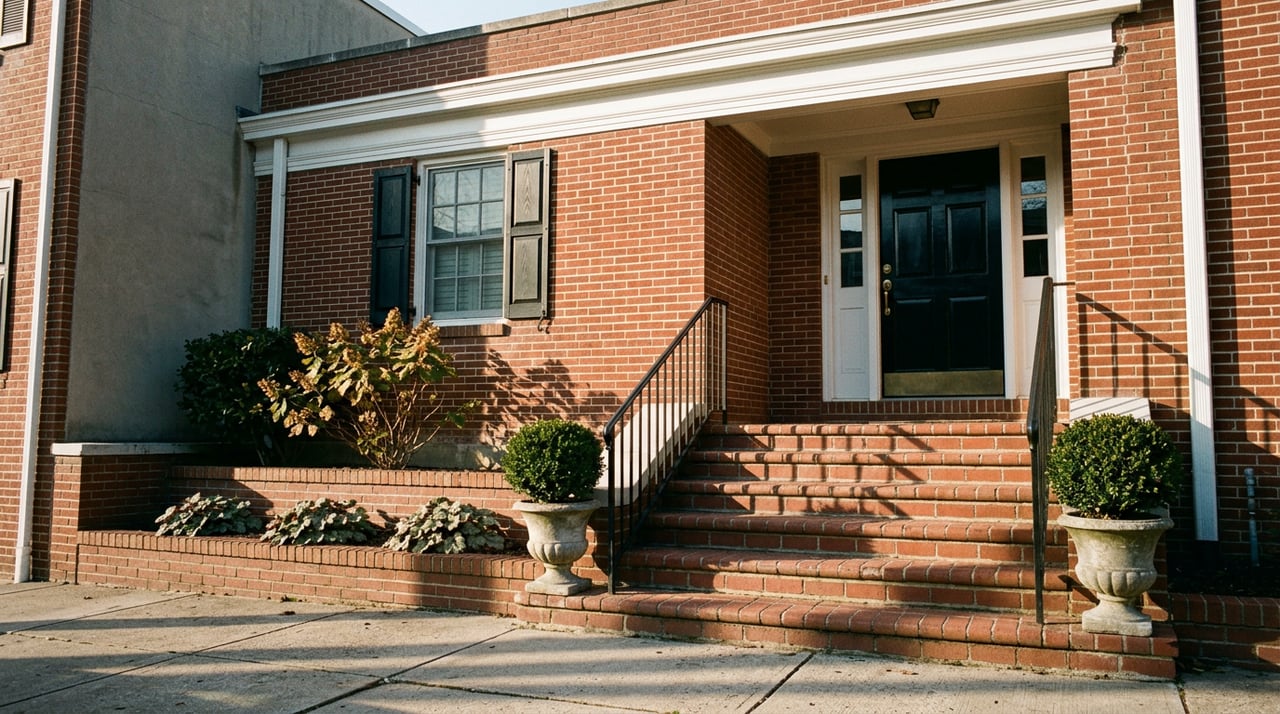
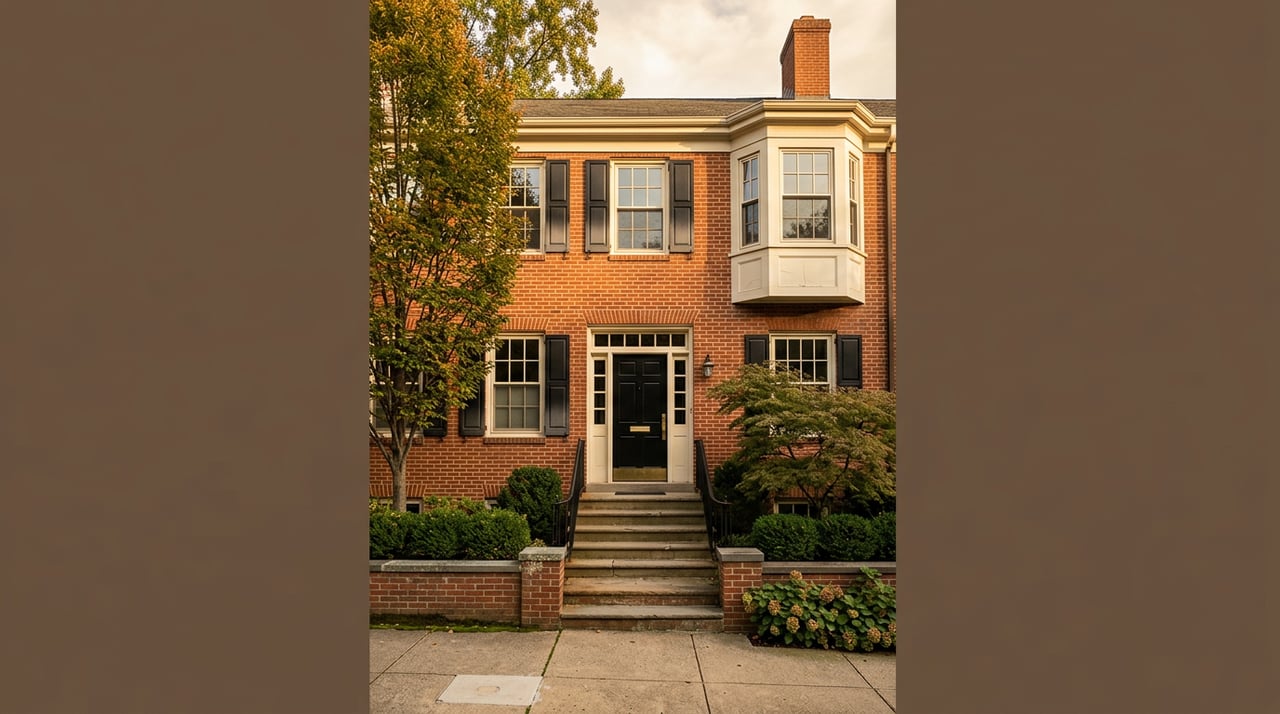
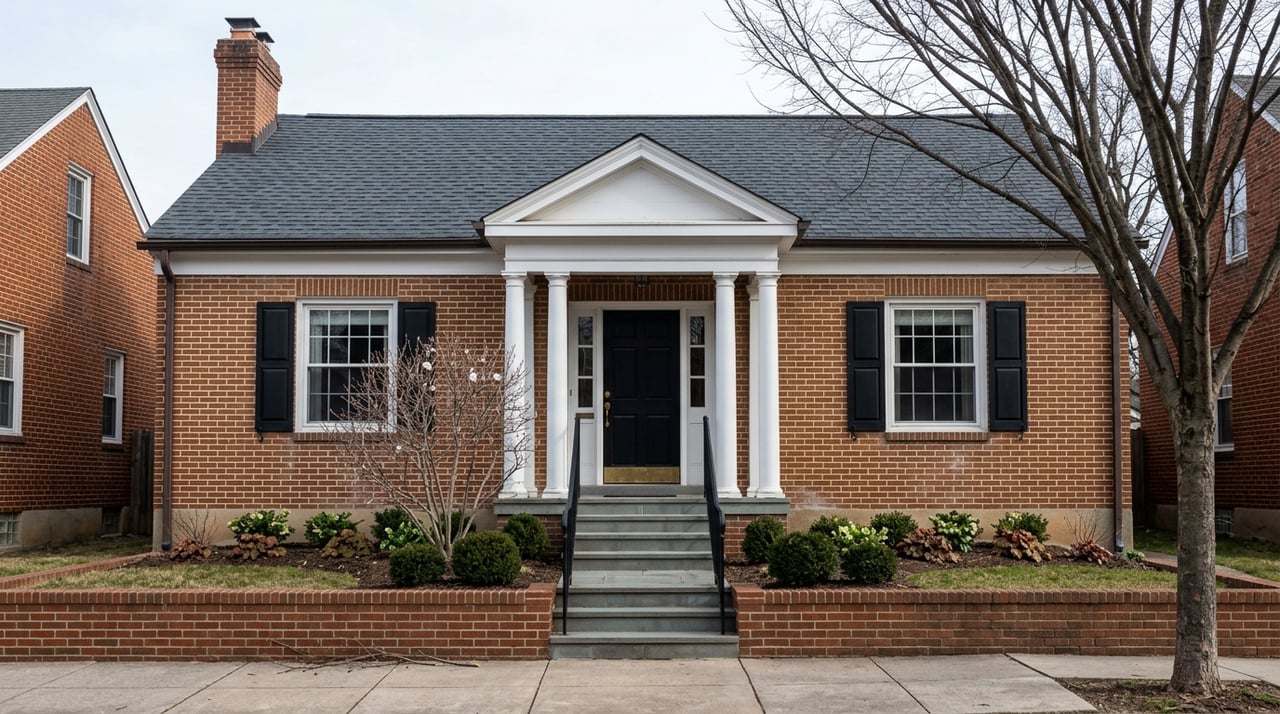
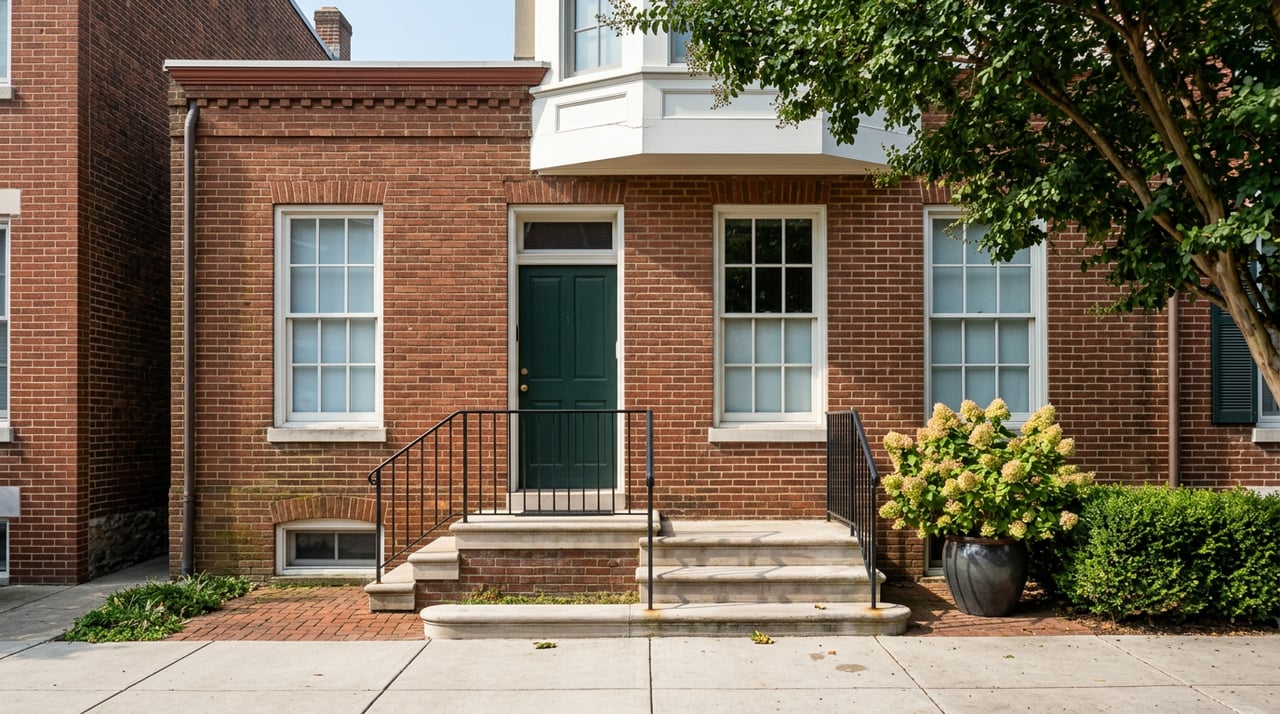
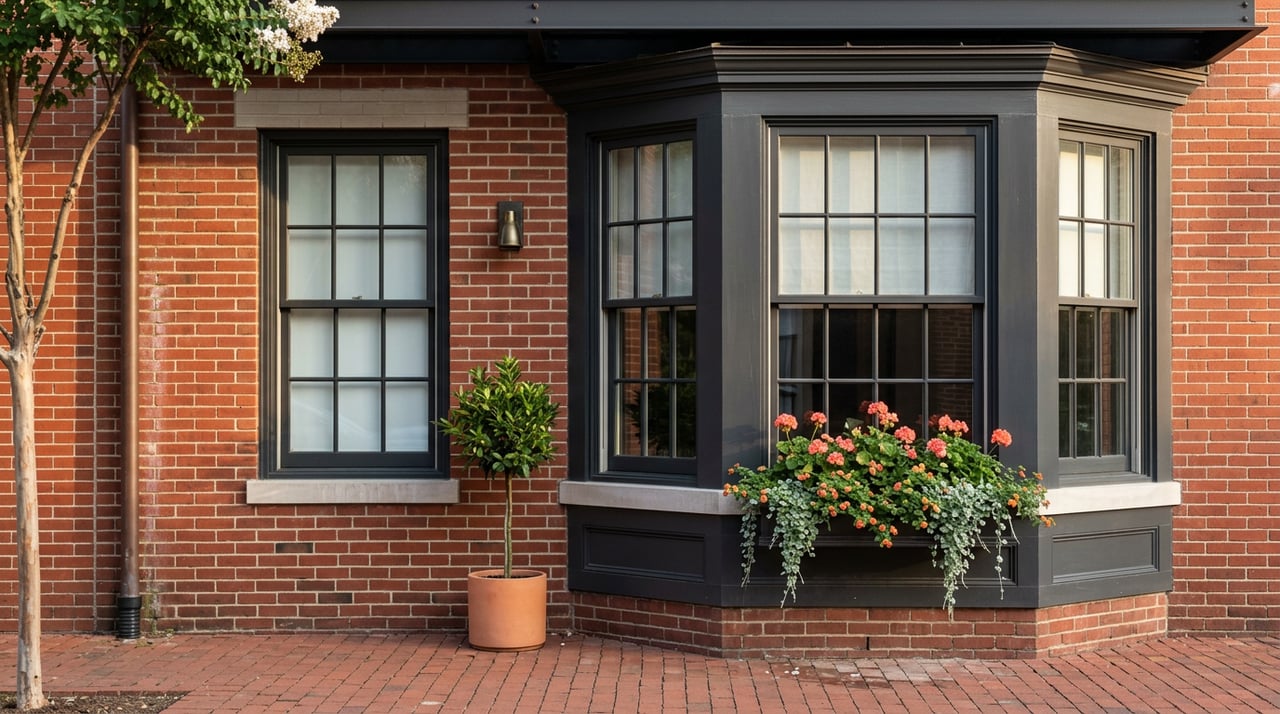
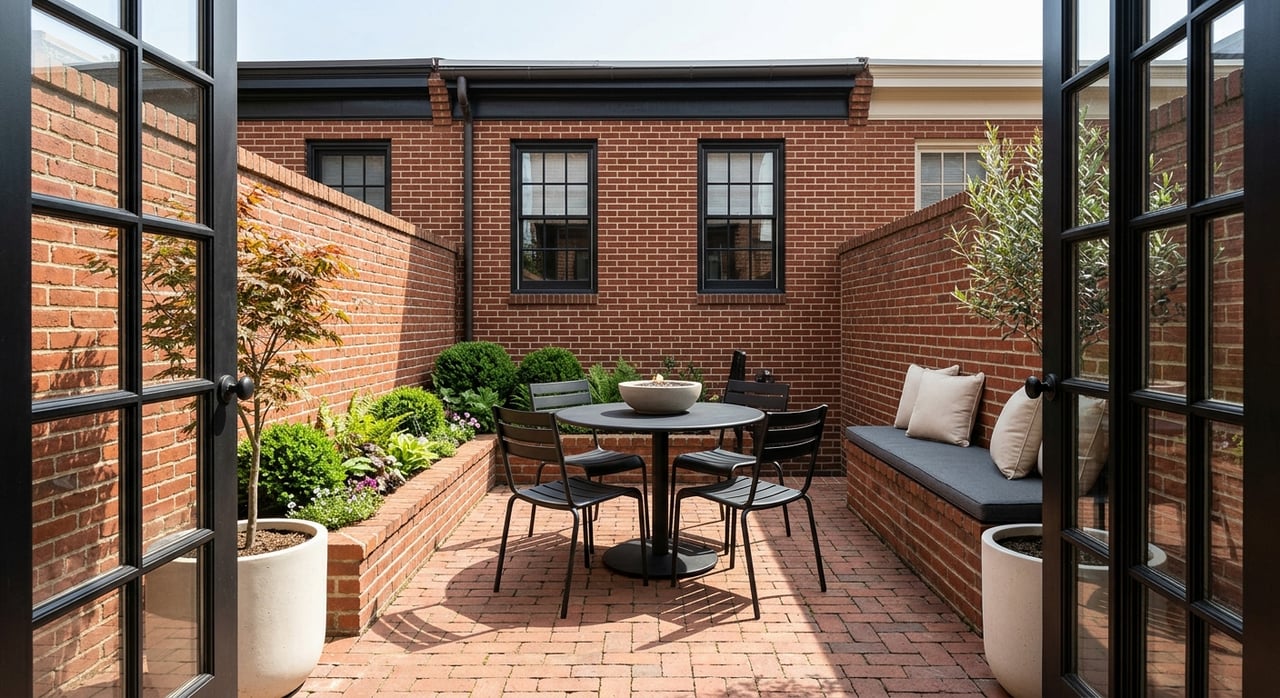
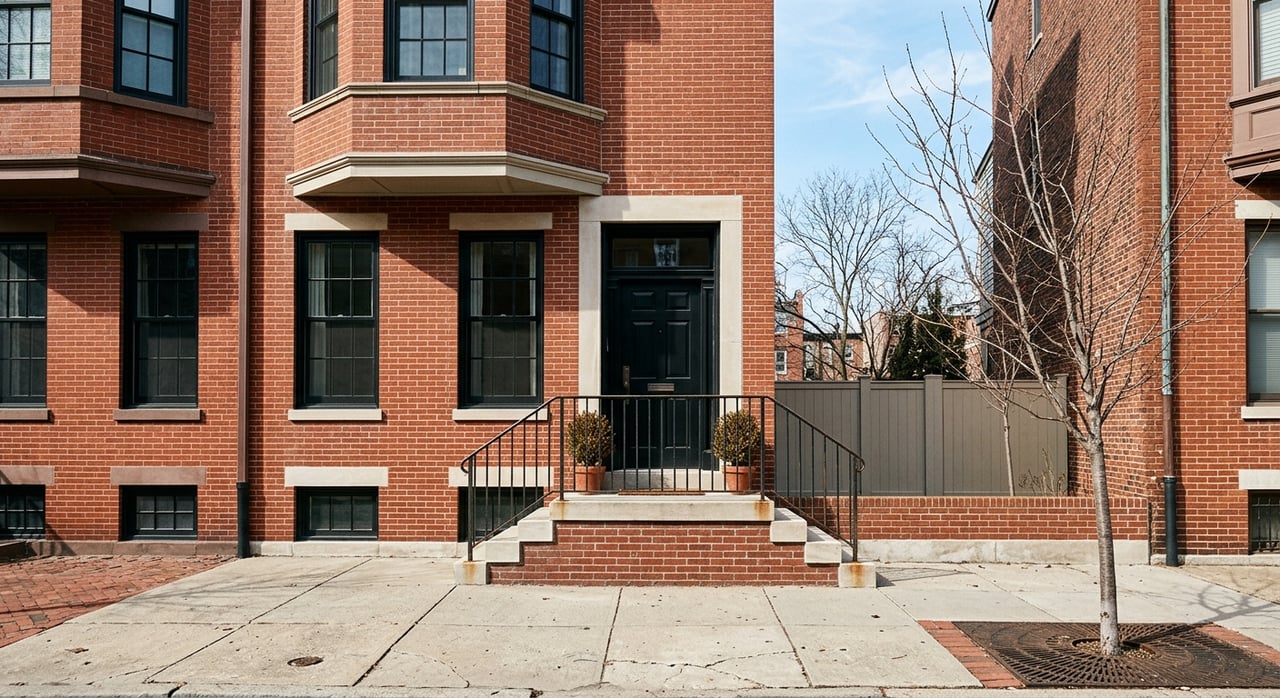
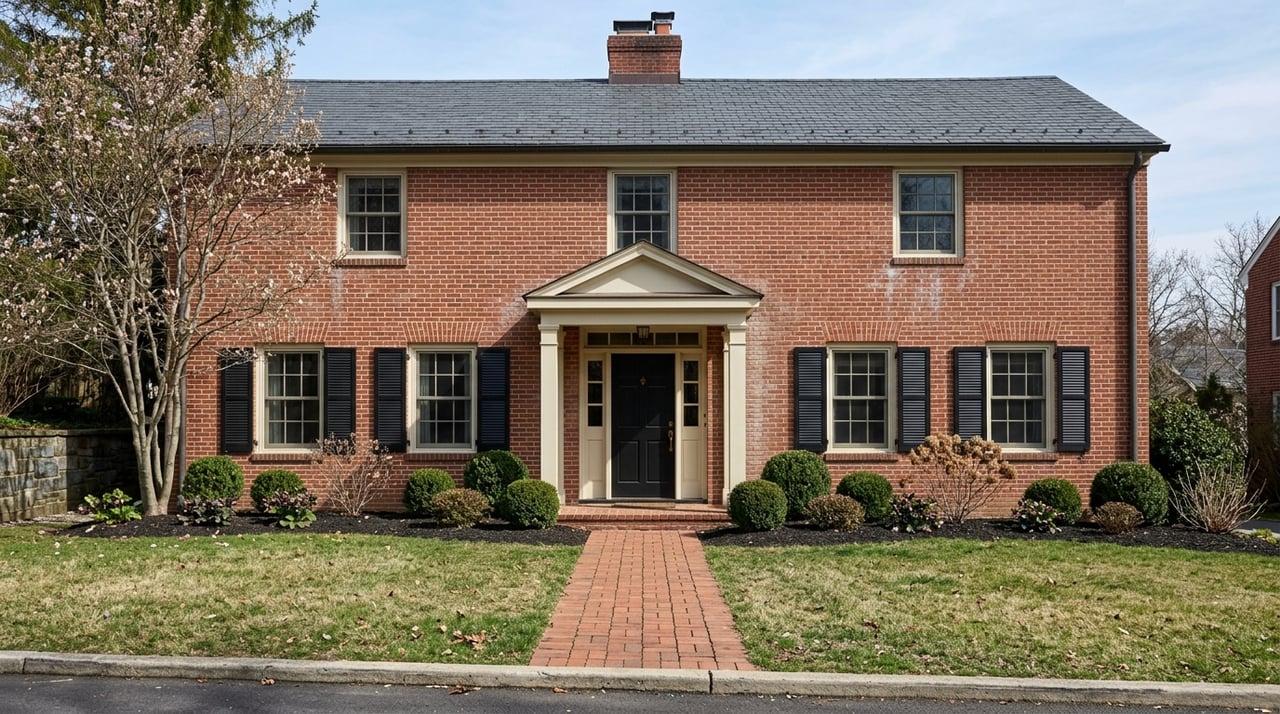
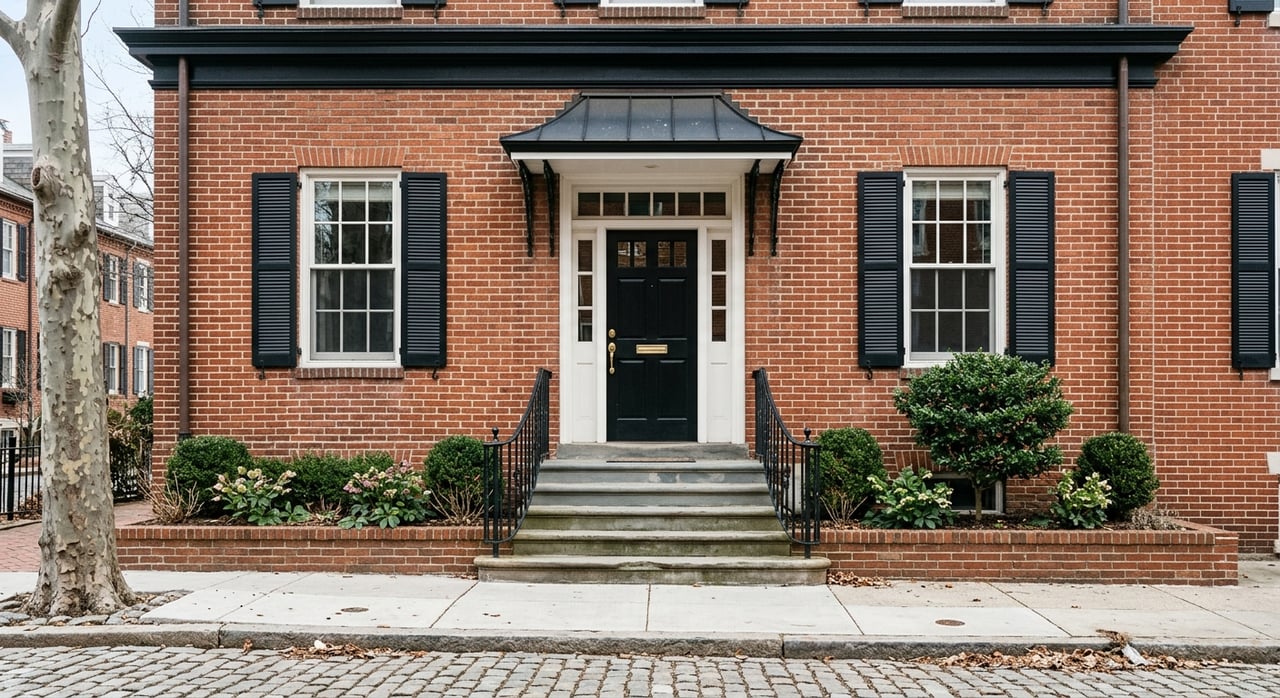
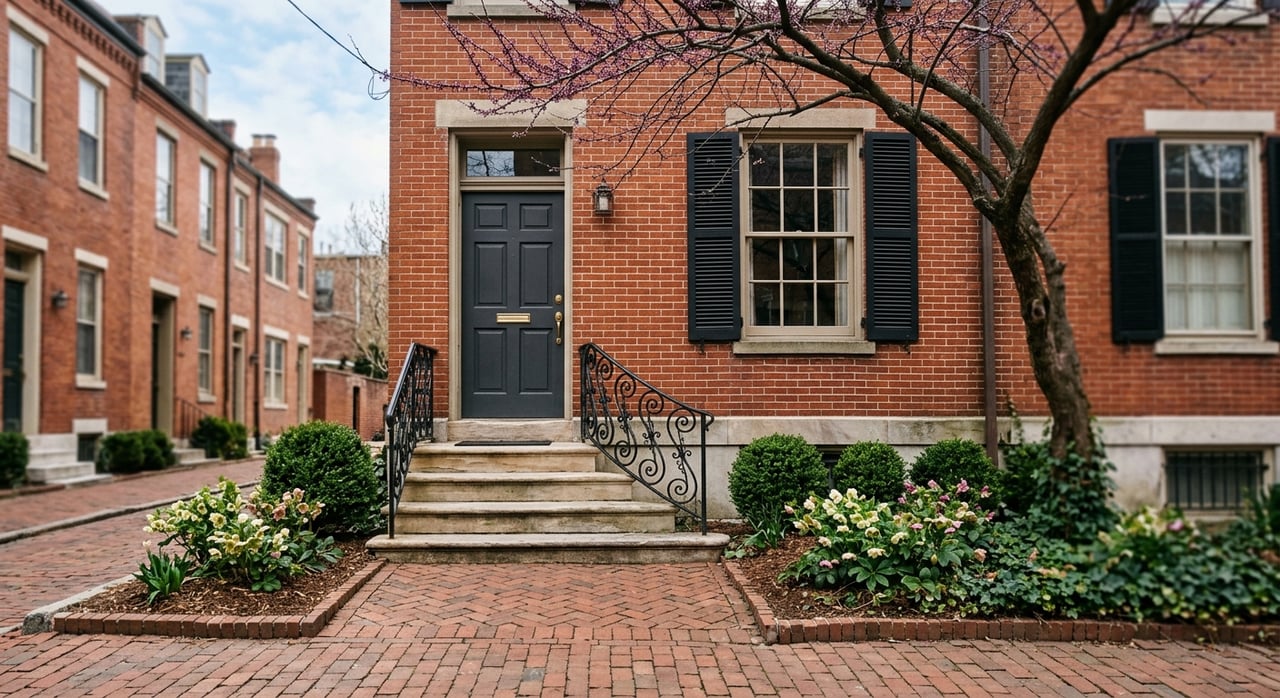
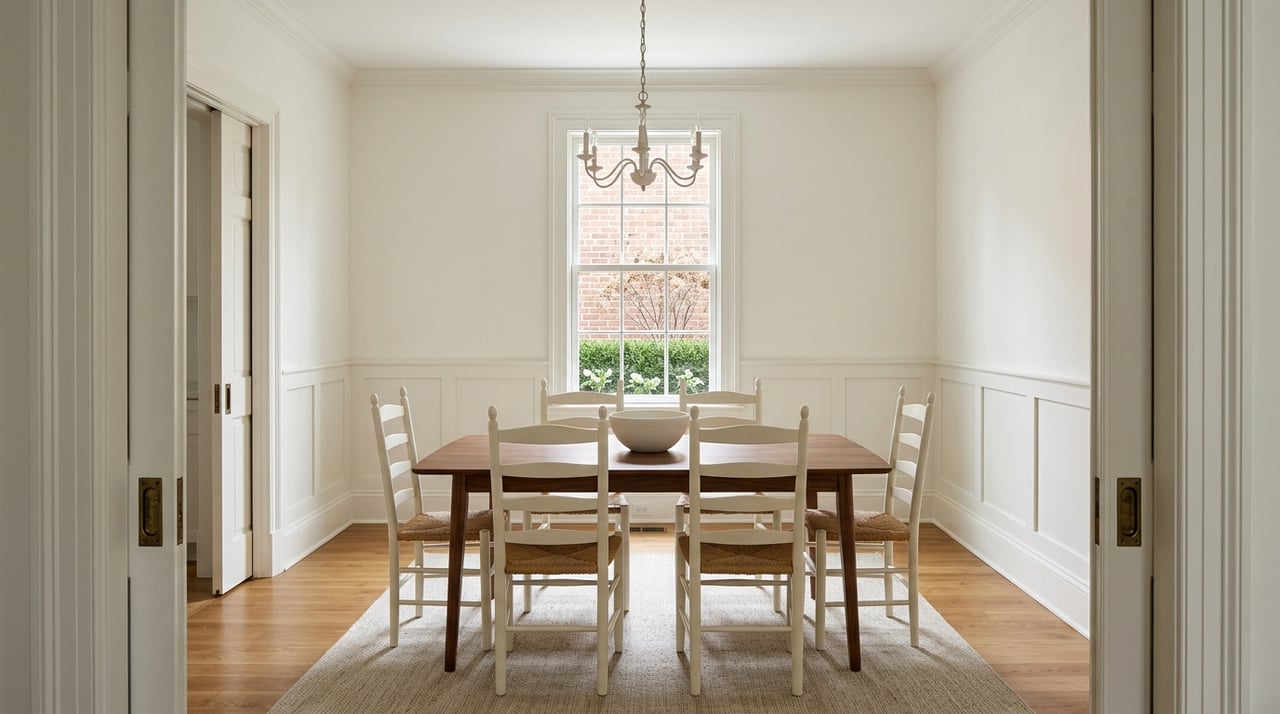
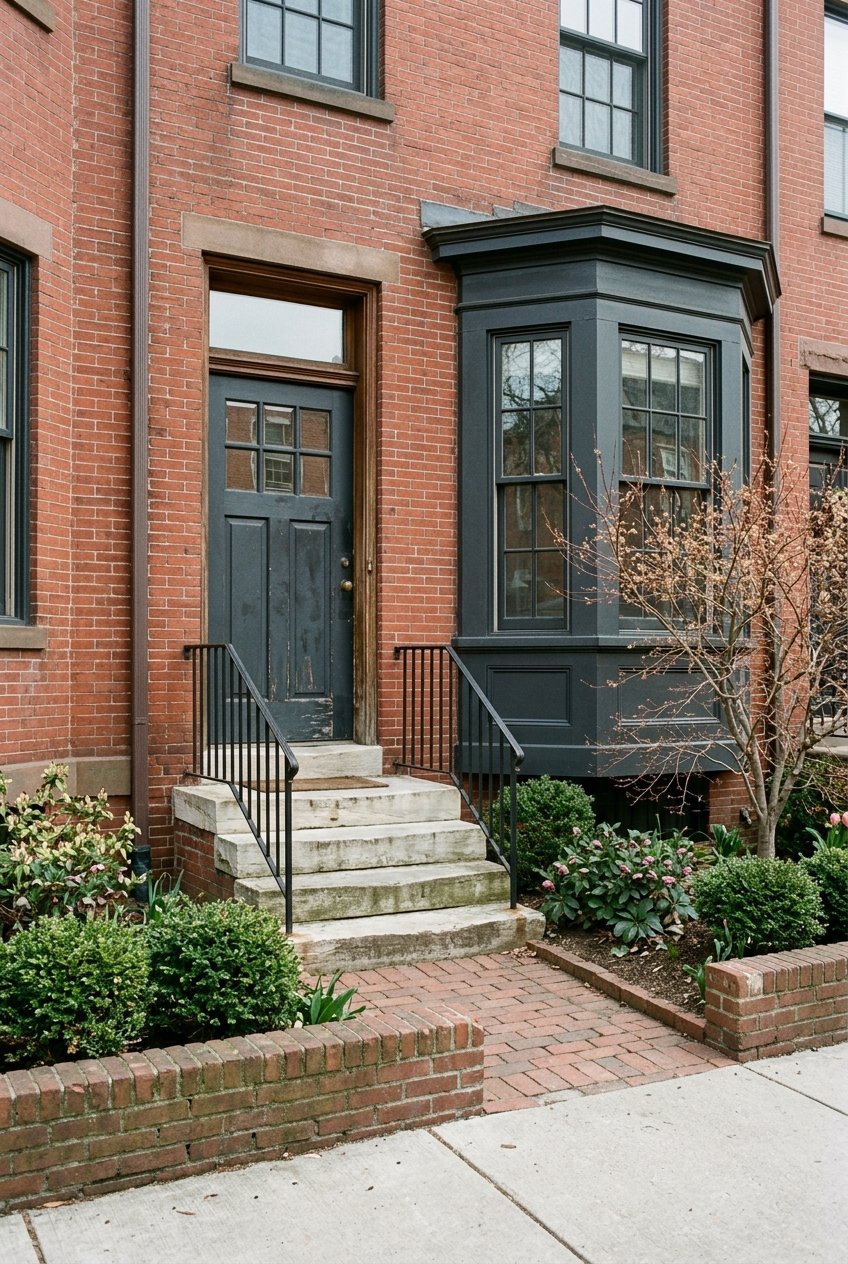
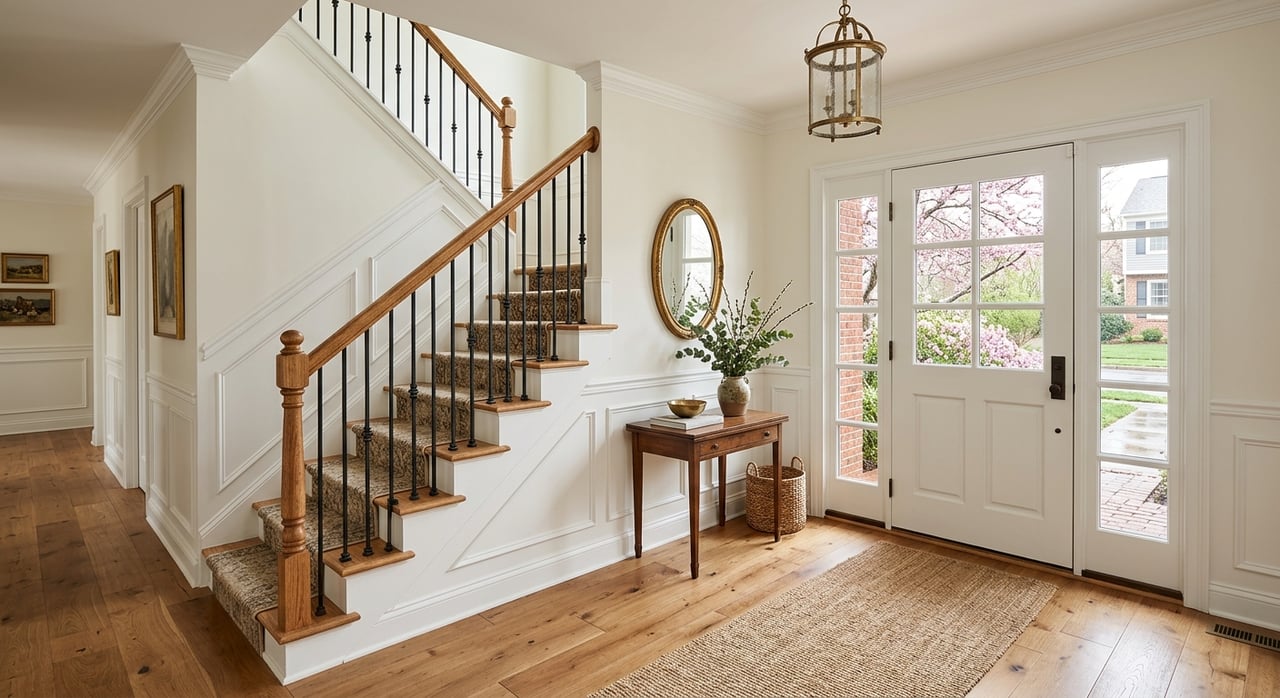
Expect a mix of historic rowhouses, loft-style conversions, and low- to mid-rise condos close to the river. Many rowhouses date to the 18th and 19th centuries with brick facades and period details. Lofts near K and M Streets reflect adaptive reuse, with higher ceilings and industrial touches.
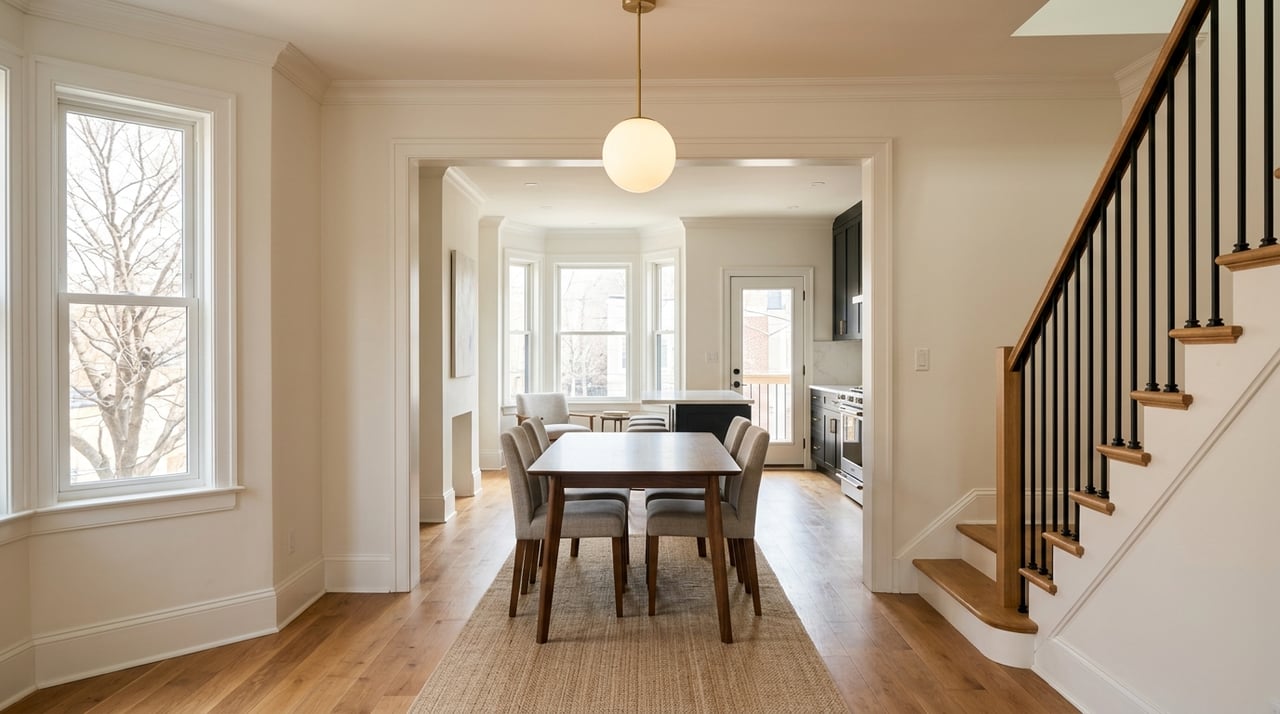
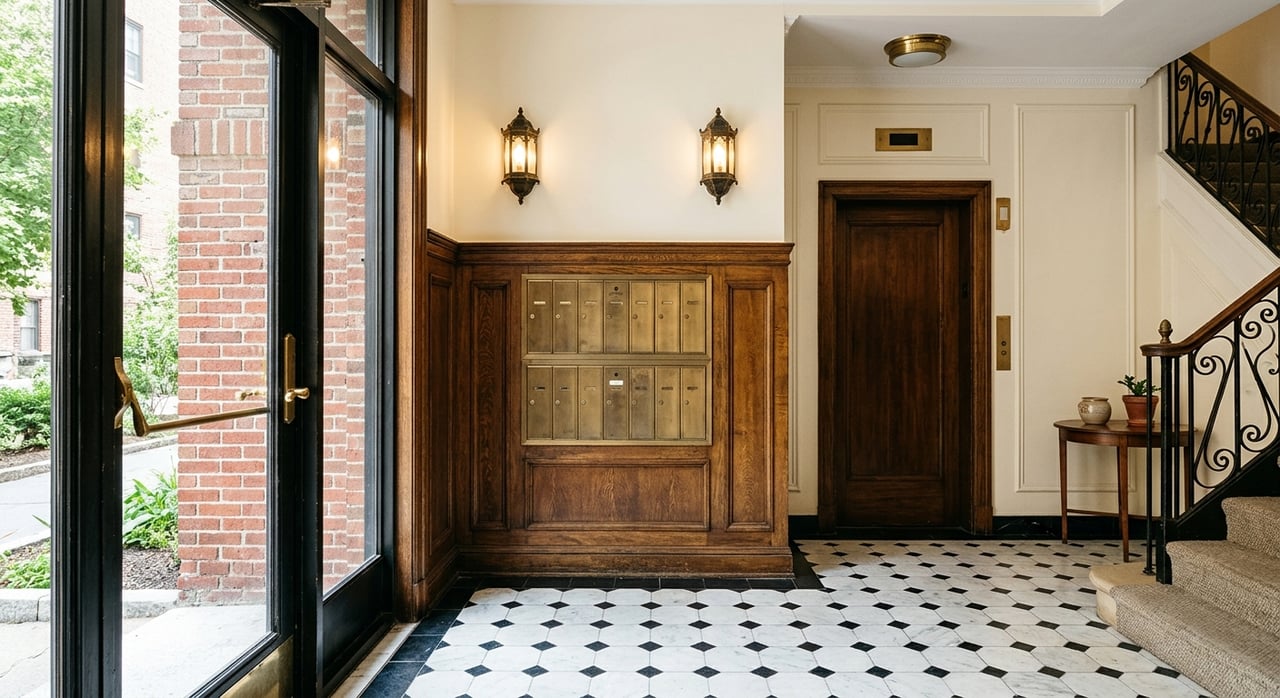
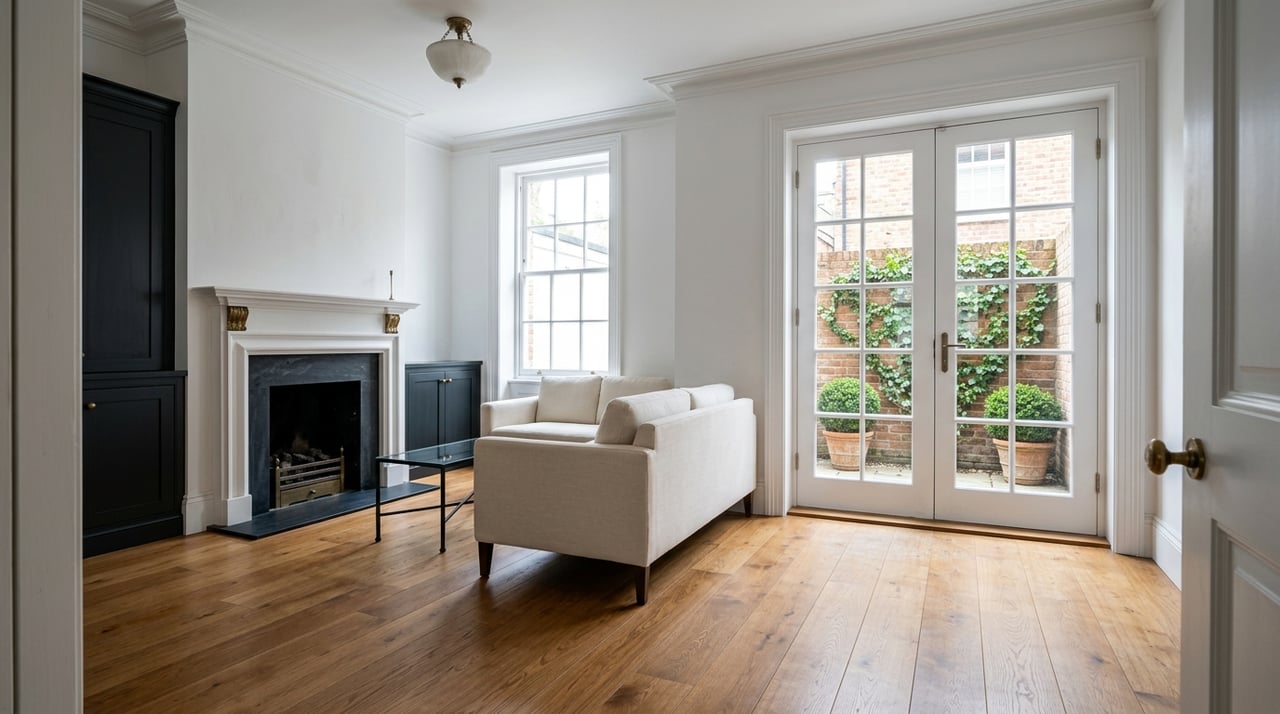
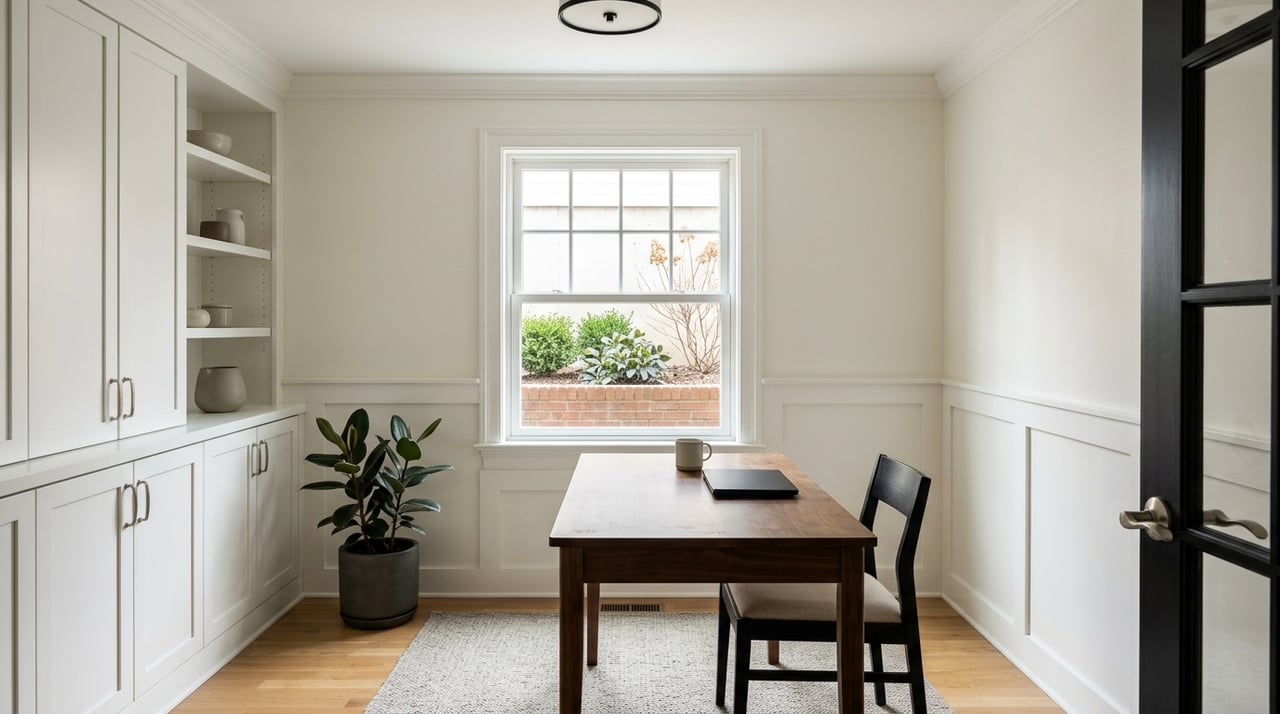
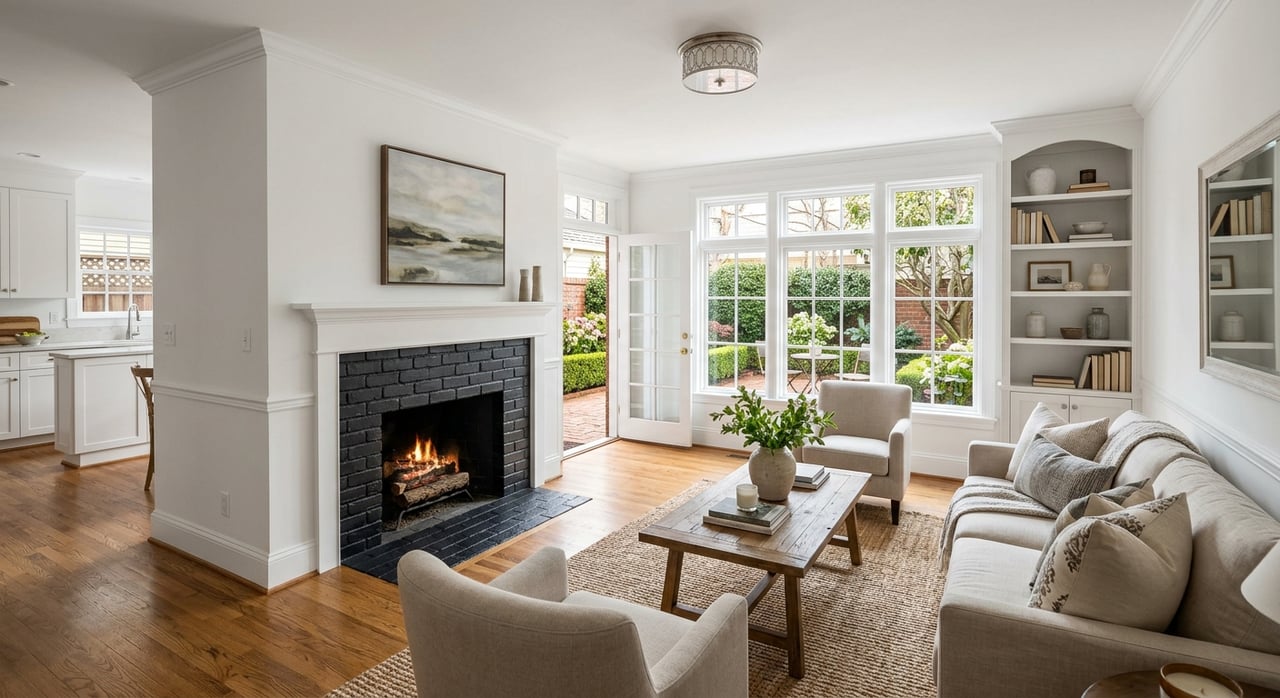
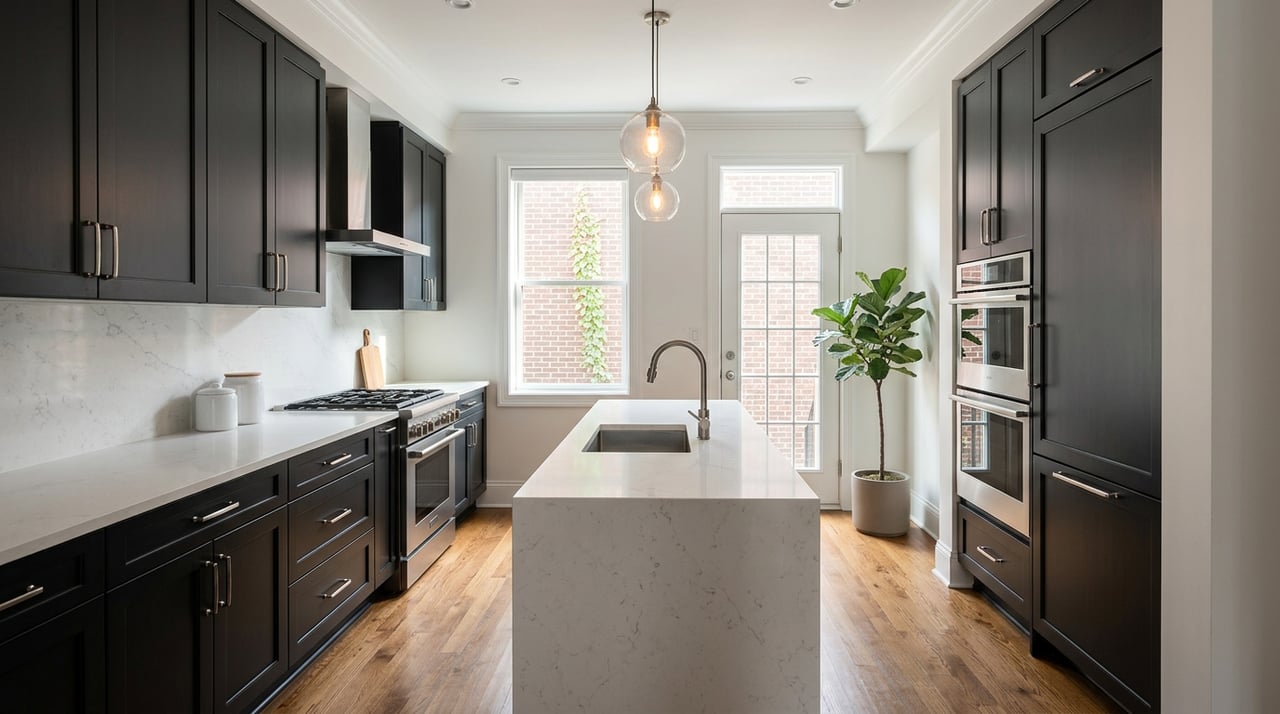
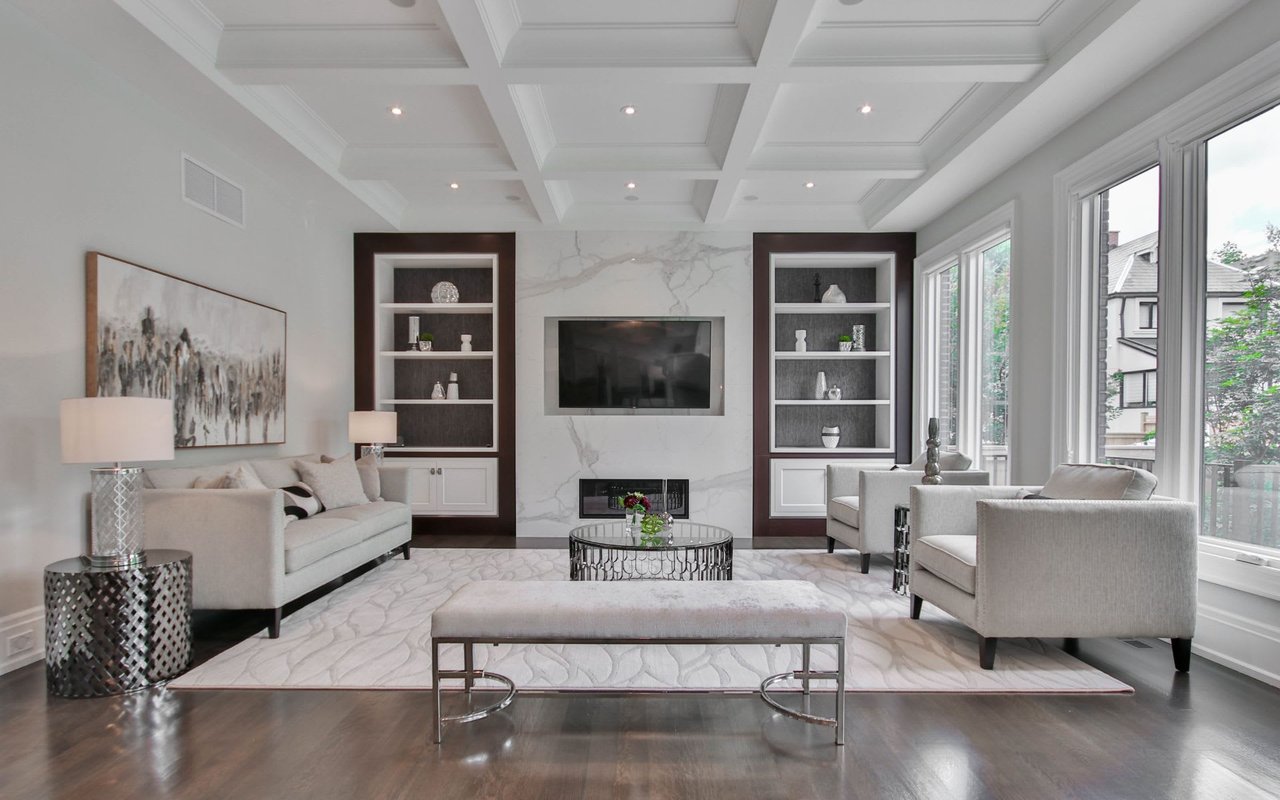
Waterfront condominium buildings often feature amenities like concierge services, fitness rooms, and parking. Interiors range from classic finishes to fully renovated luxury. New infill and townhome projects are limited and tend to be premium due to design review and height limits.
What a day looks like here
Mornings often start with a walk or run along the promenade or the towpath. Coffee and breakfast options line nearby streets, and errands are simple with boutique retail and services close at hand. Midday is active with office workers, residents, and visitors sharing the plaza and parks.
Afternoons bring water access to life. Kayakers and rowers launch near Thompson Boat Center, and cyclists use the Capital Crescent Trail. Evenings are for river-view dinners, casual strolls, and seasonal events. The pace changes with the season, but the setting stays consistent.
Lifestyle perks and amenities
- Dining and shopping: M Street and side streets offer a wide range of cafes, bistros, and retail. Washington Harbour concentrates riverfront dining with outdoor seating and views.
- Outdoor life: The waterfront park, pocket greens, and towpath make it easy to stay active. Public seating along the river is ideal for sunsets.
- Culture and events: Georgetown University adds lectures and performances. You are also a short trip to the Kennedy Center and museums. Washington Harbour’s plaza features a fountain in warm months and an ice rink in winter.
Transportation and commute
There is no Metro station within Georgetown. The closest are Foggy Bottom-GWU to the east and Rosslyn across Key Bridge. Buses and the DC Circulator connect you to both, and biking is practical given trail access.
By car, Key Bridge links you to Arlington and I-66. Congestion and limited parking are common, so plan for assigned garage spaces in many condos or permit-based street parking on certain blocks. Seasonal water taxi services have connected the waterfront to destinations like Alexandria and the Wharf during warmer months, with schedules that can vary by operator.
Buying on the waterfront
This is one of DC’s most premium residential pockets due to river proximity, historic character, and central access. Inventory is limited, especially for single-family homes, and competition can be high for renovated properties and strong river views.
As a general guide, smaller condos and some lofts sit at the entry tier for Georgetown. Two- to three-bedroom condos and renovated rowhouses occupy the mid-to-upper tier. Large, updated townhouses and prime waterfront-facing units trade at a premium. Sales cycles can align with school calendars, university schedules, and seasonal tourism.
Renovation and preservation essentials
The Georgetown Historic District overlays the neighborhood, so most exterior changes require review. The Old Georgetown Board and the DC Historic Preservation Review Board evaluate design and materials. Plan for added time and documentation, especially for changes to facades, windows, and additions.
If your property sits near the C&O Canal or federal parkland, extra permits can apply. Interior work also requires standard building permits through the DC Department of Buildings. The key is to map your scope early and consult experienced pros familiar with local review.
Flood, parking, taxes, and insurance
Parts of the waterfront have experienced Potomac flooding in the past. Mortgage lenders may require flood insurance for homes within mapped flood zones. Before you buy, review parcel-level flood maps and explore recent mitigation measures.
Parking is limited. Many condos include assigned garage spaces, and some blocks use residential parking permits. If you are buying a rowhouse, verify private parking, alley access, or permit options.
Carrying costs vary with DC property tax rates, potential historic tax credits, and occasional special assessments tied to infrastructure. Confirm current numbers during due diligence to avoid surprises.
Who the waterfront fits
- Best for buyers who value river views, walkability, and quick access to central DC and cultural institutions.
- Ideal for professionals and downsizers who want a lock-and-leave setup in a luxury condo or renovated townhouse.
- Less suitable if you want large yards, suburban-style detached homes, or a Metro station right outside your door.
Waterfront vs non-waterfront trade-offs
Waterfront living offers river scenery, trail access, and immediate proximity to Washington Harbour. You may trade larger lots and easier parking for views and walkability. Non-waterfront Georgetown streets can feel quieter and may present more traditional townhome options at varied price points.
Flood risk and insurance requirements are important differences. On the waterfront, confirm elevation and coverage early. Away from the river, those factors are often less central to the decision.
Selling on the waterfront
Showcase outdoor access, natural light, and any river outlooks. Buyers respond to move-in-ready homes with thoughtful renovations that respect historic character. High-impact updates, staging, and pro photography help capture value, especially in low-inventory segments.
If your property involves exterior alterations or recent work, organize permits and approvals in advance. Clear documentation builds trust and speeds the process.
School and family notes
Public school assignments are managed by DC Public Schools and can change over time. Always verify by address. Private and independent schools are located in and around Georgetown and are part of why some families choose the area.
Next steps
If the Georgetown waterfront matches your goals, map your needs against the trade-offs. Clarify commute preferences, renovation appetite, and risk tolerance for flood insurance. With that picture set, you can focus on the right buildings, blocks, and view corridors.
Considering a purchase or sale along the waterfront and want white-glove guidance, data-informed pricing, and Compass-backed marketing? Connect with the boutique advisors at Infinity Group for a Private Market Consultation.
FAQs
What is daily life like on the Georgetown waterfront?
- Mornings feature towpath runs and coffee stops, afternoons bring water and trail activity, and evenings center on river-view dining and seasonal events at Washington Harbour.
What home types are common and how do prices range?
- You will see historic rowhouses, loft-style conversions, and amenity condos; smaller condos are entry tier, renovated rowhouses mid-to-upper, and large waterfront-facing homes command premium pricing.
How do I commute without a Metro station in Georgetown?
- Use buses and the DC Circulator to reach Foggy Bottom-GWU or Rosslyn, bike the Capital Crescent Trail, or drive via Key Bridge while planning for congestion and parking limits.
How do historic rules affect renovations near the waterfront?
- Exterior changes typically require review by the Old Georgetown Board and the DC Historic Preservation Review Board, so expect additional time, documentation, and material standards.
Do I need flood insurance for a waterfront home?
- Lenders may require flood insurance if the property is in a mapped flood zone; verify parcel-level risk and coverage needs before you finalize a contract.
What are the school options for Georgetown residents?
- Public school assignments are set by DC Public Schools and vary by address; private and independent schools are nearby and may influence some families’ choices.