Torn between a sleek Georgetown condo and a classic brick townhouse? You are not alone. Both options deliver a coveted zip code and walkable lifestyle, but they come with very different costs, maintenance, and resale considerations. In this guide, you will learn how fees, privacy, historic rules, parking, financing, and long-term value stack up so you can choose confidently. Let’s dive in.
Georgetown market snapshot
Georgetown is one of DC’s highest-cost, lowest-inventory neighborhoods. Late 2025 to early 2026 snapshots from major aggregators place typical home values roughly in the mid to high seven figures, with many sales reflecting strong price-per-square-foot. Use these as a neighborhood frame, not a prediction for any single home.
Price per square foot: condos vs townhouses
- Townhouses: Recent Georgetown listings and closings often fall around the mid-hundreds to a bit above $1,000 per square foot, with premiums for private outdoor space, parking, garages, and high-quality renovations.
- Condos: Per-square-foot is more dispersed. Smaller units can price high on a per-foot basis, while luxury buildings can reach much higher. For example, reported sales at the Four Seasons Residences have averaged well above $2,700 per square foot, with some sales over $3,000 per foot, underscoring how building quality drives pricing in Georgetown (Axios coverage of Four Seasons sales).
When comparing price per foot across property types, normalize for size, condition, included parking or storage, and whether you own land fee simple or share common elements as part of a condo.
Ownership and monthly costs
What you own and maintain
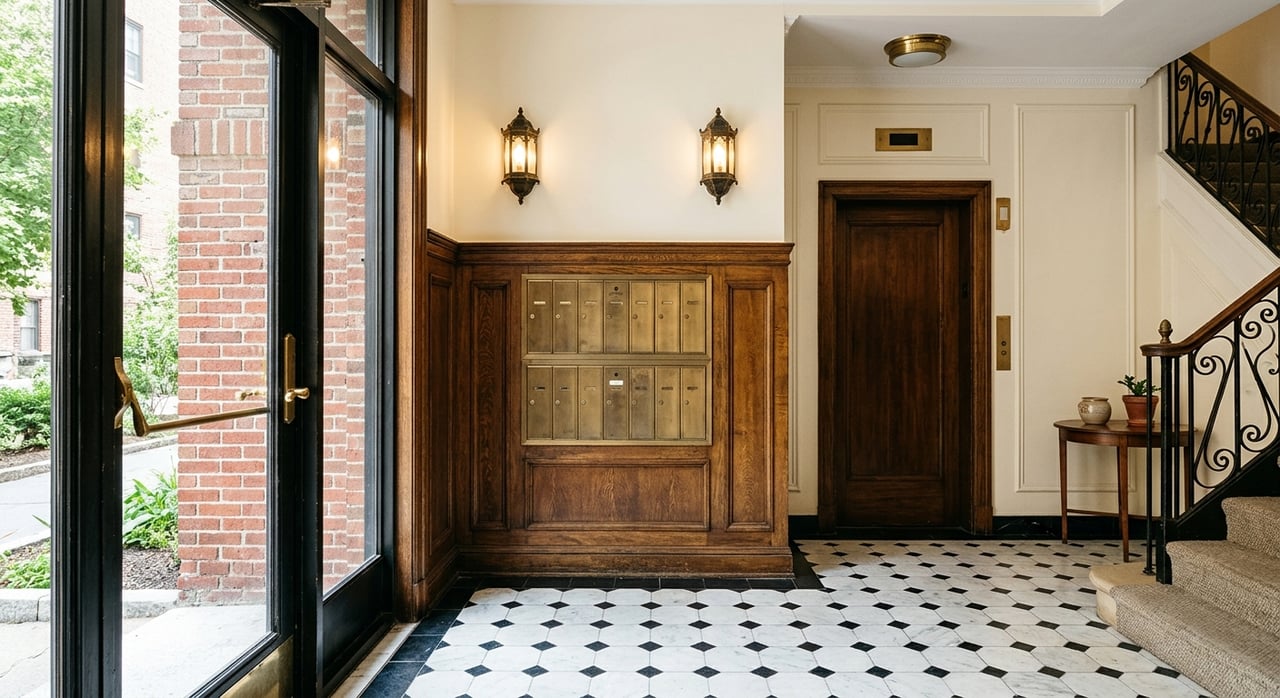
- Condos: You own the unit plus a shared interest in the common elements. The association maintains building exteriors, systems, and common spaces, which is why condo fees fund most exterior obligations. DC condominium law spells out this structure and defines common elements (District of Columbia Code).
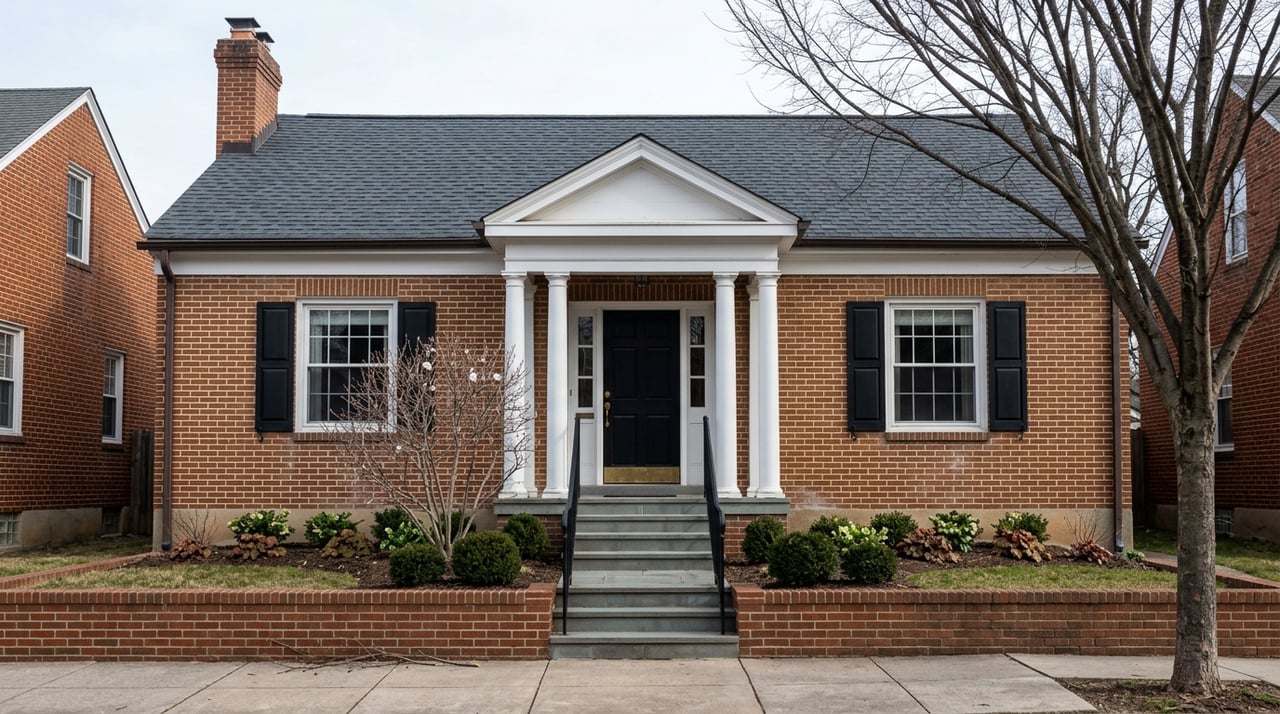
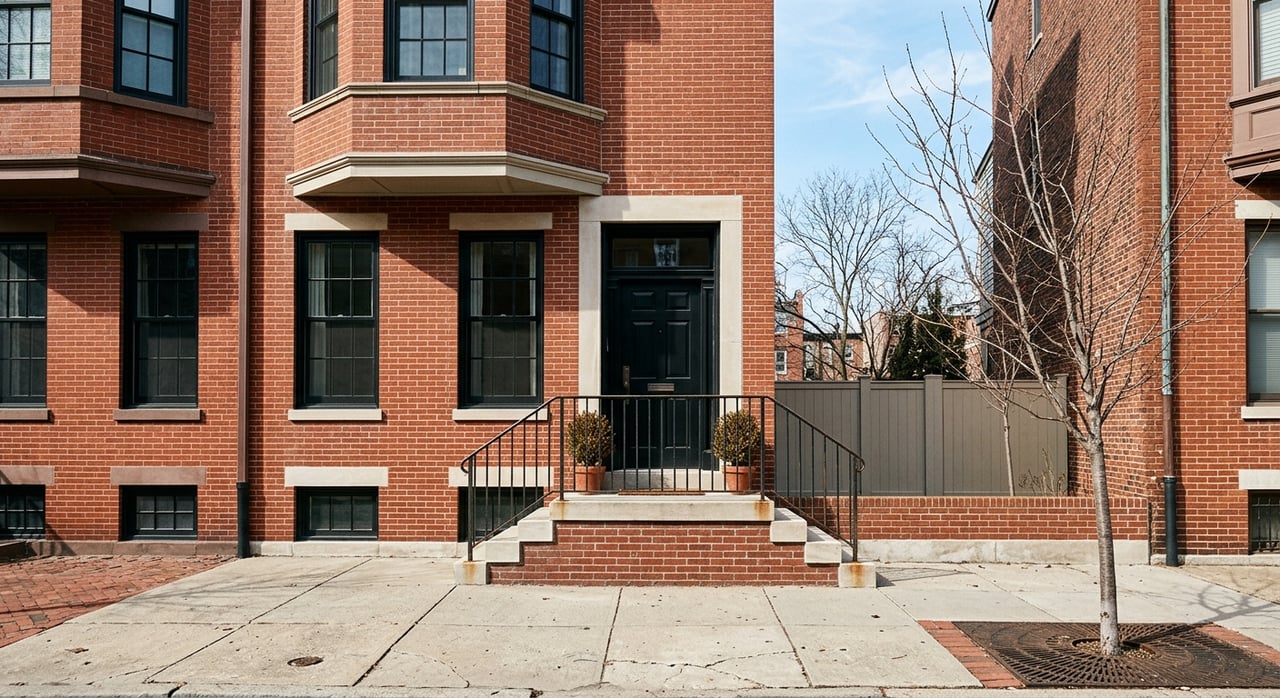
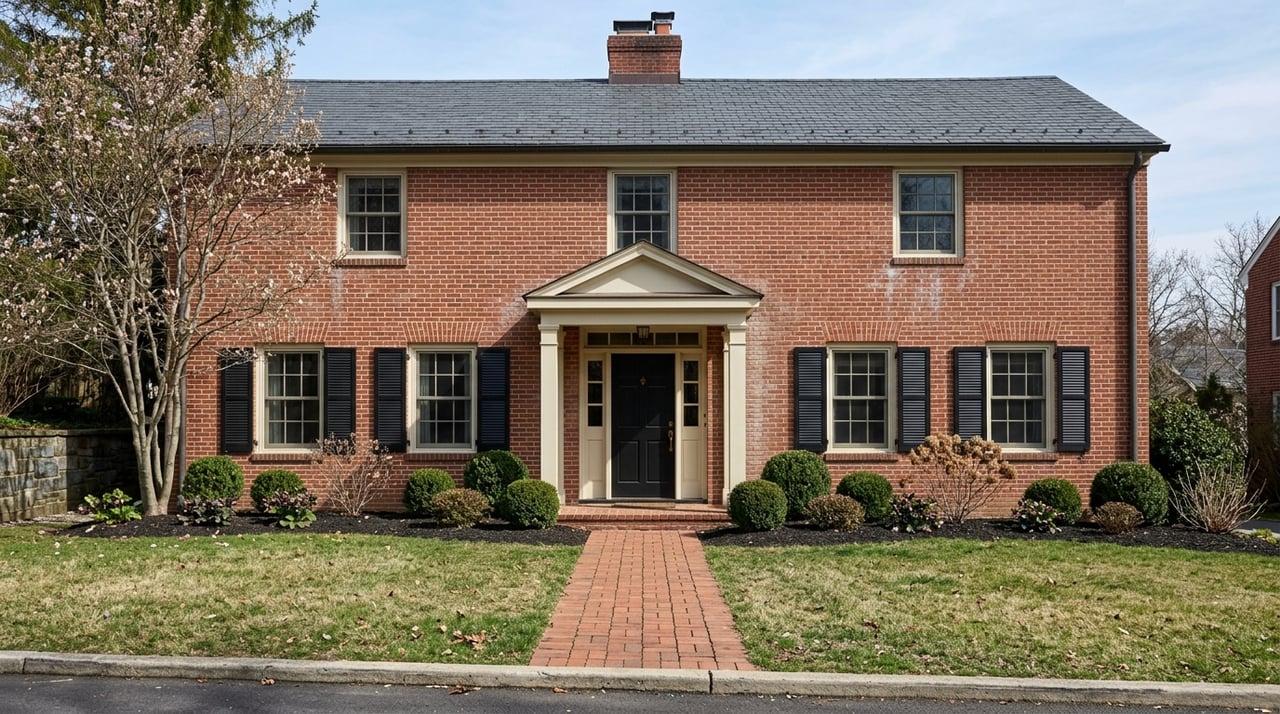
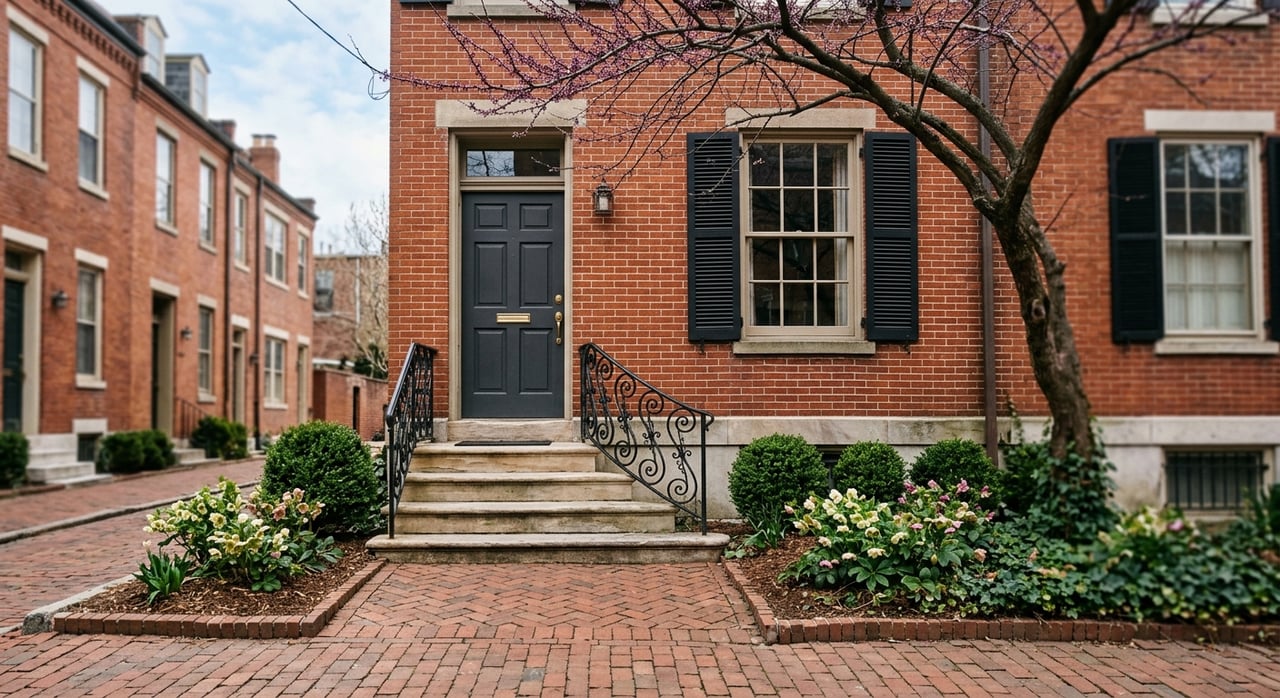
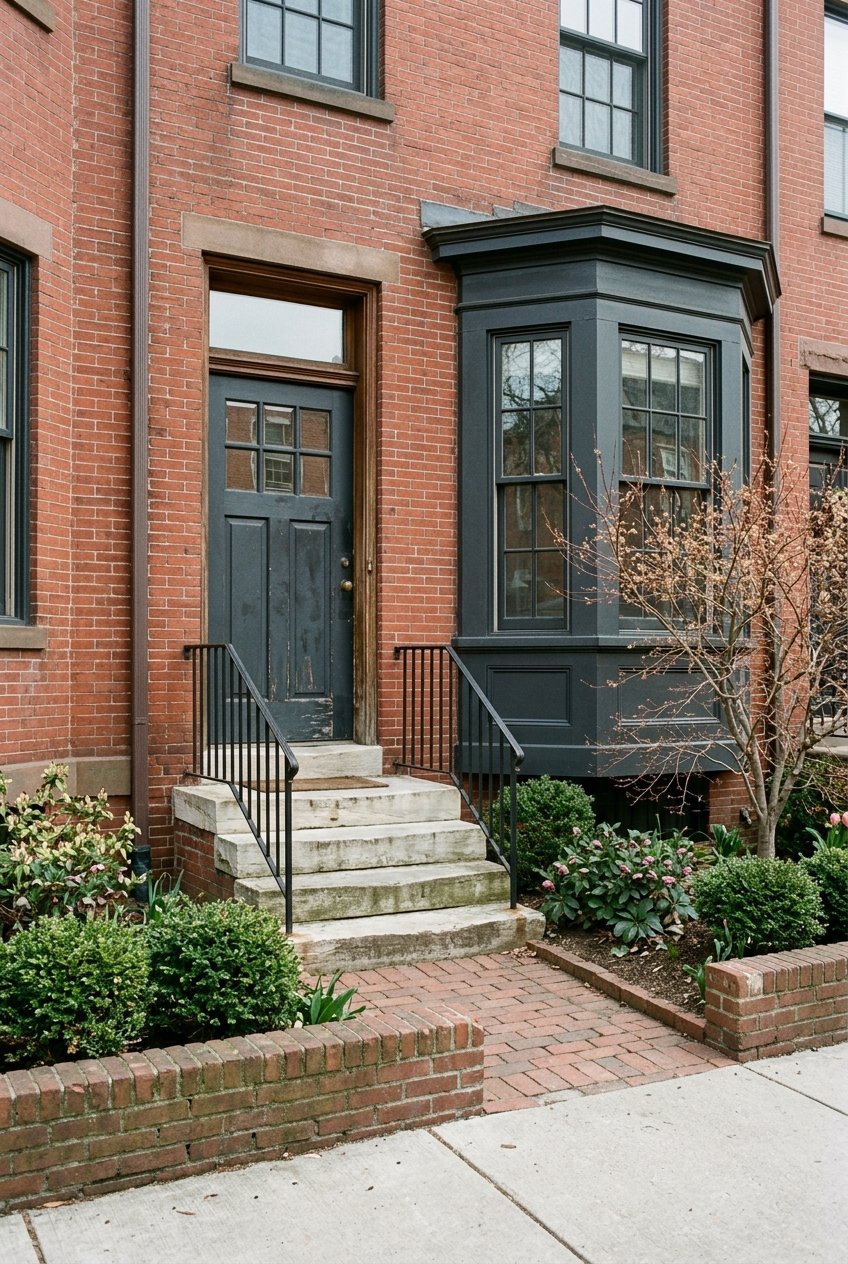
- Townhouses: Many Georgetown townhouses are fee simple, so you are typically responsible for the exterior, roof, and lot. Some townhouse communities have HOAs that cover limited shared areas or even exterior elements. Always confirm the governing documents.
Condo and HOA fees: what they cover
Association fees vary by building and services. In DC, median monthly dues are high relative to many states, and Census-based reporting places the District’s median near about $505 per month (Axios summary of HOA and condo fee medians). In Georgetown, small walk-ups can be modest, while amenity-rich buildings can exceed $1,000 per month. Fees typically fund the master insurance policy, exterior and common-area maintenance, elevators, trash, landscaping, security or concierge, amenities, and reserves for future repairs (what DC condo fees commonly cover).
Red flags when reviewing dues
Ask for the budget, reserve study, recent meeting minutes, and insurance declarations. Watch for low reserves relative to building age, frequent special assessments, high delinquency rates, pending litigation, or major deferred projects. These can impact your monthly costs and resale.
Lifestyle, privacy, and parking
Privacy and layout
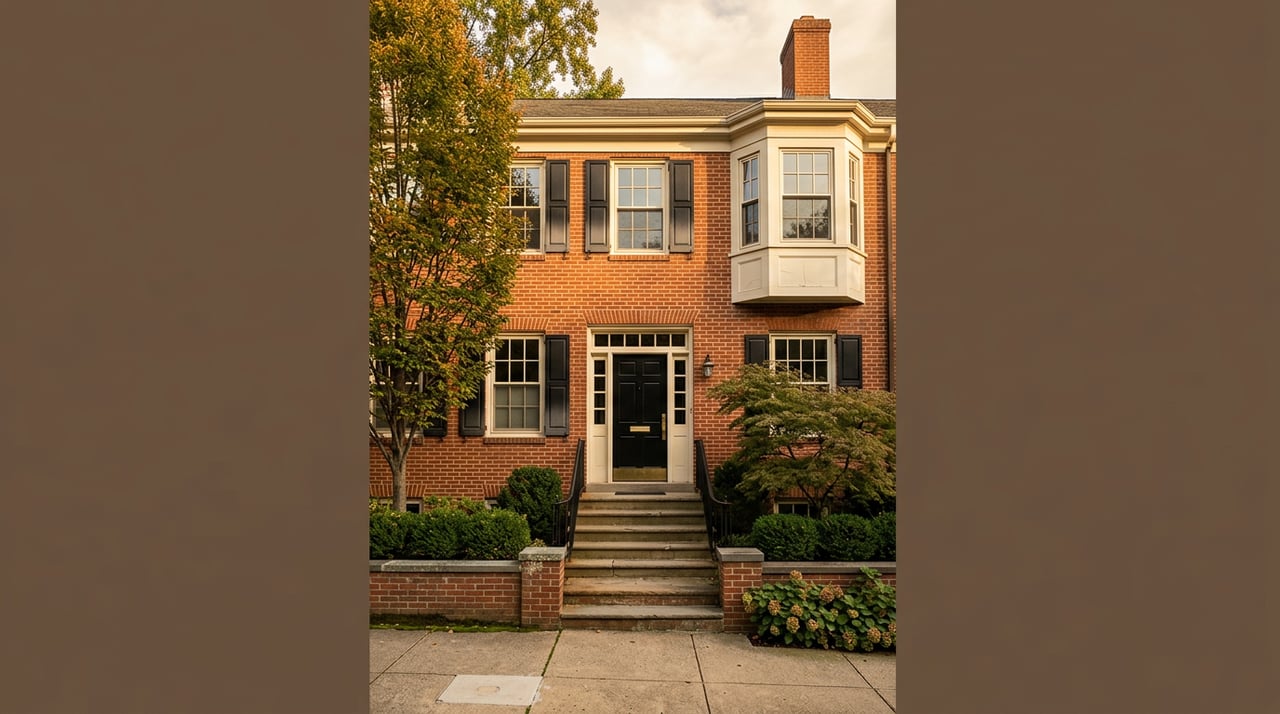
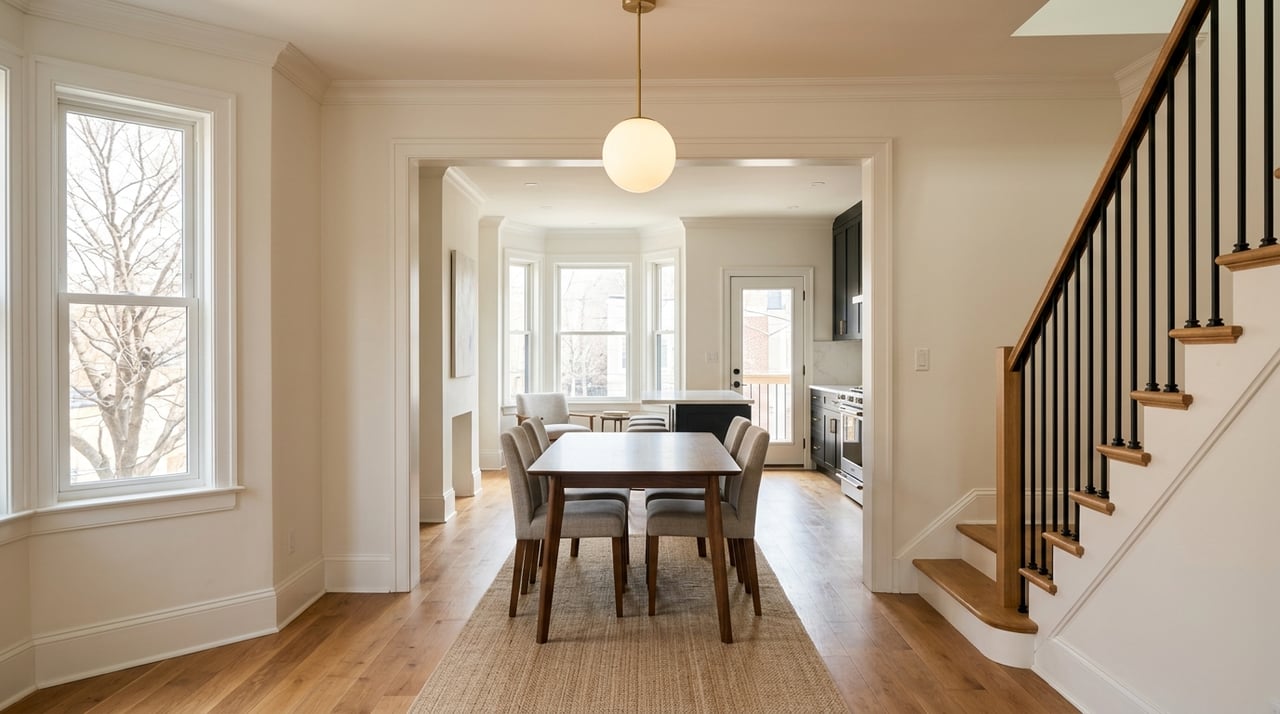
Townhouses often feel closer to single-family living with private entries, fewer shared walls, and outdoor space. Condos trade some privacy for convenience, security, and amenities. These are lifestyle tradeoffs that hinge on how much space and independence you want versus how much you value managed services.
Historic-district rules that affect renovations
Most of Georgetown is within the Old Georgetown Historic District. Exterior work visible from a public way typically requires review by the Old Georgetown Board and the Commission of Fine Arts before permits issue. This can lengthen timelines and shape design choices for both townhouses and condos with facade exposure. Plan ahead if you expect to alter windows, doors, or add exterior elements (Old Georgetown review overview).
Parking and resale value
Street parking relies on DC’s Residential Parking Permit program (Georgetown is Zone 2). Deeded or assigned parking is prized and can boost convenience and resale appeal. Confirm whether a space transfers with the unit, and review guest parking policies where relevant (Residential Parking Permit program details).
Short-term rentals and pied-à-terre use
DC limits short-term rentals to your primary residence, and many condo bylaws further restrict leasing or short stays. Condos are often a strong fit for lock-and-leave living, but confirm whether non-primary ownership and rentals are allowed before you buy (DC short-term rental rules overview).
Financing, insurance, and resale
Warrantability matters for condos
Condo financing depends on the building’s eligibility for Fannie Mae, Freddie Mac, and other programs. Key factors include owner occupancy, reserves, insurance, litigation, and commercial space share. Non-warrantable status can reduce loan options and shrink the future buyer pool. Ask early whether the building meets project standards or has specific approvals (Fannie Mae project standards overview).
Insurance differences and risk
Condo buyers typically carry an HO-6 policy that covers interiors, improvements, contents, and loss assessment. The association carries a master policy for the structure and common areas. Townhouse owners often need HO-3 coverage that includes the exterior and any small-lot improvements. Policy type and deductibles affect both premiums and exposure (condo vs homeowners insurance basics).
Long-term value and liquidity
Fee-simple ownership that includes land, like many townhouses, often benefits from a land component that can help support long-term appreciation. High-quality condos in constrained urban areas can also appreciate strongly, especially in top-tier buildings. In Georgetown, limited supply, historic character, and proximity premiums support demand for both. Your return will depend on property condition, association health, and financing liquidity.
Which fits your goals?
- You want low maintenance and services: A condo’s managed building, security, and amenities often win. Confirm what the fee covers and whether there is a concierge or on-site staff.
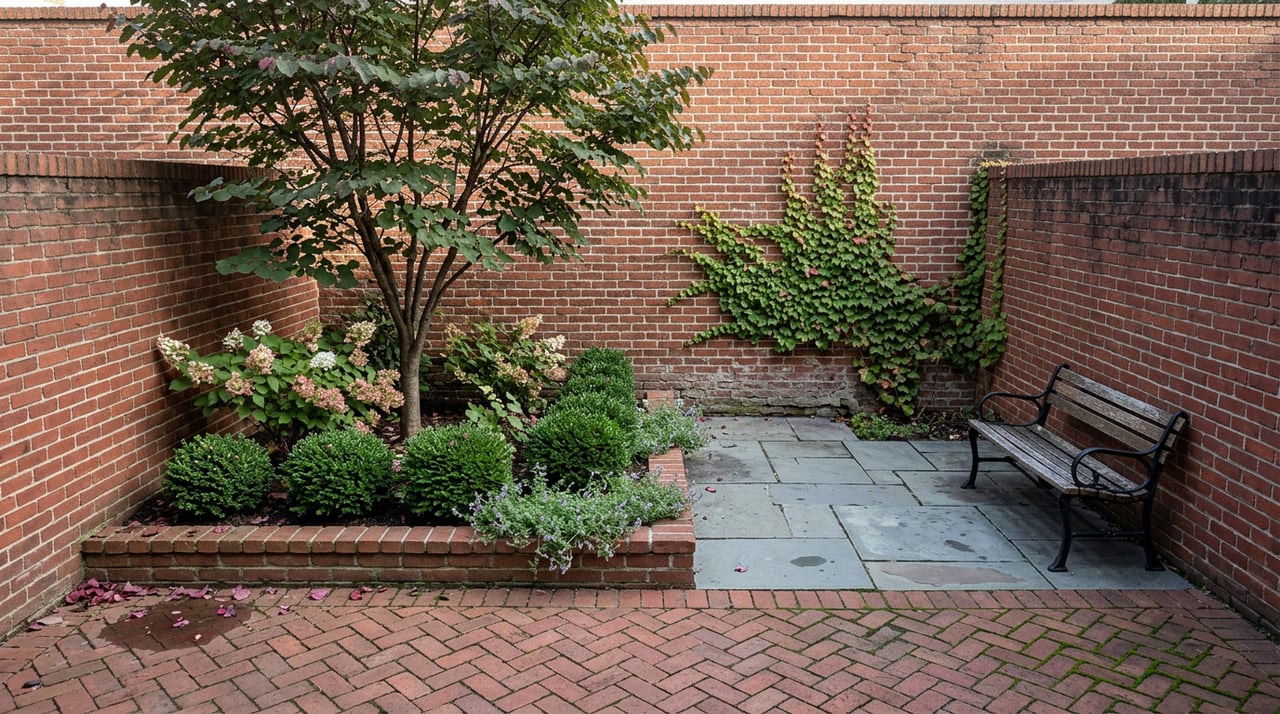
- You value privacy and outdoor space: A townhouse delivers a home-like experience, often with a private entry and patio or garden. Budget for exterior upkeep.
- You are downsizing and want one-level living: Elevator condos may be easier than multi-level townhouses. Check for step-free access and in-building services.
- You want a pied-à-terre: Condos can be great lock-and-leave options. Verify building rules and DC’s primary-residence limits for rentals.
Due diligence checklist
- Association and financials: Review the budget, latest financial statements, reserve study, 6 to 12 months of meeting minutes, master insurance declarations, special assessments, owner delinquency, and any pending or threatened litigation. Ask about planned capital projects and timelines.
- Ownership and components: Clarify what you own and what the association maintains. Confirm responsibility for windows, roof, decks, and exterior masonry. Verify deeded parking and storage rights.
- Historic and renovation: Confirm whether the property is in the Old Georgetown review area and what approvals are needed for your intended work (Old Georgetown review process).
- Financing and contingencies: If financing a condo, ask your lender about project review and warrantability. Consider an association-document contingency and a financing contingency if the project’s eligibility is uncertain (Fannie Mae project standards).
- Closing costs and taxes: DC transfer and recordation taxes are material. Buyers should budget roughly in the low to high 2 percent range combined, depending on price tier and eligibility for first-time buyer reductions. Speak with your title company about exact rates and whether you qualify for DC’s reduced recordation rate programs (DC transfer and recordation tax overview).
Next steps
Choosing between a Georgetown condo and townhouse starts with clarity on lifestyle, monthly budget, and renovation plans. From fee reviews and project eligibility to historic approvals and parking value, small details shape both day-to-day living and resale. If you want a private, data-informed plan tailored to your move, we are here to help. Connect with the Infinity Group for a confidential consultation.
FAQs
What is the main cost difference between a Georgetown condo and a townhouse?
- Condos concentrate costs in monthly dues that cover building operations and reserves, while townhouses shift more exterior and lot maintenance to the owner, often with lower or no HOA dues.
How do historic-district rules affect Georgetown renovations?
- Exterior work visible from public space typically requires Old Georgetown review before permitting, which can extend timelines and guide design choices.
Why does condo warrantability matter when I buy?
- A non-warrantable condo can limit loan options and reduce your future buyer pool, which affects both financing and resale.
Are Georgetown condo fees always over $1,000 per month?
- No. DC’s median across buildings is about $505 per month, but fees in Georgetown vary widely by services and amenities, with luxury buildings often higher.
Is parking worth paying extra for in Georgetown?
- Yes, deeded or assigned parking can add daily convenience and can support resale value in a neighborhood where curbside parking is competitive.