If your next career move puts you closer to the Capitol, your housing decision can shape your daily life just as much as your job title. A move to Capitol Hill often comes with tight timelines, long workdays, security considerations, and a real need for convenience. The good news is that if you understand how this neighborhood works, you can make a smarter choice faster. Let’s dive in.
Why Capitol Hill appeals to political professionals
Capitol Hill is more than the federal complex itself. In housing terms, it refers to the residential neighborhood east of the Capitol, with planning materials describing the historic district as stretching east to 14th Street, south to the Navy Yard, and north to F Street NE.
For political professionals, that distinction matters. You are not just choosing a place near work. You are choosing a real neighborhood with established housing stock, daily transit patterns, and a pace of life that blends government activity with residential living.
What the housing stock looks like
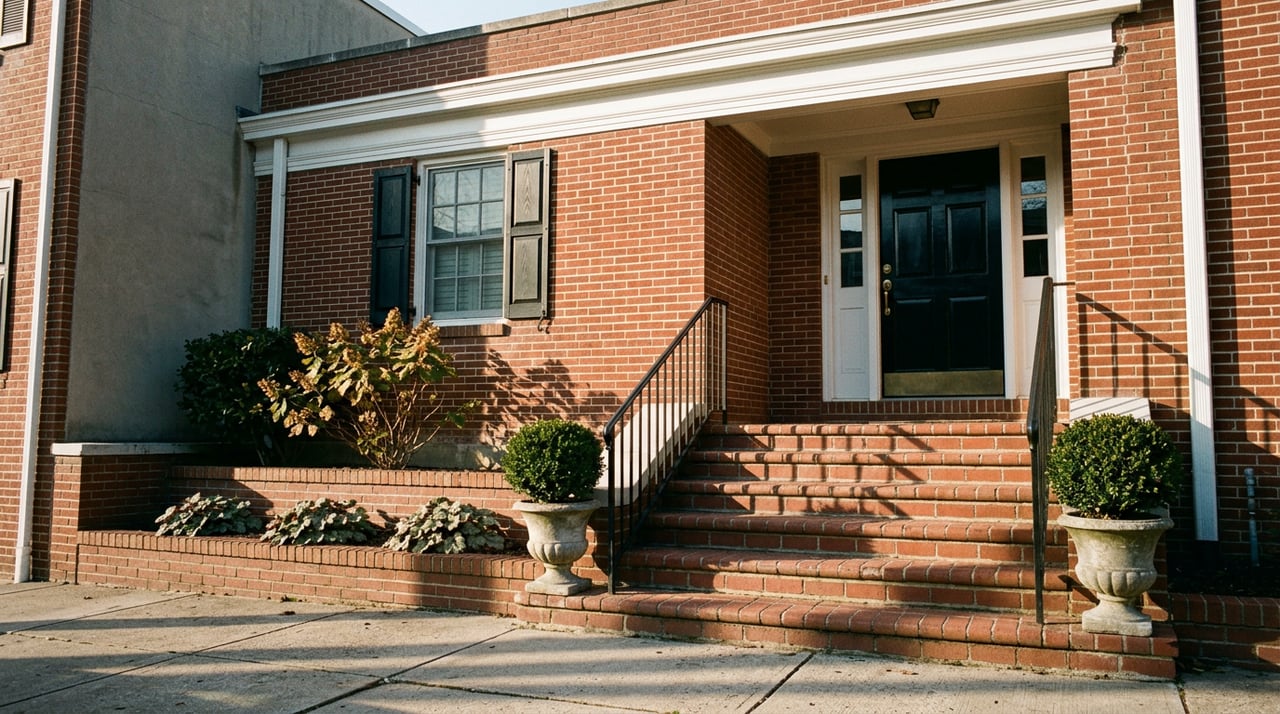
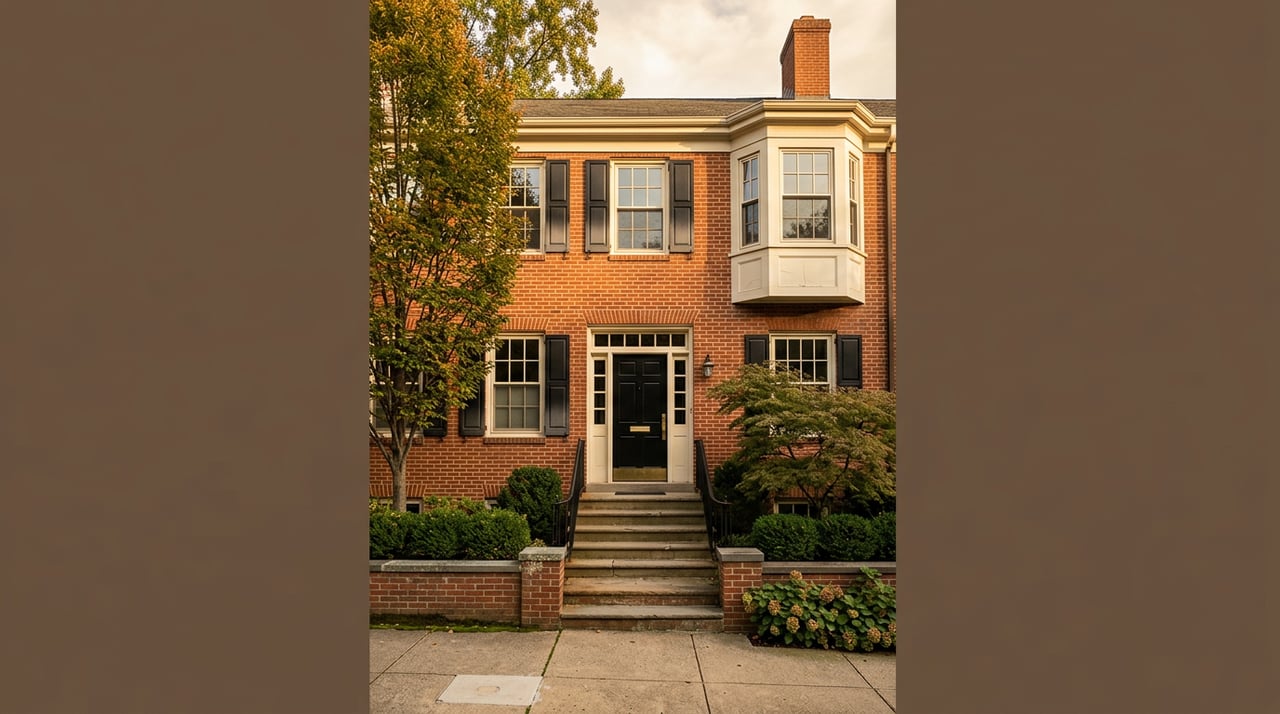
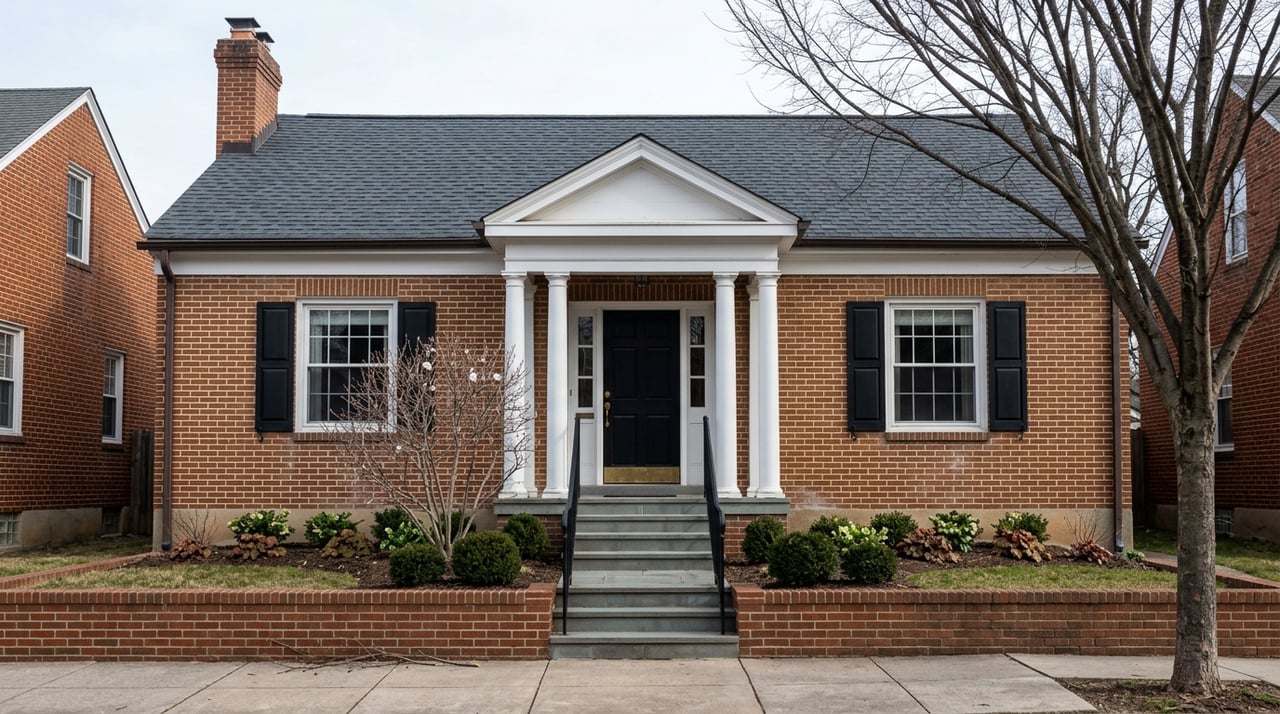
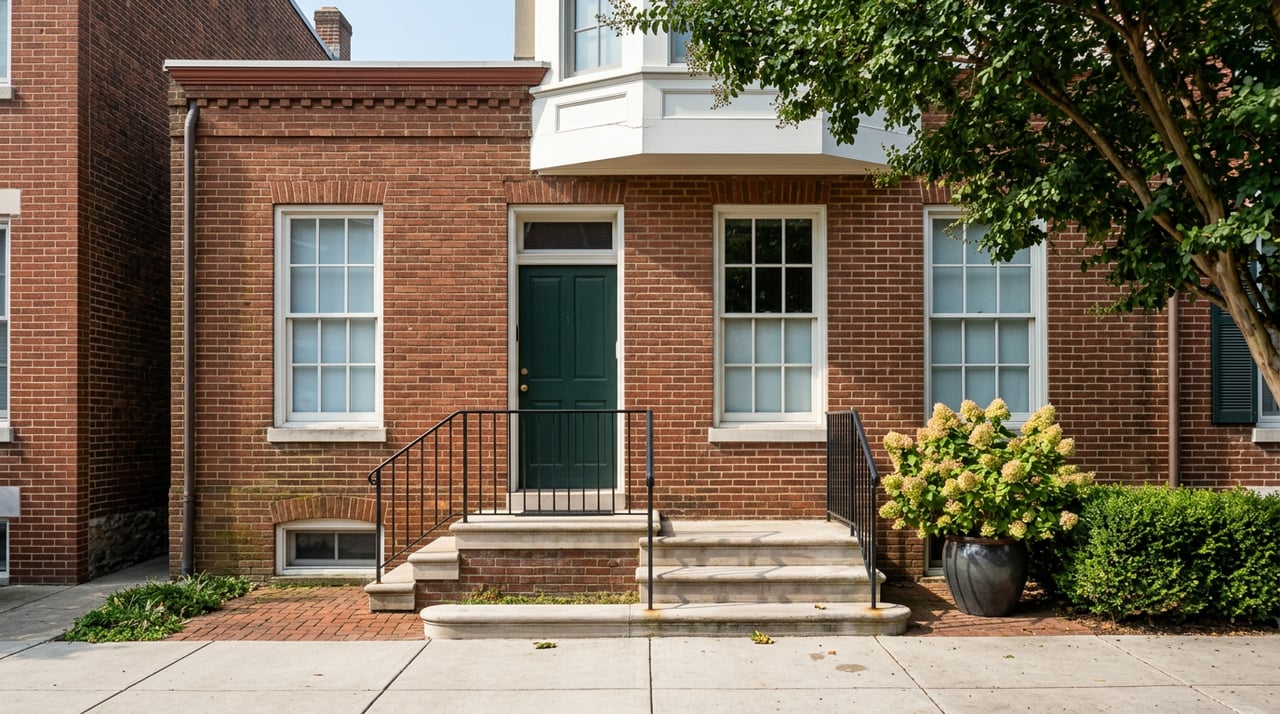
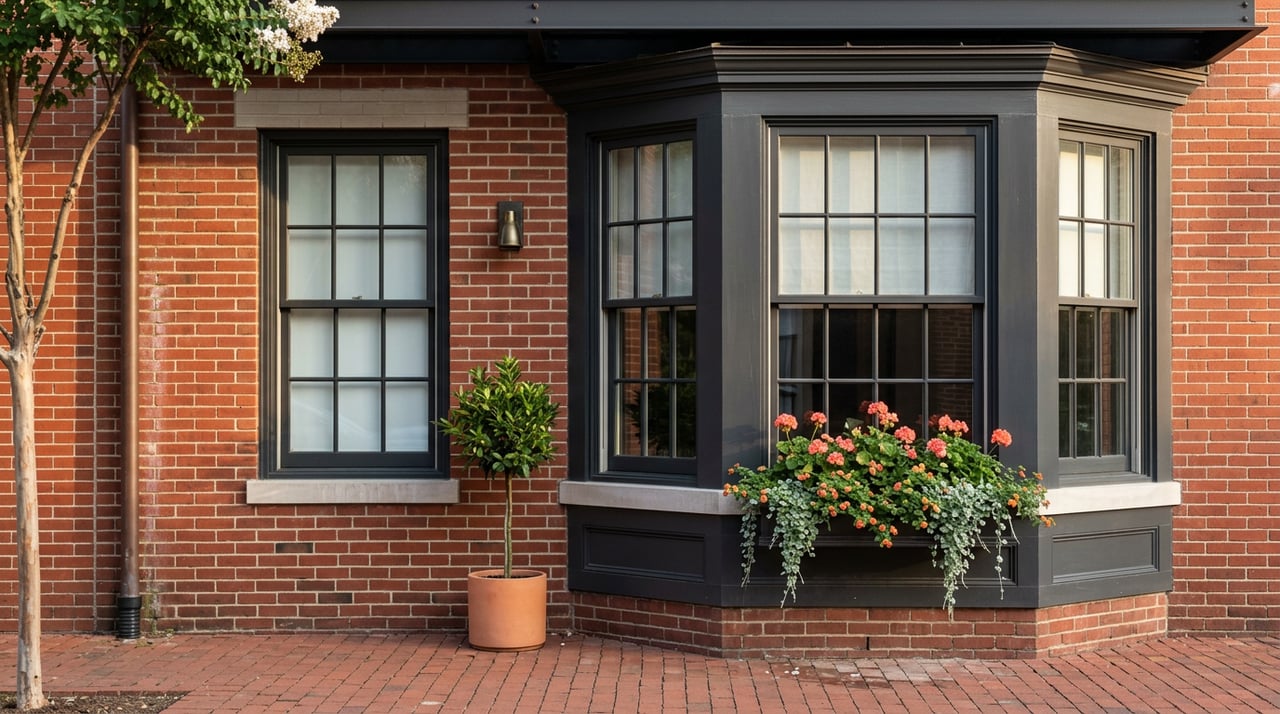
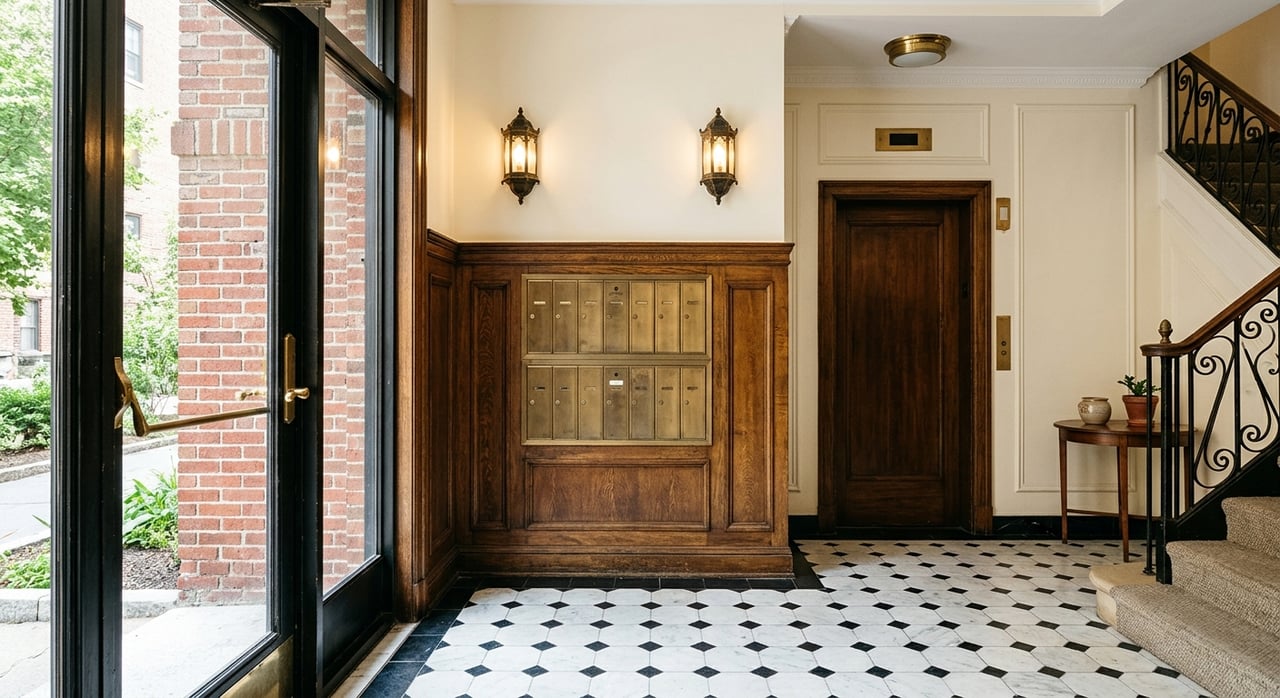
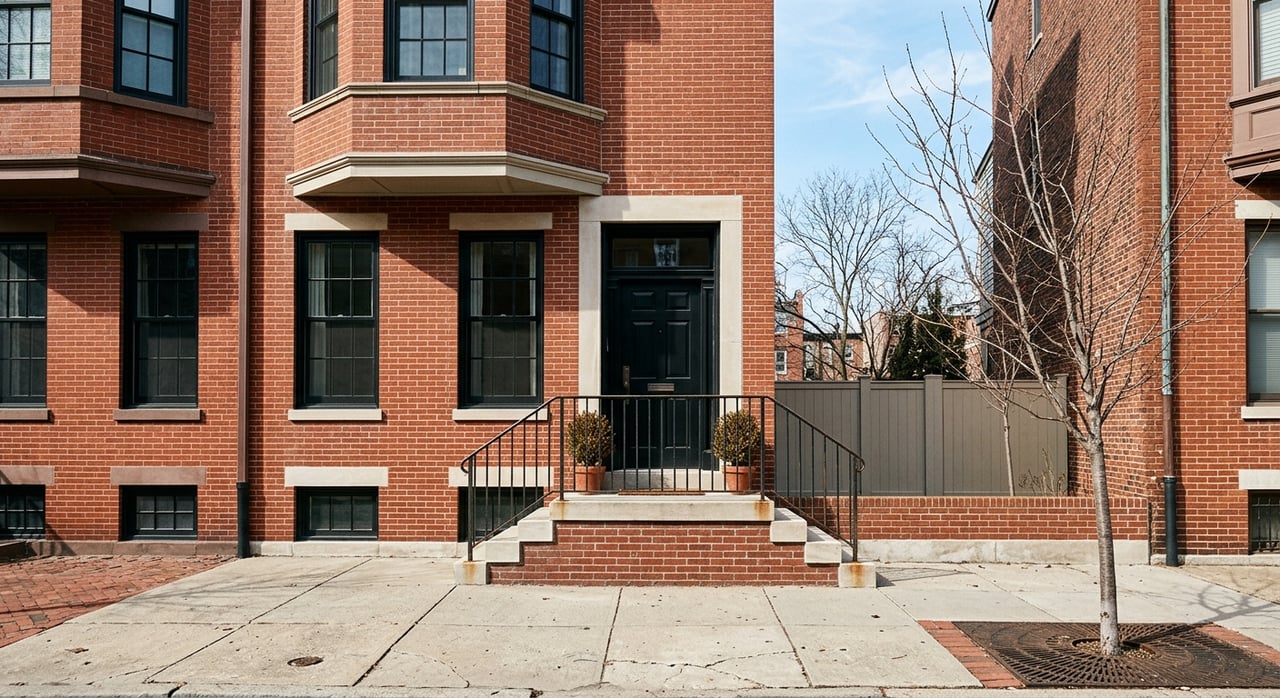
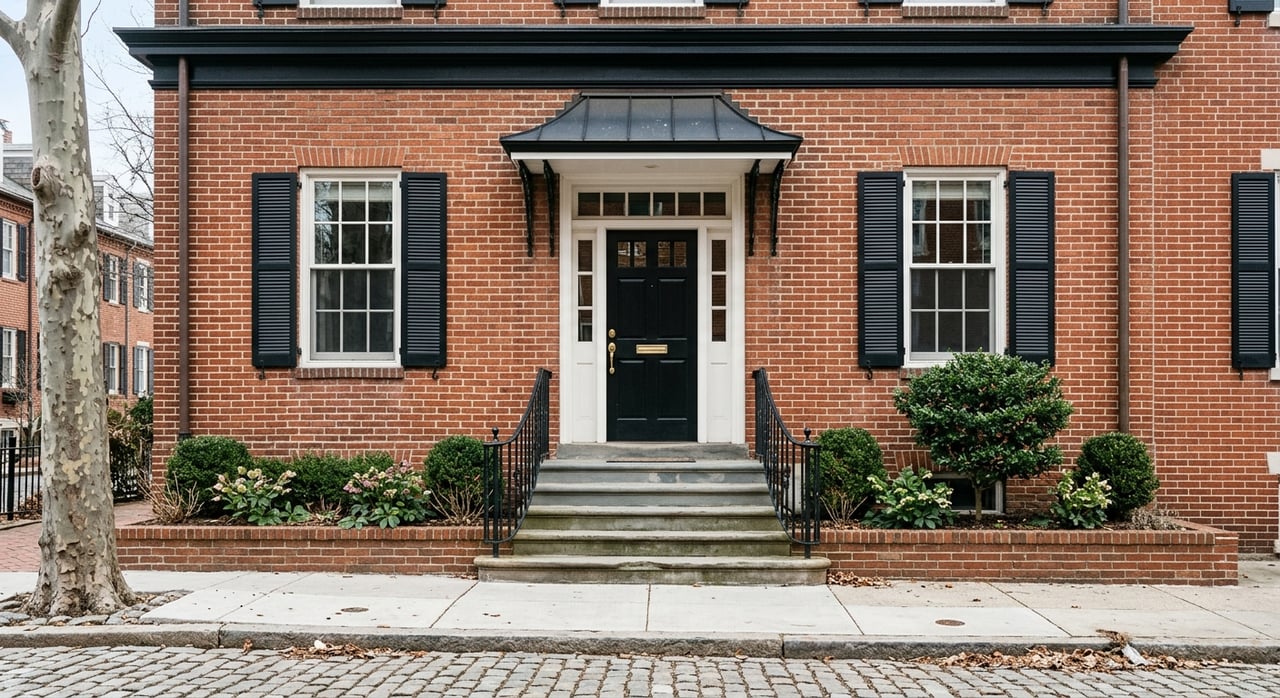
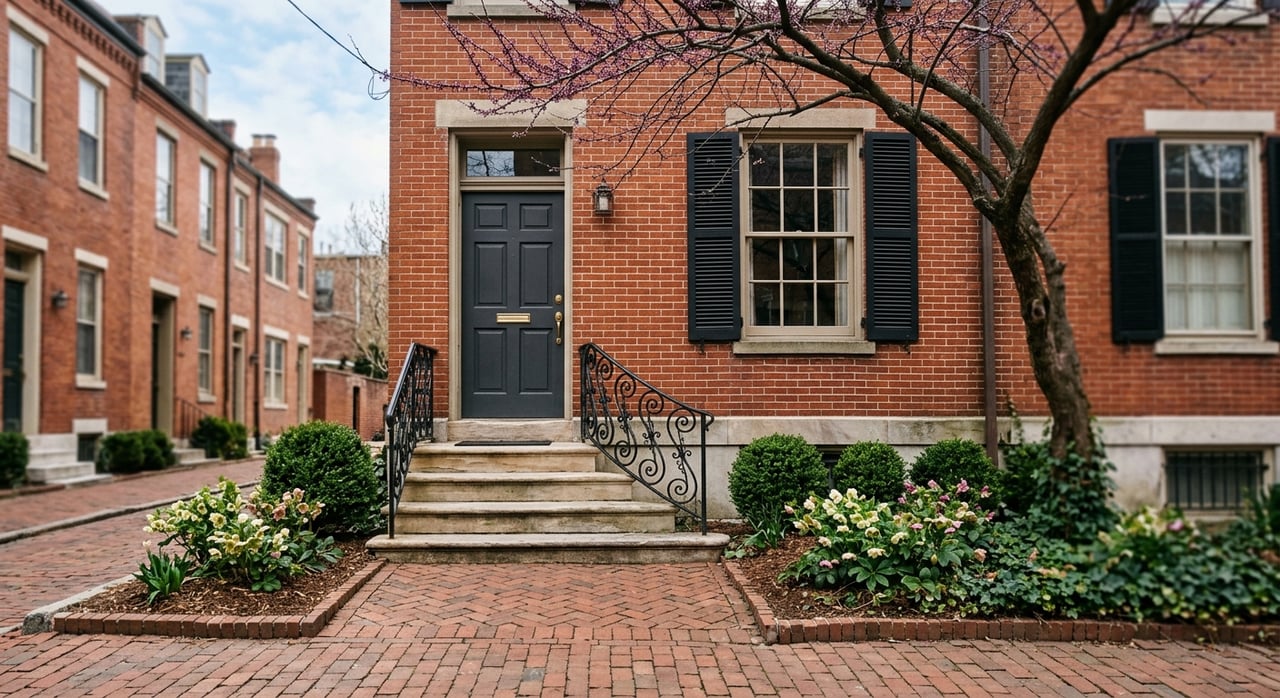
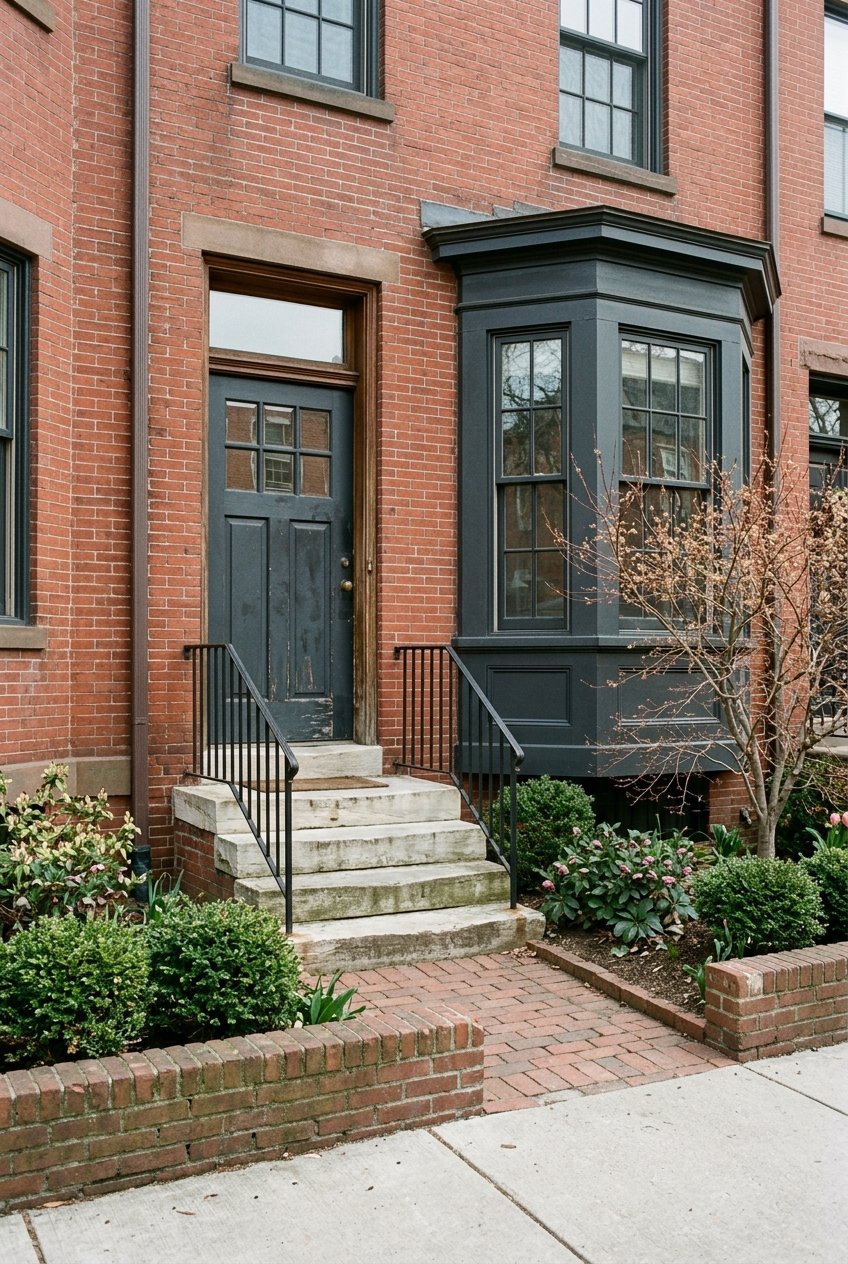
Capitol Hill is known for its rowhouse character. According to the DC Office of Planning snapshot for the area, 50.4% of housing units are rowhouses, 15.5% are in 2-to-4-unit buildings, and 17.8% are in buildings with 20 or more units.
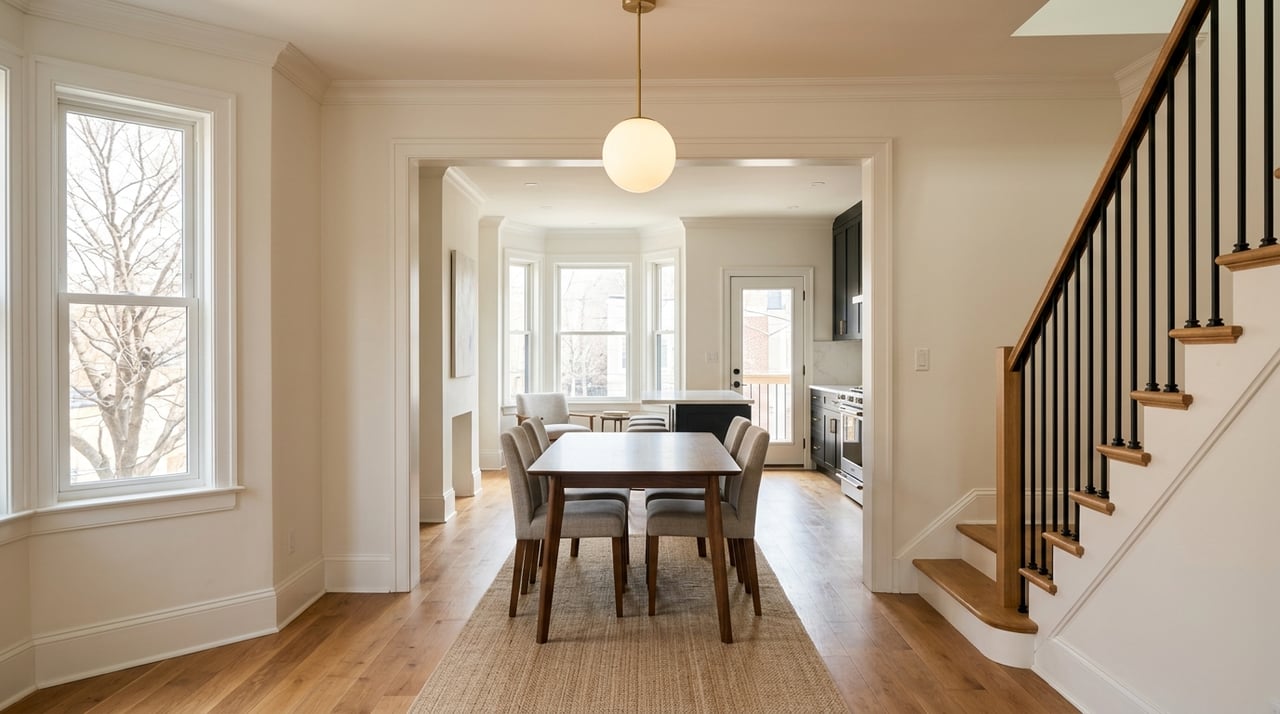
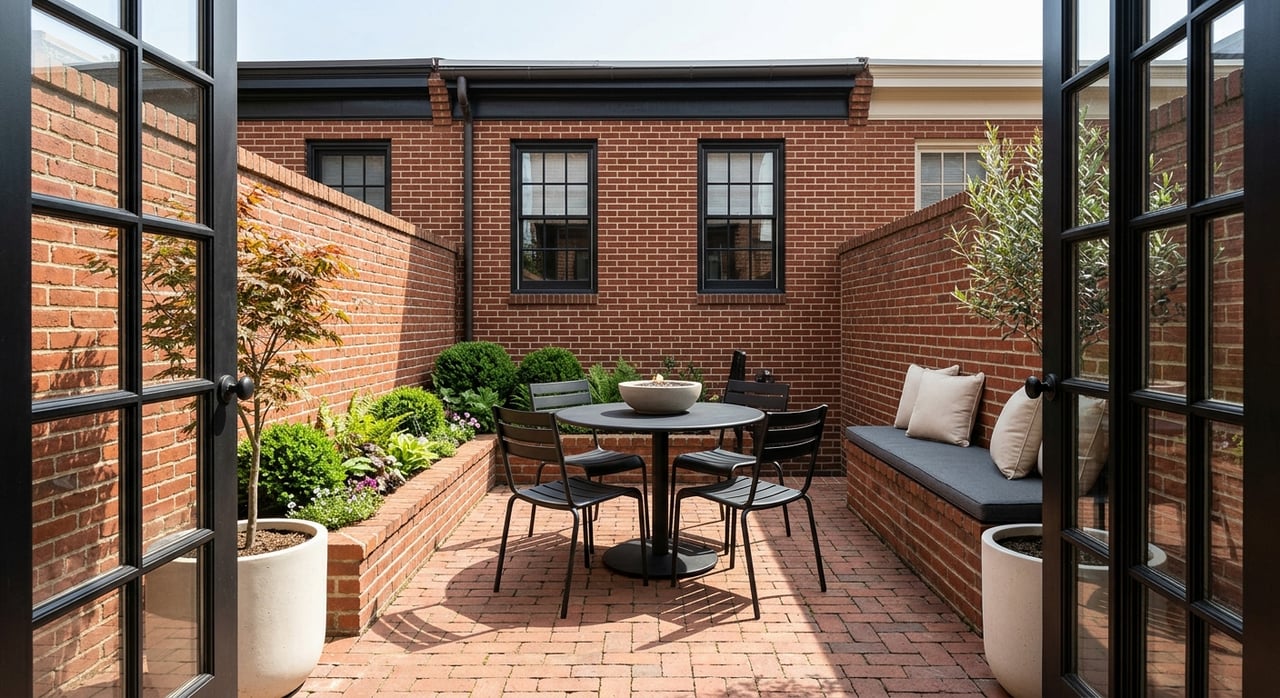
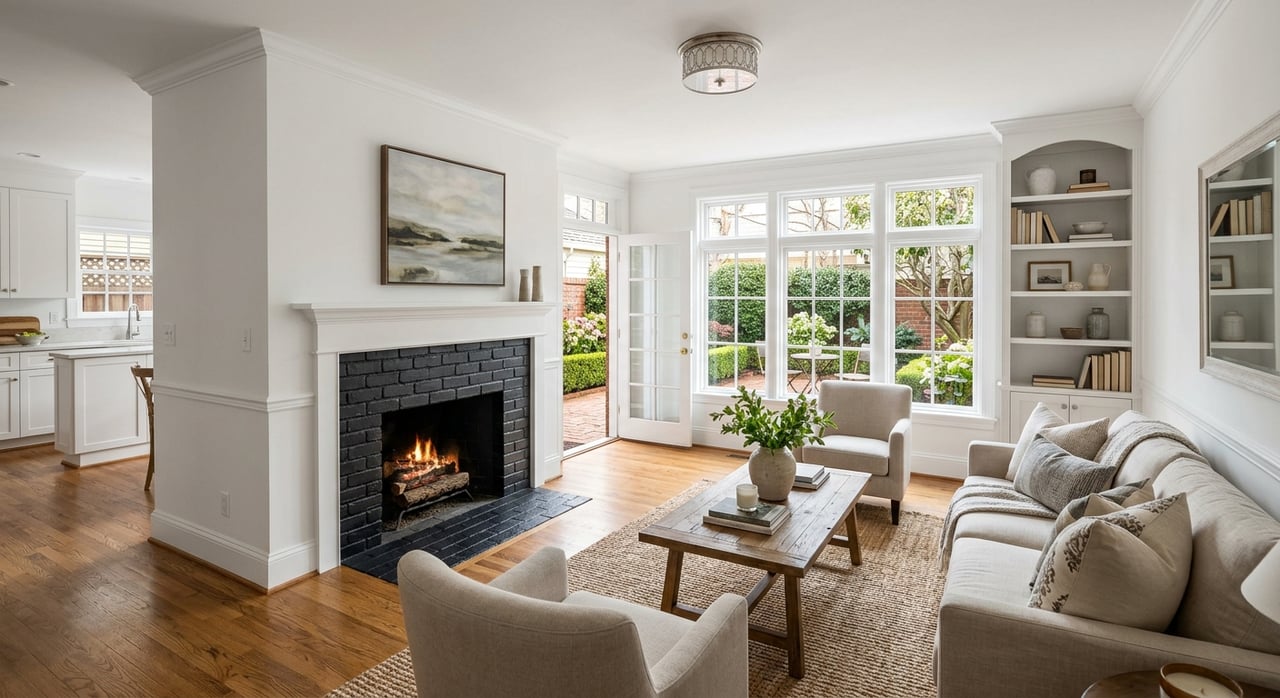
That mix gives you options. If you want classic architecture and more private living space, a rowhouse or townhouse may fit. If you want a lower-maintenance setup or a simpler landing spot for your first year in DC, a condo or apartment can make just as much sense.
The neighborhood also has a near-even split between owner and renter households. For you, that means Capitol Hill supports both short-term relocation strategies and longer-term buying plans.
Start with your commute pattern
When you relocate for a political career, your commute often becomes the first filter. On Capitol Hill, that usually means choosing by Metro access before anything else.
The U.S. Capitol Police notes that three Metro stops are within walking distance of the Capitol complex: Capitol South, Federal Center SW, and Union Station. WMATA also highlights Eastern Market as a key station serving the neighborhood, and it remains an important option for many residents.
Here is a simple way to think about the main transit choices:
| Station | Key Access | Why it matters |
|---|---|---|
| Capitol South | Blue, Orange, Silver | Useful if you want quick access near the Capitol and the eastern end of the National Mall |
| Eastern Market | Blue, Orange, Silver | Helpful if you want to center your search around a core residential section of Capitol Hill |
| Union Station | Red line, Amtrak, MARC, VRE, Greyhound | Strong option if you travel regionally or split time between DC and nearby states |
If your work involves frequent train travel, late nights, or a hybrid schedule that reaches beyond DC, Union Station can be especially practical. If your priority is a direct walk to Capitol-area offices, Capitol South often rises quickly on the list.
Walkability is a real advantage
Capitol Hill supports a lifestyle where you can rely less on a car. Redfin currently gives the neighborhood a Walk Score of 88, and Apartments.com describes it as one of DC’s largest and oldest residential neighborhoods with rowhouses, apartment buildings, and condominiums along tree-lined streets.
For busy staffers, attorneys, policy professionals, and diplomats, that walkability can remove friction from your week. You may be able to handle your commute, errands, and day-to-day routine with less planning than you would need in a more car-dependent area.
That said, it helps to be realistic. Walkability does not mean every block feels identical, and your experience will depend on how close you are to Metro, your office, and the places you need most often.
Parking and security can shape your search
One of the biggest relocation mistakes on Capitol Hill is treating parking like a secondary issue until the end. In this neighborhood, it deserves early attention.
The U.S. Capitol Police says public parking near Capitol Hill is minimal, with the nearest public garage at Union Station. WMATA station pages for Capitol South, Eastern Market, and Union Station also indicate that there is no daily parking at those stations.
If you expect to drive every day, you should evaluate parking options before you commit to a lease or contract. If your work requires flexibility around changing schedules, public events, or road closures, a transit-first plan may make your move smoother.
Security conditions also matter. Because the Capitol complex is an active security environment, road closures and event-related disruptions are part of life nearby. U.S. Capitol Police says Alert DC can be used for messages about major road closures, police activity, and life-safety events.
Renting can be the right first move
If you are arriving on a compressed timeline, renting may give you the flexibility you need. Apartments.com currently lists 2,623 rentals in Capitol Hill, with an average rent of $2,216 overall.
Current average rents on that platform are about $1,720 for studios, $2,216 for one-bedrooms, $3,427 for two-bedrooms, and $6,127 for three-bedrooms. Those figures help set expectations if you are budgeting around role changes, travel demands, or a transition period before buying.
Renting can work well if you are:
- Starting a new position and want to learn your commute first
- Unsure how often you will travel regionally
- Coordinating a move from another city or country
- Waiting to see whether your role will remain DC-based long term
Many rental listings also include 3D tours and virtual tours. If you are searching from outside the area, that can help you narrow the field before flying in for final visits.
Buying may make sense if you want stability
For some buyers, owning on Capitol Hill is the better long-term play. If you expect to stay in DC, want more control over your space, or prefer the character of traditional housing stock, buying may align better with your goals.
Redfin’s current neighborhood snapshots show about 89 condos for sale at a median listing price of $485K and about 133 townhouses for sale at a median listing price of $945K. It also reports that condos typically spend about 61 days on market, townhouses about 43 days, and the overall neighborhood about 73 days.
Those numbers suggest a market that can move competitively without always being instant. For you, that means preparation still matters. Financing, timing, and clarity on your must-haves can make a meaningful difference.
Historic-district rules matter for buyers
Capitol Hill’s historic character is part of its appeal, but it can also affect your plans as an owner. The DC Office of Planning states that historic landmarks and districts are officially protected, and the Historic Preservation Office can confirm whether a property is in a historic district or is a designated landmark.
If you are buying with renovation in mind, especially exterior changes, check that status early. It is much easier to understand review requirements before closing than to discover limits after you already own the home.
This does not mean historic properties are off-limits. It simply means your buying strategy should match the rules that apply to the property.
How to relocate efficiently
Political careers rarely leave much spare time for house hunting. If you need to move quickly, a focused process matters more than seeing everything.
A smart Capitol Hill relocation plan often looks like this:
- Define your station pattern first. Choose whether Capitol South, Eastern Market, or Union Station best fits your work and travel routine.
- Set your parking expectations early. Decide whether you need dedicated parking, occasional access, or no car at all.
- Get documents ready upfront. If you plan to rent or buy, having your lease package or financing lined up can save valuable time.
- Use virtual tours early. This helps you narrow options before you spend time on in-person visits.
- Reserve in-person visits for finalists. Focus your time on the homes that already fit your daily logistics.
This approach matches the neighborhood’s transit-first layout, limited parking, and the current pace of condo and townhouse turnover.
Why tailored guidance helps
A Capitol Hill move can look straightforward on paper, but the details often decide whether the process feels calm or chaotic. Commute patterns, parking realities, building type, and historic-district issues all affect the right choice.
If you are relocating from abroad or coordinating across time zones, communication becomes even more important. The DC Office of Planning offers language access in Korean, Amharic, Chinese, French, Spanish, and Vietnamese, reflecting the multilingual nature of the local service environment.
For international and cross-border clients, bilingual support can make practical steps easier to manage. That may include coordinating showings, reviewing logistics, and keeping the process organized when your schedule is already full.
At its best, relocation guidance is not just about finding a home. It is about building a plan that fits your work, timing, and lifestyle from day one.
If you are preparing for a move to Capitol Hill for a political role, the right strategy can help you avoid delays, narrow your choices quickly, and move with more confidence. For tailored, high-touch guidance on buying or renting in DC, connect with Infinity Group.
FAQs
What does Capitol Hill mean for housing searches?
- In housing terms, Capitol Hill refers to the residential neighborhood east of the Capitol, not just the Capitol grounds or federal buildings.
Is Capitol Hill a good fit for commuters working near Congress?
- Yes. The area is served by Metro stations within walking distance of the Capitol complex, including Capitol South and Union Station, with Eastern Market also serving much of the neighborhood.
Should you rent or buy when relocating to Capitol Hill for a political job?
- Renting can offer flexibility if your timeline or role is uncertain, while buying may make sense if you want longer-term stability and expect to stay in DC.
What types of homes are common in Capitol Hill?
- Rowhouses are the largest share of the housing stock, with additional options in smaller multi-unit buildings, condos, and larger apartment buildings.
What should buyers know about historic homes in Capitol Hill?
- Some properties may be in historic districts or be designated landmarks, so if you plan exterior renovations, you should check preservation requirements before closing.
How important is parking when moving to Capitol Hill?
- Parking is very important to evaluate early because public parking near the Capitol is limited and nearby Metro stations do not offer daily parking.
How can you make a Capitol Hill relocation more efficient?
- Start by narrowing your search around the Metro station pattern that matches your routine, prepare documents early, and use virtual tours to reduce unnecessary in-person visits.