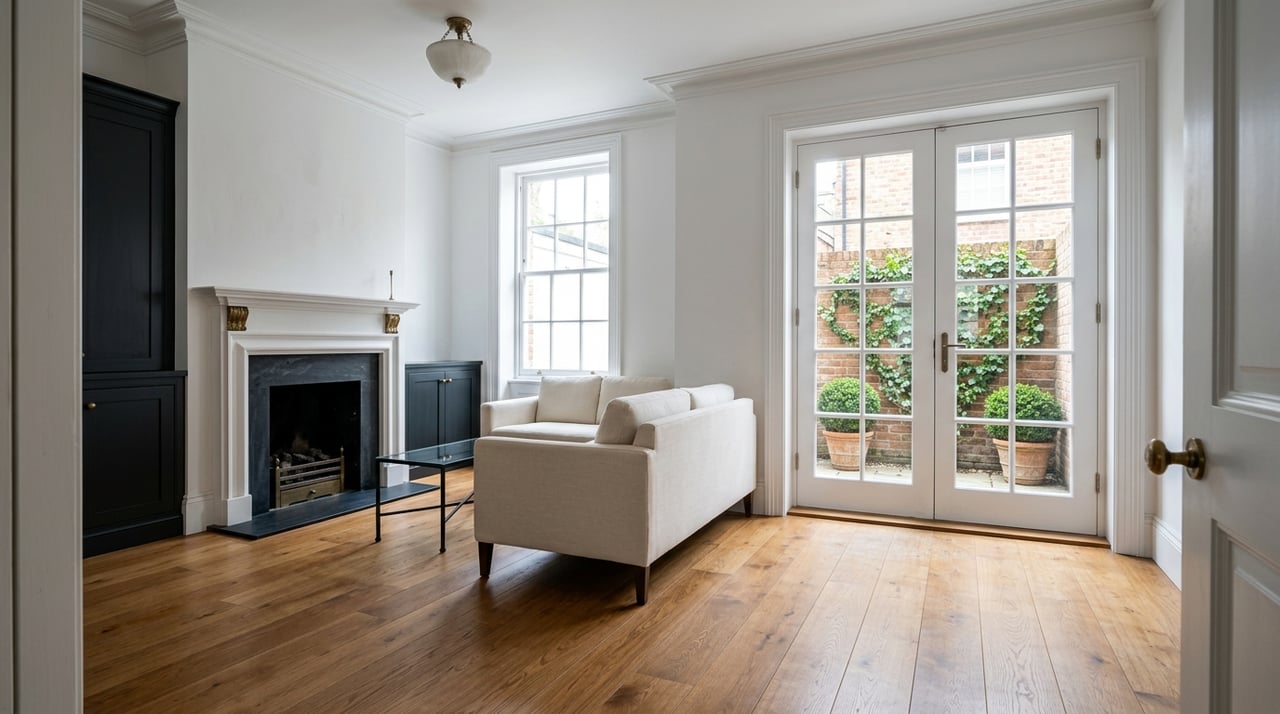
Buying a historic home in Georgetown can feel equal parts exciting and intimidating. You may be drawn to the architecture, scale, and character, while also wondering what ownership really involves once the keys are in your hand. If you want to buy with clear eyes and a smart plan, understanding Georgetown’s preservation rules and renovation realities can help you move forward with confidence. Let’s dive in.
What makes Georgetown homes unique
Georgetown is not just an attractive Washington neighborhood with older homes. It is one of the country’s earliest protected historic districts, created in 1950, and its amended period of significance runs from 1765 to 1950. It is also listed in the D.C. Inventory of Historic Sites, on the National Register of Historic Places, and as a National Historic Landmark.
That history matters because it shapes what you are actually buying. According to the official Georgetown historic district materials, the neighborhood includes roughly 4,000 primary buildings dating from about 1765 to 1940. You are not shopping one predictable housing type, but a broad mix of buildings and architectural styles.
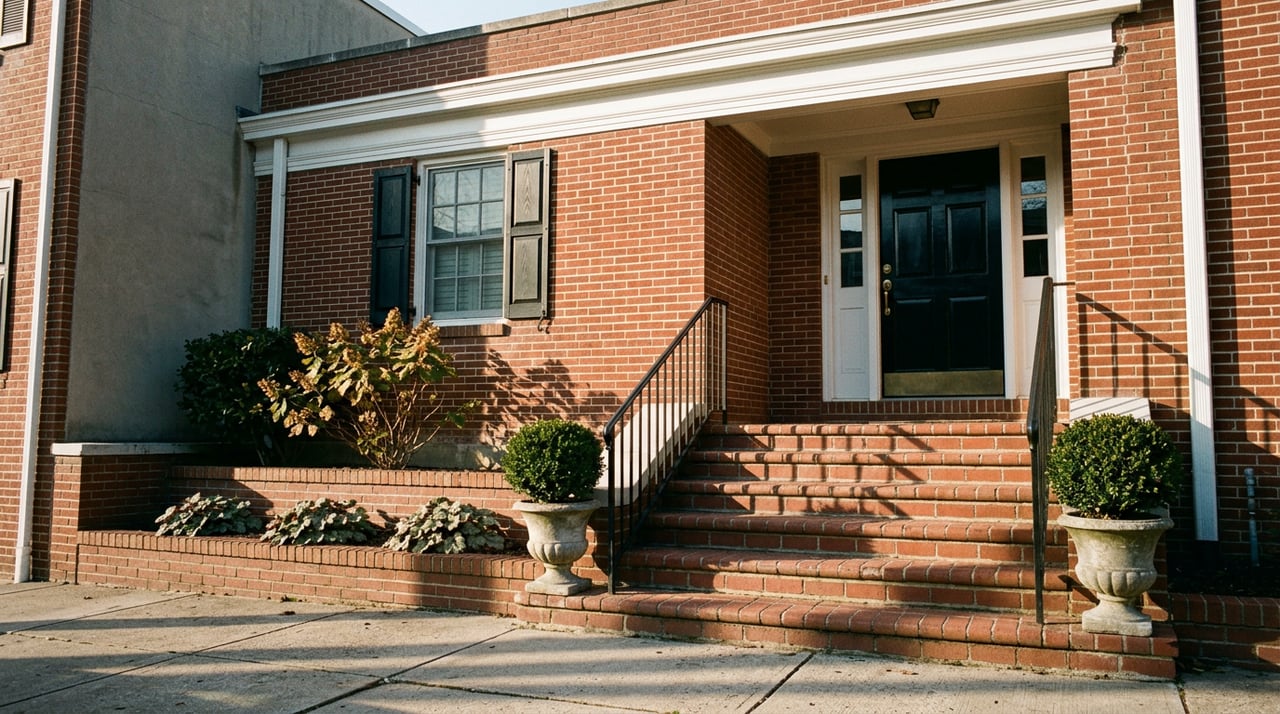
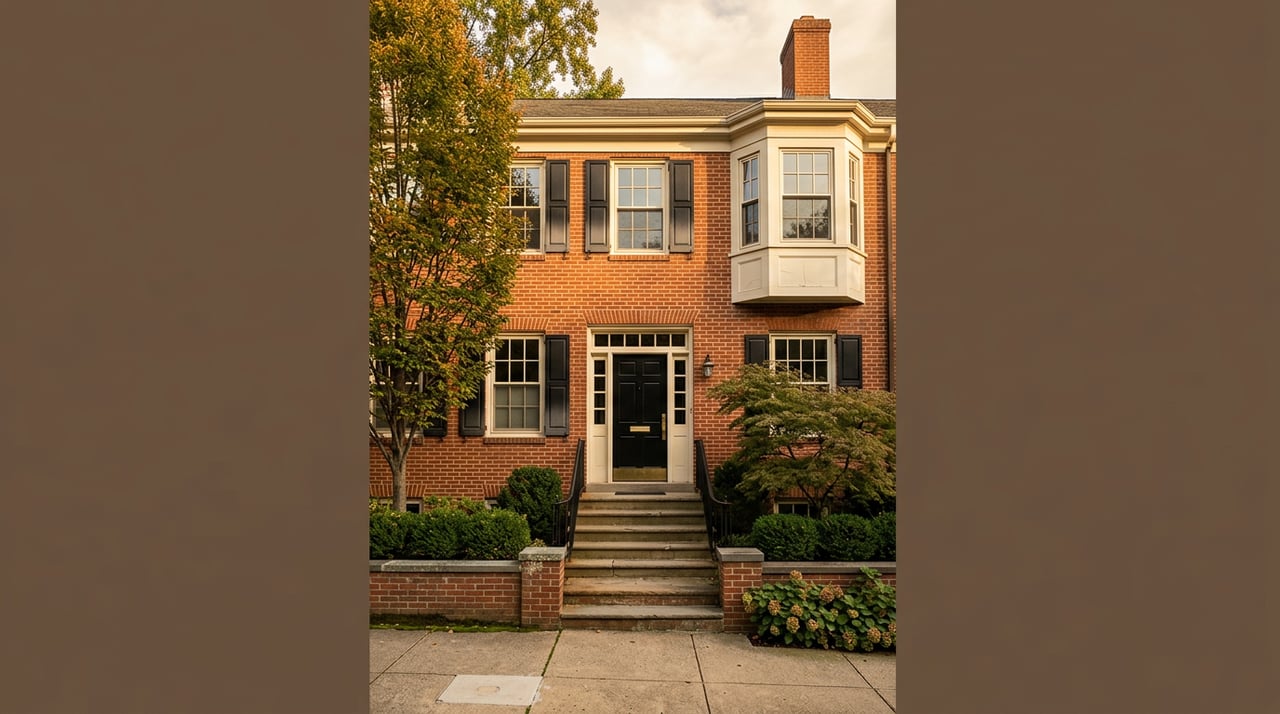
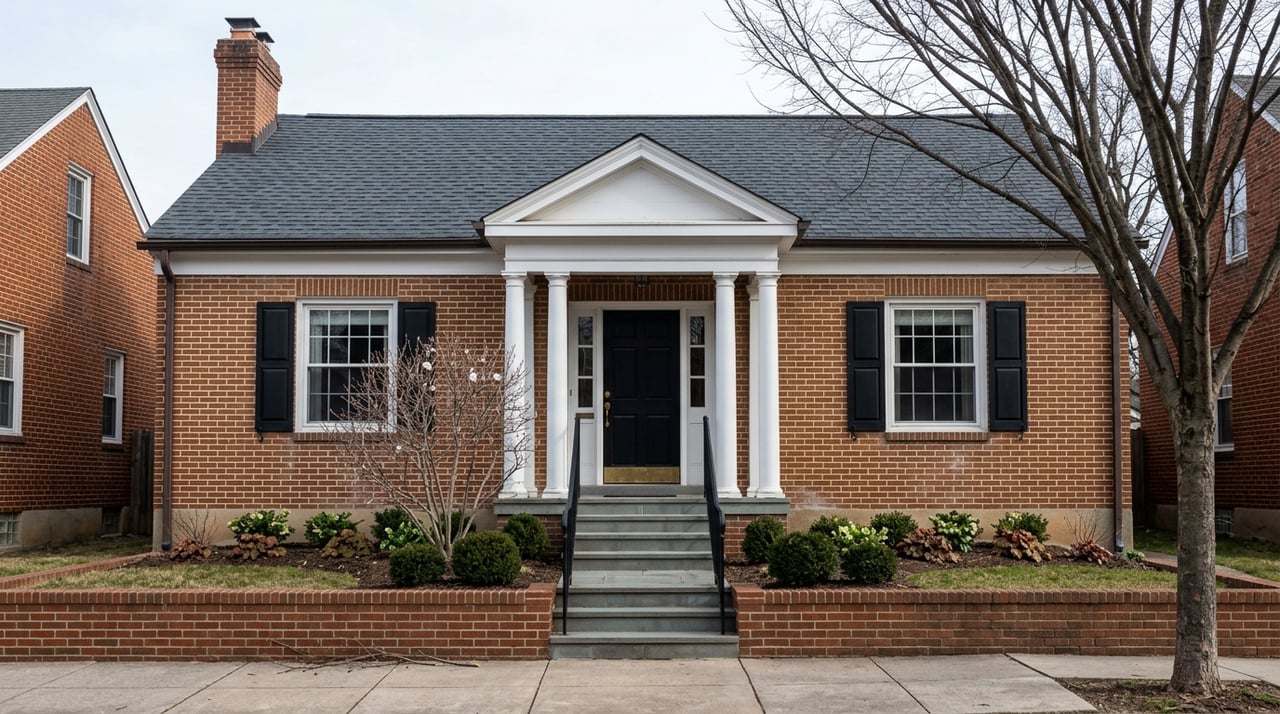
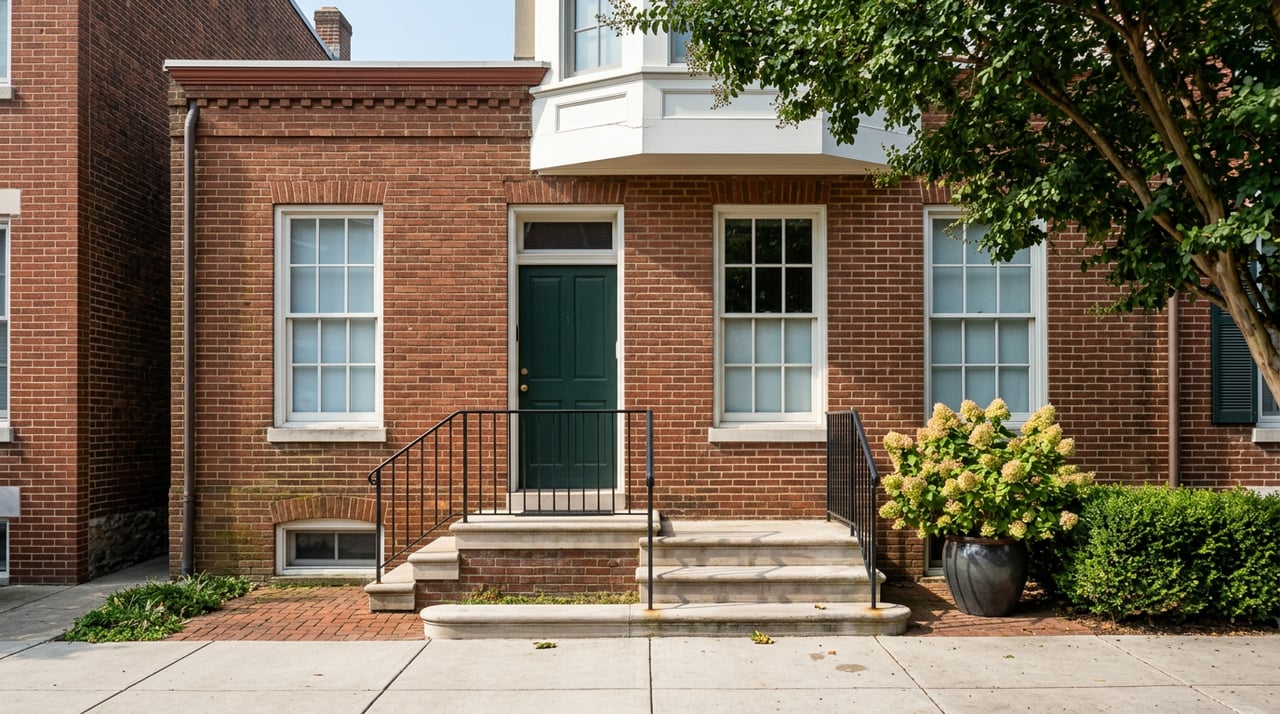
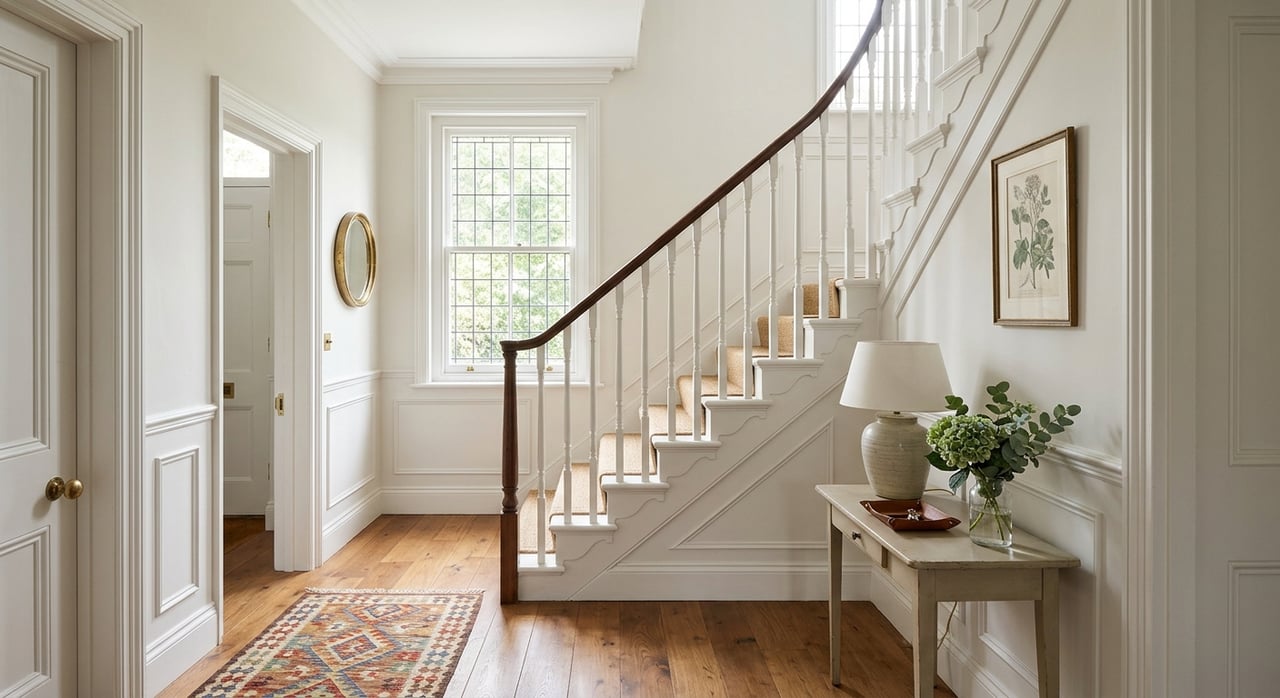
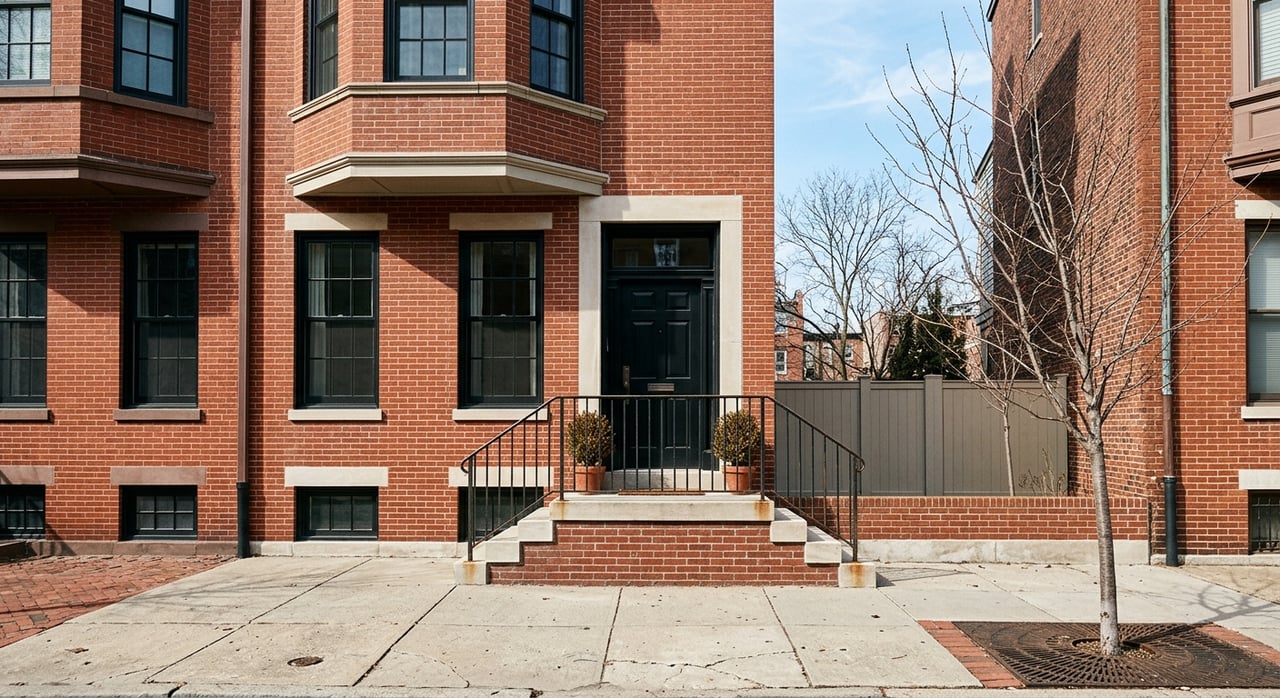
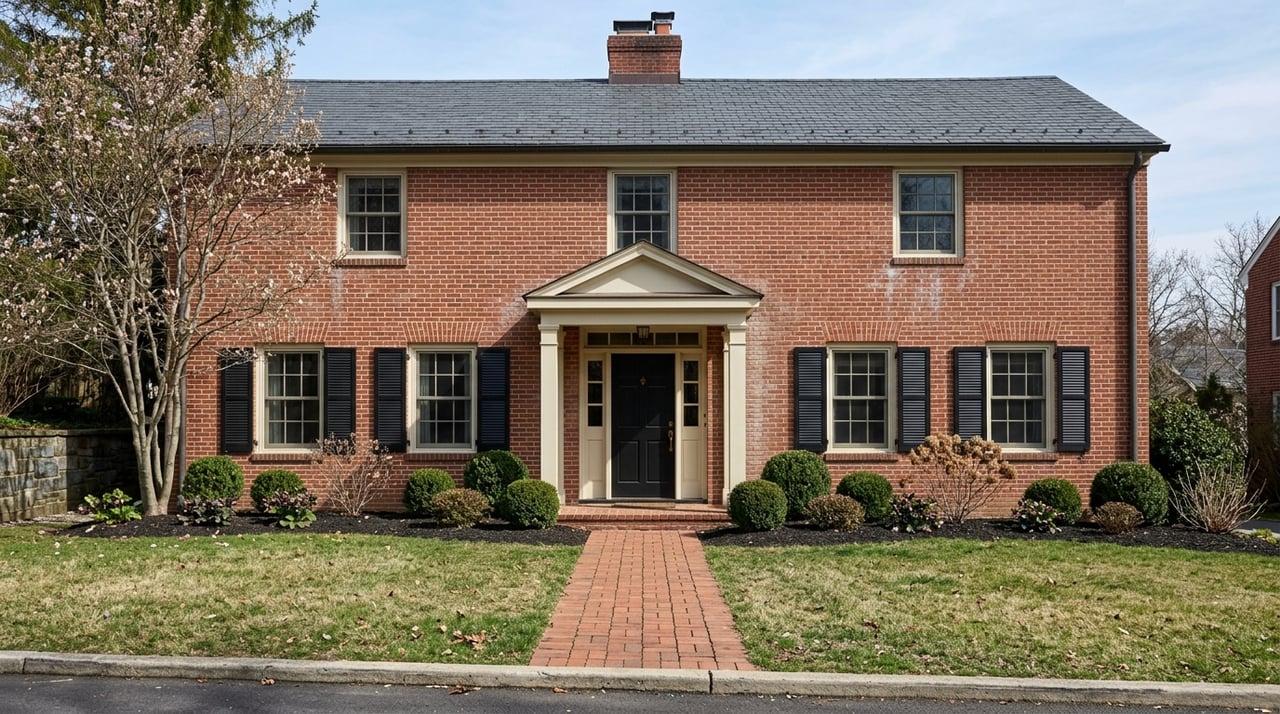
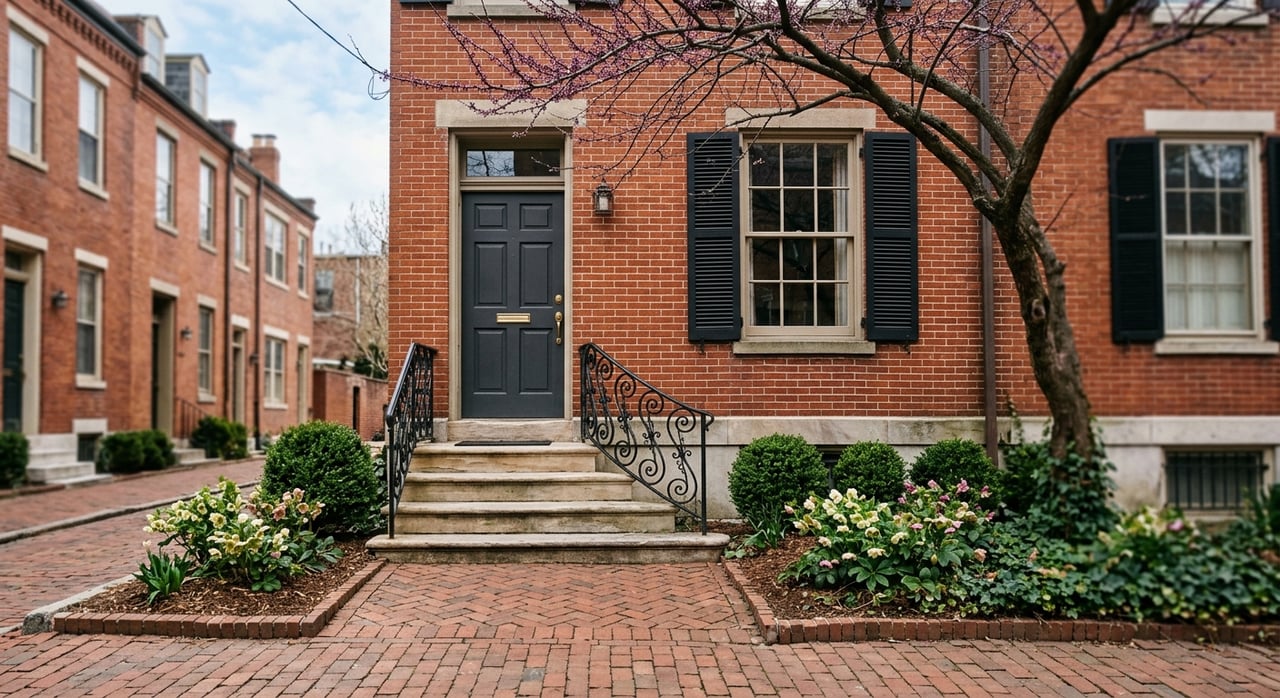
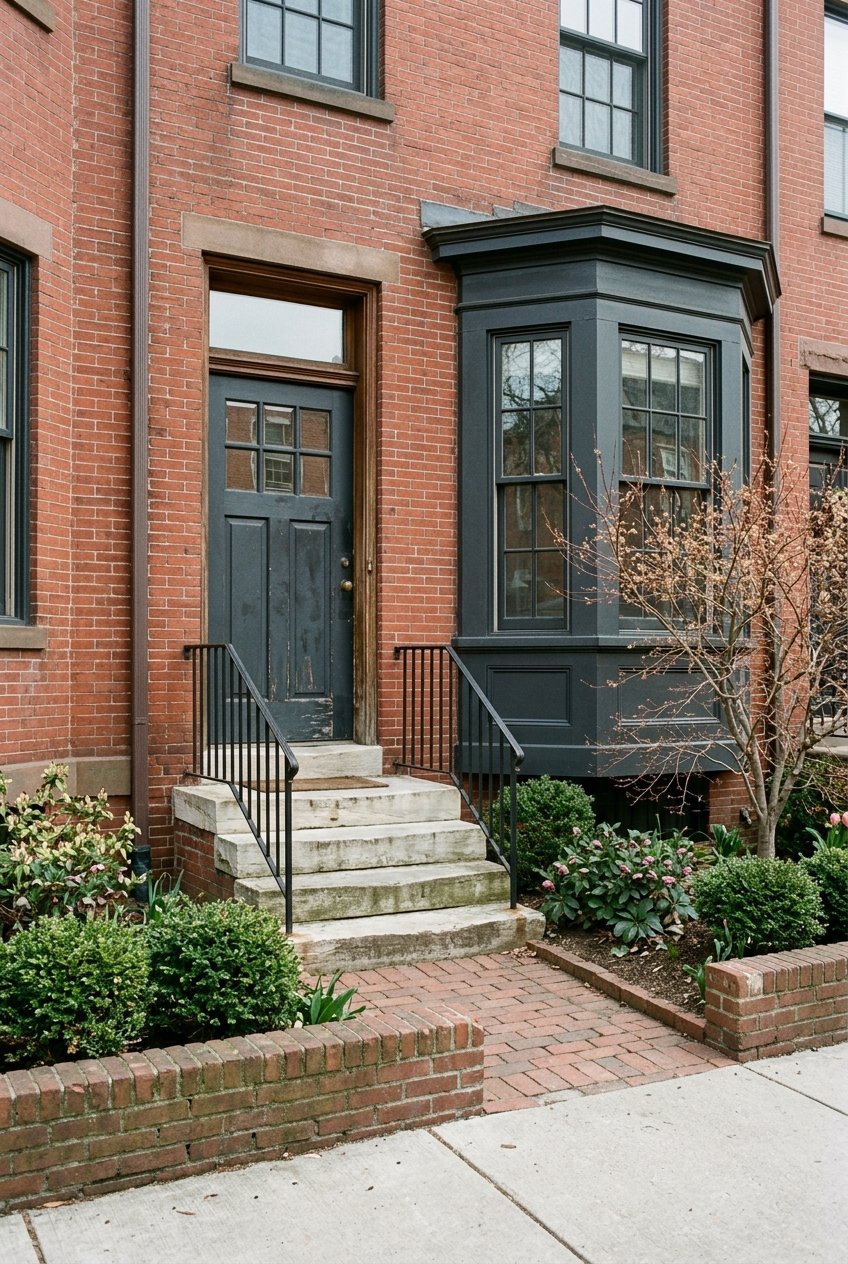
In practical terms, that means your options may range from simple frame dwellings to larger townhouses and mansions. Georgetown’s historic materials describe examples of Federal, Greek Revival, Italianate, Queen Anne, Romanesque, Classical Revival, and vernacular architecture. Each home can come with its own design details, maintenance priorities, and renovation constraints.
What you are really buying
When you buy in Georgetown, you are buying more than square footage and location. You are also buying into a preservation framework that can affect future exterior work. That does not mean the process is impossible, but it does mean your plans should match the home, the block, and the review standards that apply.
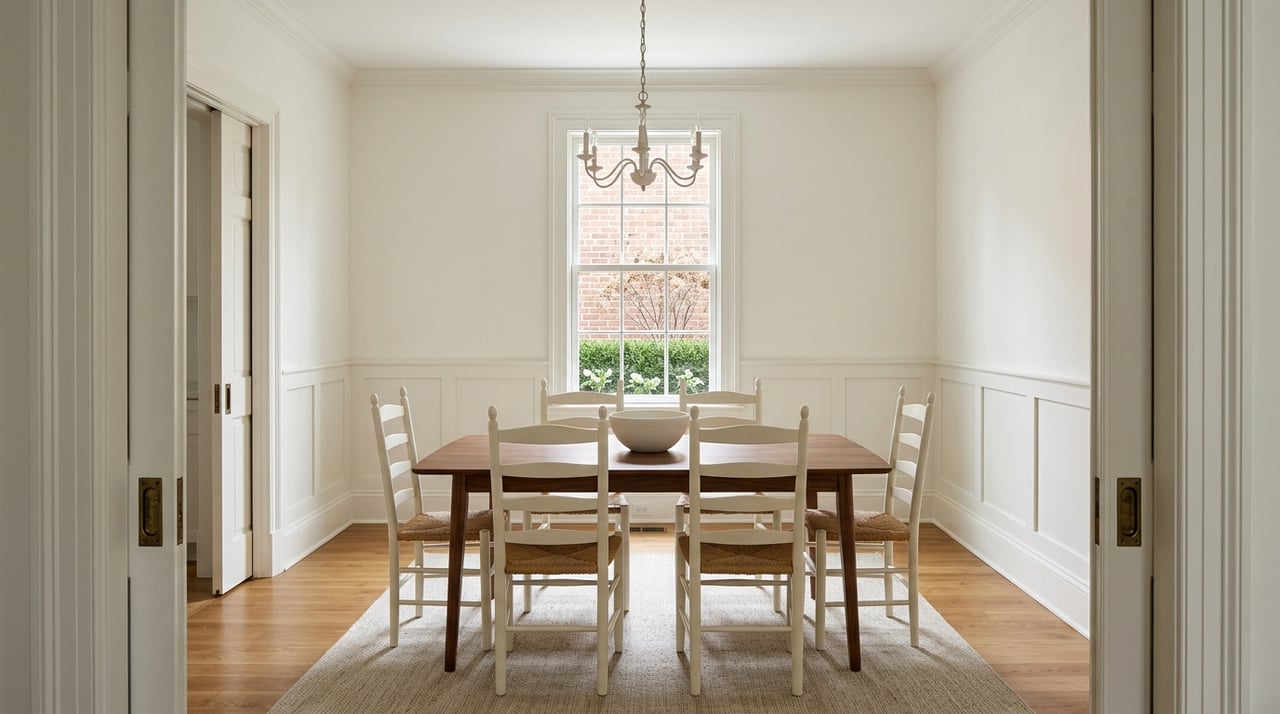
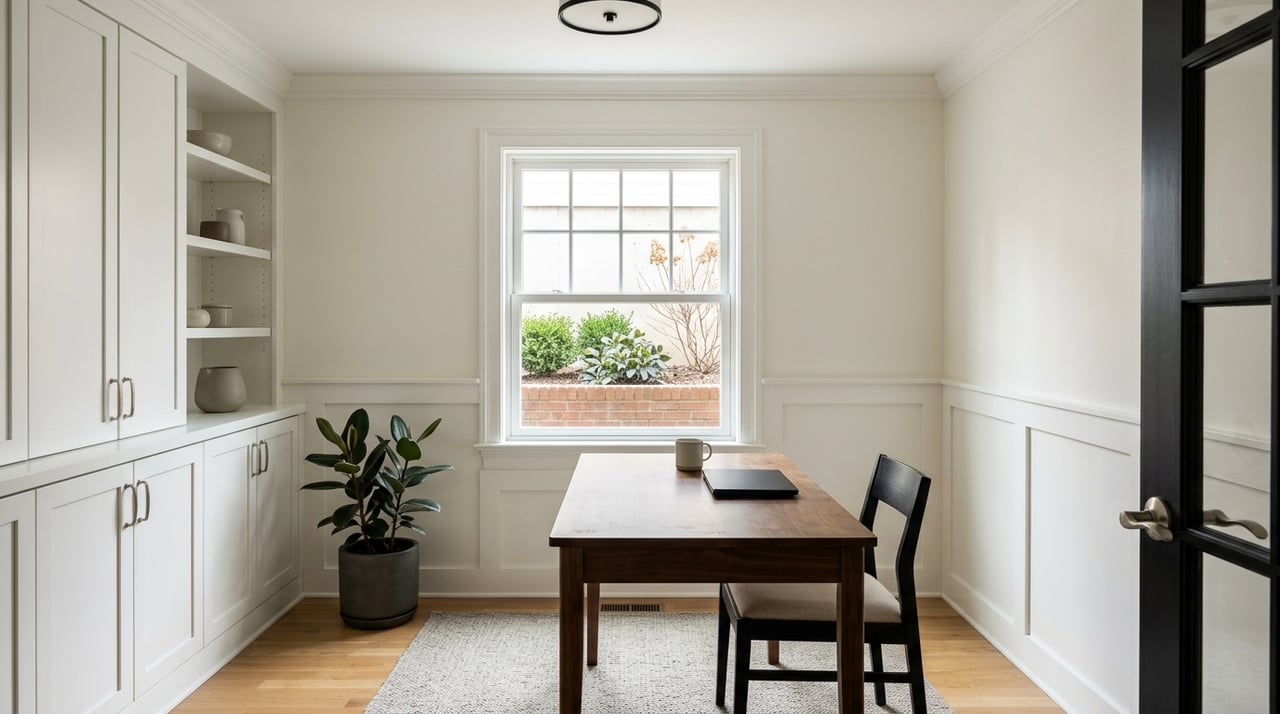
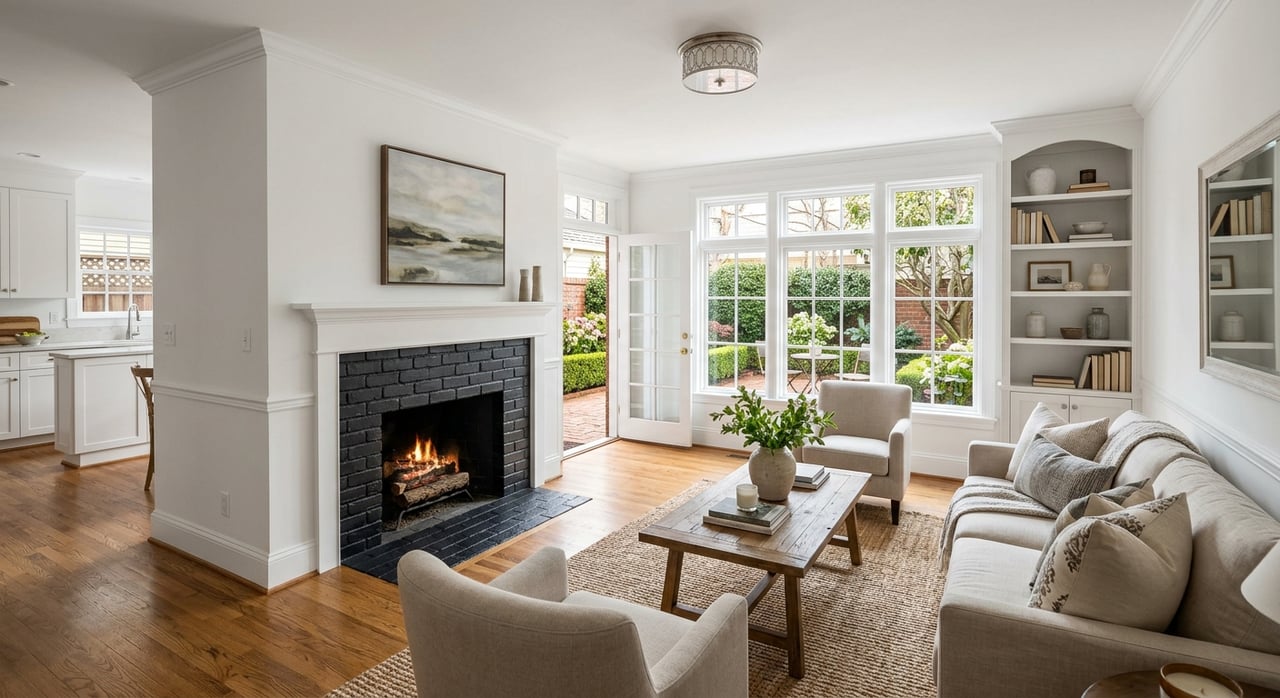
For many buyers, the biggest surprise is that interior and exterior changes are treated very differently. Interior alterations are generally not subject to preservation review, except for specifically designated historic interiors. Exterior work, however, is where approvals become much more important.
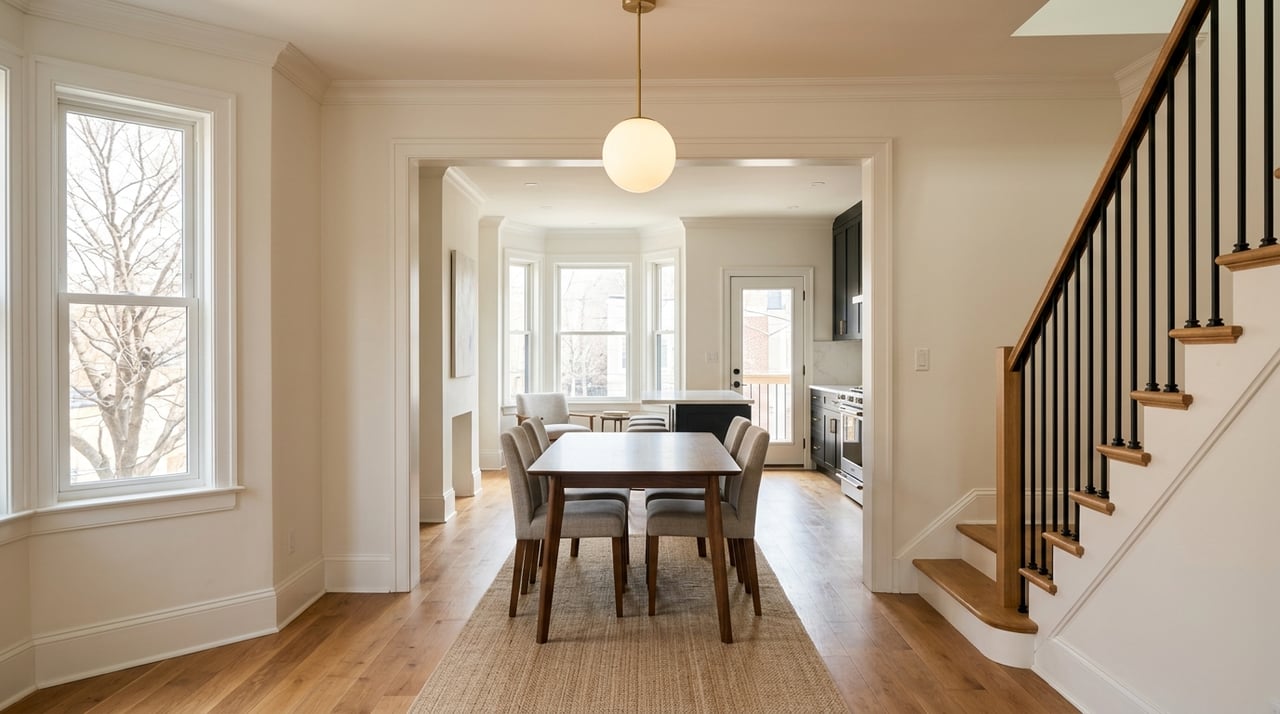
That distinction can be reassuring if you want to update kitchens, baths, layout flow, or systems inside the home. At the same time, if your wish list includes visible windows, a roof deck, a rear addition, or site changes, you should expect more coordination before work begins.
How Georgetown preservation review works
Georgetown follows a distinct review path that differs from most other historic districts in Washington. Because Georgetown predates the District’s modern preservation law, most exterior work in the neighborhood is reviewed under a separate structure.
The key question is visibility. The Commission of Fine Arts and the Old Georgetown Board review exterior work that is visible from a public street or alley. The Historic Preservation Review Board and Historic Preservation Office review exterior work that is not visible from public space.
This visible-versus-not-visible split is one of the most important things for a buyer to understand early. A project that seems straightforward in another neighborhood may still trigger preservation review in Georgetown. The review path can also affect timing, documentation, and design decisions.
The District notes that a separate HPRB or HPO application is not necessary when applying through Georgetown review. Still, the practical takeaway is simple: if you think you may change the exterior, plan ahead and confirm the review path as early as possible.
Exterior projects that matter most to buyers
Some renovation issues come up again and again in Georgetown because they directly affect a home’s appearance from public space. These are often the projects that shape both your budget and your timeline after closing.
Windows often need a preservation mindset
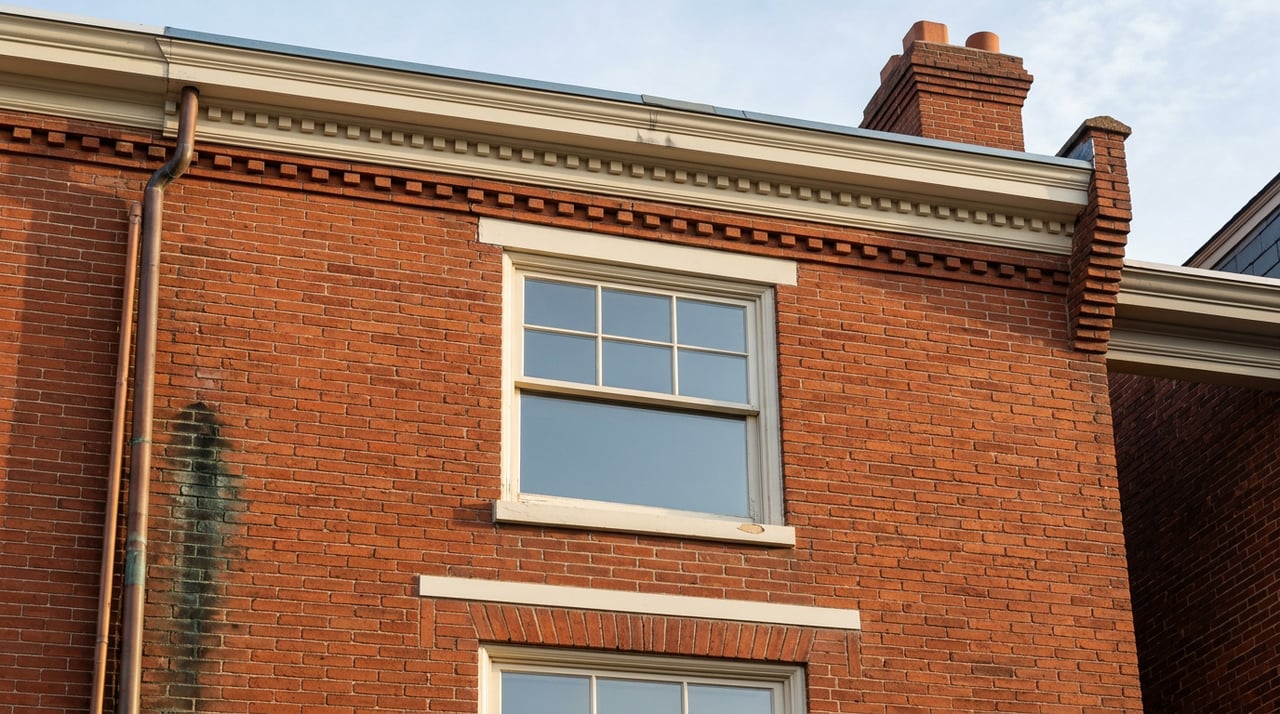
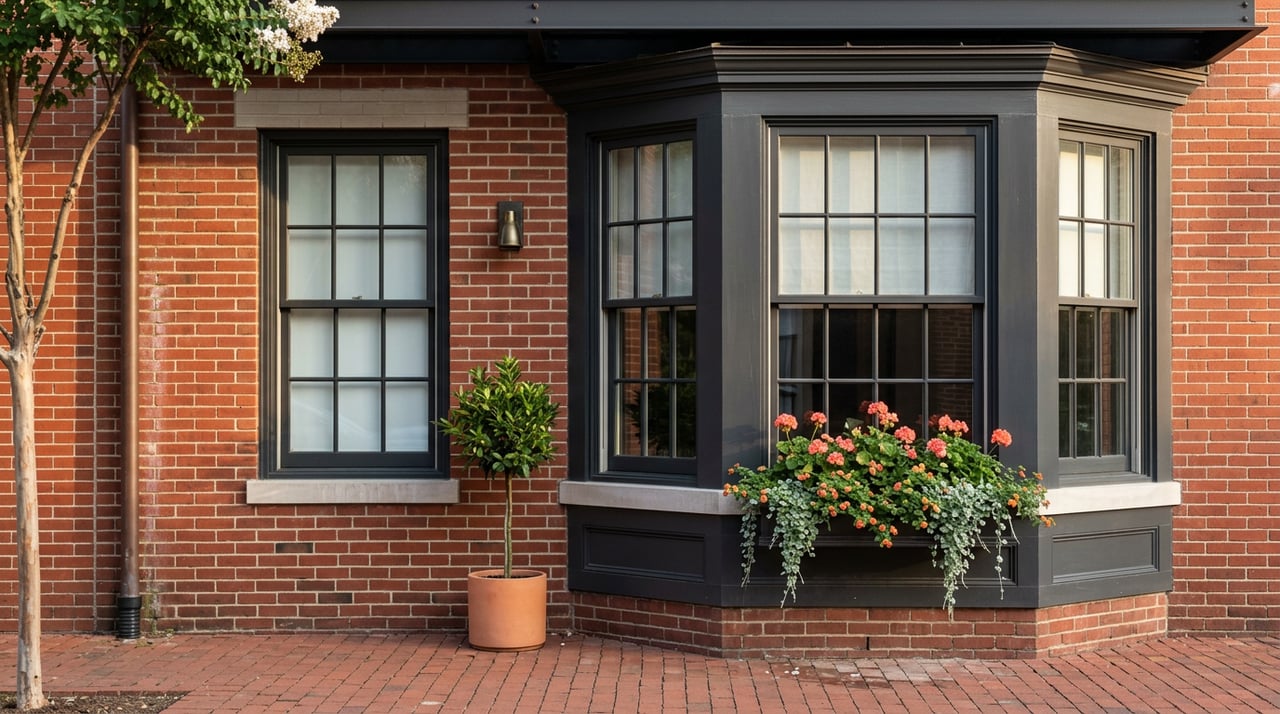
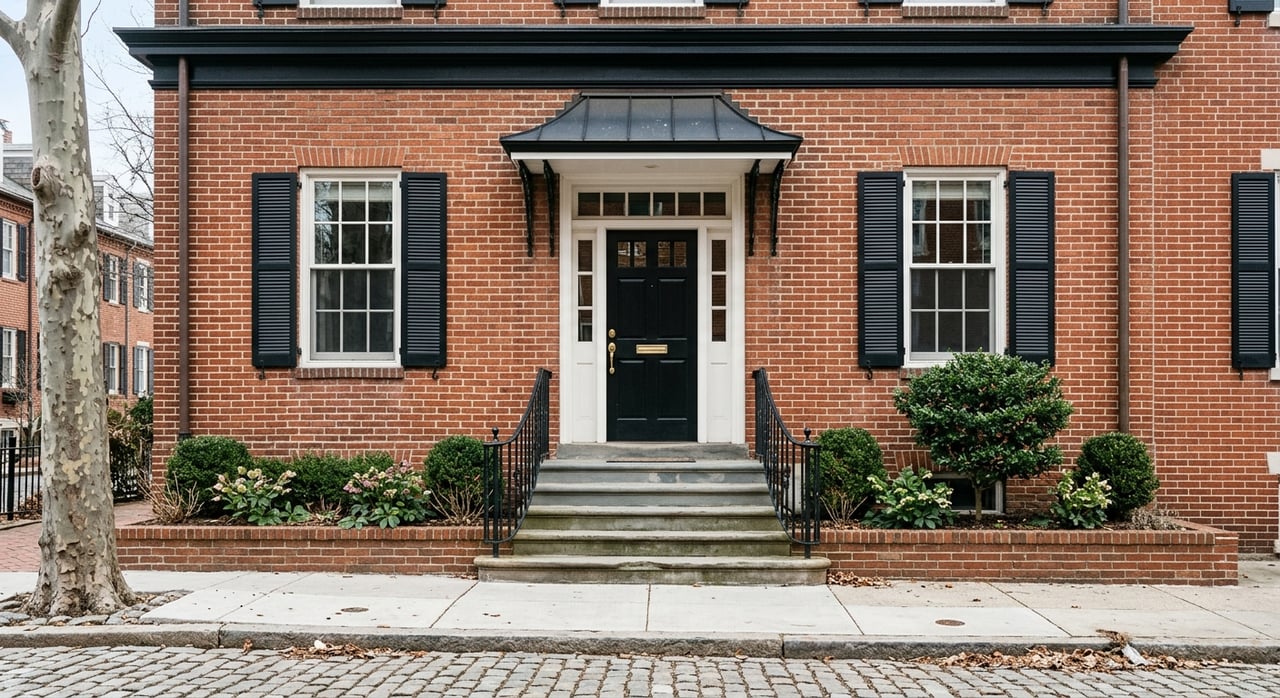
Windows are treated as character-defining features in Georgetown. The Old Georgetown Board states that windows installed before 1950 should be restored where possible, and replacement windows on publicly visible elevations should generally be compatible with the building’s style and historic materials.
If you are touring homes with drafty older windows or mixed-condition sash, this is worth discussing before you buy. A plan based on simple wholesale replacement may not align with Georgetown policy. In many cases, repair, restoration, and compatible materials are the better starting point.
Additions must stay secondary
If you hope to expand the home, Georgetown policy places clear emphasis on keeping additions subordinate to the historic building. Additions should not approach doubling the size of the house or become the dominant element. Rear additions also should not project substantially beyond similar neighboring buildings.
Side additions that erase side yards or block views are discouraged, and visible roof additions are discouraged as well. For buyers, this means the most ambitious expansion ideas may not be the most realistic ones. A successful plan usually starts with restraint and context.
Site changes can affect approval
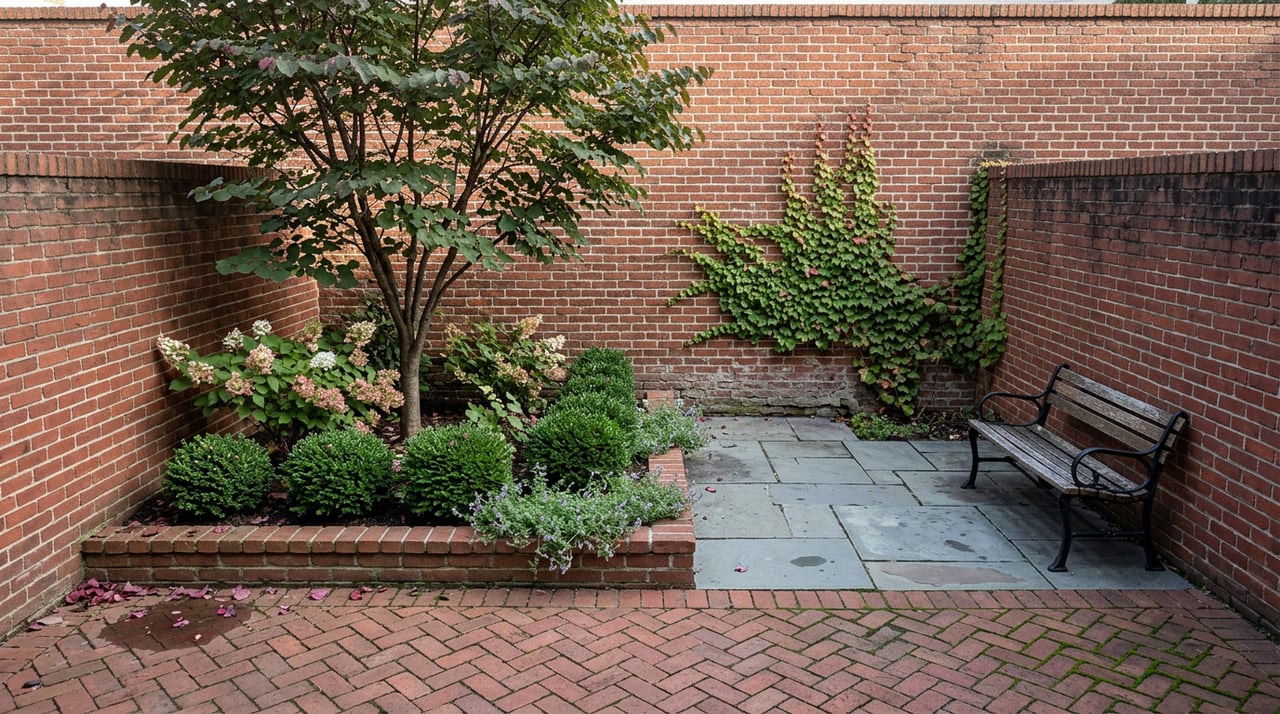
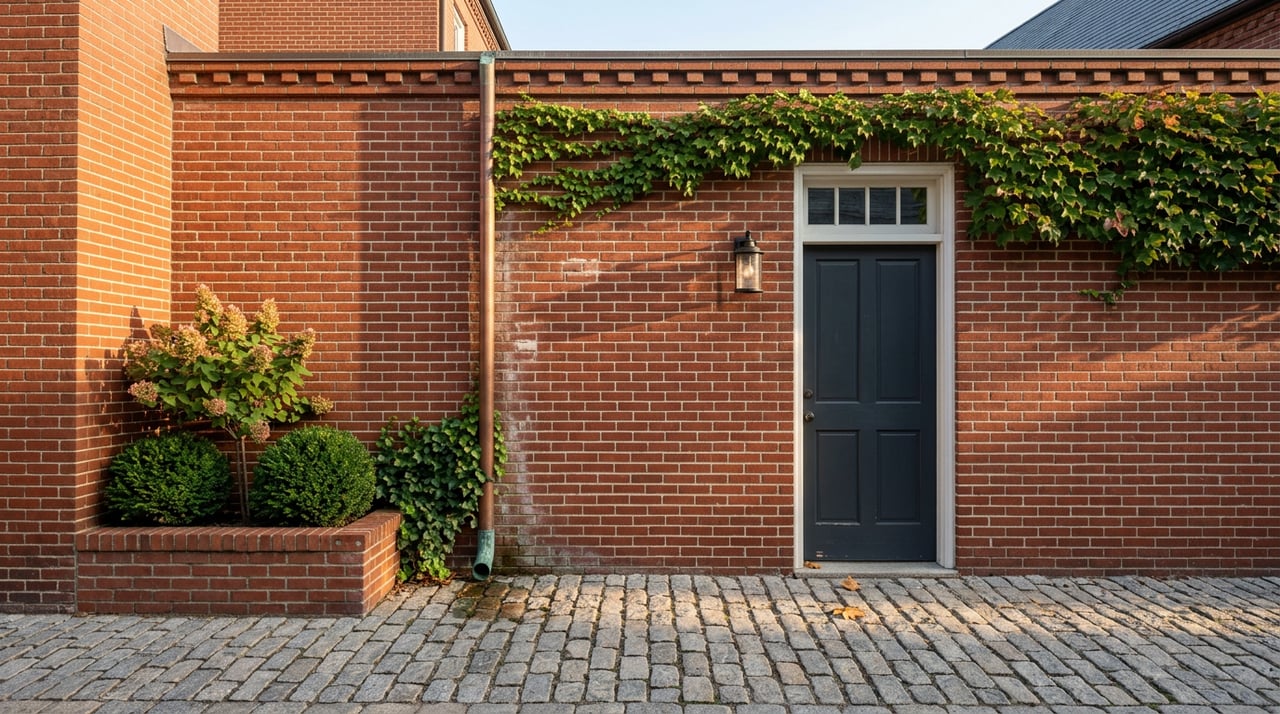
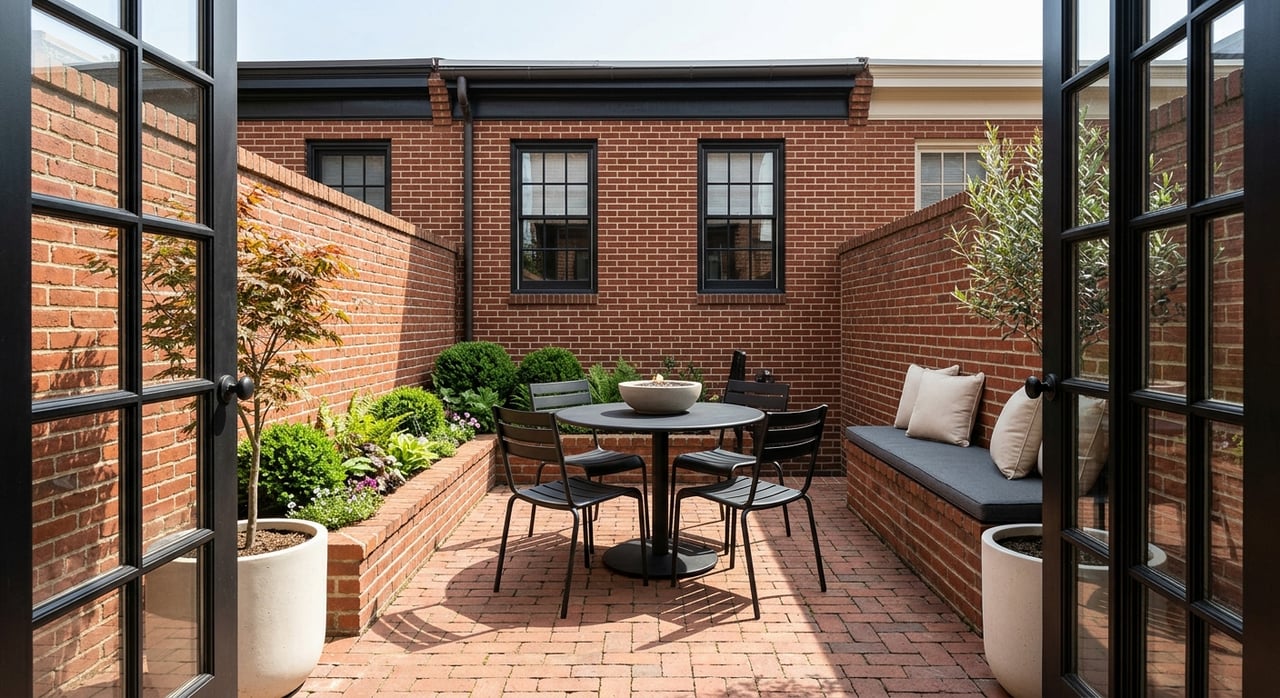
Lot design matters in Georgetown, not just the house itself. The policy discourages extensive underground additions, excessive paving, new curb cuts, and expanded front-yard parking. Mature trees, landscape, and open space are treated as important character-defining elements.
That matters if you are considering major excavation, hardscape-heavy redesigns, or parking changes. Even if the existing house works for you, changes to the site may face added scrutiny. Buyers should factor that into both feasibility and cost planning.
Where buyers may have more flexibility
Not every change requires the same level of review. Georgetown’s minor work process can handle many smaller exterior items that are not visible from public space. Examples include roof replacements not visible from the ground, minor rear alterations not visible from an alley, underground utility and waterproofing work, masonry repointing, and compatible fence repairs.
This is one reason due diligence matters so much. Two homes with similar square footage may offer very different renovation paths depending on lot orientation, alley exposure, and what is visible from public areas. A careful review can help you avoid assuming that every project will be difficult, or that every project will be easy.
For many buyers, the most workable strategy is to separate must-haves from nice-to-haves. Interior modernization may be relatively straightforward, while exterior ambitions may need a more preservation-minded approach.
Smart due diligence before you buy
If you are serious about a Georgetown home, your diligence should go beyond standard questions about condition and layout. Historic ownership works best when you understand both the property and the approval history tied to it.
Start by asking for the permit and preservation history of prior exterior work. This is especially important for windows, additions, rooflines, and site changes. Prior approvals, or a lack of documentation, can affect how future projects are evaluated.
You should also confirm early whether any renovation you are considering would be visible from a public street or alley. That one fact can determine whether the project goes through CFA and OGB review or through HPO and HPRB review. It is a small question that can have a big impact on timing.
It is also wise to think carefully about your ownership goals. If authenticity matters to you, Georgetown’s framework often supports repair, restoration, and compatible materials over wholesale replacement. If speed matters most, you may want to focus on homes that already align more closely with your design preferences.
Planning your timeline with confidence
Georgetown can absolutely reward thoughtful buyers, but it is not usually the place for rushed assumptions. Because exterior approvals are case-by-case and depend on visibility, the timeline for visible work can be longer than many buyers first expect.
That is especially important if you are relocating, buying from out of town, or hoping to renovate immediately after closing. Building extra time into your plan can help prevent scheduling surprises. It can also give you room to assemble the right team for a preservation-sensitive project.
In many cases, confidence comes from realistic sequencing. Buy the right house, understand what changes are likely to be feasible, then plan your improvements around Georgetown’s review structure rather than against it.
How Infinity Group helps you buy wisely
When you are buying a historic Georgetown home, local knowledge matters. Infinity Group’s strength in Georgetown and NW DC helps you look beyond surface finishes and focus on the issues that shape long-term value, renovation potential, and ownership experience.
That kind of guidance is especially useful if you are balancing architecture, lifestyle, and future plans. Whether you are a local move-up buyer, a downsizer looking for a refined in-town home, or a relocating buyer who needs clarity fast, a thoughtful advisory approach can help you evaluate tradeoffs with less stress.
The goal is not just to help you win a house. It is to help you buy a home you can enjoy, improve appropriately, and own with confidence in one of Washington’s most distinctive historic settings.
If you are considering a Georgetown purchase and want a polished, discreet advisory experience grounded in local expertise, connect with Infinity Group for a private market consultation.
FAQs
What should you know before buying a historic Georgetown home?
- You should understand that Georgetown homes sit within a distinct preservation framework, and exterior changes may require review depending on whether they are visible from a public street or alley.
Are interior renovations in Georgetown usually subject to preservation review?
- Interior alterations are generally not subject to preservation review, except for specifically designated historic interiors.
How are exterior changes reviewed for Georgetown properties?
- Exterior work visible from a public street or alley is reviewed by the Commission of Fine Arts and the Old Georgetown Board, while exterior work not visible from public space is reviewed by the Historic Preservation Review Board and Historic Preservation Office.
Why do Georgetown windows matter so much to buyers?
- Georgetown treats windows as character-defining features, and windows installed before 1950 should be restored where possible, with compatible replacements generally expected on publicly visible elevations.
What due diligence is important for a Georgetown home purchase?
- You should ask for the permit and preservation history of prior exterior work, especially for windows, additions, rooflines, and site changes, and confirm early whether your future renovation ideas would be visible from public space.