If you picture Capitol Hill as all politics and no neighborhood life, the weekend will change your mind fast. This part of Washington feels different once the workweek eases and local routines take over, from market mornings to dinner on a historic commercial corridor. If you are curious about what it is actually like to spend a Saturday or Sunday here, this guide will walk you through the rhythm, setting, and housing character that shape weekend living on Capitol Hill. Let’s dive in.
Capitol Hill feels residential first
Capitol Hill is not just a federal backdrop. The Capitol Hill BID describes it as DC’s original community and includes places like Barracks Row, Eastern Market, the Federal Enclave, Hill East, and Union Station within the neighborhood.
That matters if you are thinking about daily life here. The area blends civic landmarks with long-established residential blocks, which helps explain why weekends feel more local, walkable, and lived-in than many people expect.
The historic-district brochure adds more context. It describes Capitol Hill as one of Washington’s oldest residential neighborhoods and one of the largest historic districts in the country.
Eastern Market anchors the weekend
If Capitol Hill has a weekend center of gravity, it is Eastern Market. The official market site points to a mix of indoor and outdoor activity that gives the neighborhood a strong Saturday and Sunday routine.
You are not just getting a single market hall. Eastern Market includes the South Hall Market, Fresh Tuesdays Farmers Market, the Weekend Farmers’ Line, the Weekend Outdoor Market, and the North Hall event space.
On weekends, the market brings together fresh food, handmade goods, antiques, and live music. The official site also notes that more than 100 exhibitors offer arts, crafts, jewelry, and antiques, while many farmers bring produce from Delaware, Pennsylvania, Maryland, Virginia, and West Virginia.
For many residents, that creates an easy weekend pattern. You can pick up groceries, browse local vendors, and spend time outside without needing a packed agenda.
Eastern Market hours and access
Current hours add to that convenience. The indoor market operates Tuesday through Saturday from 8 a.m. to 6 p.m. and Sunday from 8 a.m. to 5 p.m., while the outdoor market runs Saturday and Sunday from 9 a.m. to 4 p.m. and Tuesday from 12 p.m. to 4 p.m.
The area is also relatively easy to enjoy without relying heavily on a car. Eastern Market lists Metro access via the Orange, Blue, and Silver lines, along with Capital Bikeshare locations and nearby parking.
North Hall adds community life
One reason Eastern Market feels bigger than a shopping stop is North Hall. According to the official site, it serves as an arts and community center where locals hold meetings, wedding receptions, dance classes, and other events.
That detail matters because it reflects how the neighborhood functions on weekends. You are not only visiting a destination. You are stepping into a place that supports regular community life.
Barracks Row makes weekends easy
A strong weekend neighborhood usually has a street where it is easy to decide your next move. On Capitol Hill, Barracks Row fills that role.
Barracks Row Main Street focuses on the five blocks of 8th Street SE from Pennsylvania Avenue to M Street at the Navy Yard. It is eight blocks east of the U.S. Capitol and has been a Main Street district since 1999.
The organization says its work has helped preserve and enhance the historic commercial corridor while revitalizing its business community. It also organizes festivals, promotions, and celebrations that add to the area’s regular activity.
The Capitol Hill BID describes Barracks Row as the city’s oldest commercial corridor. It highlights more than 30 restaurant choices, local retailers, neighborhood services, and nearby historic institutions.
Why Barracks Row shapes the weekend rhythm
For you as a resident or future buyer, that translates into convenience. It supports the kind of weekend where brunch, errands, coffee, dinner, and a quick stop into a neighborhood shop can all happen within an easy walk.
That kind of routine often matters more than a headline attraction. A neighborhood becomes livable when it offers simple choices close to home, and Barracks Row helps give Capitol Hill that dependable street life.
Parks soften the city grid
Capitol Hill’s weekend appeal is not only about food and retail. It is also about how green space is woven into the neighborhood.
The National Park Service says the Capitol Hill Parks include Folger, Lincoln, Stanton, and Marion Parks, along with Seward Square, Twining Square, the Maryland Avenue Triangles, the Pennsylvania Avenue Medians, and dozens of inner-city triangles and squares. In total, the park network stretches well beyond a few large open spaces.
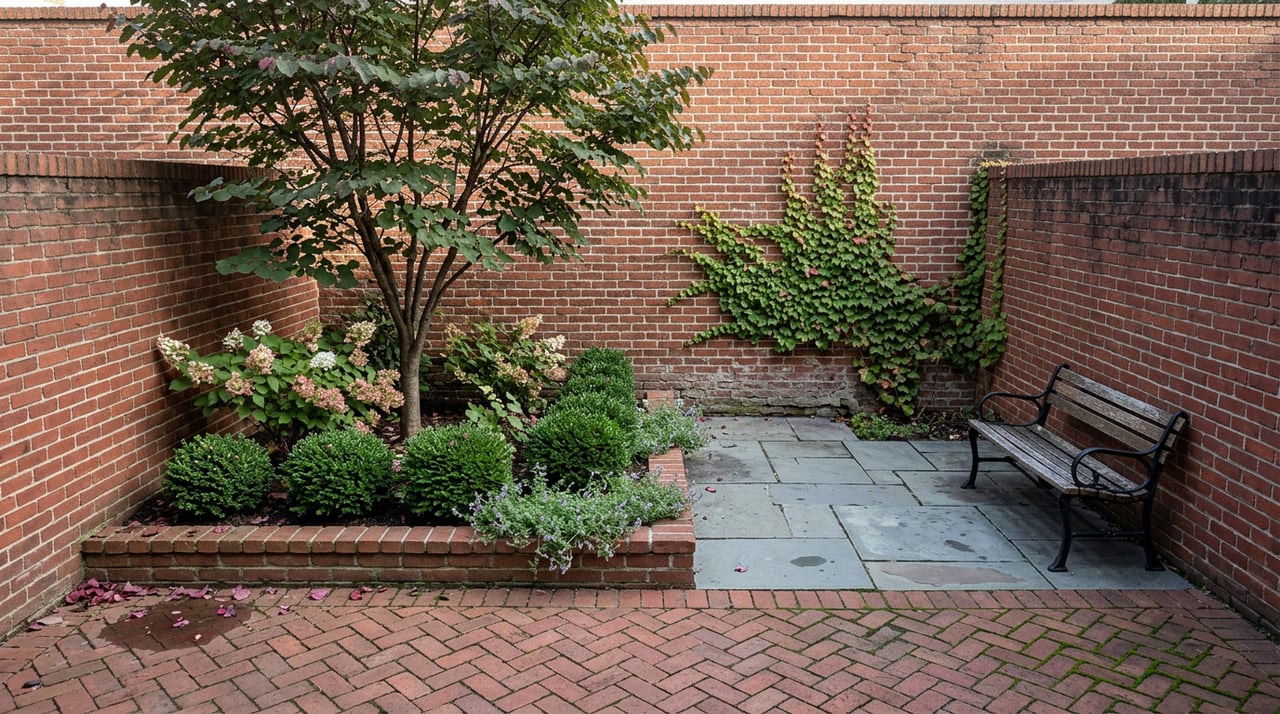
That distribution changes how the neighborhood feels as you move through it. Instead of needing to travel to find a park, you encounter green breaks throughout the street grid.
Why Capitol Hill feels walkable
The historic-district brochure helps explain the physical layout. L’Enfant’s plan created a grid crossed by diagonal avenues, with wide avenues, deep setbacks, and tree-lined grid streets.
That design gives Capitol Hill an unusual combination of grandeur and intimacy. You can feel that on weekends when the pace slows down and the residential side of the neighborhood becomes more visible.
The National Park Service also frames Capitol Hill Parks as places to walk, run, bike, learn, explore, and have fun. That supports a weekend routine that can be active without feeling hurried.
Historic homes define the setting
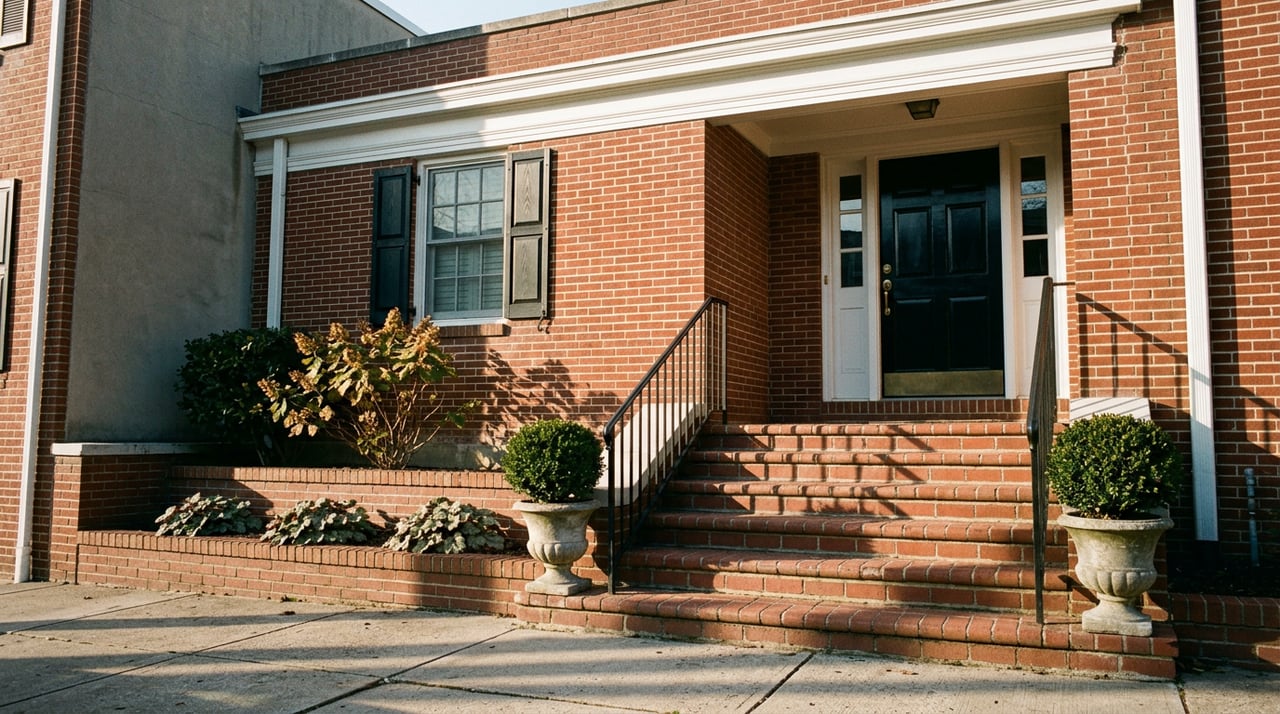
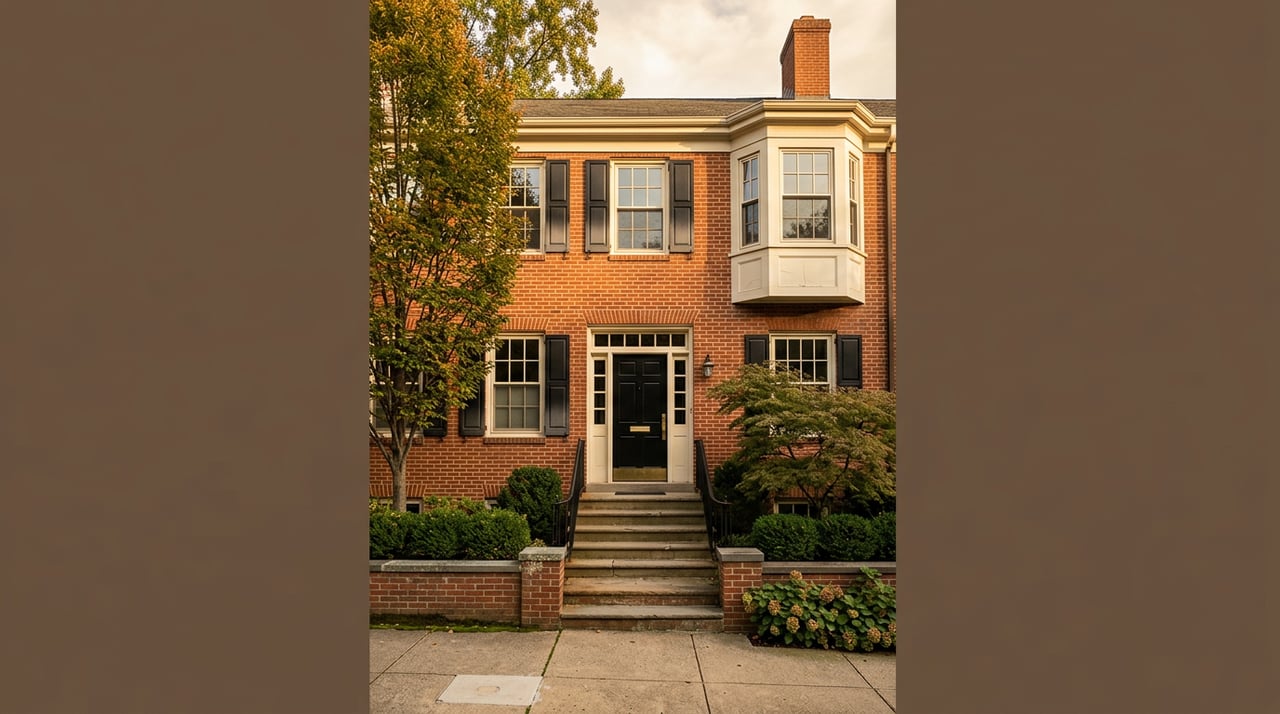
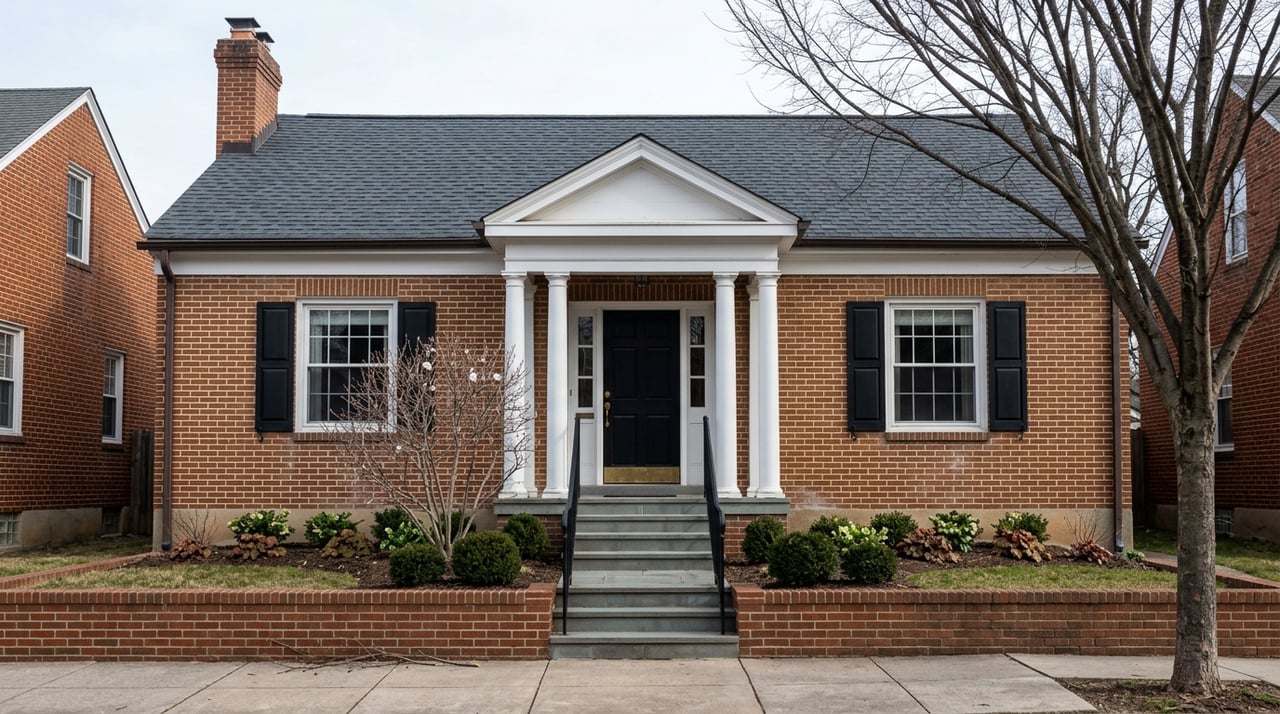
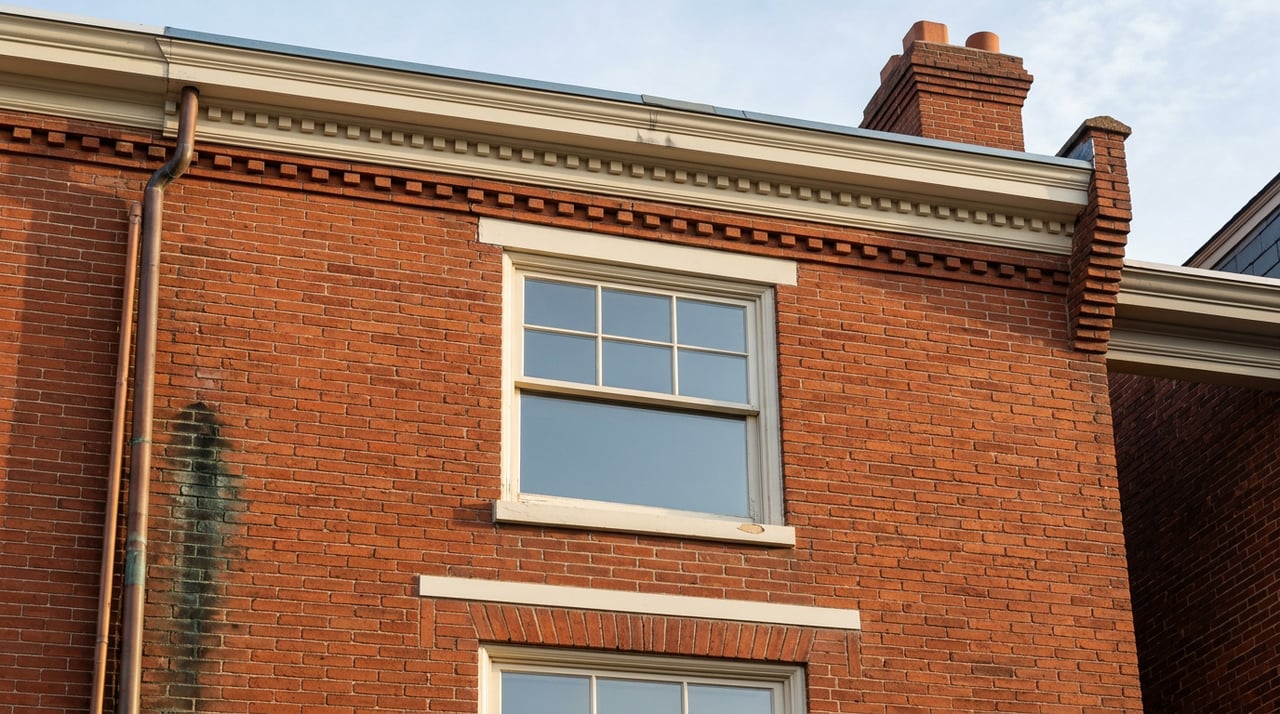
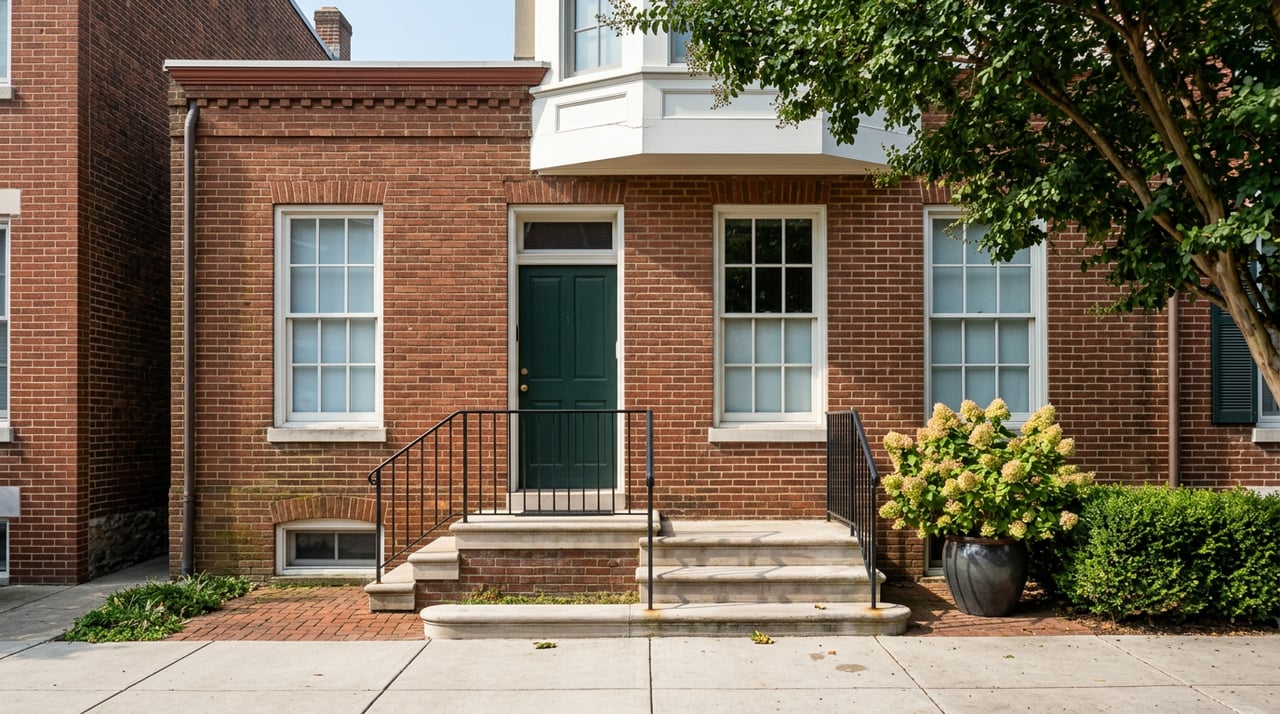
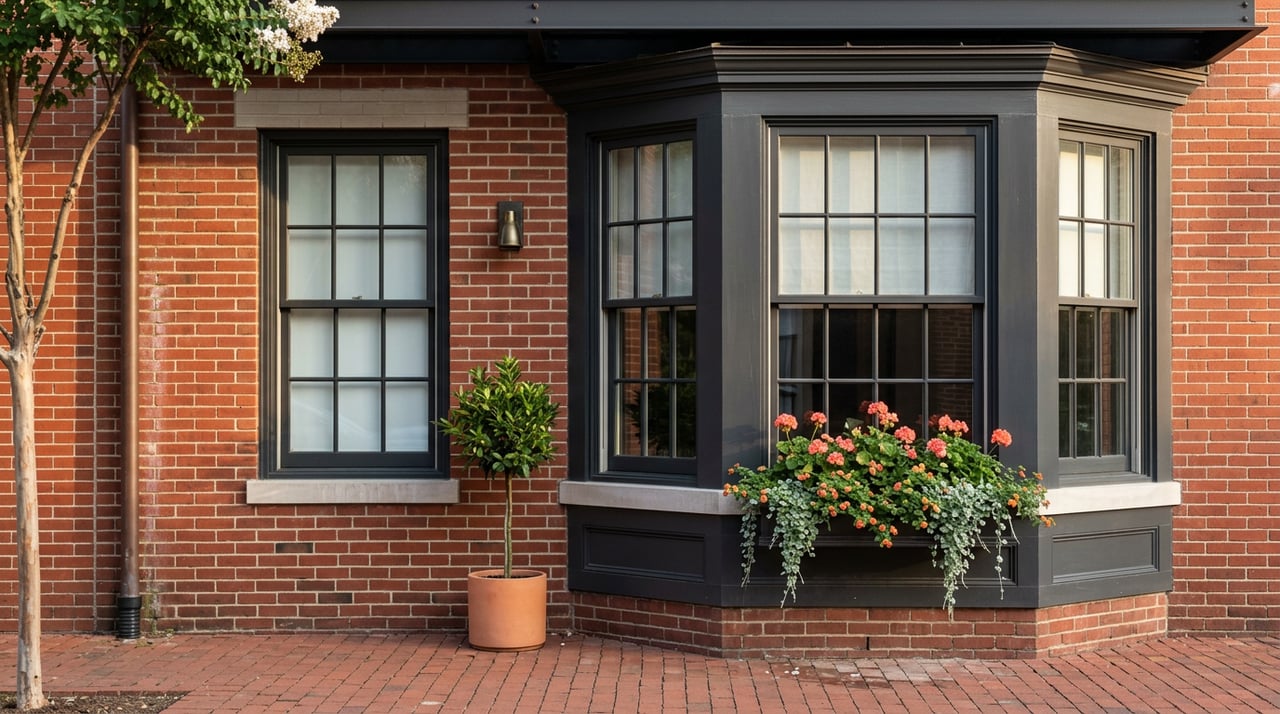
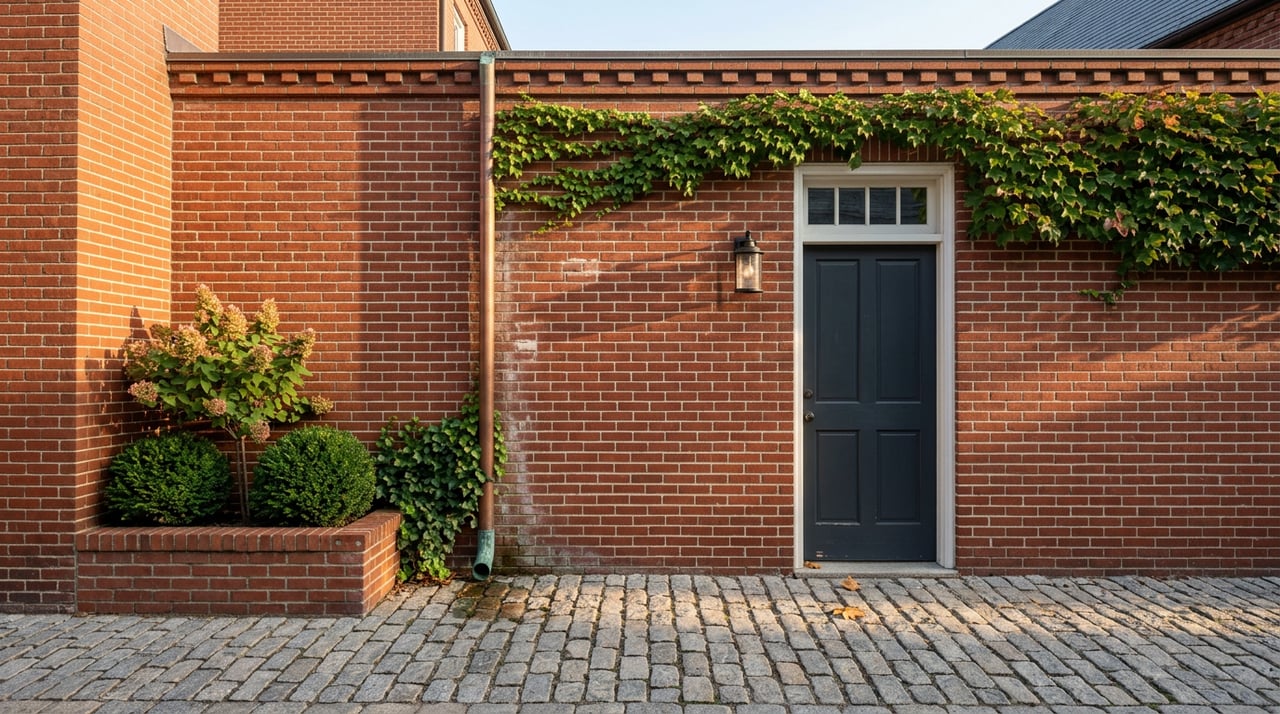
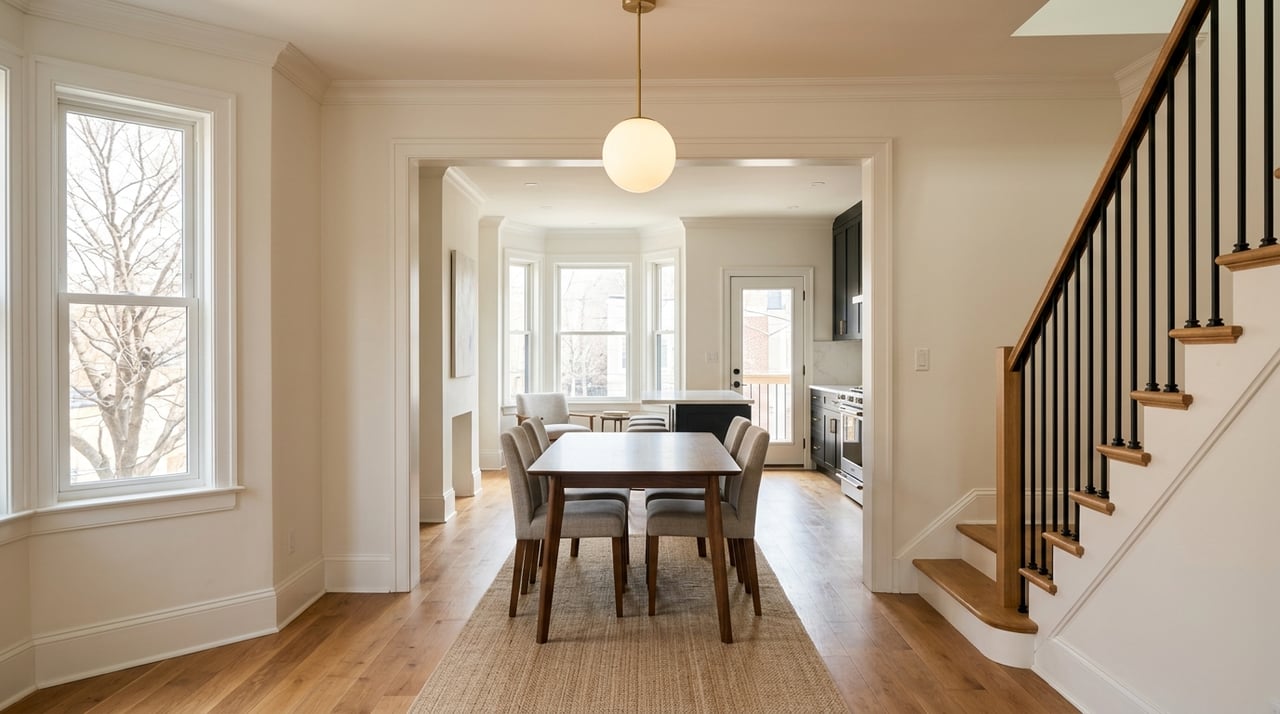
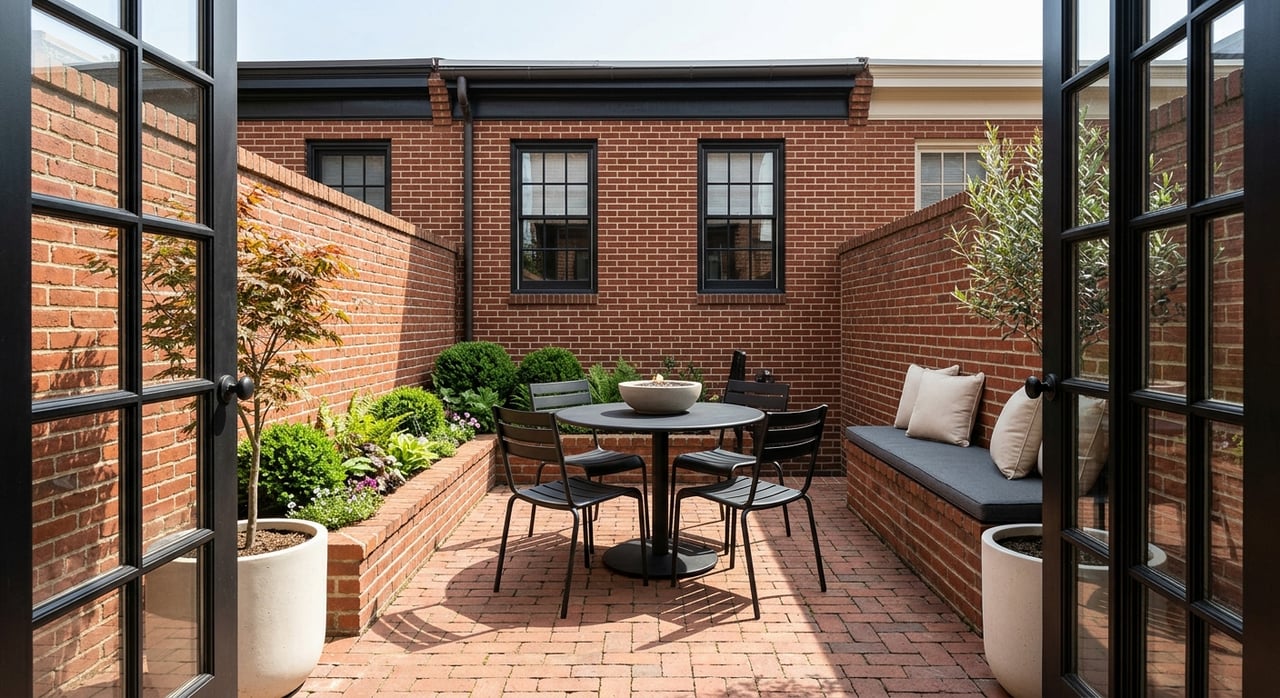
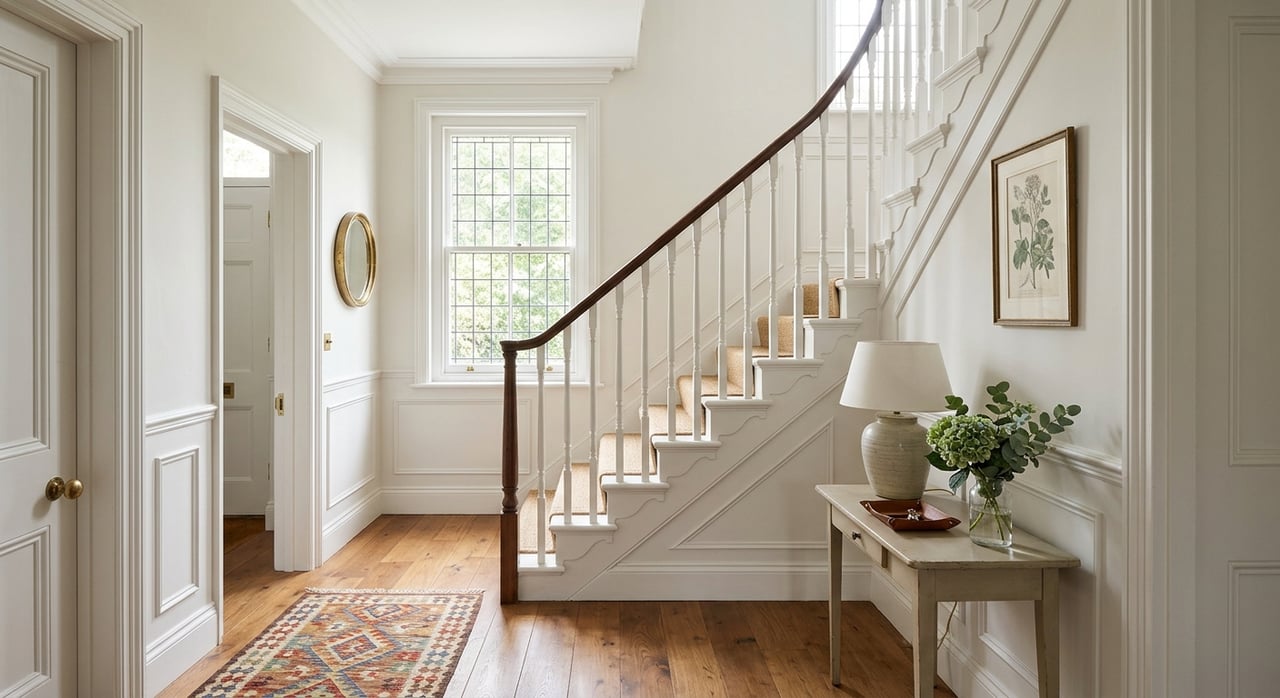
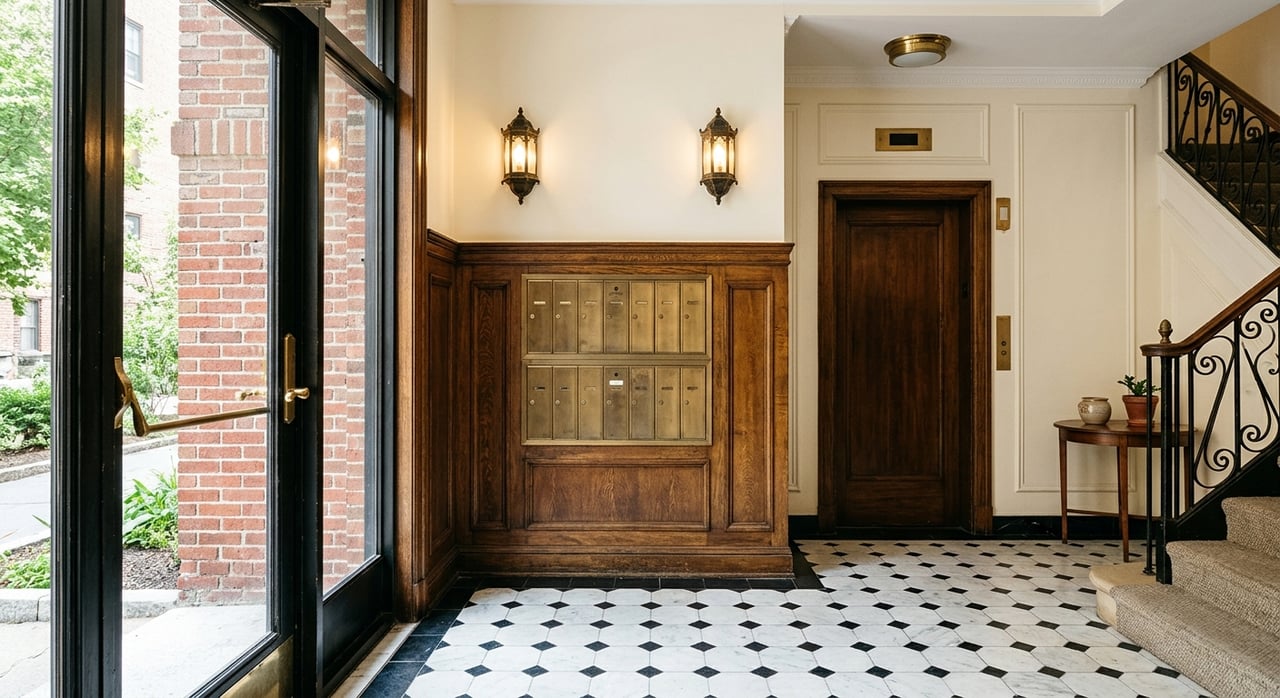
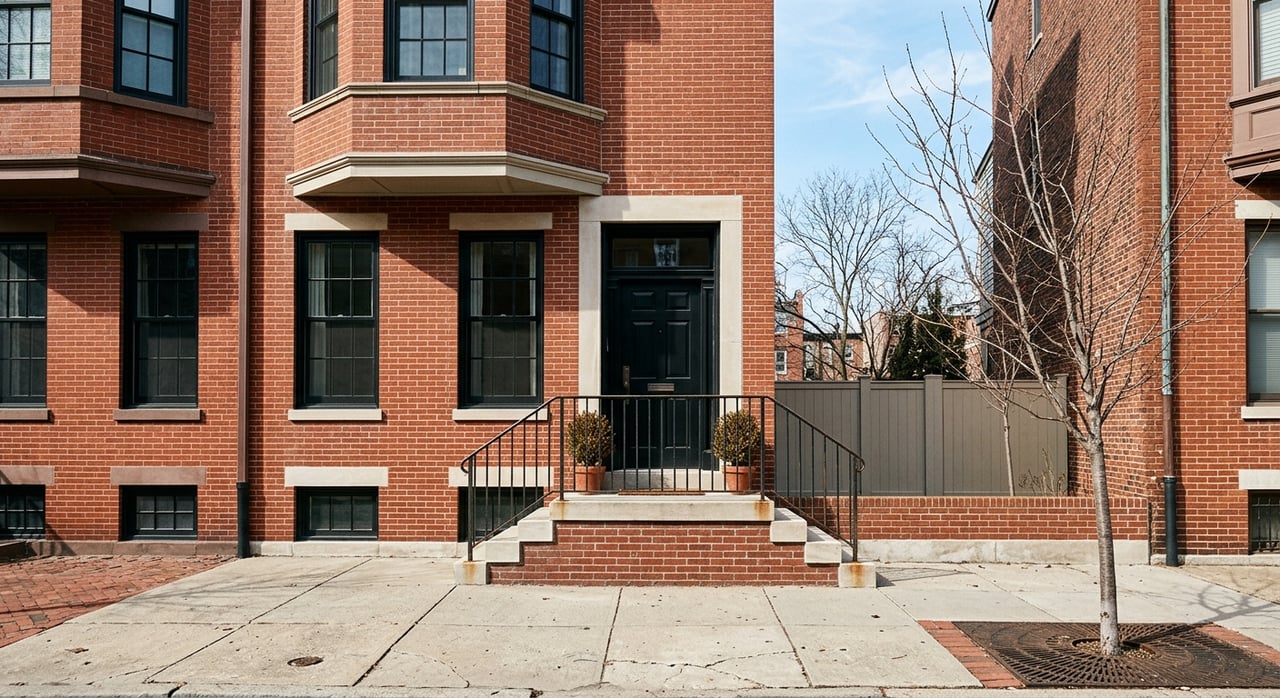
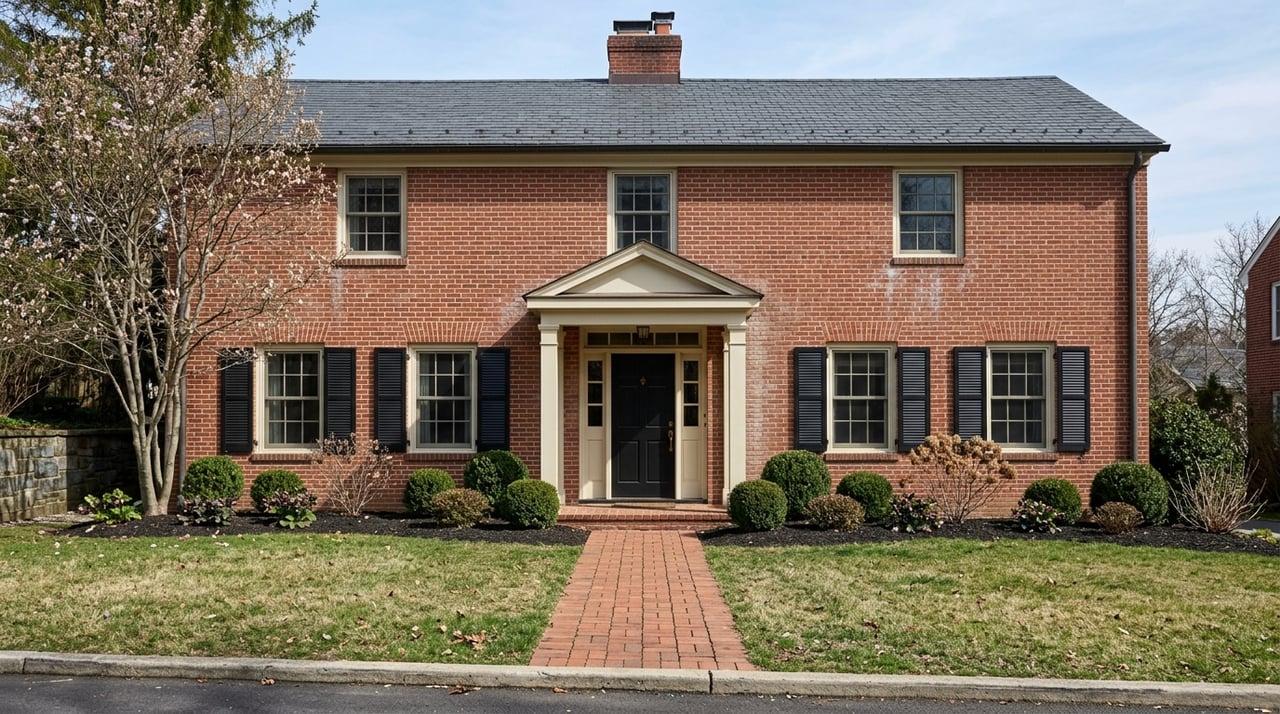
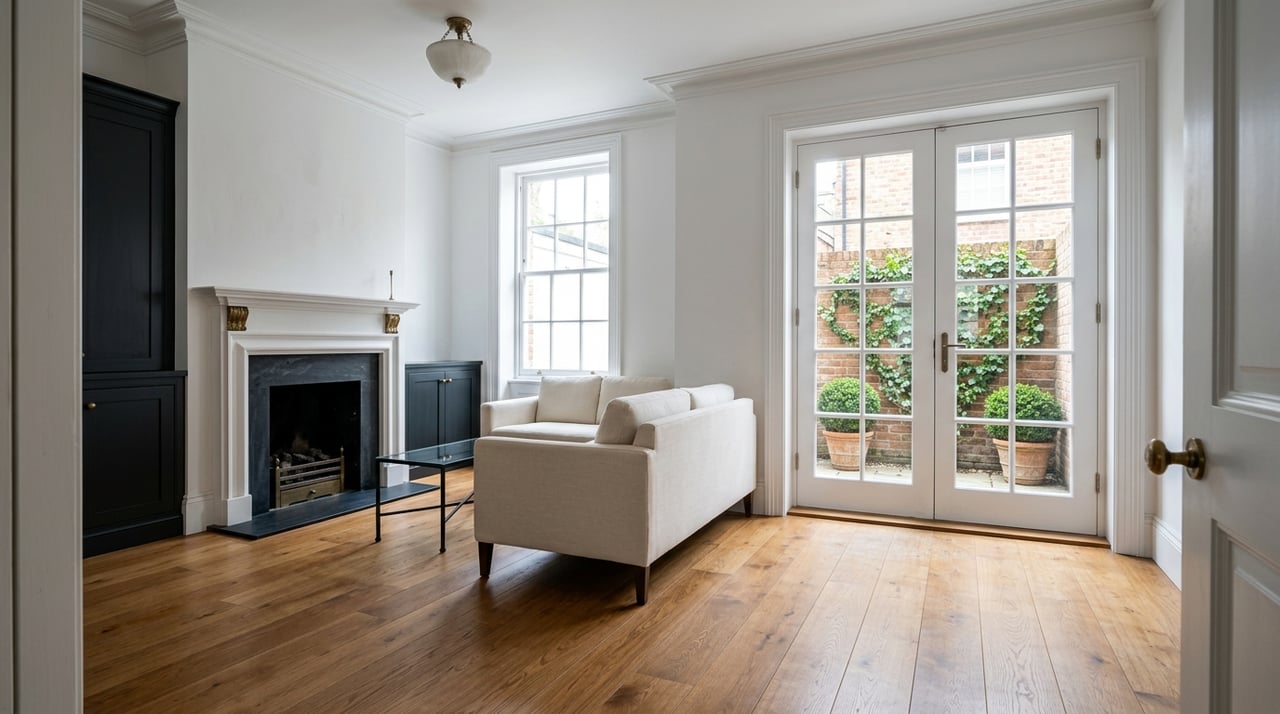
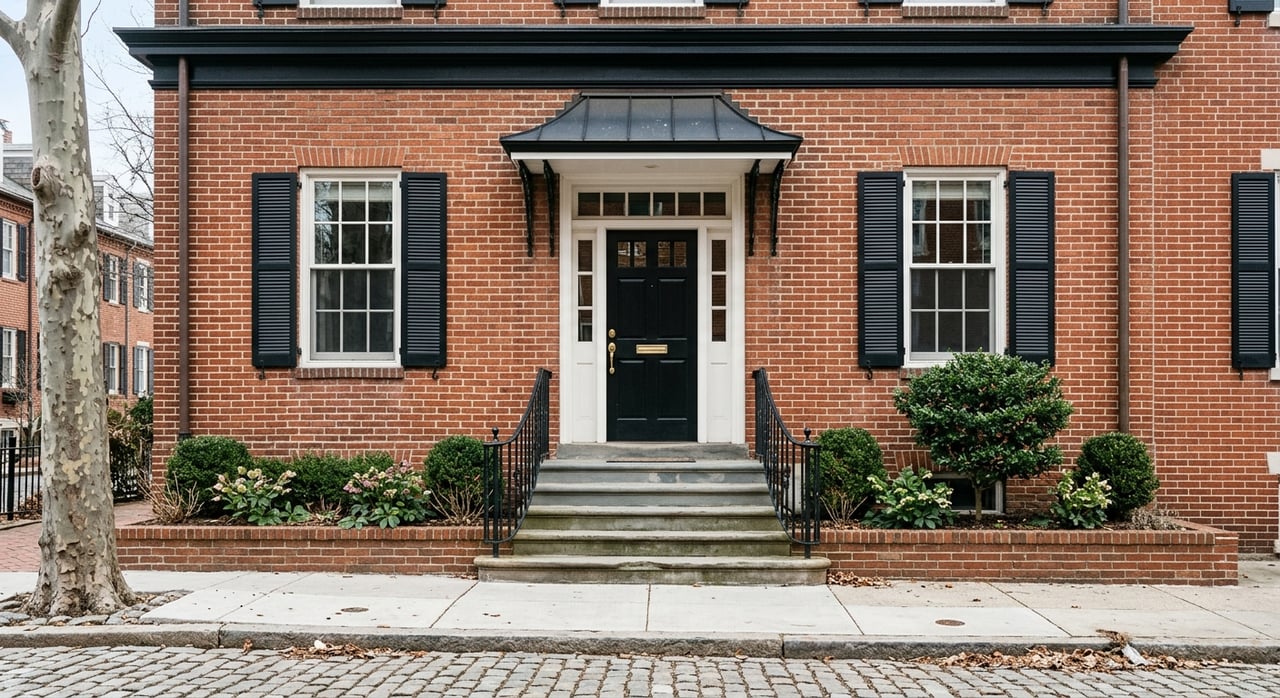
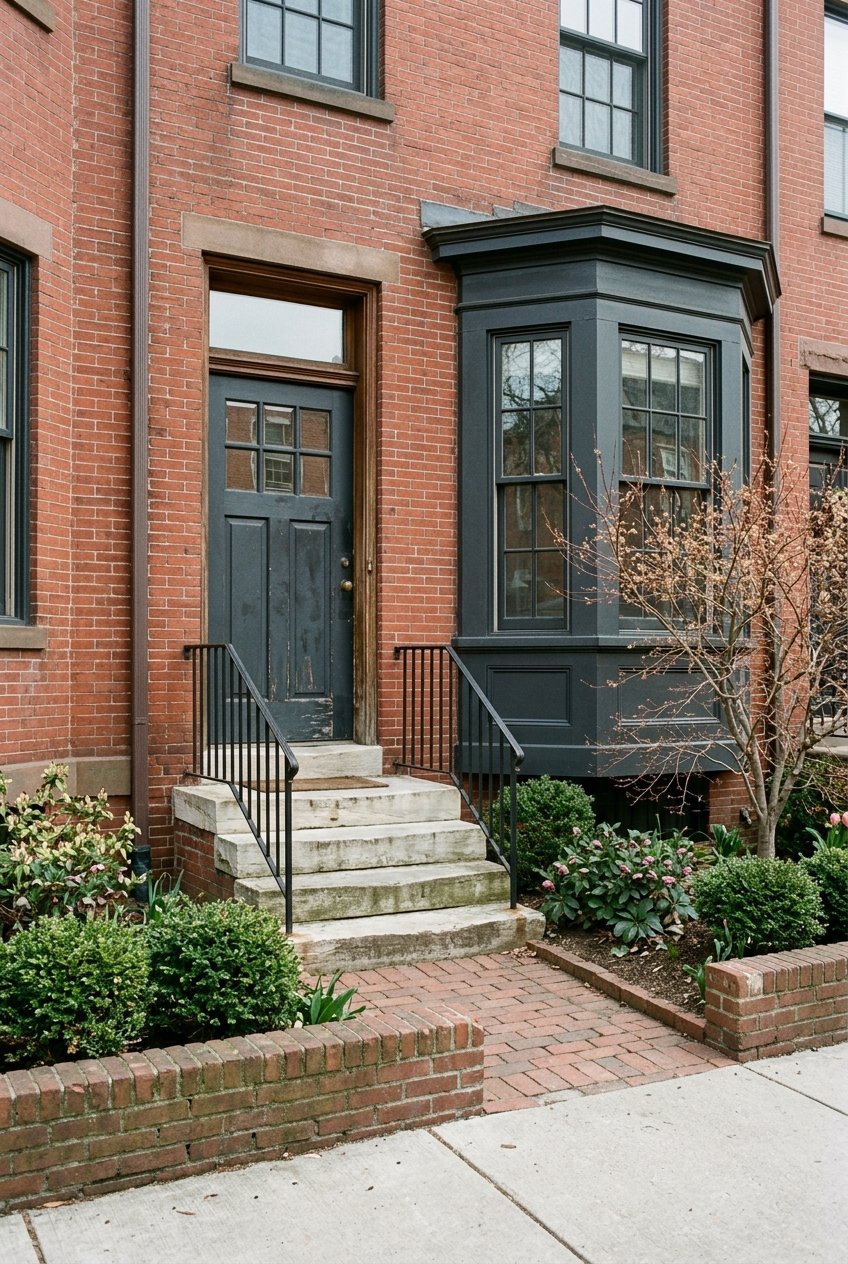
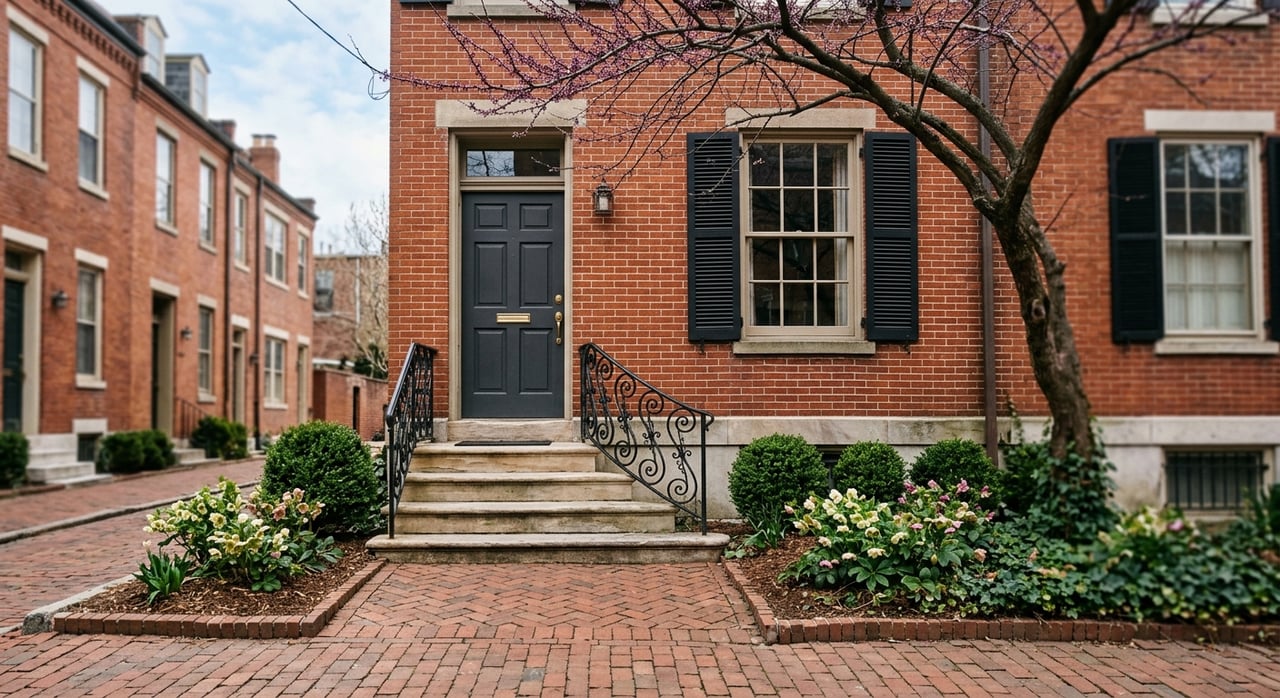
Weekend living on Capitol Hill is also shaped by the architecture around you. The neighborhood is known for its rowhouse character, and that built environment gives the area much of its identity.
The historic-district brochure says Capitol Hill is characterized by intact 19th-century row houses along major avenues and alleys. It also identifies a range of architectural styles, including Federal, Italianate, Second Empire, Queen Anne, and Romanesque Revival.
For many buyers, that architectural continuity is a major draw. It gives the neighborhood visual consistency and a strong sense of place, even across a large footprint.
Rowhouses and neighborhood scale
The same brochure explains that Capitol Hill grew from boarding houses near the Capitol into a middle-class residential community for federal workers, especially in the late 19th century. During that period, brick row houses and neighborhood institutions filled out the district.
Eastern Market itself was completed in 1873, tying one of the neighborhood’s most active weekend destinations to the same era that shaped the surrounding blocks. That history helps explain why the market and the housing stock feel connected rather than separate.
The district includes about 200 city squares and approximately 8,000 buildings. That scale is one reason Capitol Hill can feel dense, active, and distinctly neighborhood-oriented at the same time.
What weekend living really means here
Weekend living on Capitol Hill is not about a single attraction. It is about the way several elements work together, including a residential street pattern, a historic housing base, a strong market tradition, a lively commercial corridor, and green space threaded through the neighborhood.
In practical terms, you get a setting where your weekend can stay close to home without feeling limited. You can walk to a market, spend time in a park, meet friends for a meal, and return to blocks defined by historic rowhouses and long-established community institutions.
That balance is a big part of Capitol Hill’s appeal. It offers a neighborhood experience that feels grounded in everyday life while still being unmistakably Washington.
Why this matters if you are buying or selling
If you are buying on Capitol Hill, understanding the weekend rhythm can help you evaluate more than just square footage. It gives you a better sense of how the neighborhood functions when residents are actually enjoying it.
If you are selling, that same lifestyle story can matter in how your home is positioned. Buyers often respond to a clear picture of what daily and weekend life looks like, especially in a neighborhood with such distinct architectural and street-level character.
For clients considering Capitol Hill or comparing it with other DC neighborhoods, a local, nuanced view makes a difference. That is where thoughtful advising, strong presentation, and neighborhood context all come together.
If you are considering a move in DC and want a strategic, tailored perspective on neighborhood fit, home positioning, and market timing, connect with Infinity Group.
FAQs
What is weekend living like on Capitol Hill?
- Weekend living on Capitol Hill centers on local routines like Eastern Market, dining and errands on Barracks Row, and time spent in the neighborhood’s many parks and squares.
Is Capitol Hill only a government district?
- No. Official neighborhood descriptions present Capitol Hill as a broader community that includes residential areas, local commercial corridors, and civic landmarks.
What makes Eastern Market important to Capitol Hill weekends?
- Eastern Market is a major weekend destination with indoor and outdoor market activity, live music, community events, and more than 100 exhibitors offering food, arts, crafts, jewelry, and antiques.
What is Barracks Row known for on Capitol Hill?
- Barracks Row is known as a historic commercial corridor with more than 30 restaurant choices, local retailers, neighborhood services, and regular event programming.
What kinds of homes are common on Capitol Hill?
- Capitol Hill is especially known for 19th-century brick rowhouses, with notable Federal, Italianate, Second Empire, Queen Anne, and Romanesque Revival styles.
Why does Capitol Hill feel so walkable?
- The neighborhood’s layout combines a traditional grid, diagonal avenues, tree-lined streets, deep setbacks, and a park network woven through the street pattern, which supports walking and everyday neighborhood use.