If you are shopping in Dupont Circle, the question is not just which unit you want. It is also which ownership structure fits your goals. In a neighborhood known for historic buildings and detailed governing documents, the difference between a co-op and a condo can shape your financing, monthly costs, renovation plans, and resale path. This guide will help you compare both options in practical terms so you can move forward with more clarity. Let’s dive in.
Why building type matters in Dupont Circle
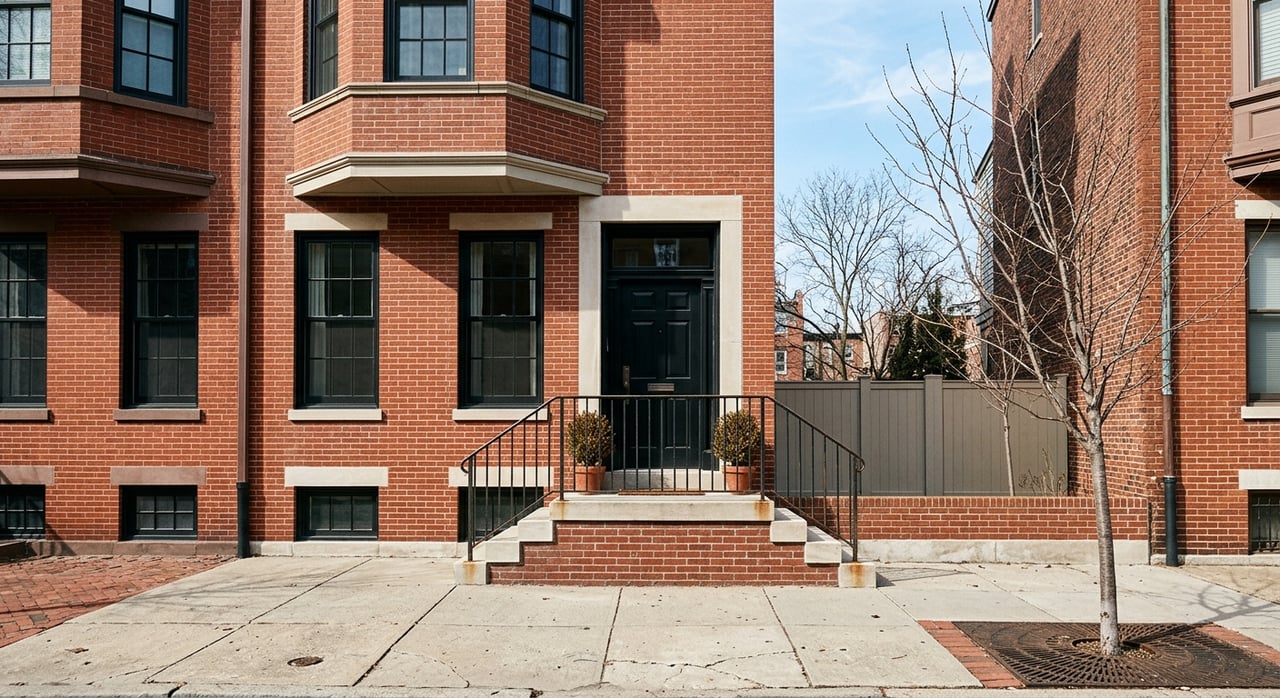
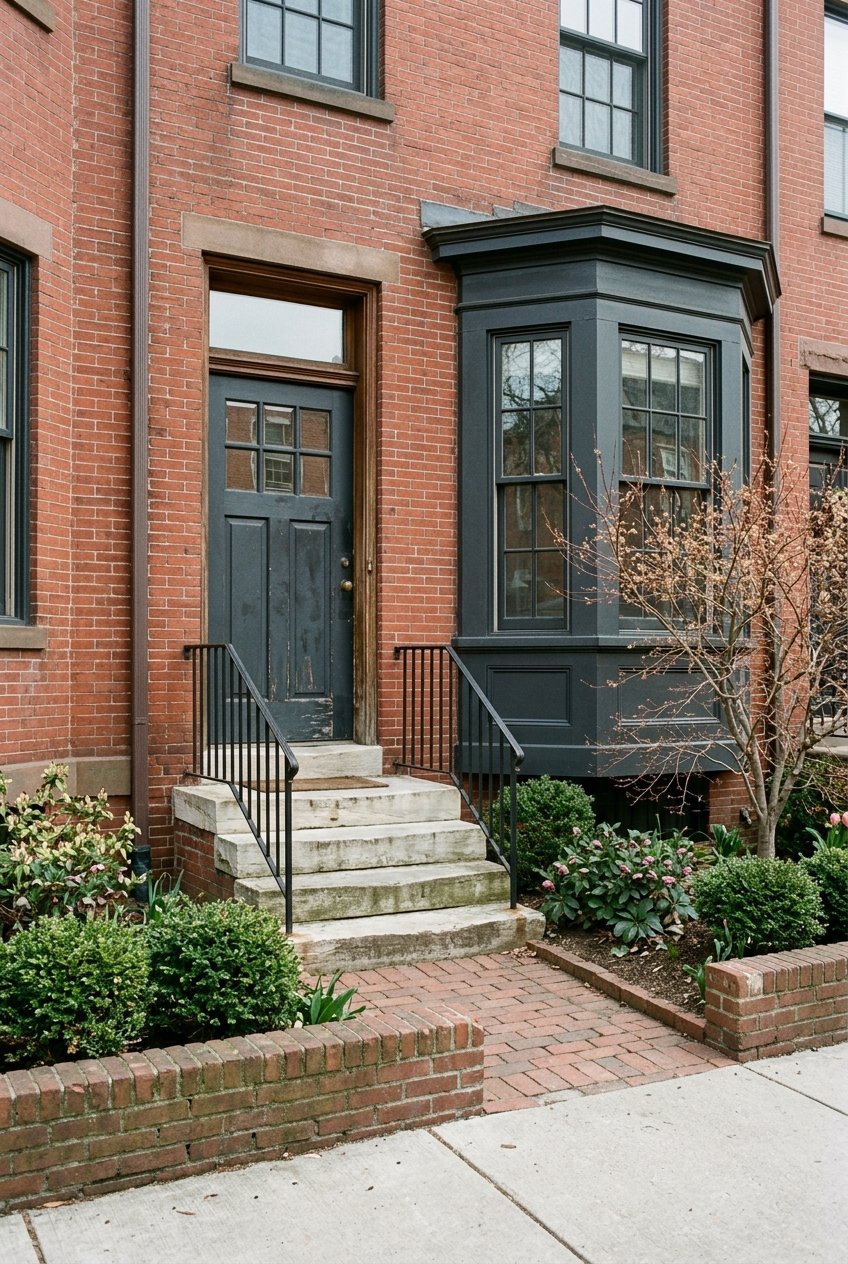
Dupont Circle sits within Ward 2, where the built environment includes grand Victorian townhomes and stand-alone mansions. The Dupont Circle Historic District was established in 1976, later expanded, and includes a period of significance from 1875 to 1931. That older housing stock means the building itself often matters as much as the unit.
In other words, your decision is not just about square footage, finishes, or price. In Dupont Circle, ownership structure and historic-property rules can affect what you can do with the home after you buy it.
Condo ownership in DC
A condominium in DC is real estate. You own your individual unit, and you also own an undivided interest in the common elements of the property.
Under DC law, common expenses include association expenditures plus reserves. That structure tends to feel more like direct real-estate ownership, which is one reason many buyers find condos easier to understand at first glance.
What that means for you
If you buy a condo, you are buying deeded real property. The condo association manages and regulates shared parts of the building, but your ownership interest in the unit itself is direct.
Condo associations in DC can adopt bylaws and rules, set budgets, collect assessments, regulate common elements, and reasonably restrict leasing of residential units. They may also charge late fees, fines, and document preparation fees in certain situations.
Co-op ownership in DC
A cooperative works differently. In a co-op, the association owns and operates the residential property, while you own stock or a membership certificate that gives you the right to occupy a specific unit under a proprietary lease or occupancy agreement.
This is why co-ops often feel less like traditional real estate and more like membership in a corporation that runs the building. The legal structure is different, and the day-to-day experience can be different too.
What that means for you
If you buy a co-op, your rights are defined heavily by the co-op’s documents. Those documents can govern admission, voting, transfer procedures, and occupancy rights.
DC law allows co-op bylaws to set how members are admitted, how meetings are run, and how directors and officers are elected. In general, each member has one vote unless the governing documents provide a different structure.
Monthly costs: co-op vs condo
For many buyers, the biggest day-to-day question is monthly cost. In both condos and co-ops, those building-related charges are usually paid separately from your mortgage payment.
Fee levels can vary widely. What matters most is understanding what the monthly charge covers and whether the building appears to be planning responsibly for future expenses.
Condo monthly fees
In a condo, monthly fees generally support common expenses. Under DC law, that includes association expenditures and reserves.
When you review a condo, it is smart to look beyond the number itself. A lower fee may look appealing, but the reserve picture and planned capital expenditures matter too.
Co-op carrying charges
In a co-op, monthly carrying charges typically cover management, operations, maintenance, taxes, insurance, reserves, and debt service on the project mortgage. Because of that, the structure of the monthly payment can feel very different from a condo.
This is one reason side-by-side comparisons can be tricky. Two similar-looking units may have very different monthly cost structures depending on whether the building is a co-op or a condo.
Financing can be simpler or more layered
Financing is another major point of contrast. Condos are often more familiar to buyers and lenders because the ownership structure is more standardized.
Co-ops can be more project-specific. That does not mean they are off-limits, but it does mean you should expect more document review and, in some cases, an approval process tied to the building.
Condo financing outlook
Because a condo is deeded real estate, many buyers find the financing path more straightforward. You still need to review the association’s financial and legal documents, but the ownership model is generally easier for buyers to navigate.
That can also support a more predictable resale process later. In a neighborhood where many purchases happen in older, distinctive buildings, predictability has real value.
Co-op financing outlook
Fannie Mae states that co-op share loans finance the borrower’s ownership interest plus occupancy rights. If the buyer’s membership or occupancy depends on co-op approval, the lender must document that approval before Fannie Mae will buy or securitize the loan.
Fannie Mae also notes that inconsistent co-op project data can make financing harder. For you, that means the building’s records and approval procedures can have a direct impact on how smoothly the purchase moves.
Renovation rules matter in Dupont Circle
If you plan to renovate, Dupont Circle’s historic context should be part of your decision early. In DC, many building and site projects require permits, and work affecting the exterior appearance of a historic property requires historic-preservation review.
Interior alterations are generally exempt from preservation review unless the interior itself is specifically designated historic. Still, permit rules can apply to interior work such as kitchen or bathroom remodeling through the District’s alteration-and-repair process.
Exterior work gets more scrutiny
In historic properties, changes that affect exterior appearance can trigger review. That can include facade changes, new front porches, roof additions, or roof decks visible from the street.
So if your dream purchase includes a visible exterior update, top-floor addition, or altered roofline, that should be evaluated before you commit. Building approval alone may not be enough if preservation review is also required.
Interior updates may be easier
Many interior alterations and non-structural interior demolition projects are generally exempt from preservation review, unless they involve a designated historic interior. That can make some renovation plans more practical than buyers first assume.
Still, the building’s own rules remain important. In both condos and co-ops, governing documents may set their own approval standards for alterations.
Leasing and building control
If flexibility matters to you, pay close attention to leasing and subletting rules. This is especially important if you may relocate later, keep the property as an investment, or need a change-of-plans option.
For condos, DC law allows associations to reasonably restrict leasing of residential units. For co-ops, project documents are expected to regulate subletting and transfers, and purchaser approval rights may also come into play.
Condos may offer more transfer simplicity
In many cases, condos feel easier to transfer because there are often fewer building-level approval layers tied to the ownership itself. That does not mean no rules apply, but the process is often more standardized.
For buyers who value exit flexibility, that can be a meaningful advantage. It is one reason condos are often attractive to purchasers who want a more traditional ownership model.
Co-ops may offer tighter oversight
Co-ops often provide stronger building control through board oversight, admission procedures, and transfer rules. Some buyers appreciate that structure because it can create more consistency in how the building is run.
Others may find it too restrictive. The right fit depends on how comfortable you are with a more selective approval environment.
Resale documents to review carefully
In Dupont Circle, documents are not a side issue. They are central to understanding what you are buying.
The most important step is to review the building records that define ownership, costs, approvals, and compliance. In many cases, those papers will tell you more than the listing description ever could.
Condo documents
For a DC condo resale, the seller must obtain and deliver the condominium instruments and a certificate within 10 business days after contract execution. That certificate must include items such as:
- Reserve information
- Planned capital expenditures
- Financial statements
- Pending suits
- Insurance coverage
- Whether prior alterations violate the condominium documents
After receiving these documents, the buyer has a 3-business-day cancellation window.
Co-op documents
For a co-op, document review is often even more important. Ask for:
- The proprietary lease or occupancy agreement
- Bylaws
- Membership and voting rules
- Transfer and approval procedures
- Sublet policy
These records control your occupancy rights and clarify the board’s approval power. If financing is involved, they may also affect lender requirements.
Which one is usually the better fit?
A condo is often the better fit if you want deeded real estate, a more standardized resale process, and fewer building-level transfer approvals. A co-op is often the better fit if you are comfortable with share ownership, board oversight, and a more selective approval process.
Neither option is automatically better in Dupont Circle. The right answer depends on your priorities, the building’s governing documents, and whether the historic context affects your renovation or long-term plans.
A simple Dupont Circle decision checklist
If you are deciding between a co-op and a condo, start with these questions:
- Do you want deeded ownership of real estate or are you comfortable with share ownership?
- How important is financing simplicity?
- Are you likely to renovate, especially exterior features?
- Do you want maximum future leasing or transfer flexibility?
- Are you comfortable with board review and approval procedures?
- Have you reviewed the building’s budget, reserves, and key governing documents?
In Dupont Circle, these questions are especially important because historic review rules and older building structures can add another layer to the decision.
If you want a polished, building-by-building comparison before making an offer, working with an advisor who understands NW DC can save you time and help you avoid surprises. For a private consultation, connect with Infinity Group.
FAQs
What is the main difference between a co-op and a condo in Dupont Circle?
- In a condo, you own the unit as real estate plus an interest in the common elements. In a co-op, the association owns the property and you own shares or a membership interest tied to occupancy rights.
Are monthly co-op fees and condo fees included in your mortgage payment in DC?
- Usually no. Building-related fees or carrying charges are generally paid separately from your mortgage payment.
Can you renovate a historic property in Dupont Circle?
- Yes, but work that affects the exterior appearance of a historic property generally requires historic-preservation review, while many interior alterations are generally exempt unless a designated historic interior is involved.
Do condo buyers in DC get a document review period?
- Yes. After receiving the required condominium resale documents, a buyer has a 3-business-day cancellation window.
Do co-ops in DC require buyer approval?
- Some do. If membership or occupancy depends on co-op approval, that approval can affect both the purchase process and financing.
Which is better for future flexibility in Dupont Circle, a co-op or a condo?
- Many buyers find condos more flexible because they often involve a more standardized resale process and fewer building-level transfer approvals, but the governing documents of the specific building are what matter most.