Thinking about selling a Georgetown luxury home? Your first instinct might be to plan a major renovation, but in this market, the smartest pre-sale updates are often the most strategic, not the most dramatic. When your home sits in one of Washington’s most preservation-sensitive neighborhoods, timing, presentation, and historic context matter just as much as the work itself. This guide will help you focus on updates that can improve appeal, respect Georgetown’s historic rules, and support a polished market debut. Let’s dive in.
Why Georgetown pre-sale planning is different
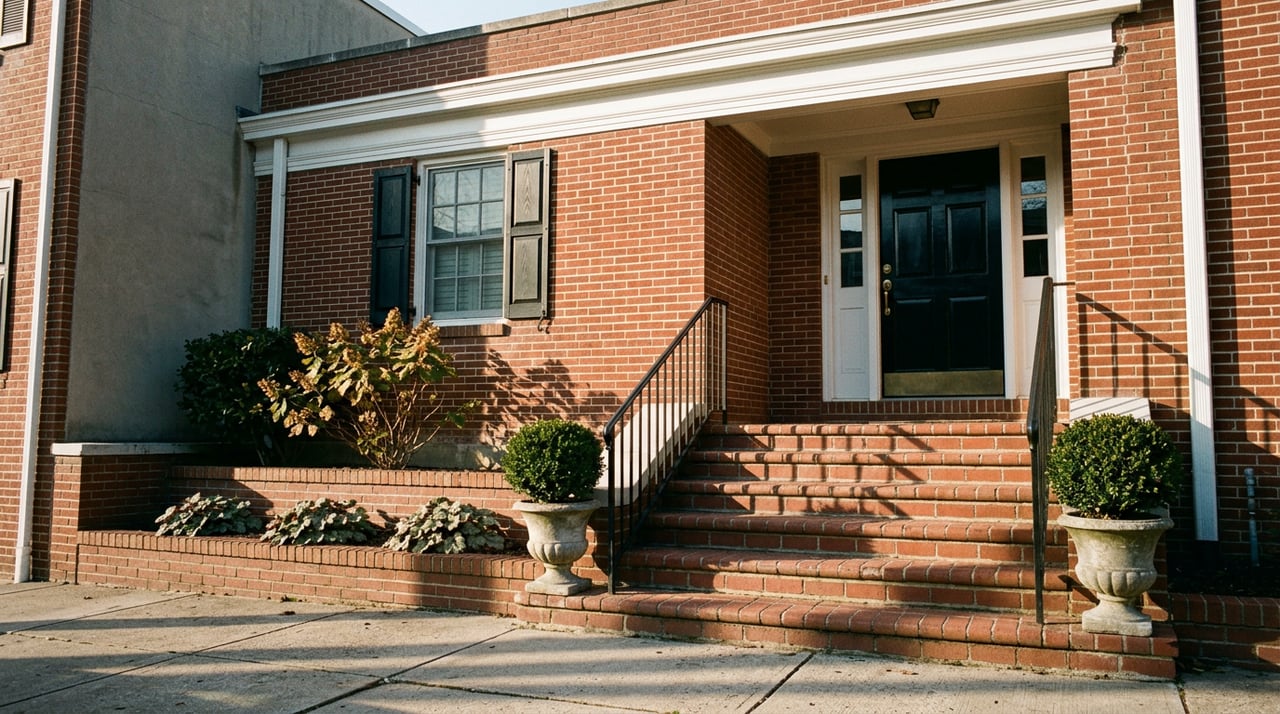
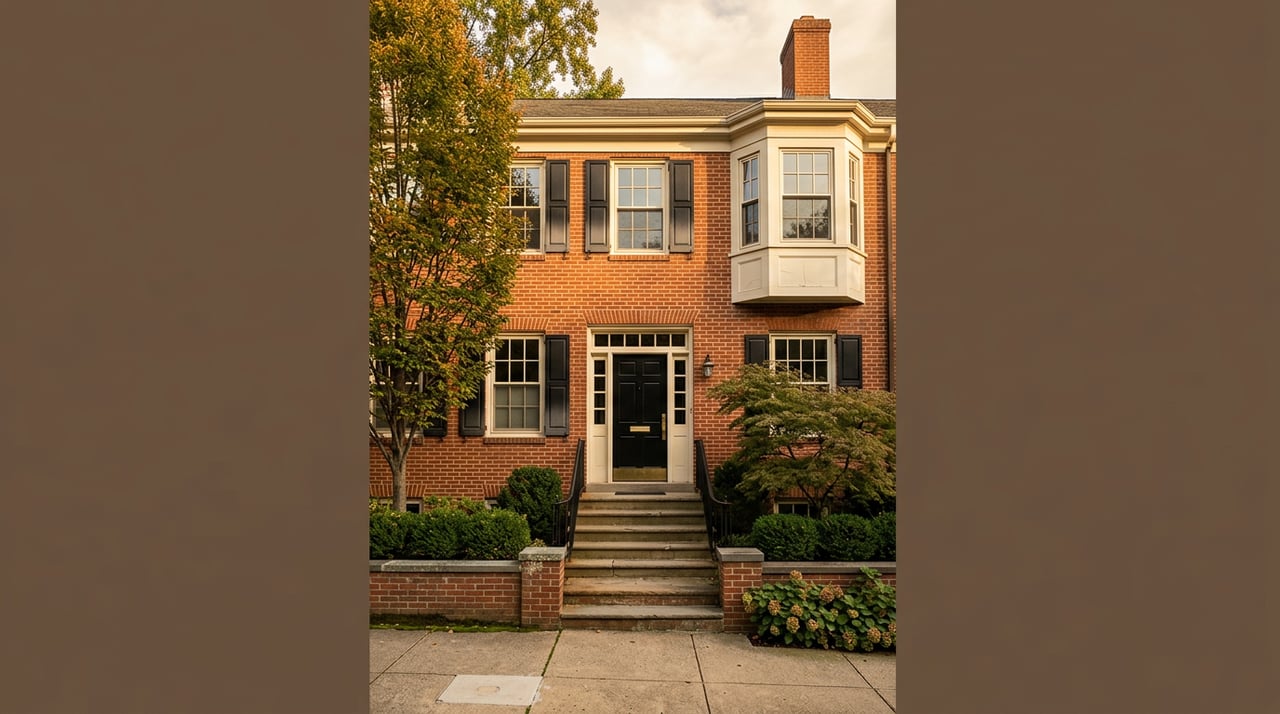
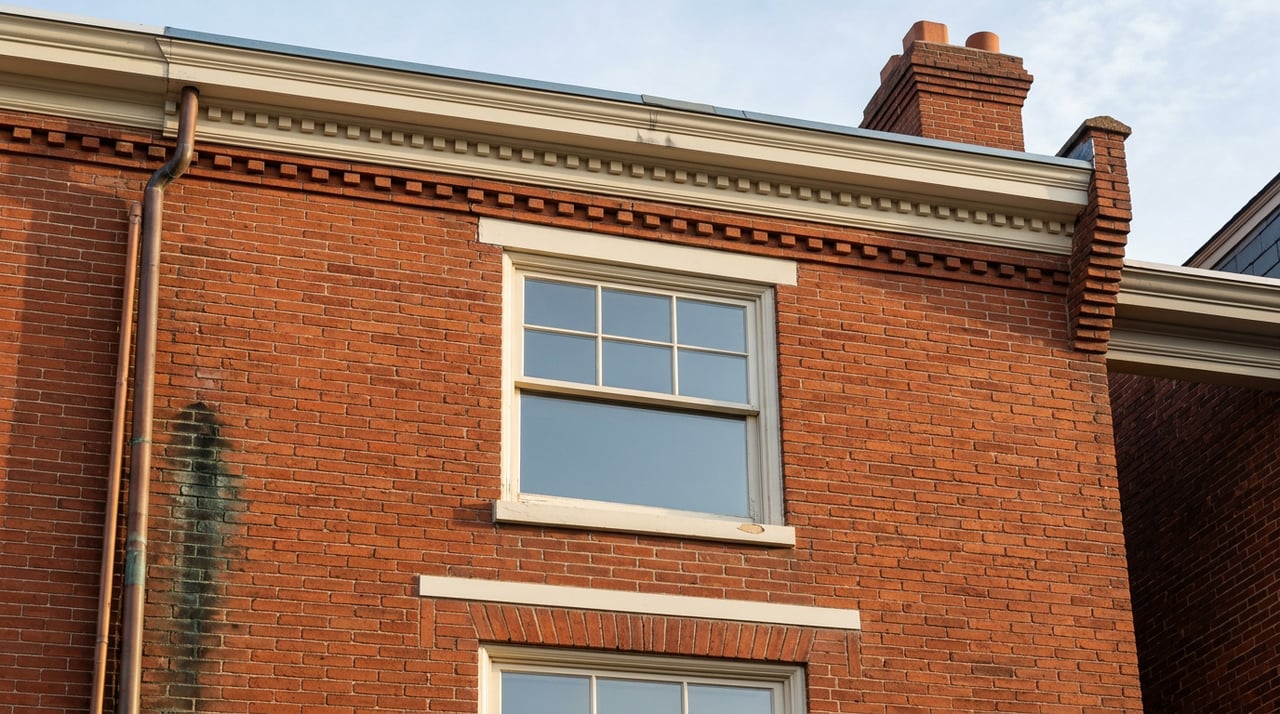
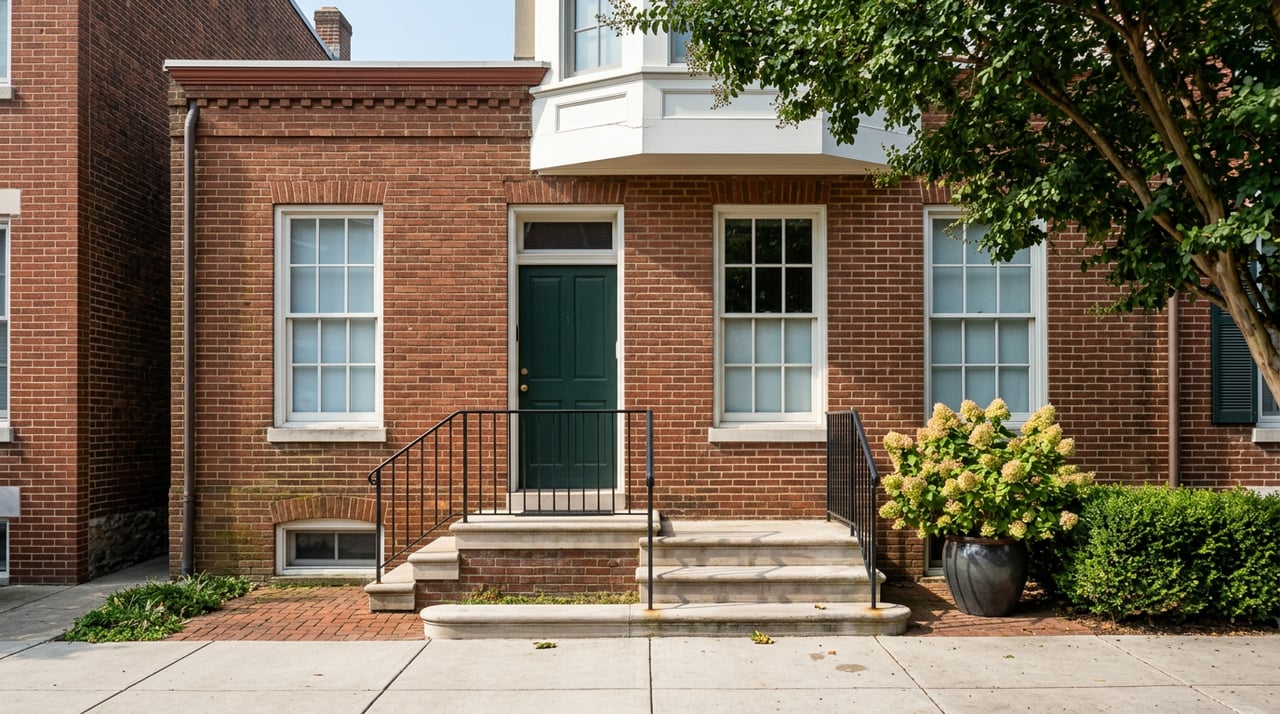
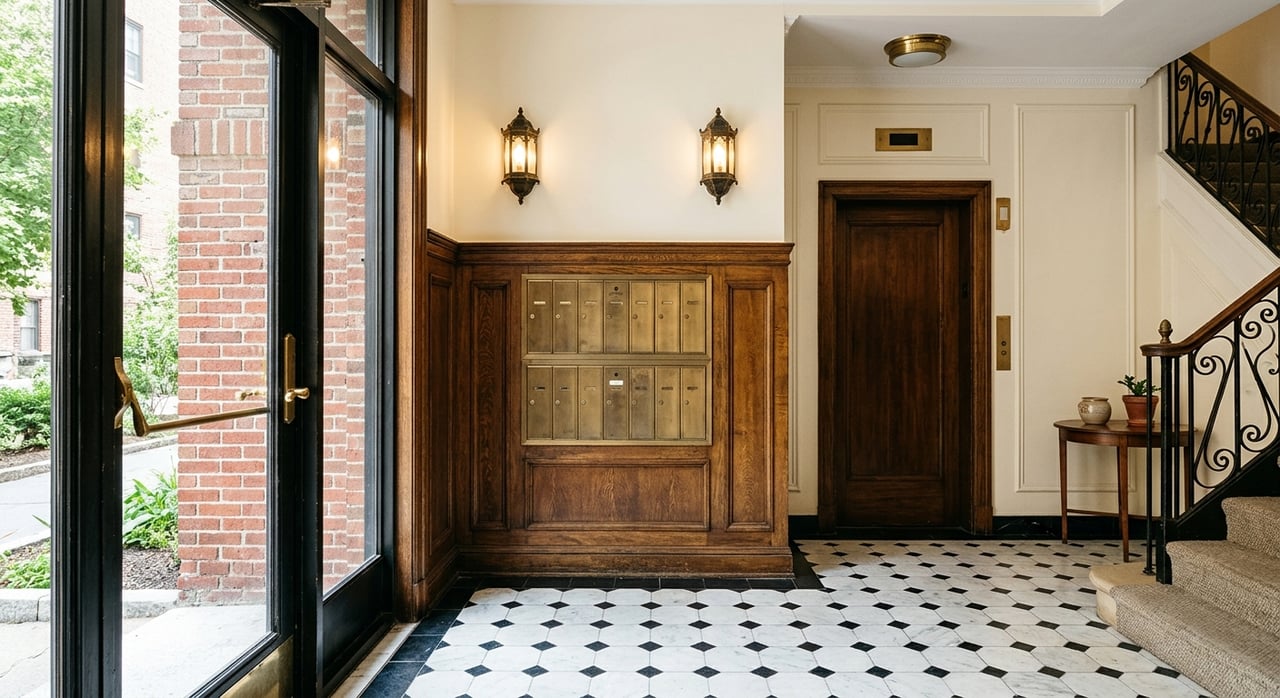
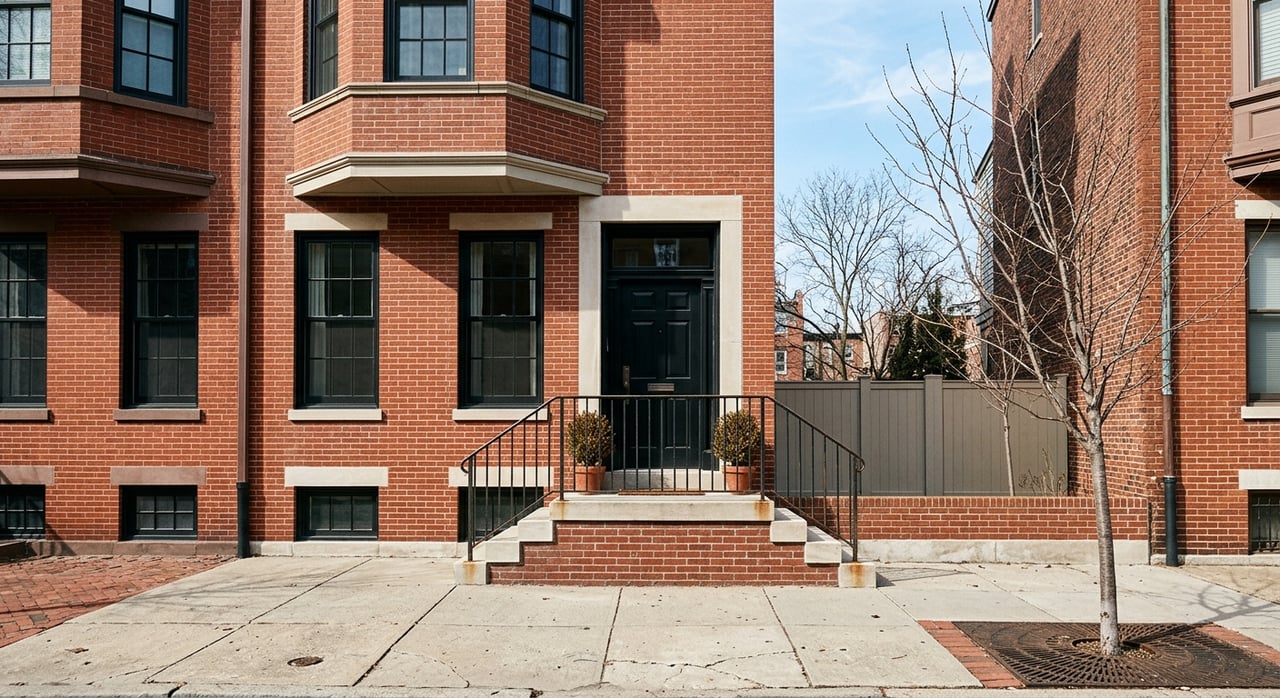
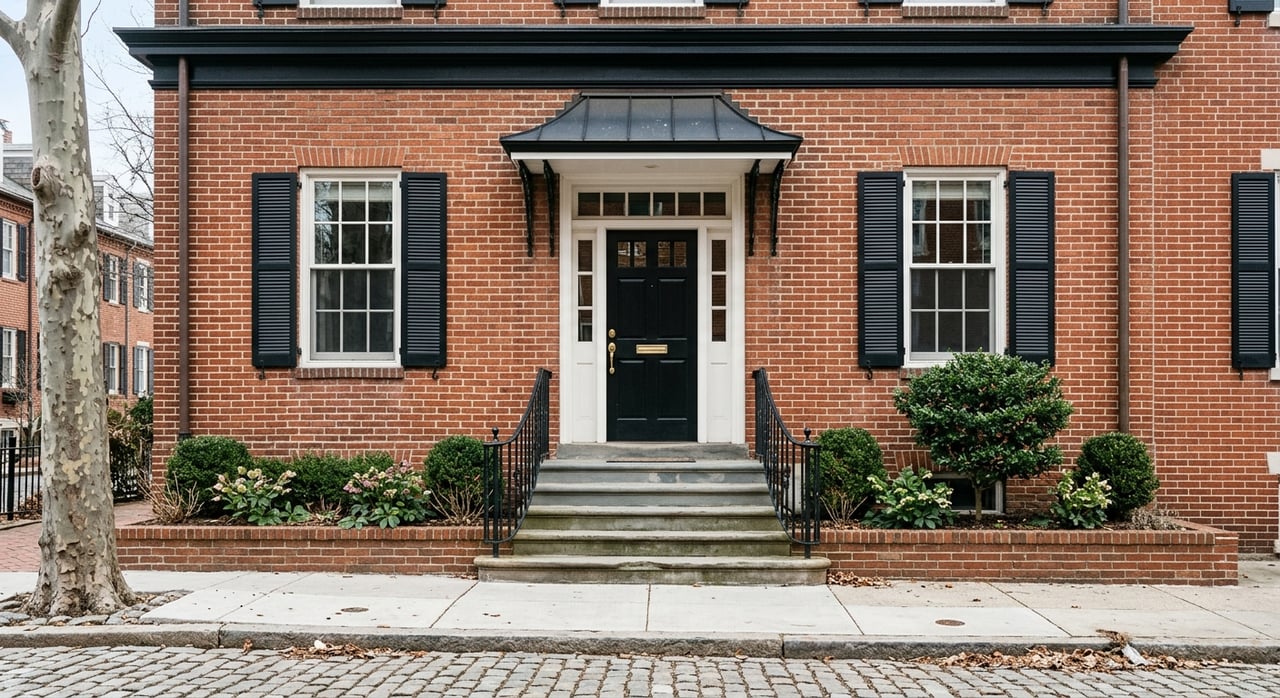
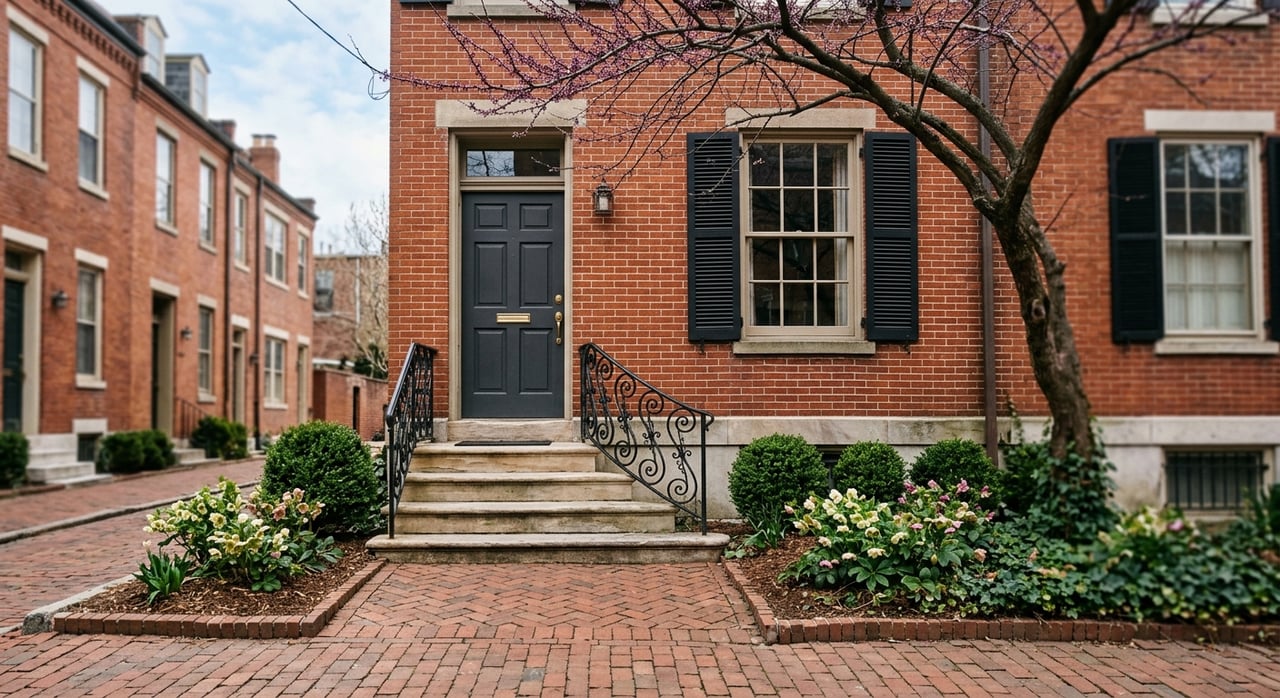
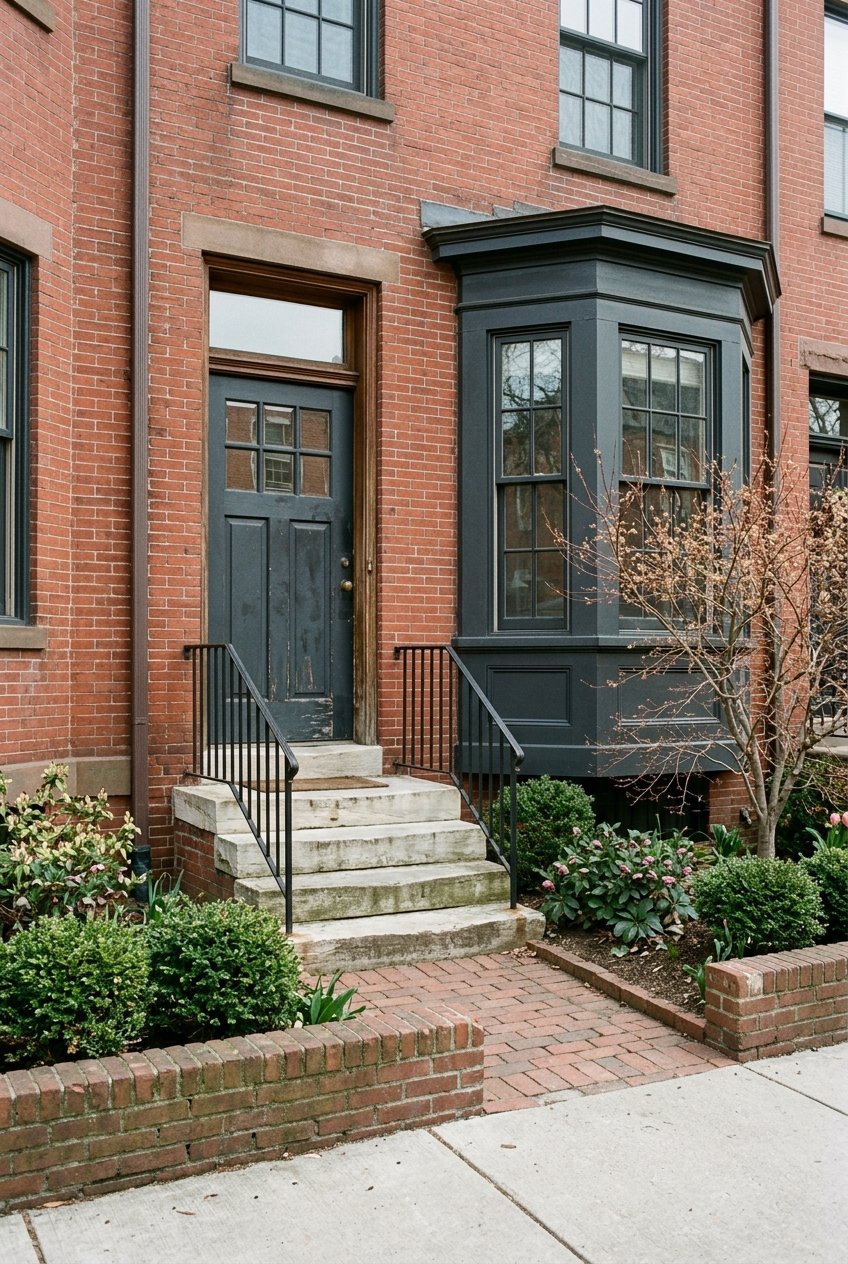
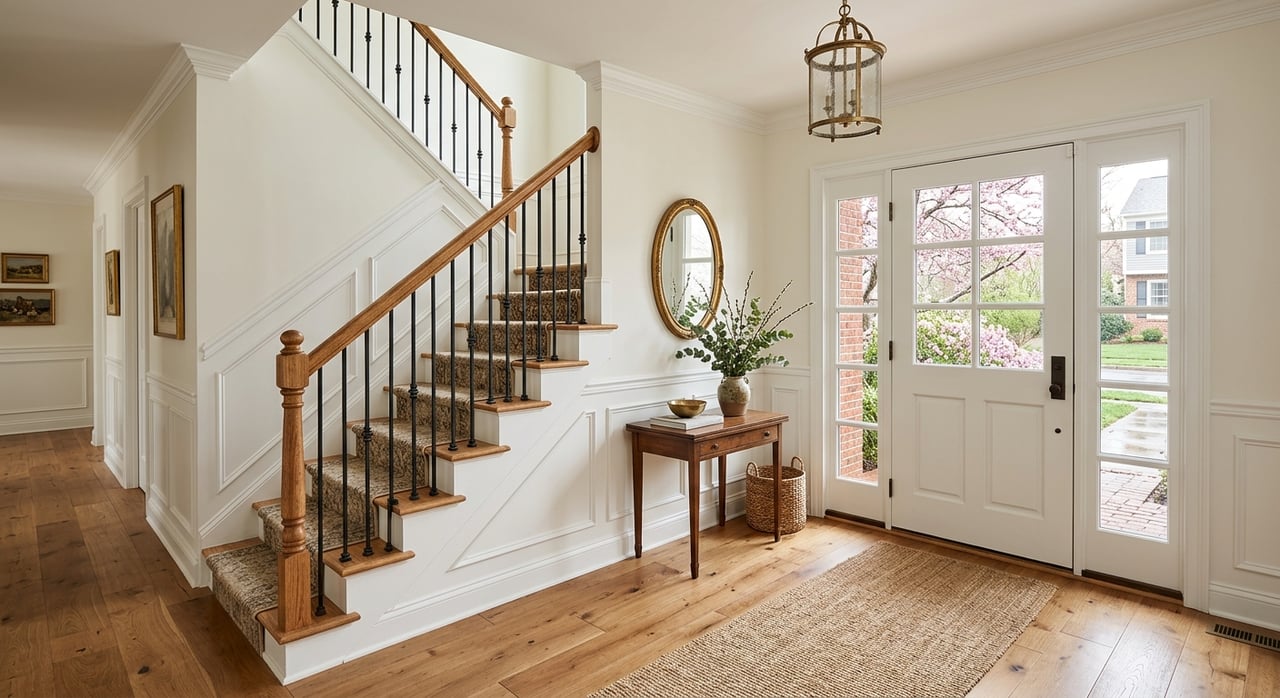
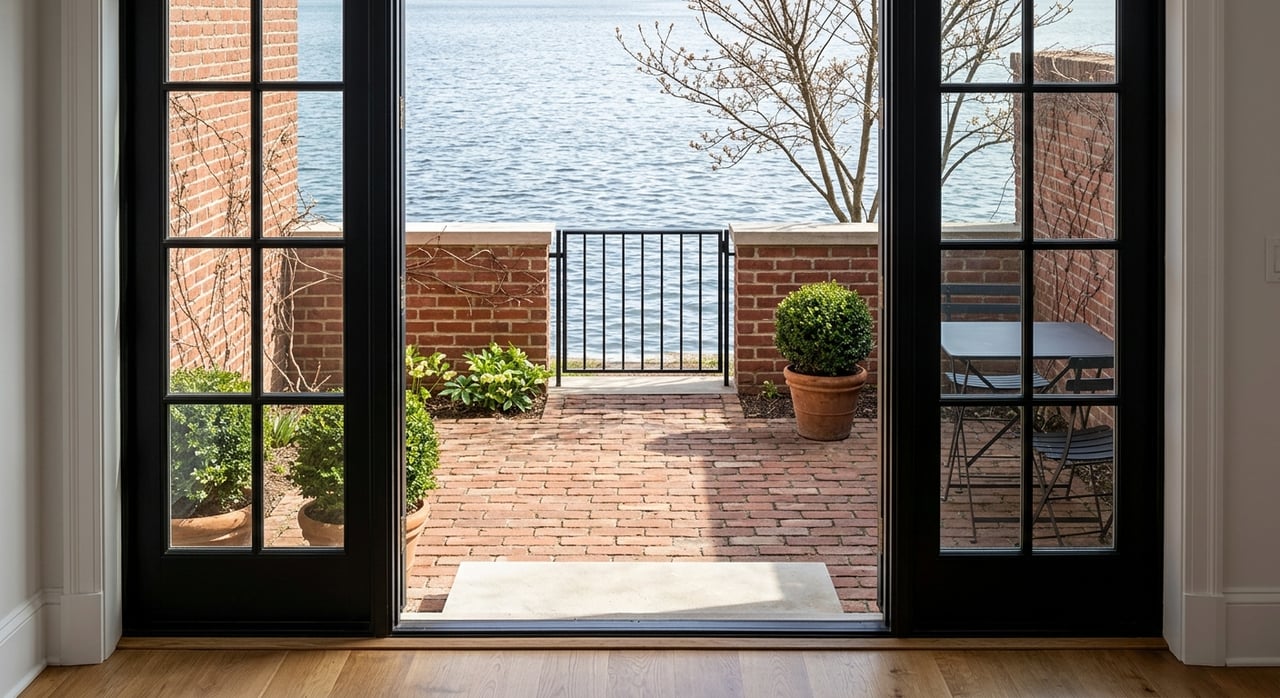
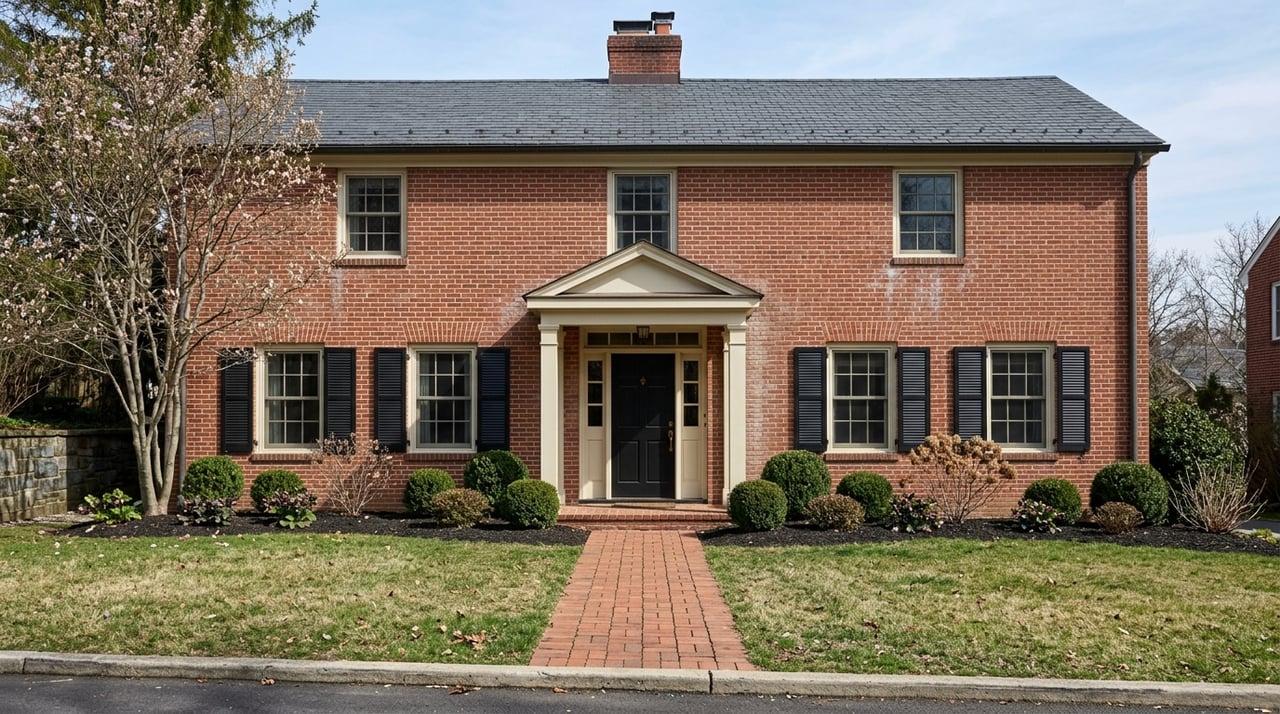
Georgetown is not a typical luxury market. The neighborhood is known for historic brick and frame row houses, federal-style architecture, cobblestone streets, and grand estates, which means buyers are responding to both the home itself and the surrounding streetscape.
That context matters when you prepare to sell. The Georgetown Historic District was created in 1950 and was the first historic district in Washington. Exterior work is often reviewed under the Old Georgetown Act, with oversight involving the Commission of Fine Arts, the Old Georgetown Board, and in some cases DC historic preservation staff and review bodies.
For you as a seller, the takeaway is simple: visible exterior projects can take time. The Old Georgetown Board meets monthly, and final action is not complete until the Commission of Fine Arts approves the Old Georgetown Appendix. If you are considering updates to windows, doors, porches, roof decks, or additions, it is wise to check preservation requirements early.
Start with updates buyers notice most
If your goal is to make a strong impression without creating avoidable delays, start inside the home. DC preservation rules generally exempt interior alterations, ordinary maintenance, painting, and some landscaping from review, which makes these updates more practical for near-term sellers.
National 2025 staging data offers a useful benchmark for where buyers focus first. The living room, primary bedroom, and kitchen ranked as the most important rooms, and staging helped 83% of buyers’ agent clients visualize a property as a future home. In the same survey, 17% of buyers’ agents said staging increased offers by 1% to 5%.
That does not guarantee a specific result for a Georgetown property, but it does point to a clear priority list. In most cases, it makes more sense to improve how the home shows than to begin a late-stage major remodel.
High-impact interior updates
The most effective pre-sale improvements are often straightforward and presentation-driven:
- Fresh paint in a clean, cohesive palette
- Floor touch-ups or refinishing where needed
- Deep cleaning throughout the home
- Decluttering and editing furnishings
- Better lighting in dim rooms or hallways
- Organized closets and storage areas
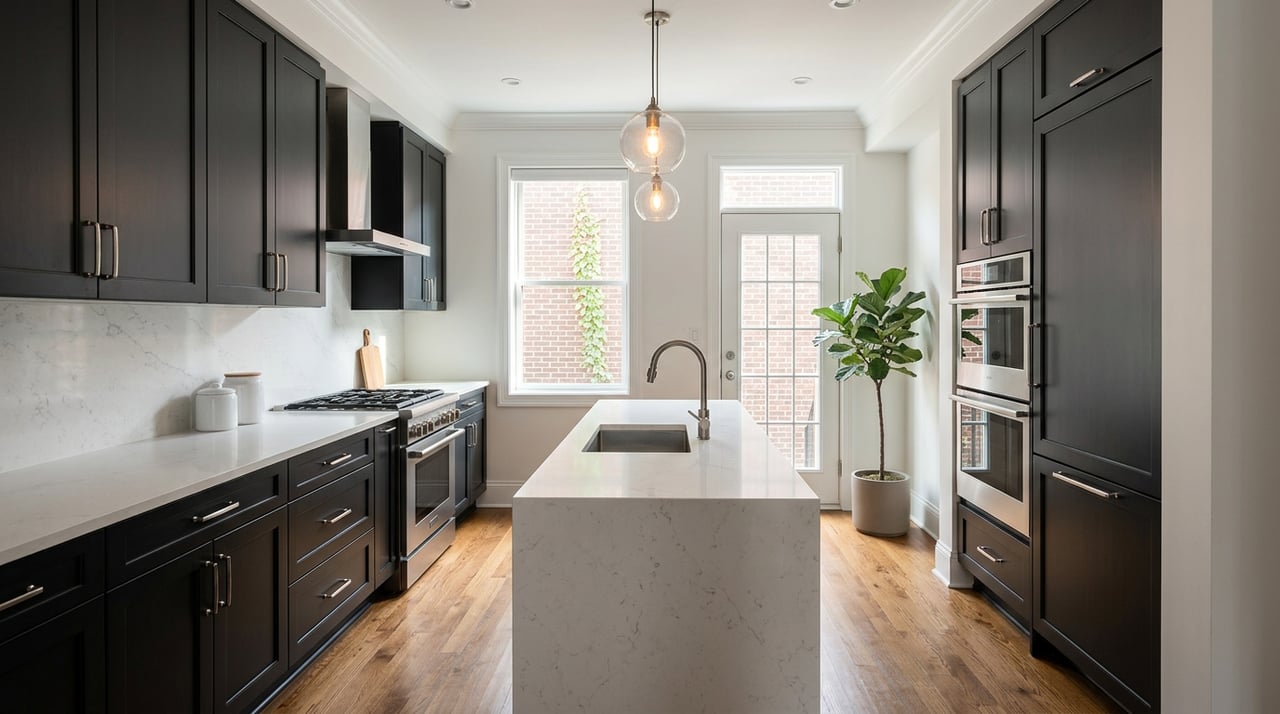
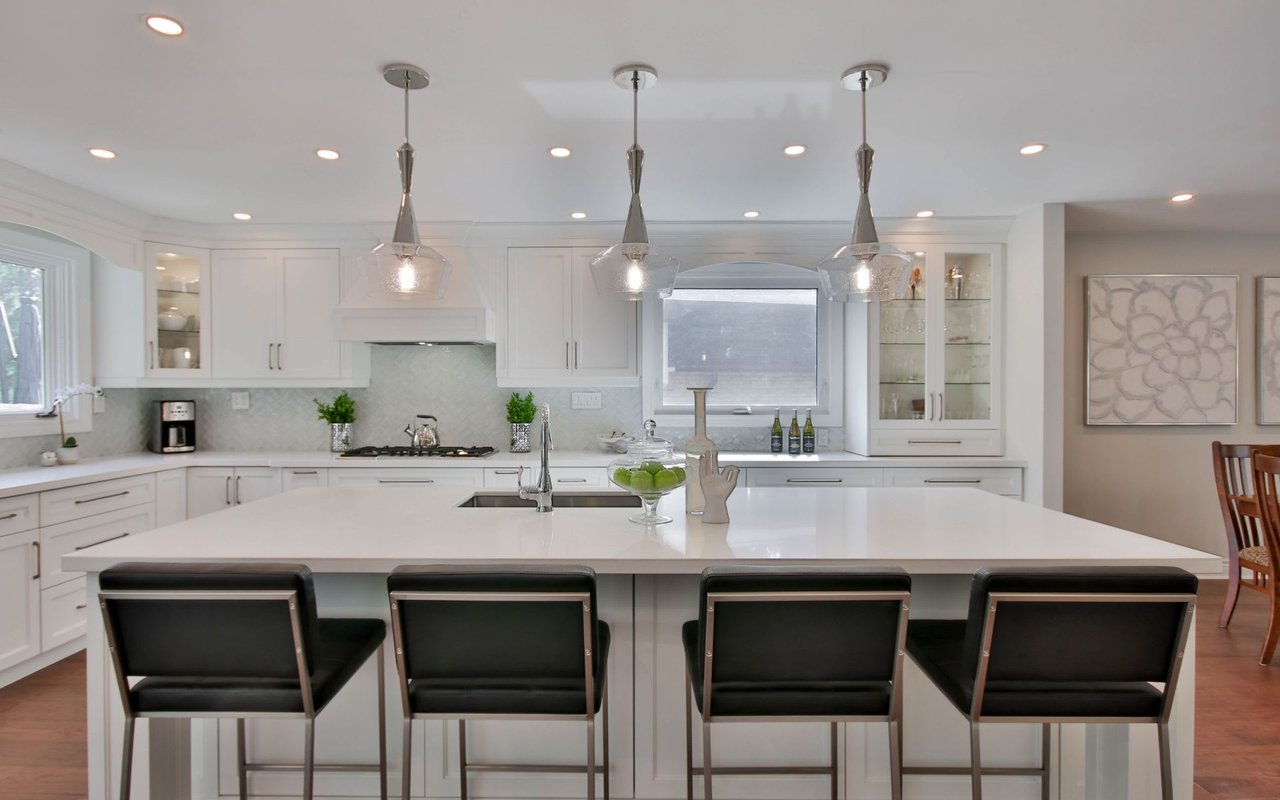
- Modest kitchen refreshes
- Modest bathroom refreshes
These updates help your home feel move-in ready while preserving the historic character that buyers expect in Georgetown. They also tend to be easier to complete on a shorter timeline.
Be cautious with exterior changes
Exterior improvements can absolutely matter, but in Georgetown they require more planning. Work that affects features visible from public space may need review, and Georgetown’s rules can be more restrictive than standard DC historic district rules.
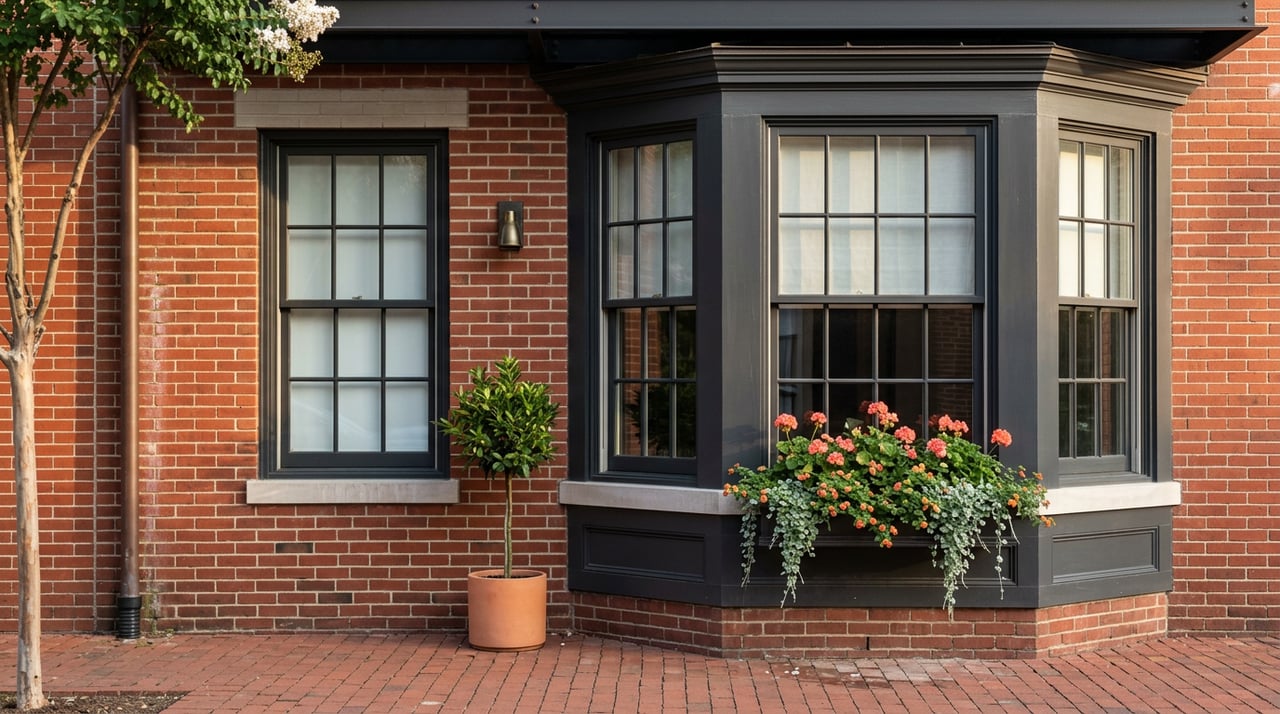
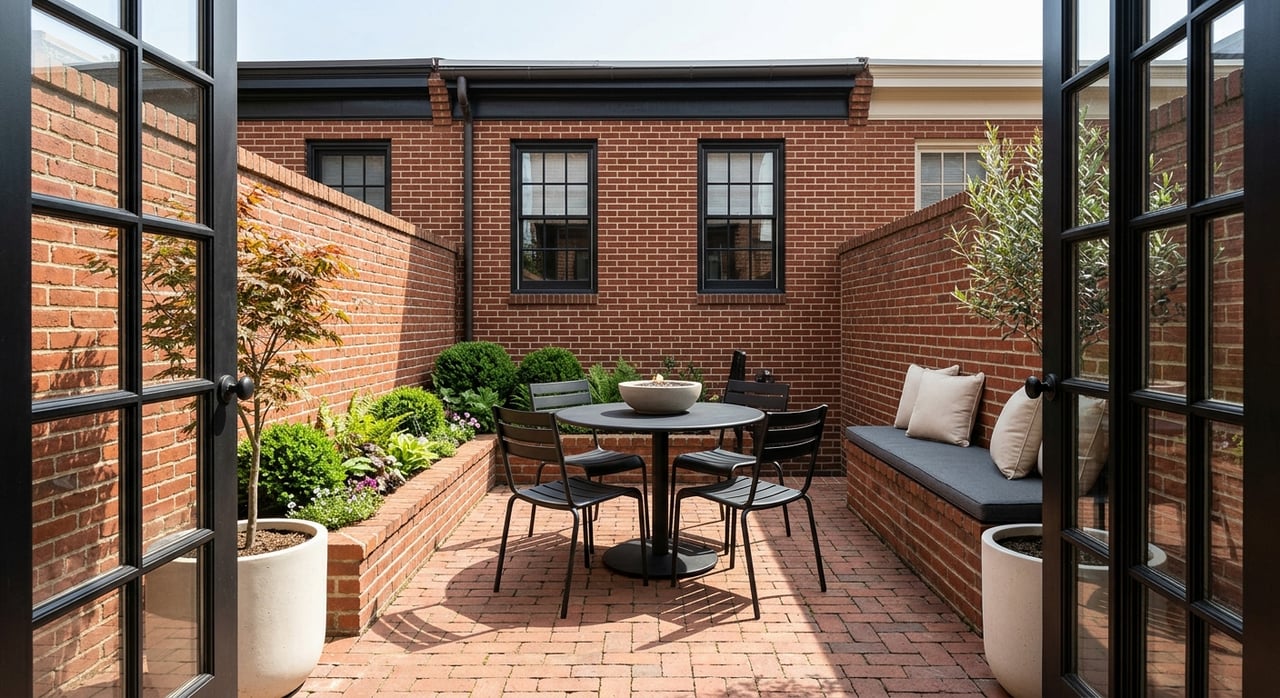
That means even well-intentioned projects can create scheduling pressure if you start too late. Window replacement, front door changes, porch reconstruction, visible roof additions or decks, and substantial additions should be evaluated early before you commit to contractors or a target list date.
Exterior work to review early
If your scope includes any of the following, check first:
- Window replacement
- Door replacement
- Porch work or reconstruction
- Roof deck changes visible from the street
- Additions
- Other front-facing alterations
The preservation review process is also designed to provide early guidance and technical assistance. In some cases, in-kind repair and replacement, small additions, and minor alterations that do not affect historic character can be approved quickly, with some minor approvals typically turned around within 1 to 3 days.
Focus on a historically respectful presentation
In Georgetown, luxury buyers often respond best to homes that feel polished, cared for, and true to their setting. That does not mean your home must feel old-fashioned. It means the updates should support the architecture rather than compete with it.
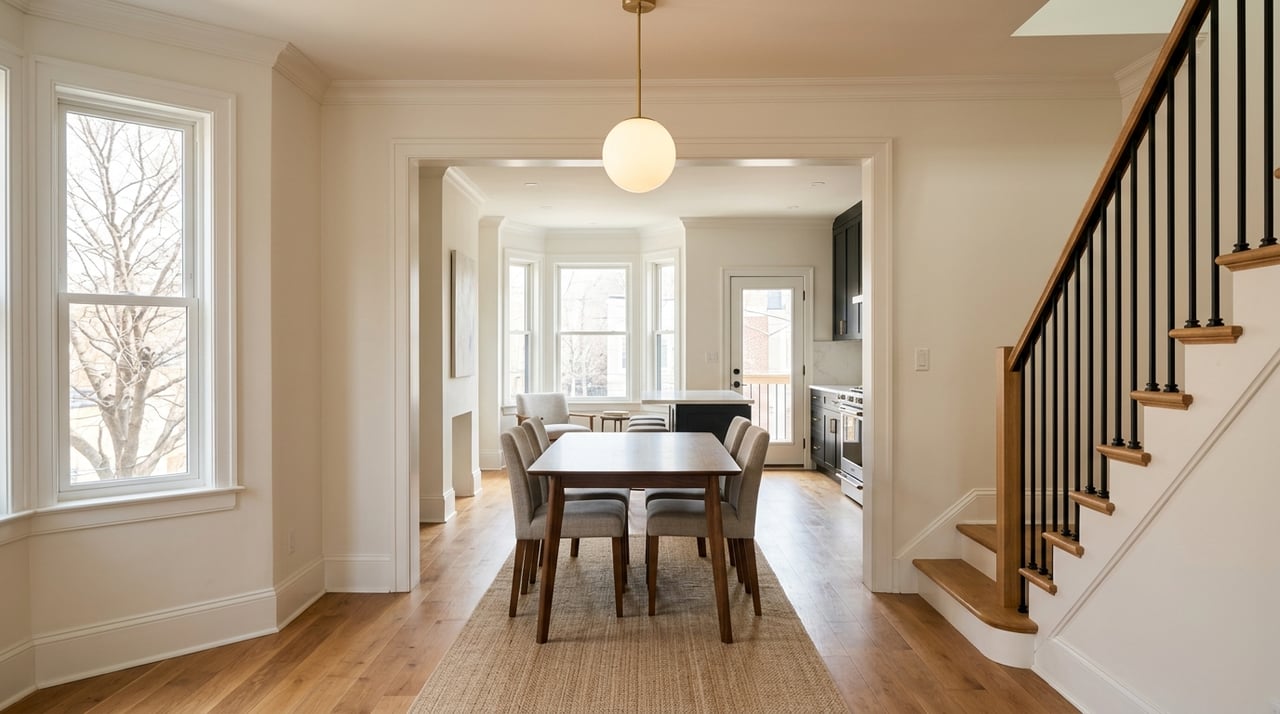
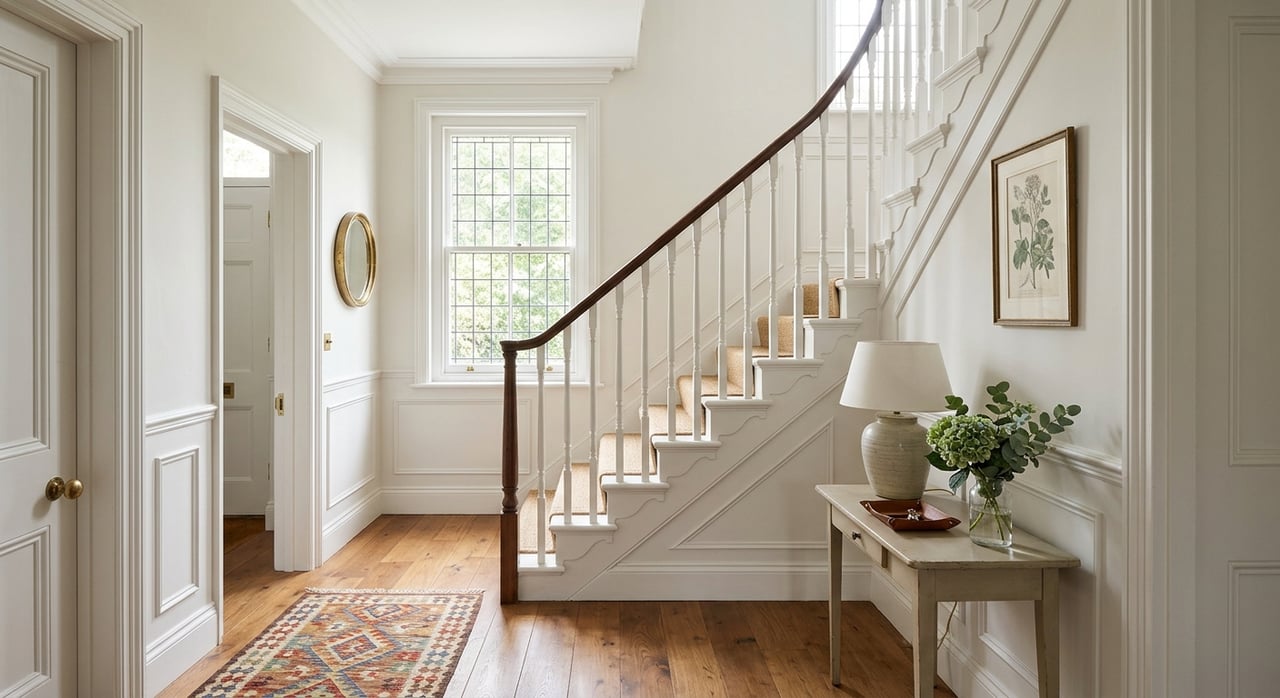
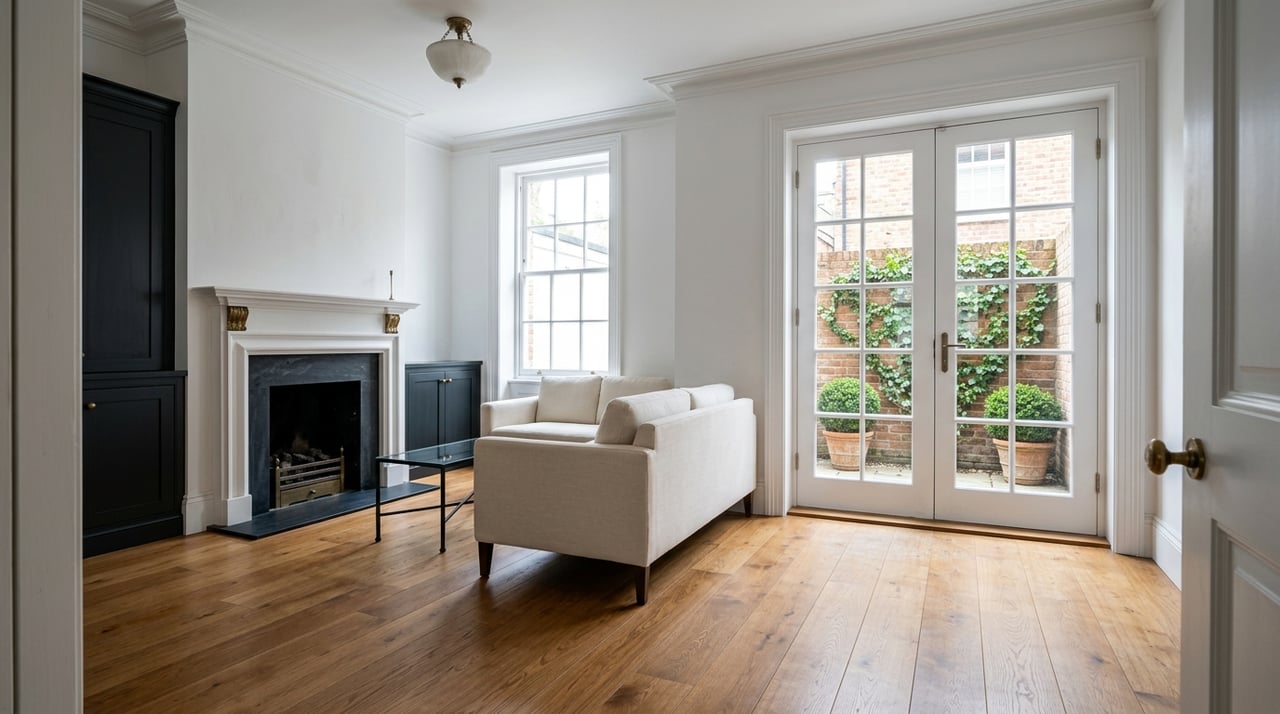
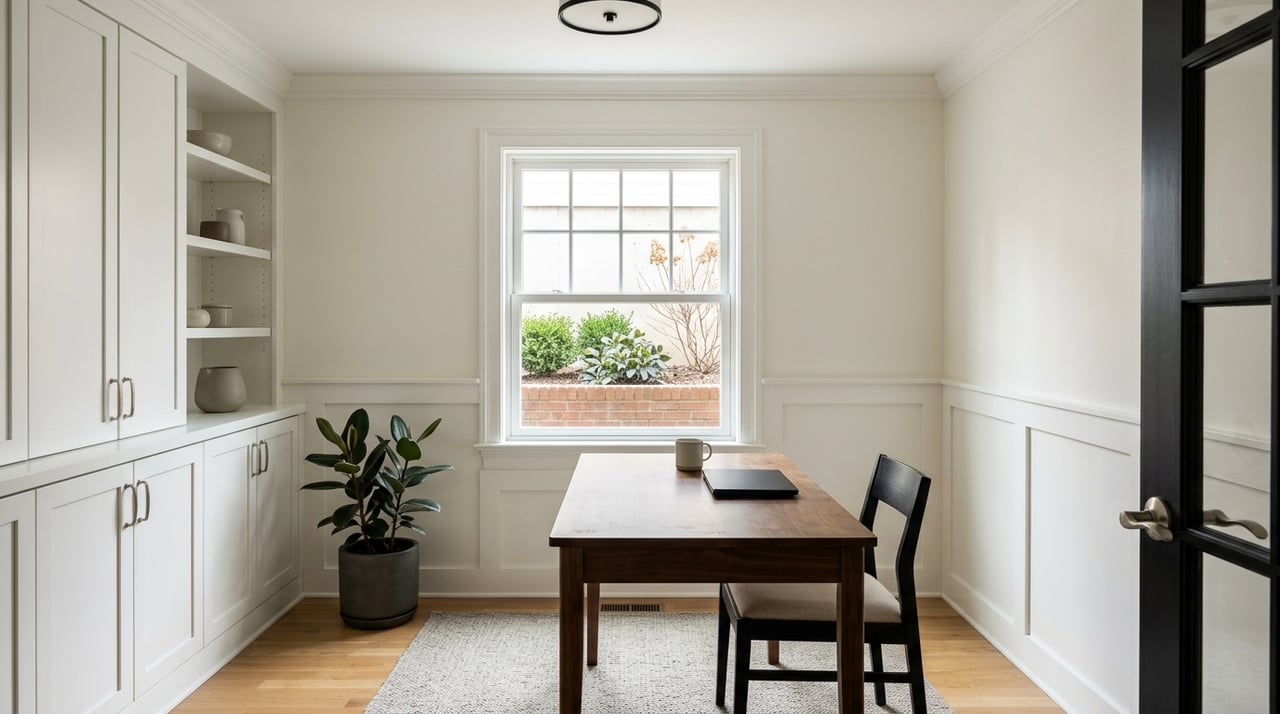
A bright, freshly painted interior, well-maintained hardwood floors, clean-lined staging, and updated lighting can make a historic home feel current without erasing its identity. This is especially important in a neighborhood where architectural continuity and curb appeal are part of the value story.
Instead of asking, “What can I renovate?” it may be more useful to ask, “What will help this home feel elegant, functional, and ready for its next owner?” That mindset usually leads to smarter spending.
Staging and media are not optional extras
For Georgetown luxury homes, staging and listing media should be treated as part of the product. According to the 2025 staging survey, photos ranked highest in importance, and buyers and sellers also placed strong value on video, virtual tours, and physical staging.
That matters because many buyers will form their first impression online. Before they notice your home’s room sizes or finish details in person, they will notice the quality of the presentation.
Where staging matters most
The data points to four spaces that deserve special attention:
- Living room
- Primary bedroom
- Dining room
- Kitchen
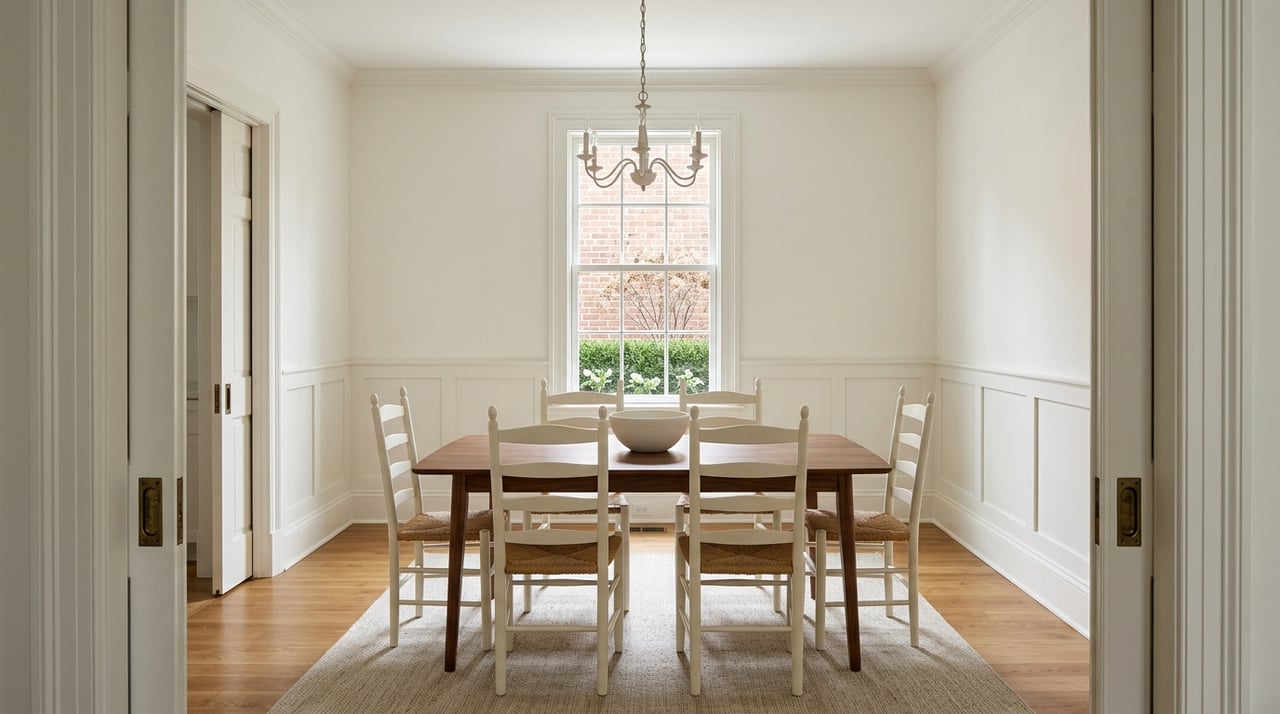
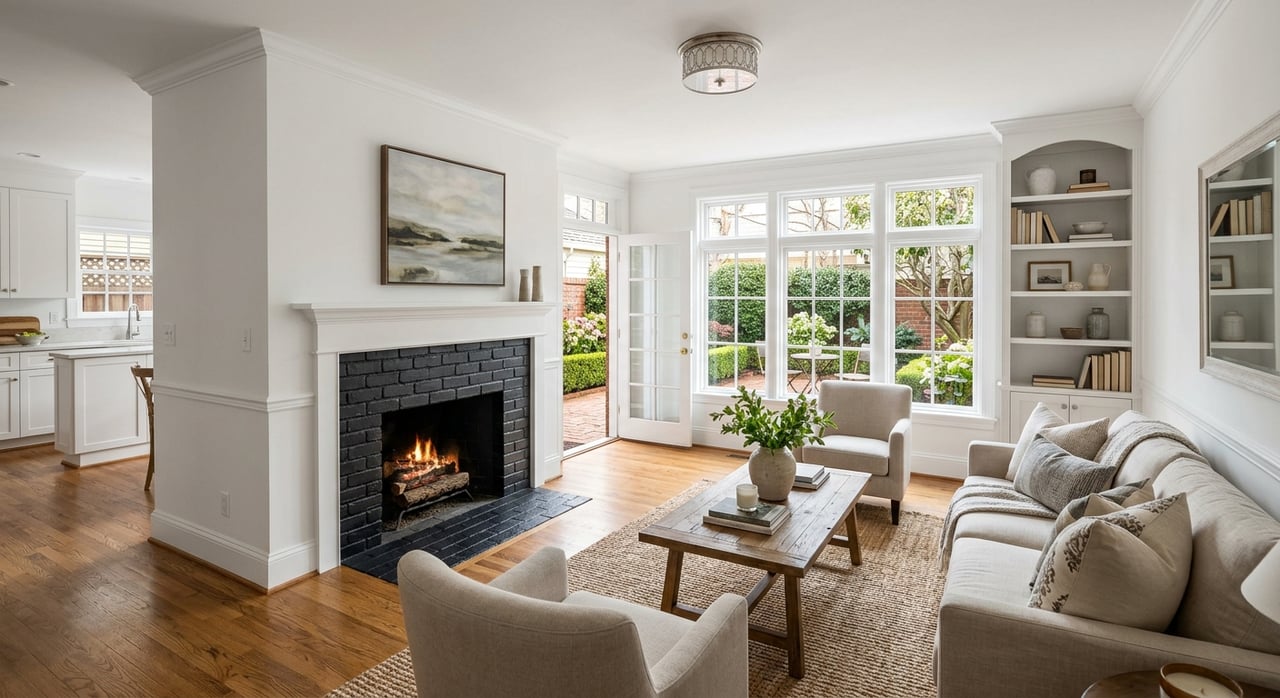
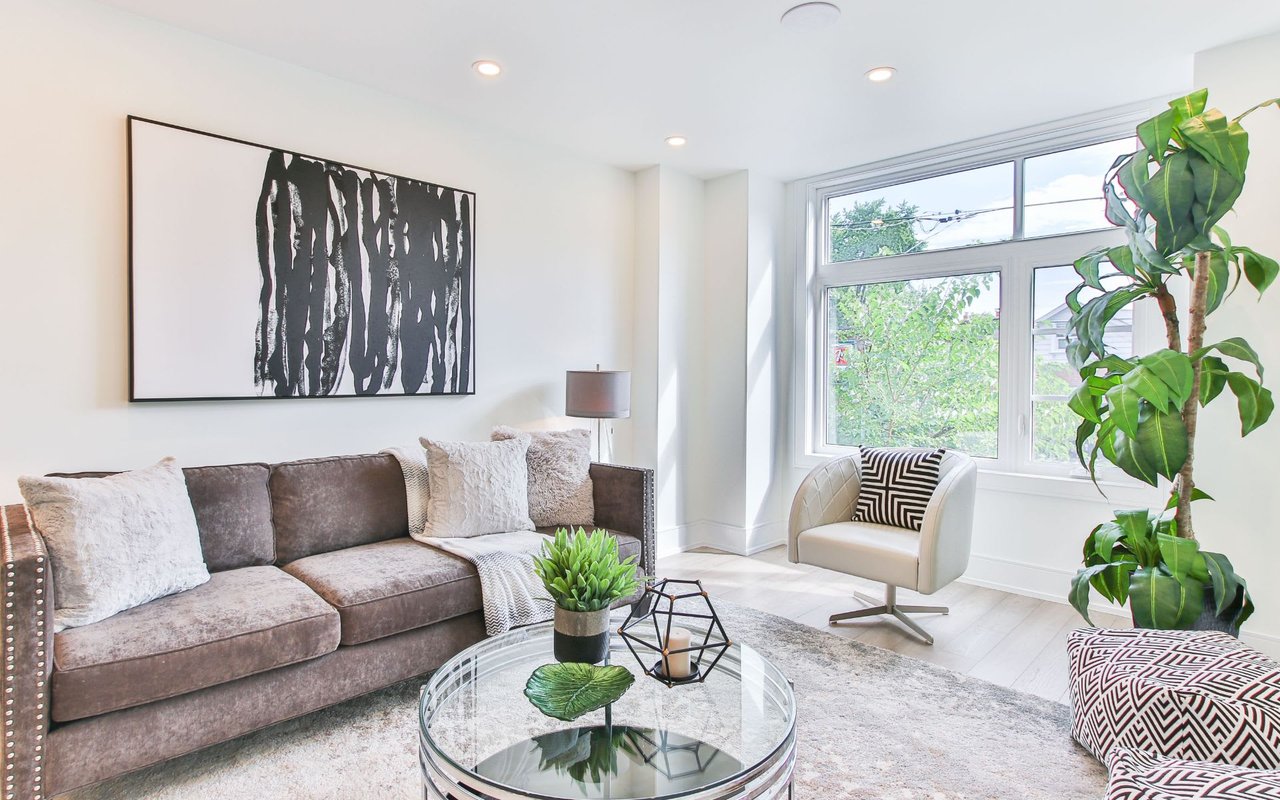
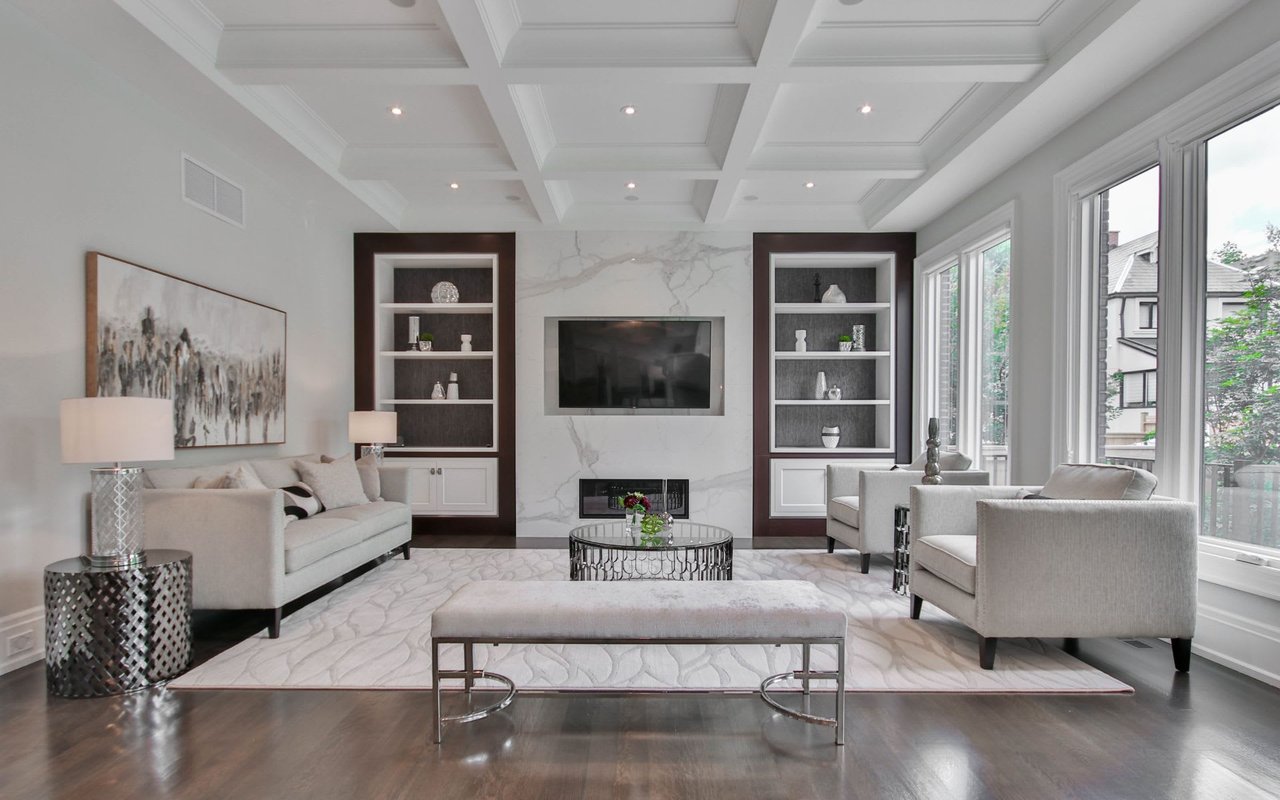
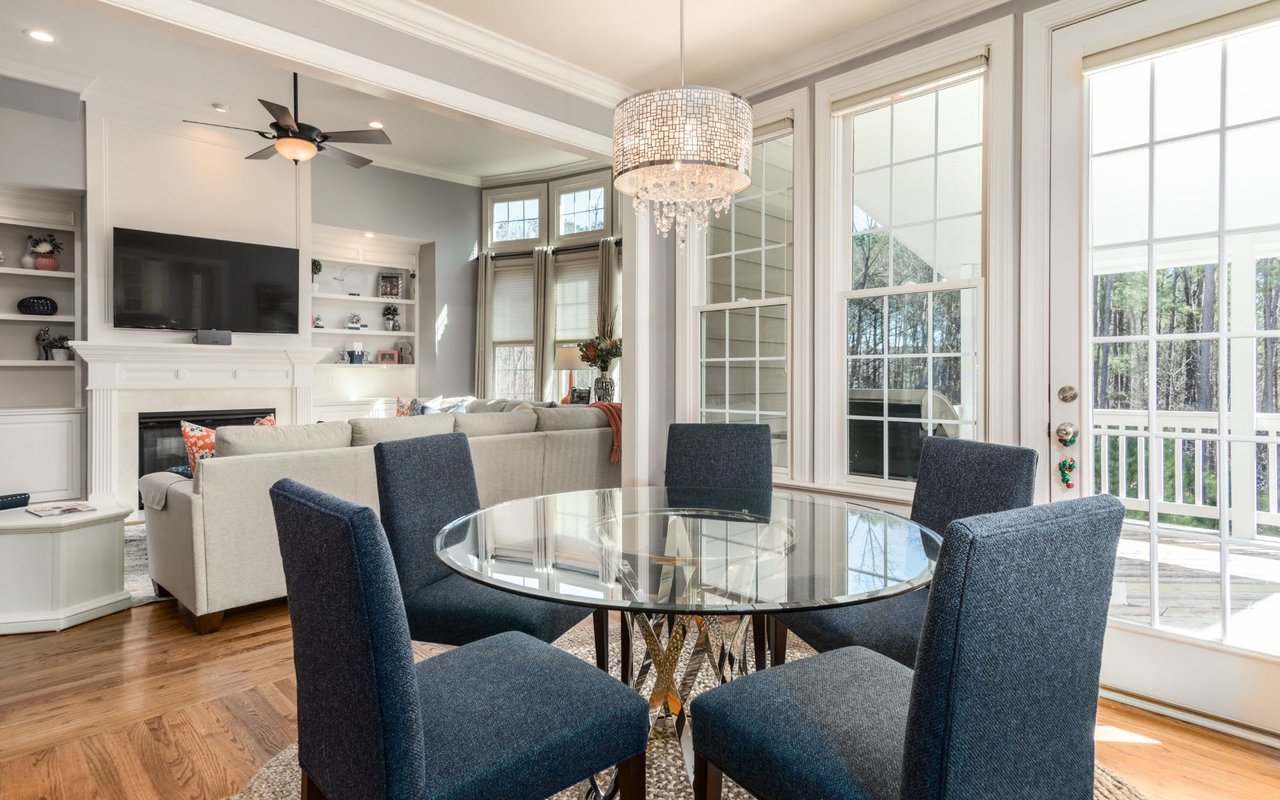
These are the spaces most often staged and among the most important to buyers. In a Georgetown home, thoughtful staging can also help balance scale, highlight period details, and create flow between formal and everyday living spaces.
Why polished media matters
Professional photography, video, and virtual tours support the same goal: helping buyers understand the home before they visit. For luxury listings especially, polished media can shape the level of interest from the start.
Infinity Group’s marketing approach aligns with this reality through curated presentation, professional photography, virtual tours, and staging support. In a high-expectation market like Georgetown, that level of execution is part of positioning your home well.
Use a smart sequence for pre-sale work
One of the biggest mistakes sellers make is doing the right work in the wrong order. In Georgetown, sequencing matters because preservation review, contractor timing, staging, and media all affect your launch window.
A practical approach is to handle approvals first if any exterior scope is involved, then complete repairs and cosmetic improvements, then stage, and finally schedule photography and video just before the listing goes live.
A practical Georgetown pre-sale sequence
- Confirm whether any planned work affects visible exterior features.
- Seek early guidance if preservation review may apply.
- Complete minor repairs and cosmetic interior updates.
- Finish cleaning, decluttering, and storage organization.
- Stage key rooms once work is complete.
- Schedule professional photography, video, and virtual tours.
- Launch with the home fully prepared.
This order helps reduce wasted effort and supports a cleaner market debut. It also avoids the common issue of photographing a home before it is truly ready.
How Concierge-style funding can help
Some sellers want to make presentation upgrades but prefer not to pay all costs upfront. Compass states that its Concierge program fronts the cost of certain home improvement services with zero due until closing, and repayment occurs when the home sells, the listing ends, or 12 months pass. Compass also notes that depending on the state, fees or interest may apply, and results vary by property.
Compass lists eligible services such as staging, flooring, painting, deep cleaning, decluttering, cosmetic renovations, landscaping, moving and storage, kitchen improvements, bathroom improvements, and more. For Georgetown sellers, that can be especially useful when the goal is to complete high-impact pre-sale work without disrupting liquidity.
It is still important to remember that funding a project does not change preservation requirements. If the scope touches exterior features that may require review, that step should happen early.
Where to spend pre-listing dollars first
If you are trying to prioritize, focus on the updates that improve condition, clarity, and photography. In many Georgetown luxury sales, the biggest win comes from making the home feel clean, bright, organized, and aligned with buyer expectations.
A sensible spending order often looks like this:
- Repairs that affect visible condition
- Paint and flooring improvements
- Deep cleaning and decluttering
- Lighting upgrades
- Staging
- Professional photography, video, and virtual tours
Larger remodels may make sense in some situations, but they are not automatically the best use of time or money before a sale. In a historic neighborhood, a carefully edited presentation often outperforms a rushed construction project.
The goal is confidence at launch
The best pre-sale update plan gives you two things: a home that shows beautifully and a launch timeline you can trust. In Georgetown, that usually means respecting preservation rules, focusing on high-visibility interior improvements, and investing in staging and media that match the level of the property.
With the right strategy, you do not need to over-improve. You need to present your home with care, discipline, and a clear understanding of what this market values. If you are preparing to sell in Georgetown and want a tailored plan for updates, staging, and launch timing, request a private market consultation with Infinity Group.
FAQs
What pre-sale updates matter most for a Georgetown luxury home?
- For many Georgetown sellers, the highest-impact updates are fresh paint, floor touch-ups or refinishing, deep cleaning, decluttering, lighting improvements, organized storage, and modest kitchen or bathroom refreshes.
What Georgetown home projects may need historic review before listing?
- Projects that affect visible exterior features, such as window replacement, door replacement, porch work, visible roof deck changes, and additions, should be checked early against Georgetown preservation rules.
Is staging worth it for a Georgetown luxury listing?
- National 2025 staging data found that staging helped 83% of buyers’ agent clients visualize a property as a future home, and key rooms included the living room, primary bedroom, dining room, and kitchen.
When should photography and virtual tours happen for a Georgetown home sale?
- Professional photography, video, and virtual tours are best scheduled after repairs, cosmetic updates, cleaning, and staging are complete so the home is fully ready for launch.
Can Compass Concierge help with Georgetown pre-sale improvements?
- Compass says Concierge can front the cost of eligible home improvement services with repayment due when the home sells, the listing ends, or 12 months pass, though fees or interest may apply depending on the state.