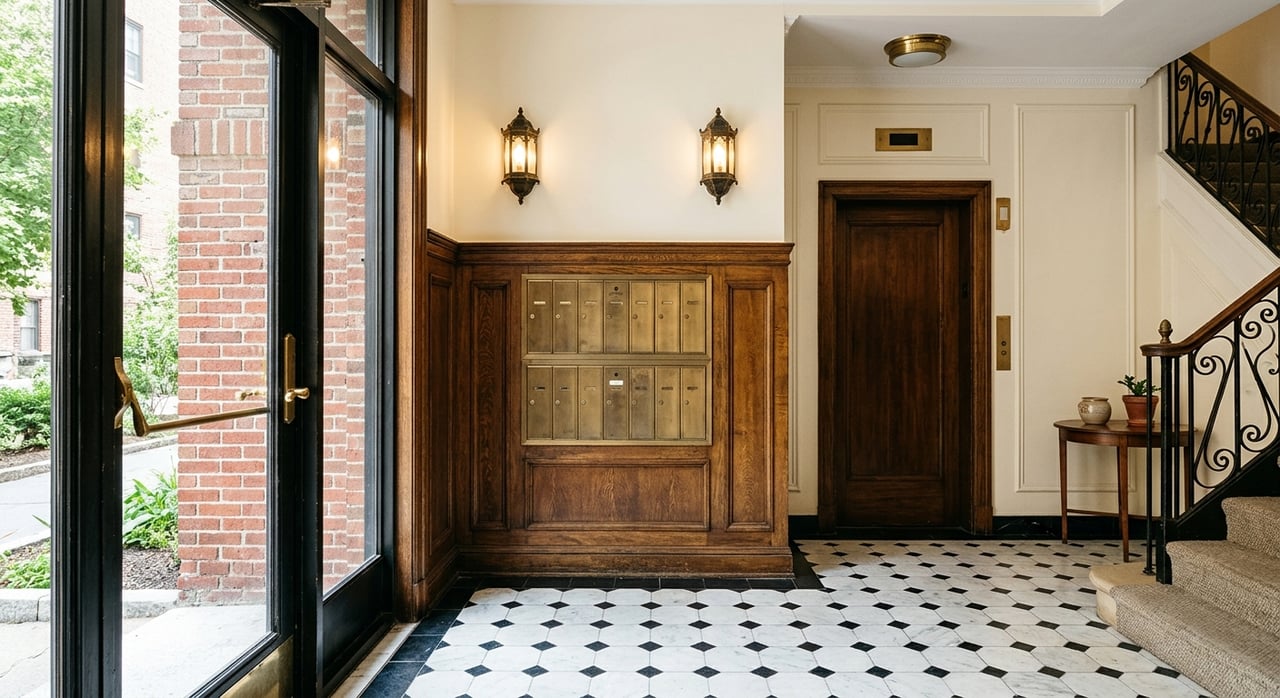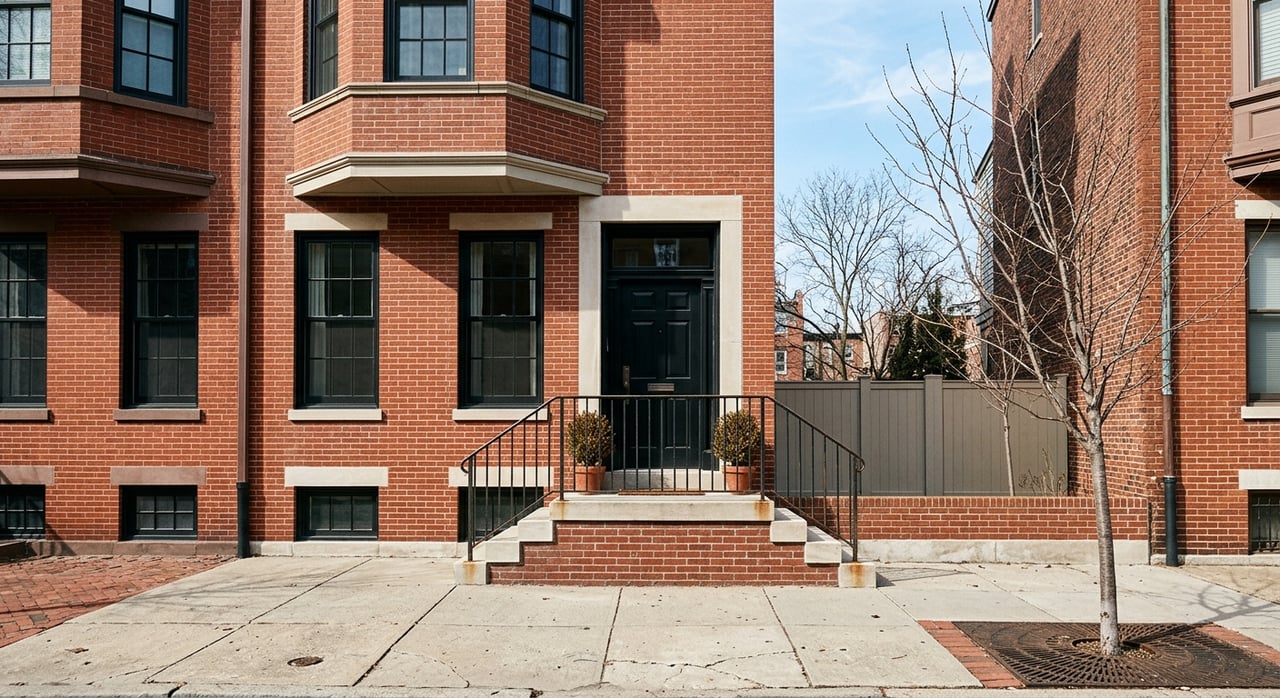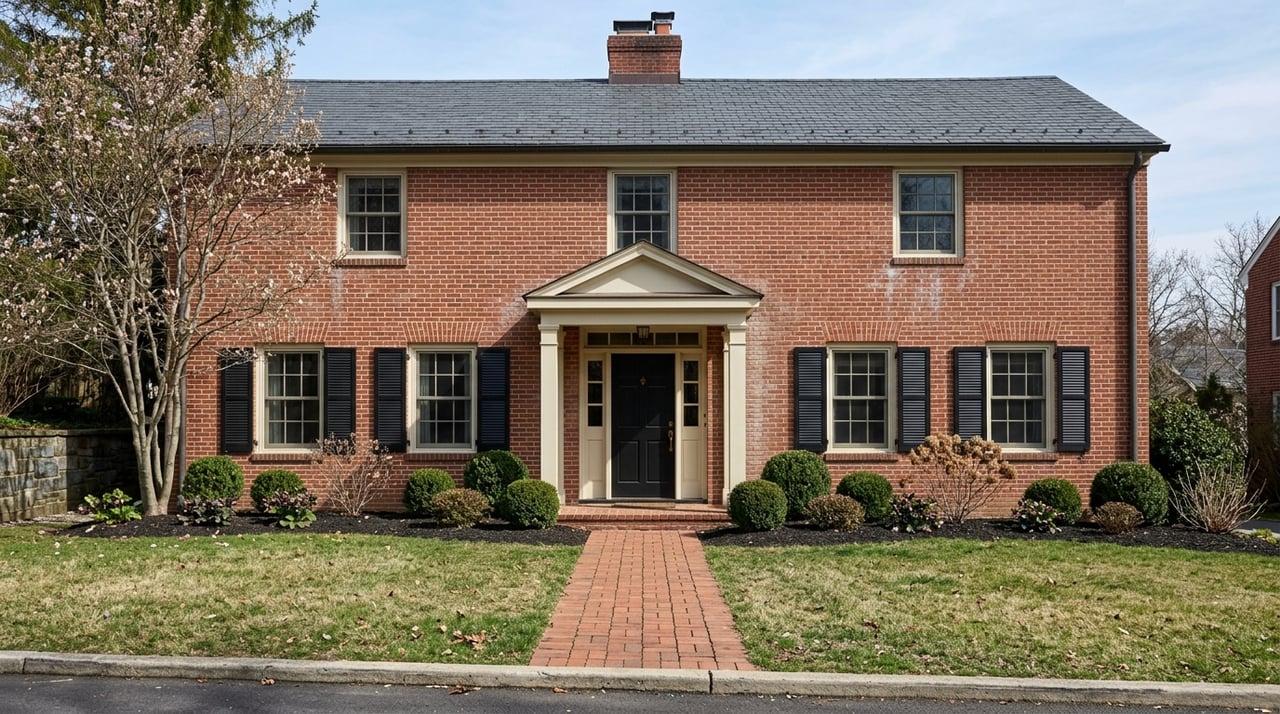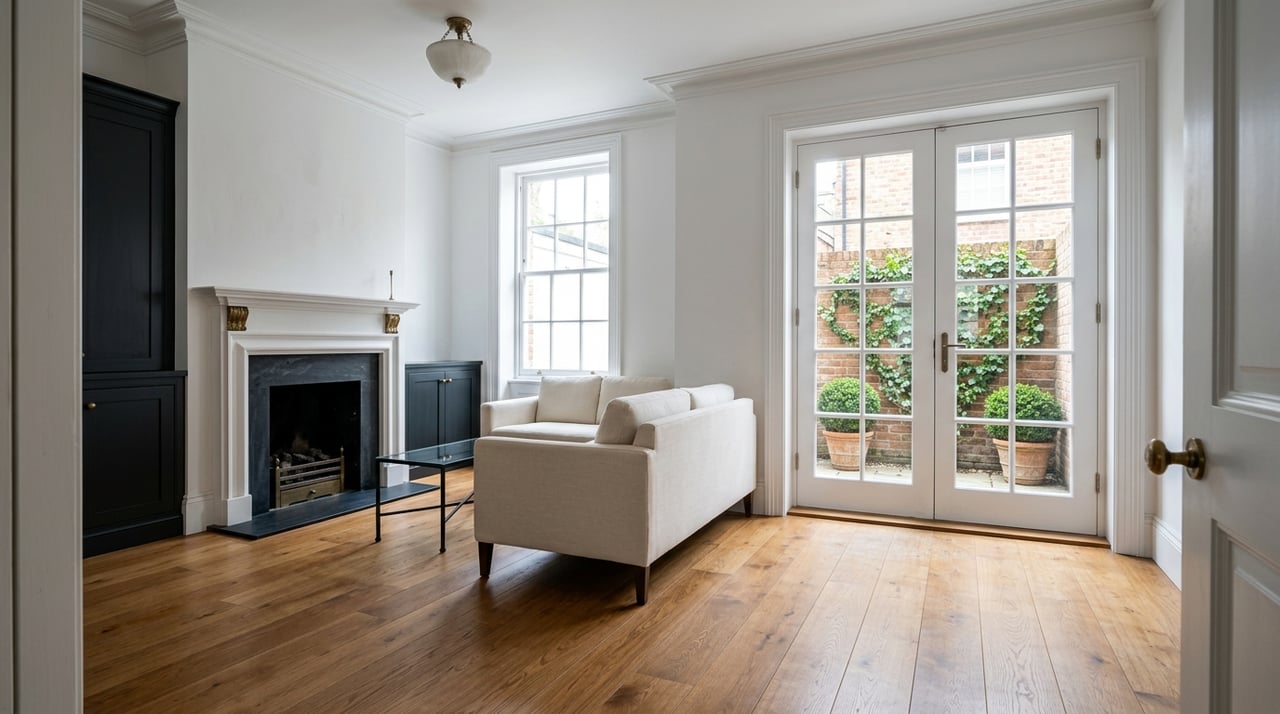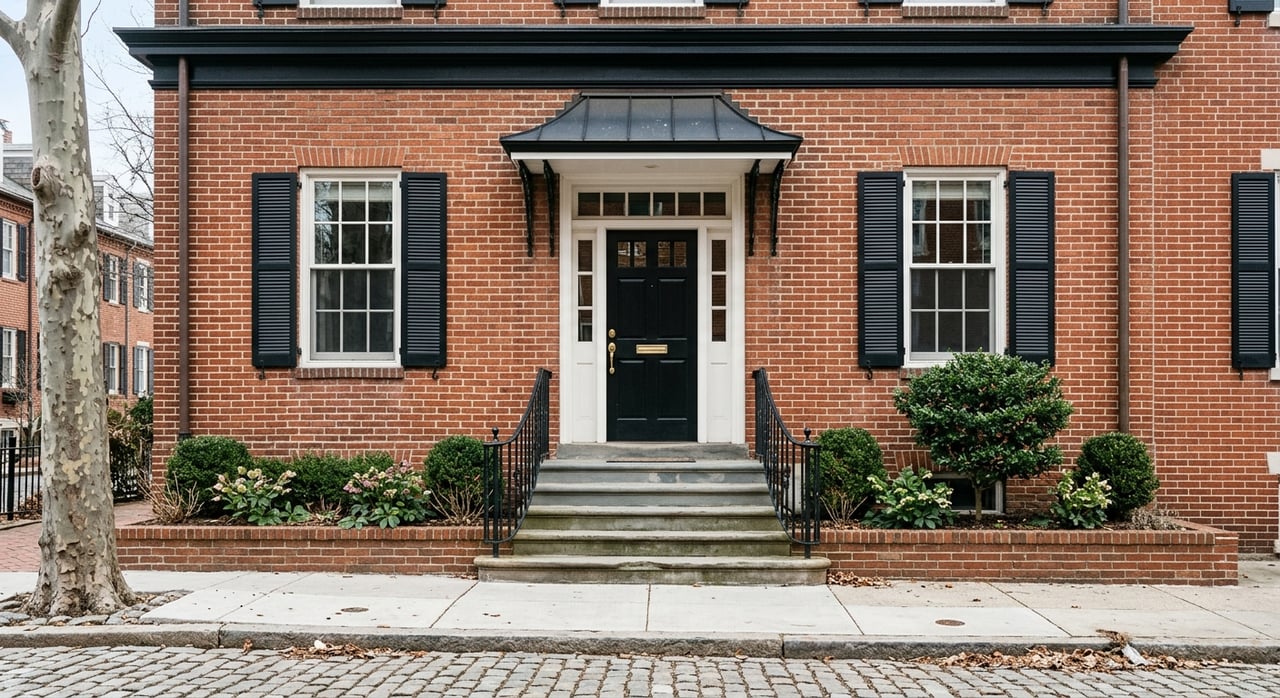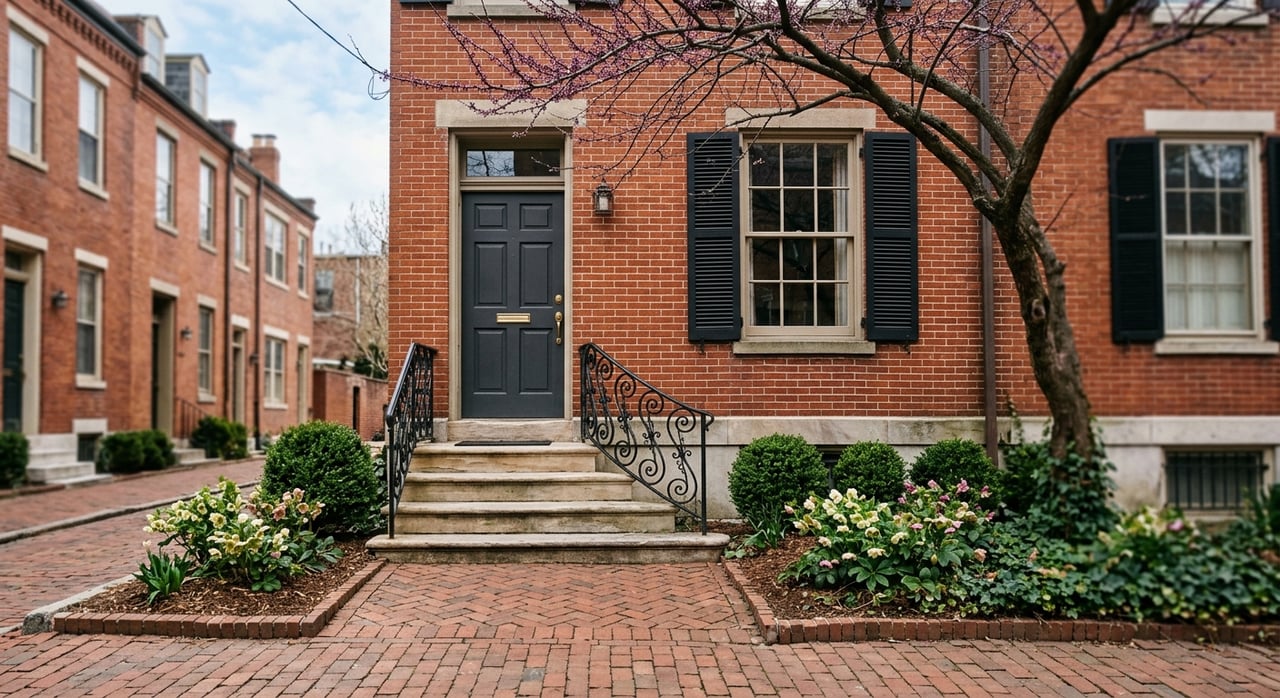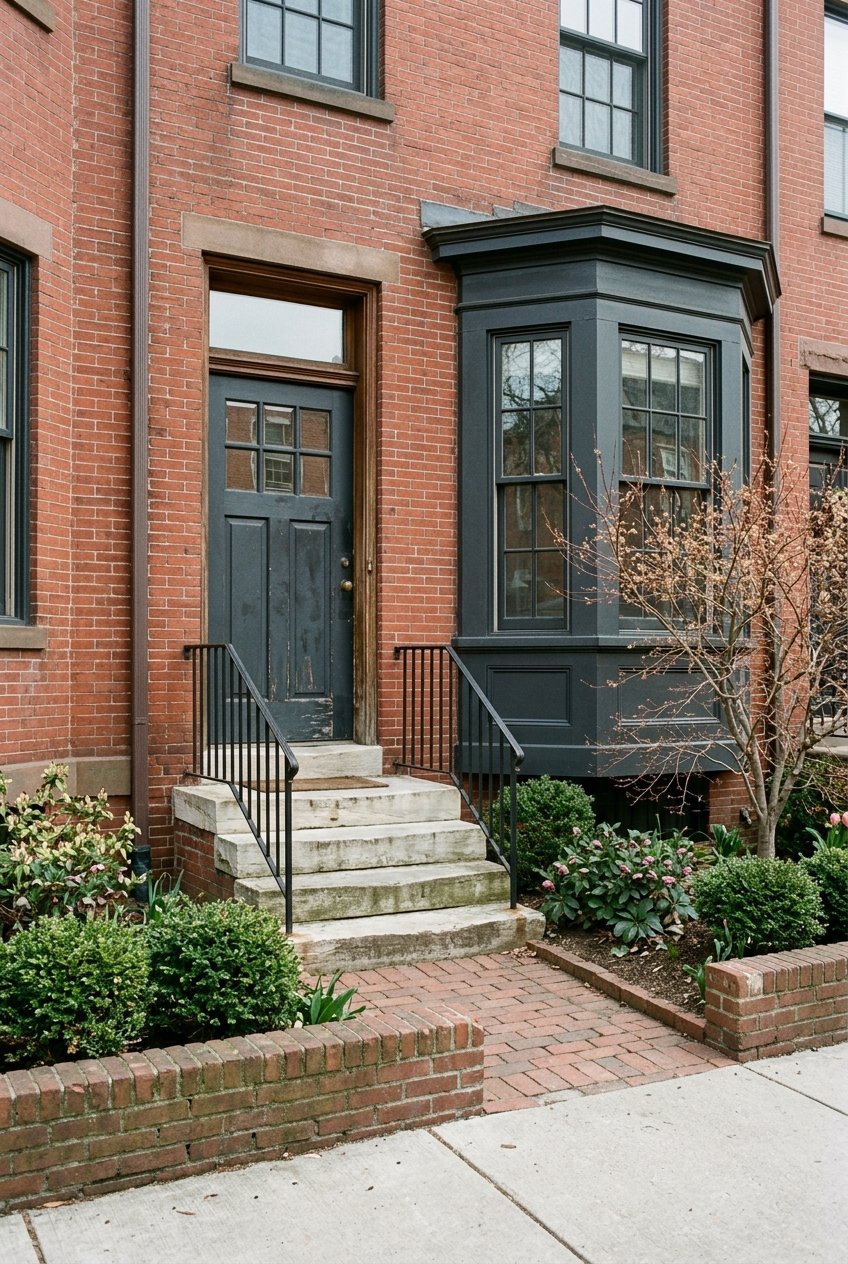
Ask whether Georgetown got more expensive this year and the honest answer depends on which door you're standing behind. Walk into a unit at the Four Seasons Private Residences and you're looking at a price that just broke the region's condo record. Walk into almost anything else currently listed in the neighborhood and the per-square-foot math has been sliding for months. Both facts are true in the same zip code, in the same month, and neither one cancels the other out.
The Record That Doesn't Show Up on a Comp Sheet
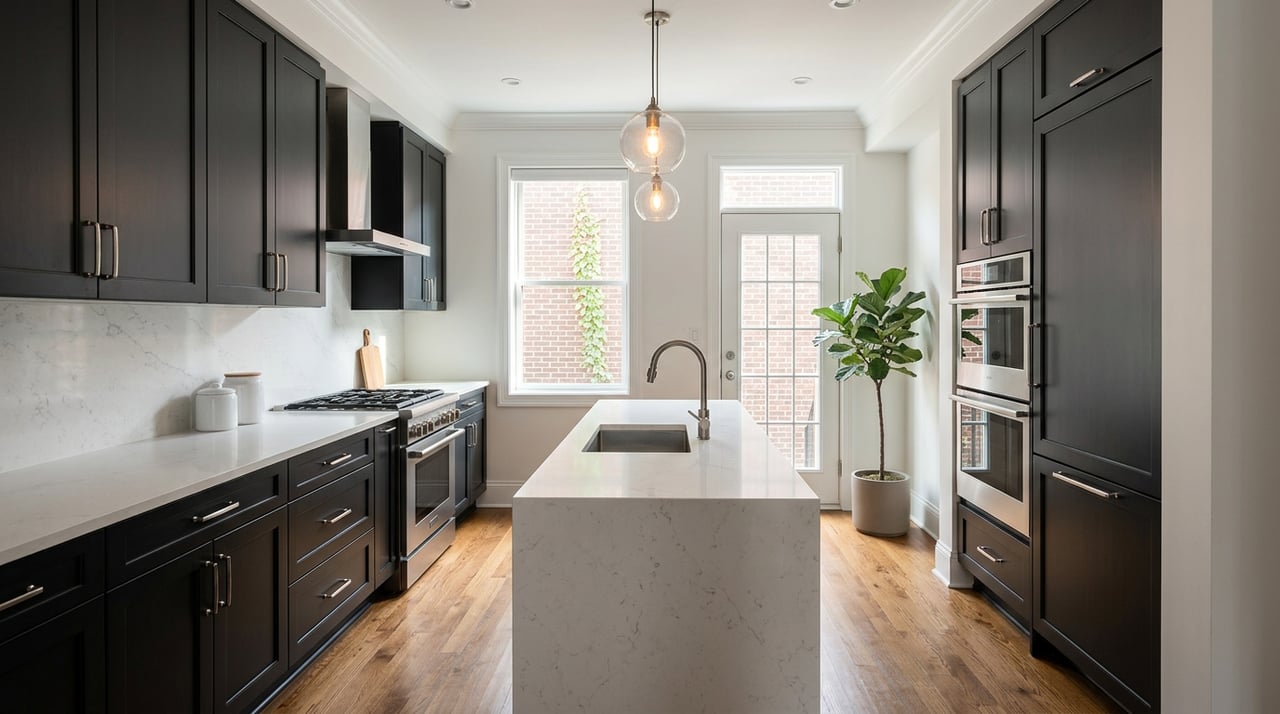
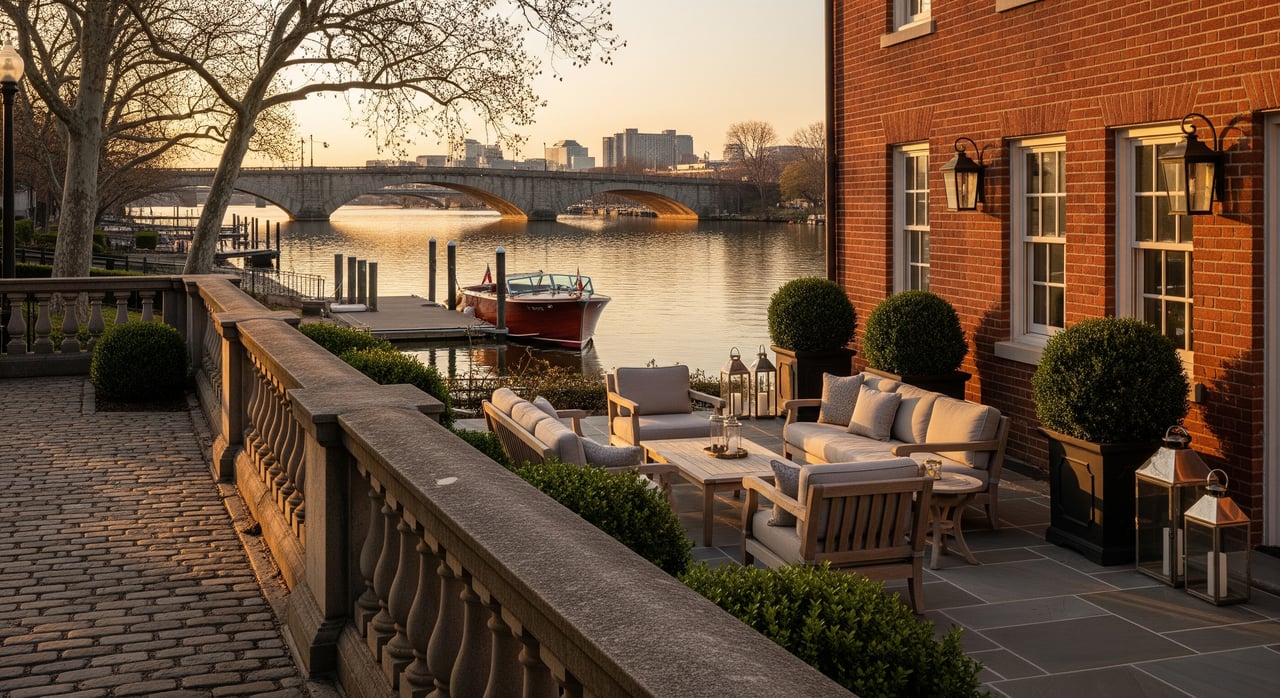
The Four Seasons Private Residences sit at 1051 29th Street NW, on the site of the old Georgetown West Heating Plant, a two-acre parcel the Levy Group purchased at auction for $19.5 million back in 2013. Thirteen years, a $300 million build-out, and a design team that includes SLCE Architects, interior work by Ingrao Inc, and landscaping by Laurie Olin's firm later, the 70-unit building is delivering in 2026.
Sales started before construction finished. Axios reported in 2025 that several units had already closed above $3,000 per square foot, with an average sale price around $5.4 million. That broke the previous condo price-per-square-foot record for the region, $1,998, which had stood on Bright MLS data. The detail that matters for anyone trying to read the market: Bright MLS only tracks sales that go through an agent and get entered into the system. Sales made directly from a developer to a buyer, which is how a lot of Four Seasons units moved, never show up in that dataset at all.
That means the number that just reset the ceiling for Georgetown condos is largely invisible in the exact portals most buyers check to gauge whether the neighborhood is getting more or less expensive.
Seven Projects, One Construction Season
The Four Seasons isn't an isolated event. The Georgetowner's July 2026 look at the neighborhood's commercial real estate activity counted a cluster of projects converging on the same few blocks at the same time.
EastBanc is building the Miradoro at 2715 Pennsylvania Avenue NW, a seven-unit building designed by Portuguese architect Eduardo Souto de Moura, his first project in the United States. A few blocks away, the four-building Flour Mill complex at 1000 Potomac Street NW, a structure dating to 1847 that spent decades as office space, is being converted into 135 residential units. Rockpoint, LCOR, and Potomac Investment Properties have consolidated ownership of 1000 and 1050 Thomas Jefferson Street NW to build out 299 apartments across 349,000 square feet, described as the largest multifamily project in Georgetown in years. On K Street, One Street Commercial Properties is turning the former Legal Services Corporation building at 3333 K into a 30-unit residential building with retail on the ground floor. The same developer is adding four large-format luxury units, each four to five thousand square feet, at 1048 29th Street NW.
Two more projects are still in the pipeline rather than under construction. Fortis Companies has a mixed-use development with nine townhouses planned around a courtyard off S Street, targeting a fall 2027 debut. Altus Realty Partners is proposing a five-story building with 21 units at 3601 M Street NW, next to the Exorcist Steps, fifteen years after the project first went before the Old Georgetown Board.
Add it up and Georgetown is absorbing new supply across nearly every price point at once: a handful of hotel-branded ultra-luxury condos, over 400 new apartment and condo units in conversions, and a small run of ultra-high-end townhouses still a year out. That is not the profile of a neighborhood adding one kind of housing. It's the profile of a neighborhood adding several markets simultaneously.
Two Numbers, Same Neighborhood, Same Month
Here's where the portal data gets confusing if you only look at one source.
Redfin's closed-sale figures for the three months ending August 2026 put Georgetown's median sold price at $1.7 million, up 7.6 percent from the same period a year earlier. The average sale price for August alone was also $1.7 million, up 10.8 percent year over year, with homes selling in an average of 37 days compared to 42 days the year before. Eighty-eight homes sold in August 2026, up from 72 the year prior.
Movoto's listing-side data for September 2026 tells a different story. The median list price that month was $1.44 million, down 2 percent from both August 2026 and September 2025. Price per square foot came in at $767, down 13 to 14 percent year over year. Median days on market fell to 57, a 17 percent drop from the year before.
Read in isolation, either number supports a clean narrative. Read together, they don't reconcile easily, and that's the point. Redfin's figures track what actually closed on the resale side, largely the neighborhood's historic rowhouse and townhouse stock, where inventory is fixed by the built environment and can't expand. Movoto's figures track what's currently listed for sale across the full mix, which now includes smaller condo conversions and units in buildings still working through initial lease-up and sales, priced to move rather than priced to set records.
Homes.com's separate condo-specific snapshot for June 2026 showed a median home price of $1,675,000 and an average sale price of $2,090,531, with 25 condos then listed between $310,000 and $4,000,000. That spread alone shows how wide the range has become. A studio at the low end and a Four Seasons unit at the high end are technically in the same market, but they are not competing for the same buyer or telling the same pricing story.
Why Scarcity and Oversupply Are Happening at Once
The mechanism isn't complicated once you separate the segments. Georgetown's historic rowhouse and single-family stock is fixed. The Old Georgetown Board's design review and the neighborhood's status as a National Historic Landmark District mean nobody is adding meaningfully to that supply. When demand holds steady against a supply that can't grow, closed prices climb, which is exactly what Redfin's sold data shows.
The condo and apartment side is a different animal entirely. Flour Mill, the Thomas Jefferson Street conversion, 3333 K Street, and the Miradoro are all adding new units to a segment that can expand, because conversions and infill sites aren't bound by the same scarcity as a 19th-century rowhouse block. When several hundred new units hit the market inside the same year, even at strong individual price points, they widen the pool that Movoto's blended average is drawing from. A neighborhood absorbing that much new condo inventory at once will often see its blended per-square-foot figure soften even while its scarce, non-reproducible housing stock keeps appreciating.
The Four Seasons sits outside both of these trends. It's neither part of the fixed rowhouse supply nor part of the broader condo pool most buyers are comparing against, because a meaningful share of its sales never entered the MLS-fed data at all. It set the record and stayed largely invisible to the number most people check to see if a record was set.
What This Means If You're Comparing Neighborhoods
If you're weighing Georgetown against another DMV neighborhood using a single median or a single price-per-square-foot figure, ask which side of that figure you're looking at first. A closed-sale median tells you what buyers actually paid for the properties that sold, largely the fixed rowhouse stock. A listing-side median or price-per-square-foot figure tells you what's currently being asked across a much wider and currently expanding pool, including new conversions still finding their price.
Neither number is wrong. They're measuring different inventories that happen to share a zip code this year. A buyer comparing Georgetown's $1.44 million September 2026 median list price against another neighborhood's closed-sale median is comparing two different kinds of data without realizing it.
If you're specifically shopping the rowhouse and townhouse segment, the Redfin trend line, rising median, faster sales, more transactions, is the more relevant read. If you're shopping new construction or condo conversions, the Movoto trend, softer asking prices, longer relative history of days on market improving, reflects a segment still absorbing a wave of simultaneous supply. And if the Four Seasons or a comparable branded residence is on your list, know that its true pricing history may not be fully reflected in any public dataset you pull up on your own.
Frequently Asked Questions
Does the Four Seasons record change what I should expect to pay for a Georgetown rowhouse? No. The record reflects a single branded, ultra-luxury condo building and its own sales, largely outside the MLS data that tracks rowhouse and townhouse resales.
Will the new condo supply from Flour Mill or Thomas Jefferson Street eventually push resale prices down? The current data doesn't show that happening. The historic rowhouse segment is fixed by the built environment and by historic district review, so new condo and apartment supply is expanding a different part of the market rather than competing directly with it.
How do I get an accurate read on comps right now, given the gap between listing data and closed data? Ask for closed-sale comps filtered to your specific segment, rowhouse, legacy condo, or new construction, rather than a single blended neighborhood median. The portal figures are directionally useful but conflate several markets that are currently moving in different directions.
If you're trying to make sense of what a specific Georgetown property is actually worth in this market, given how differently its segment is moving from the headline numbers, Infinity Group can walk through the closed comps that apply to your situation, not the blended average.